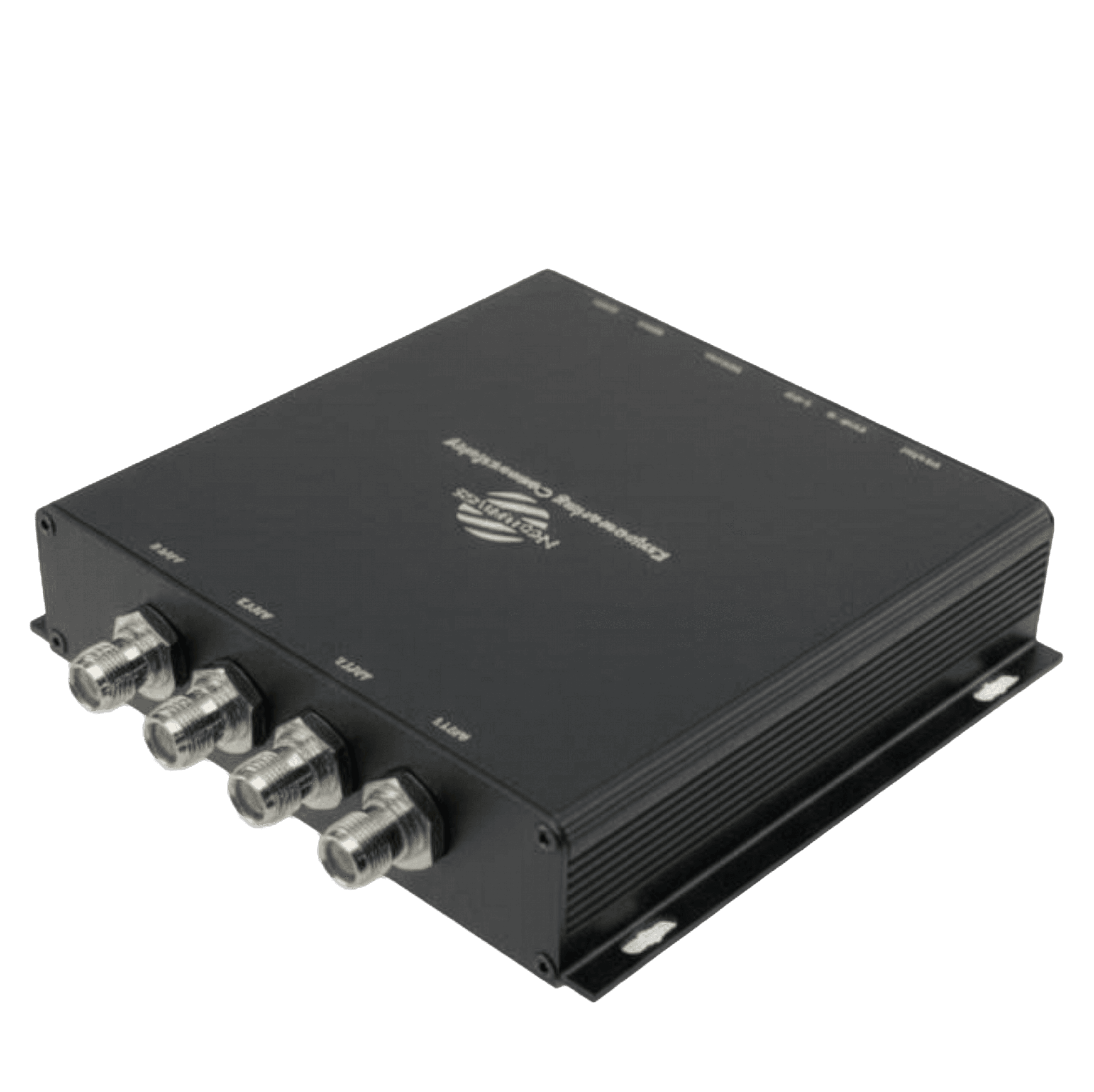
The Nordic ID Stix is an ultra-portable $300 USB dongle scanner. Compare its limited range and strict OS requirements to Nextwaves autonomic endpoints.
Specifiche tecniche
Panoramica hardware
Il Nordic ID Stix è un dispositivo RFID di livello industriale. Funziona nell'intervallo di 865-868 MHz (EU) / 902-928 MHz (US) e supporta lo standard EPC Class 1 Gen 2, rendendolo ampiamente utilizzato nelle applicazioni logistiche aziendali.
Con un grado di protezione IP di indoor rating, offre protezione contro specifiche condizioni ambientali tipiche di magazzini o retrobottega. Il lettore utilizza USB Bus Power per prestazioni continue, mentre la sua velocità di lettura massima dichiarata raggiunge low speed short range.
Connettività e integrazione di rete
Nelle implementazioni moderne, l'integrazione di rete è l'ostacolo più significativo. Questo modello offre USB 2.0 Dongle opzioni per il trasferimento dei dati ai sistemi centrali.
Tuttavia, un importante collo di bottiglia con l'hardware Nordic ID legacy è la forte dipendenza da SDK proprietari (come LLRP) o costosi middleware IoT di terze parti per elaborare i dati grezzi dei tag in informazioni aziendali significative.
L'alternativa Nextwaves
Se il tuo team di ingegneri sta valutando il Nordic ID Stix, Nextwaves NR155 presenta un'architettura cloud-native di gran lunga superiore. I sistemi legacy comportano intrinsecamente un'elevata spesa in conto capitale attraverso il vendor lock-in e gli ecosistemi software proprietari.
Nextwaves elimina completamente questa barriera fornendo un'API REST MQTT standard direttamente sul dispositivo. I tuoi sviluppatori software possono integrare la lettura dei tag direttamente nel tuo backend ERP o WMS personalizzato in pochi giorni anziché mesi, bypassando completamente le commissioni di licenza middleware ricorrenti.
Domande frequenti
Cos'è il Stix?
The Nordic ID Stix is arguably the smallest UHF RFID reader available. Fitting the form factor of a USB thumb-drive, it translates EPC Class 1 Gen 2 data across the 865-868 MHz (EU) / 902-928 MHz (US) bands for simple PC-based encoding tasks.
Quanto costa inizialmente questa configurazione?
Priced around $300, it represents the absolute baseline in RFID hardware. Because it siphons USB Bus Power, it requires zero external integration hardware other than a supported laptop or tablet running host daemon logic.
Perché dovrei scegliere Nextwaves invece?
Nextwaves hardware endpoints operate entirely autonomously. Unlike the Stix, which requires a live localized PC to execute code, Nextwaves processors bridge logic autonomously over secure HTTP without host dependence.
L'hardware è abbastanza resistente per i magazzini?
The minuscule plastic stick weighs just 22 g with dimensions checking in at a tiny 53 x 79 x 7 mm. Functioning under an indoor rating footprint, it is inherently vulnerable to physical snapping, liquids, and extreme temperatures.
Supporta più tipi di rete?
Its sole data path is the physical USB 2.0 Dongle slot. There is no integrated Wi-Fi or Bluetooth; it relies completely on the security software of the laptop it is plugged into for enterprise routing safety.
Il mio team può installarlo internamente?
Integration demands running Nordic ID SDK drivers on the host computer. Unlike keyboard emulation wedges, developers must write listener scripts locally to pull data strings from the USB wrapper.
Come funziona la gestione remota?
Operating at extremely low wattage, it registers low speed short range captures. The device requires physical firmware patching through Nordic's configuration utilities and cannot receive silent OTA upgrades.
Ho bisogno di un software proprietario per eseguirlo?
A complete system hinges on developers architecting proprietary bridging software to intercept reads from the USB 2.0 Dongle serial path and formatting them rapidly into REST calls directed at your cloud network.
Quale garanzia viene fornita con il lettore?
The basic USB hardware carries a standard one-year warranty. The form factor is inherently fragile, making physical destruction equally likely as standard semiconductor defects during regular handling.
Le antenne sono vendute separatamente?
A microscopic antenna is layered across the PCB, tuned to 865-868 MHz (EU) / 902-928 MHz (US) variations. Total read range is intentionally crippled to roughly 1 meter maximum, preventing crosstalk interference.