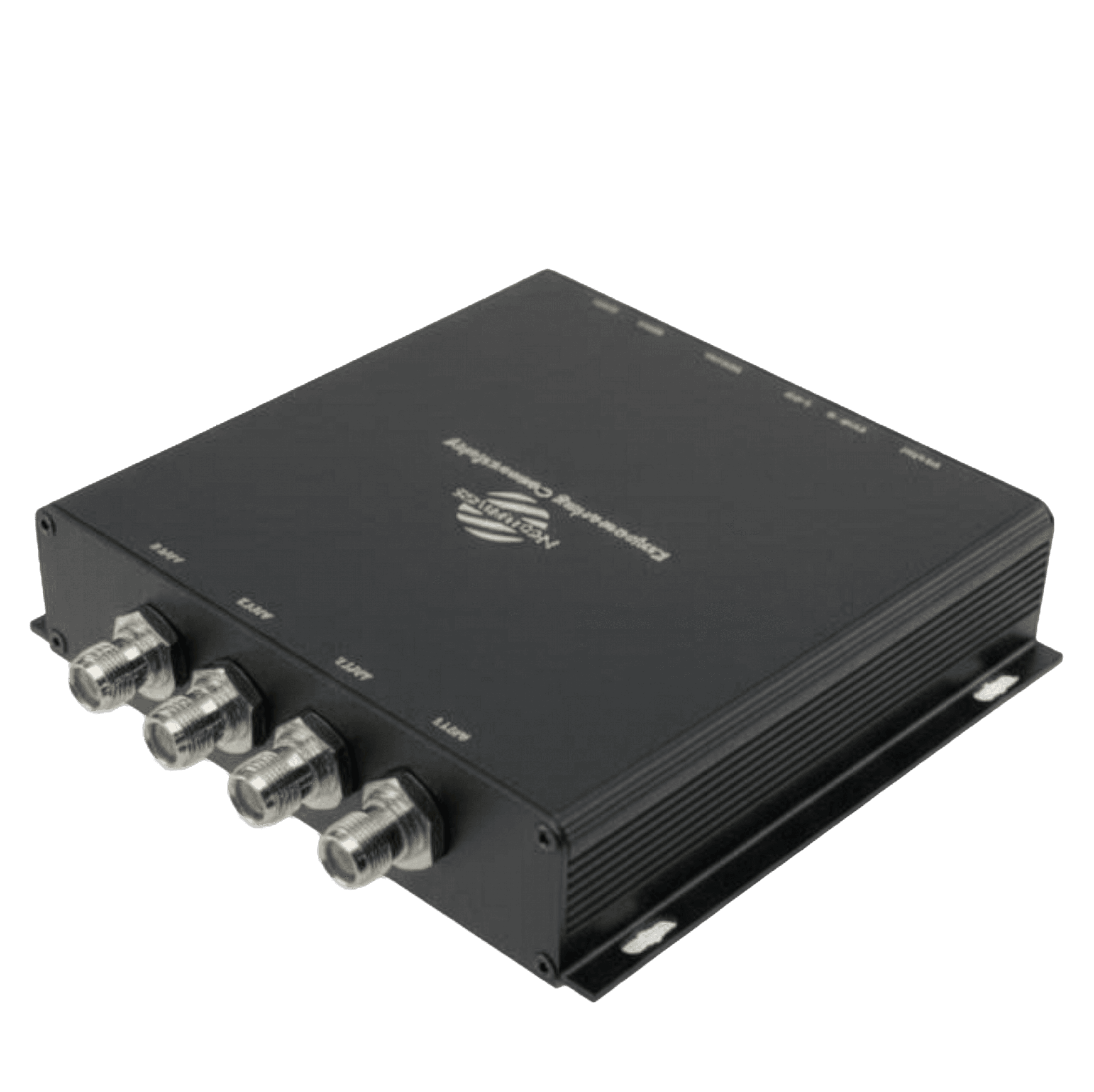
The Laird S9028PCL/PCR are $150 US-band passive antennas. Analyze required external RF reader costs vs Nextwaves monolithic standalone arrays.
Specifiche tecniche
Panoramica hardware
Il Laird S9028PCL/PCR è un dispositivo RFID di livello industriale. Funziona nell'intervallo di 902-928 MHz (FCC) e supporta lo standard N/A (Passive Antenna Element), rendendolo ampiamente utilizzato nelle applicazioni logistiche aziendali.
Con un grado di protezione IP di IP54, offre protezione contro specifiche condizioni ambientali tipiche di magazzini o retrobottega. Il lettore utilizza N/A (Passive) per prestazioni continue, mentre la sua velocità di lettura massima dichiarata raggiunge N/A (Passive).
Connettività e integrazione di rete
Nelle implementazioni moderne, l'integrazione di rete è l'ostacolo più significativo. Questo modello offre Coaxial Type N / SMA opzioni per il trasferimento dei dati ai sistemi centrali.
Tuttavia, un importante collo di bottiglia con l'hardware Laird legacy è la forte dipendenza da SDK proprietari (come LLRP) o costosi middleware IoT di terze parti per elaborare i dati grezzi dei tag in informazioni aziendali significative.
L'alternativa Nextwaves
Se il tuo team di ingegneri sta valutando il Laird S9028PCL/PCR, Nextwaves NR155 presenta un'architettura cloud-native di gran lunga superiore. I sistemi legacy comportano intrinsecamente un'elevata spesa in conto capitale attraverso il vendor lock-in e gli ecosistemi software proprietari.
Nextwaves elimina completamente questa barriera fornendo un'API REST MQTT standard direttamente sul dispositivo. I tuoi sviluppatori software possono integrare la lettura dei tag direttamente nel tuo backend ERP o WMS personalizzato in pochi giorni anziché mesi, bypassando completamente le commissioni di licenza middleware ricorrenti.
Domande frequenti
Cos'è il S9028PCL/PCR?
The Laird S9028PCL (Left-Hand) and PCR (Right-Hand) are ruggedized, circularly polarized passive antennas. Locked strictly to the 902-928 MHz (FCC) North American block, they project high-gain beams when excited by external active transceiver logic.
Quanto costa inizialmente questa configurazione?
A raw plate costs roughly $150. Integrators assume the subsequent costs of securing high-end RF reader controllers, shielding coaxial cable trenches, and engineering the required Linux-based software routing frameworks.
Perché dovrei scegliere Nextwaves invece?
Building portal chokepoints using discrete RF antennas entails painful impedance engineering. Nextwaves consolidates both the powerful RF board and the IP gateway inside one sealed panel, removing external logic entirely.
L'hardware è abbastanza resistente per i magazzini?
Operating inside an IP54 weather-resistant shell, it measures roughly 260 x 260 x 33 mm and weighs 1.04 kg. It readily handles dense warehouse grit but lacks sealing necessary for intense wash-down cycles.
Supporta più tipi di rete?
Network routing is completely non-applicable to physical broadcast plates. All connections occur physically over Coaxial Type N / SMA edge sockets trailing strictly back to the active master block.
Il mio team può installarlo internamente?
Physical setup involves aiming the plates accurately along heavy-duty VESA arms. Network engineers must use expensive VNA spectrum analyzers to assure proper RF alignment and calculate decibel line-loss over the coaxial lengths.
Come funziona la gestione remota?
With a N/A (Passive) rating, read volumes depend exclusively upon the parent system driving the board. Expanding throughput necessitates replacing the parent reader matrix, not the passive plate itself.
Ho bisogno di un software proprietario per eseguirlo?
There is zero software logic present. Programmatic interfaces must be directed towards the SDKs controlling the central interrogator box supplying current through the coaxial leads.
Quale garanzia viene fornita con il lettore?
Like most large passive elements, the rugged fiberglass radome shields the array components securely, offering standard 1-year defenses against purely manufacturing-related breakage.
Le antenne sono vendute separatamente?
Pushing an aggressive 8.5 dBic output, operators typically alternate Left and Right Hand (PCL/PCR) models on opposing portal walls across the 902-928 MHz (FCC) band to destroy complex multipath nulls.