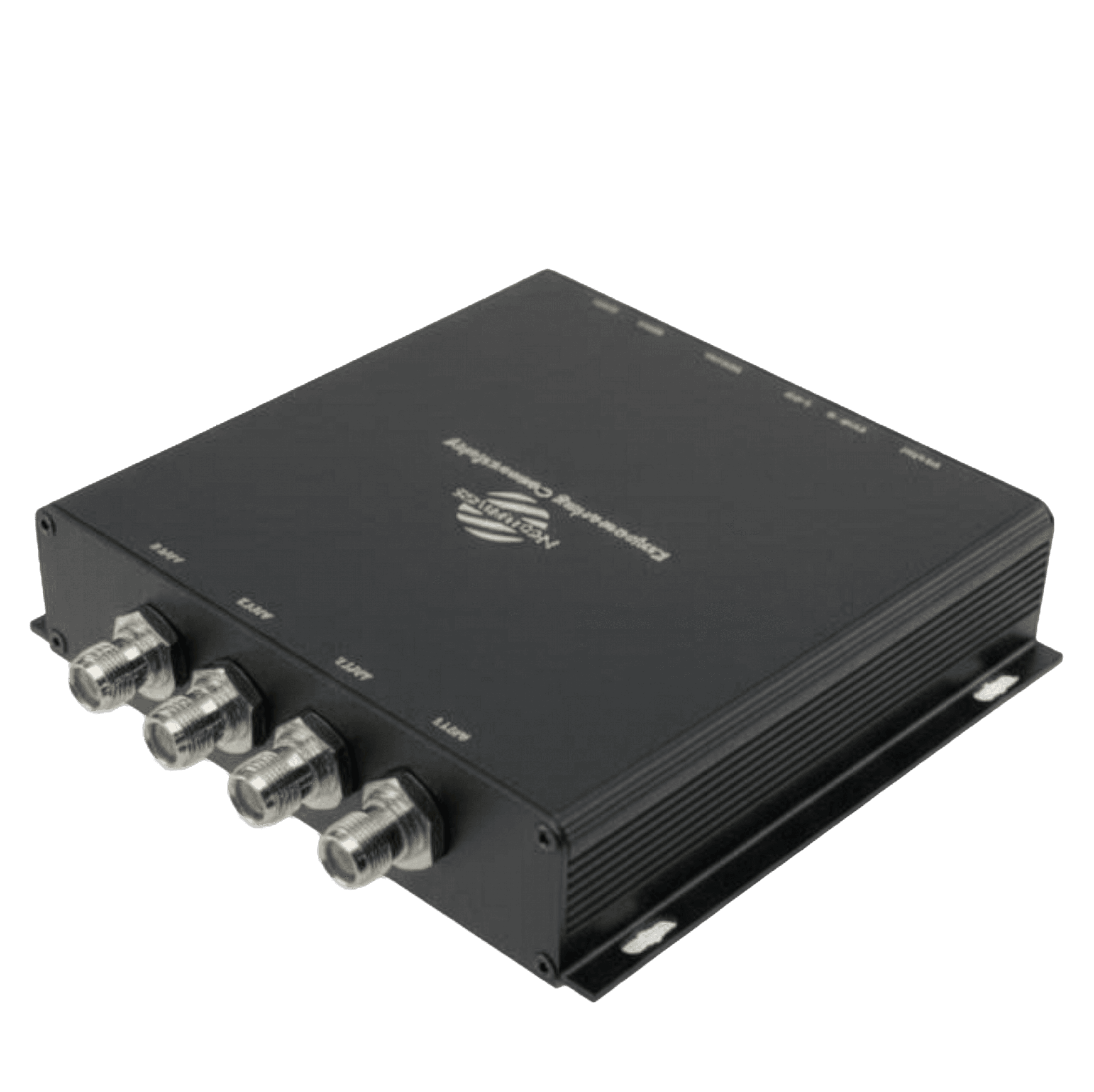
The Impinj R220 Speedway is a mid-tier 2-port fixed RFID reader operating on 860-960 MHz. It maxes out at 200 tags per second. See how it compares to modern Nextwaves alternatives.
Specifiche tecniche
Panoramica hardware
Il Impinj R220 (Speedway) è un dispositivo RFID di livello industriale. Funziona nell'intervallo di 860-960 MHz e supporta lo standard EPCglobal UHF Class 1 Gen 2 / ISO 18000-6C, rendendolo ampiamente utilizzato nelle applicazioni logistiche aziendali.
Con un grado di protezione IP di IP52, offre protezione contro specifiche condizioni ambientali tipiche di magazzini o retrobottega. Il lettore utilizza PoE (IEEE 802.3af), +24Vdc AC Adapter per prestazioni continue, mentre la sua velocità di lettura massima dichiarata raggiunge 200 tags/second.
Connettività e integrazione di rete
Nelle implementazioni moderne, l'integrazione di rete è l'ostacolo più significativo. Questo modello offre Ethernet, RS-232, USB, GPIO opzioni per il trasferimento dei dati ai sistemi centrali.
Tuttavia, un importante collo di bottiglia con l'hardware Impinj legacy è la forte dipendenza da SDK proprietari (come LLRP) o costosi middleware IoT di terze parti per elaborare i dati grezzi dei tag in informazioni aziendali significative.
L'alternativa Nextwaves
Se il tuo team di ingegneri sta valutando il Impinj R220 (Speedway), Nextwaves NR155 presenta un'architettura cloud-native di gran lunga superiore. I sistemi legacy comportano intrinsecamente un'elevata spesa in conto capitale attraverso il vendor lock-in e gli ecosistemi software proprietari.
Nextwaves elimina completamente questa barriera fornendo un'API REST MQTT standard direttamente sul dispositivo. I tuoi sviluppatori software possono integrare la lettura dei tag direttamente nel tuo backend ERP o WMS personalizzato in pochi giorni anziché mesi, bypassando completamente le commissioni di licenza middleware ricorrenti.
Domande frequenti
Cos'è il R220 (Speedway)?
The Impinj R220 Speedway is a 2-port fixed UHF RFID reader designed for small to medium-scale deployments. It utilizes Impinj's Autopilot technology to automatically optimize its performance based on environmental RF noise.
Quanto costa inizialmente questa configurazione?
The base reader typically retails around $800. Keep in mind this does not include the cost of external RP-TNC antennas, antenna cables, power supplies, or any required enterprise middleware software.
Perché dovrei scegliere Nextwaves invece?
Nextwaves offers standard REST API and MQTT endpoints right on the device. Instead of wrestling with low-level LLRP commands or paying for expensive third-party middleware, your team can integrate RFID data directly into modern web stacks.
L'hardware è abbastanza resistente per i magazzini?
The R220 carries an IP52 rating. This means it offers protection against dust and vertically dripping water, but it is not fully weatherproof. It is best suited for indoor, climate-controlled environments like retail stores or clean warehouses.
Supporta più tipi di rete?
The reader provides standard 10/100BASE-T Ethernet and RS-232 serial ports. It also supports Power over Ethernet (PoE), which simplifies cabling by delivering both data and power over a single Cat5/Cat6 cable.
Il mio team può installarlo internamente?
Physical mounting is straightforward with standard brackets, but software integration typically requires developers familiar with the LLRP protocol or proprietary Impinj SDKs (Octane). It's not a plug-and-play solution for standard web developers.
Come funziona la gestione remota?
Network administrators typically manage the R220 through Impinj's ItemTest software or custom SNMP tools. Firmware updates and health monitoring must be handled via these specific interfaces.
Ho bisogno di un software proprietario per eseguirlo?
While it supports LLRP, most enterprise deployments end up licensing specialized middleware to translate the raw RFID reads into meaningful business events to integrate with WMS or ERP systems.
Quale garanzia viene fornita con il lettore?
Impinj provides a standard one-year hardware warranty. Extended service contracts are available for purchase but will increase your overall Total Cost of Ownership (TCO) across a fleet of devices.
Le antenne sono vendute separatamente?
Yes, the R220 requires external antennas. It features two monostatic RP-TNC antenna ports. Selecting the correct far-field or near-field antennas based on your specific use case is the hardest part of the physical setup.