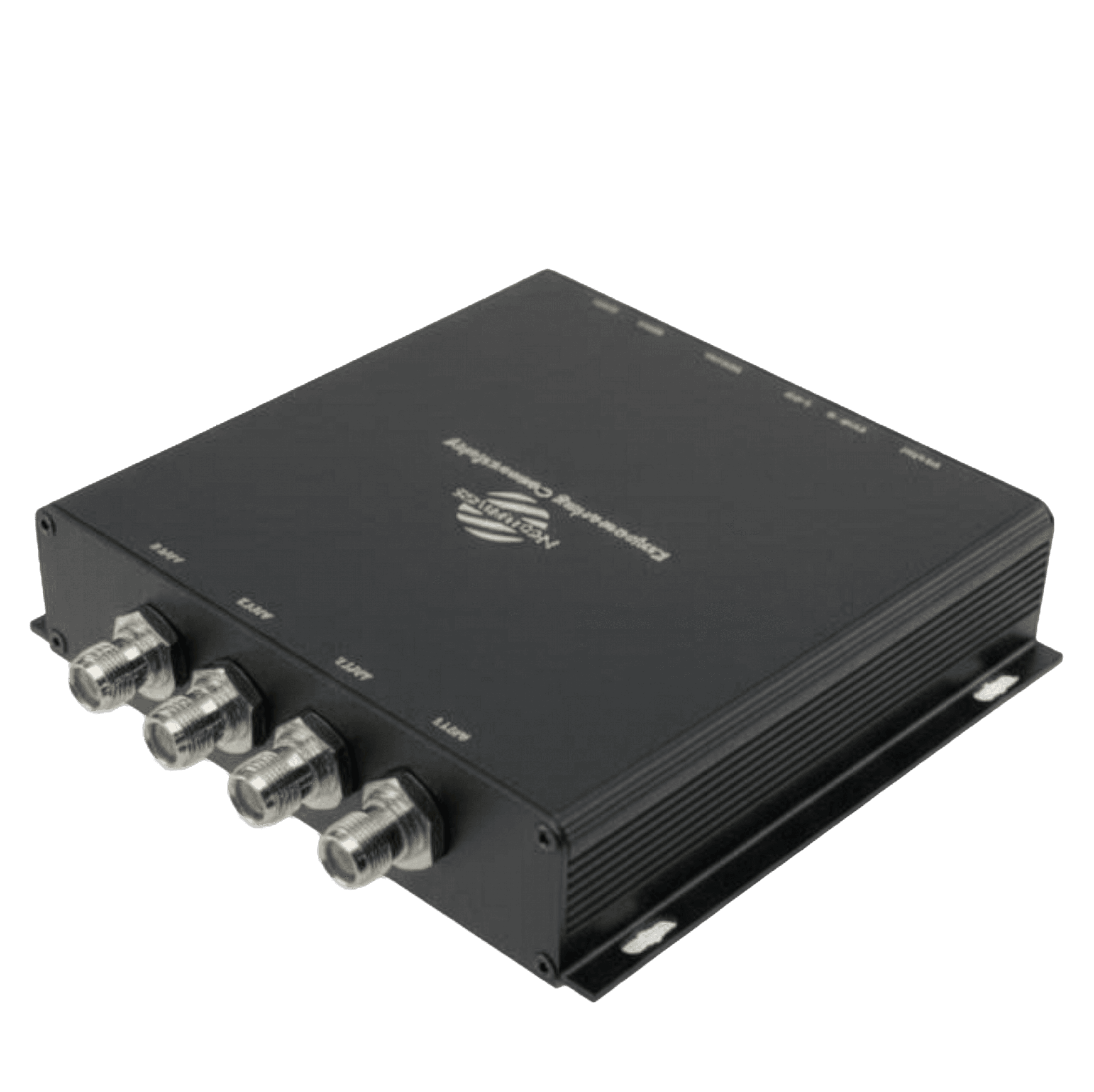
The Honeywell IA36A is a linear polarized 1.5kg passive plate. Consider how its external tuning requirements compare to Nextwaves intelligent edge arrays.
Specifiche tecniche
Panoramica hardware
Il Honeywell IA36A è un dispositivo RFID di livello industriale. Funziona nell'intervallo di 865-956 MHz e supporta lo standard N/A (Passive Antenna Element), rendendolo ampiamente utilizzato nelle applicazioni logistiche aziendali.
Con un grado di protezione IP di IP67, offre protezione contro specifiche condizioni ambientali tipiche di magazzini o retrobottega. Il lettore utilizza N/A (Passive) per prestazioni continue, mentre la sua velocità di lettura massima dichiarata raggiunge N/A (Passive).
Connettività e integrazione di rete
Nelle implementazioni moderne, l'integrazione di rete è l'ostacolo più significativo. Questo modello offre SMA Female / N-Type opzioni per il trasferimento dei dati ai sistemi centrali.
Tuttavia, un importante collo di bottiglia con l'hardware Honeywell legacy è la forte dipendenza da SDK proprietari (come LLRP) o costosi middleware IoT di terze parti per elaborare i dati grezzi dei tag in informazioni aziendali significative.
L'alternativa Nextwaves
Se il tuo team di ingegneri sta valutando il Honeywell IA36A, Nextwaves NR155 presenta un'architettura cloud-native di gran lunga superiore. I sistemi legacy comportano intrinsecamente un'elevata spesa in conto capitale attraverso il vendor lock-in e gli ecosistemi software proprietari.
Nextwaves elimina completamente questa barriera fornendo un'API REST MQTT standard direttamente sul dispositivo. I tuoi sviluppatori software possono integrare la lettura dei tag direttamente nel tuo backend ERP o WMS personalizzato in pochi giorni anziché mesi, bypassando completamente le commissioni di licenza middleware ricorrenti.
Domande frequenti
Cos'è il IA36A?
The Honeywell IA36A is a rectangular, high-gain linear polarized passive antenna. Designed universally for 865-956 MHz frequencies, it creates deep penetration fields for specialized, precise tag mapping when attached to core logic units.
Quanto costa inizialmente questa configurazione?
Listed around $200, the raw plate is only one cost component. The total integration mandates high-output reader blocks, extensive shielding mounts, and significant cabling overhead.
Perché dovrei scegliere Nextwaves invece?
Complex structural portal arrays built from multiple passive plates require deep technical maintenance. Nextwaves completely removes external coaxial routing by synthesizing the gateway processing directly into the antenna shell running on pure Cat6 drops.
L'hardware è abbastanza resistente per i magazzini?
Sealed beautifully within an IP67 casing, the rectangular 450 x 260 x 30 mm frame checks in at 1.5 kg. It shrugs off factory mud, deep freeze condensation, and direct spray without internal decay.
Supporta più tipi di rete?
Because it acts purely as a metal-patched conduit, connecting it relies on linking SMA or N-Type leads physically into an external master interrogator unit.
Il mio team può installarlo internamente?
Installation necessitates aligning the linear beam precisely with the predicted vector of the incoming logistics tags. IT staff must actively tune the reader unit to offset the exact decibel signal lost through the coaxial connector cable.
Come funziona la gestione remota?
Having zero silicon state mechanisms means read events trigger at N/A (Passive). Density capture matches cleanly the performance of whatever main reader node the plate connects back to.
Ho bisogno di un software proprietario per eseguirlo?
Direct API access to the antenna is architecturally impossible. System developers write interface commands entirely against the middleware SDK managing the external reader pulsing the lines.
Quale garanzia viene fornita con il lettore?
Honeywell includes a standardized 1-year product warranty. Absent direct mechanical destruction by heavy machinery, the passive elements inside will continue to resonate for a lifetime.
Le antenne sono vendute separatamente?
Pushing out a sharply defined linear field across 865-956 MHz, it ignores scattering issues to penetrate incredibly deep into dense pallet stacks exactly where the linear polarization aligns.