CAEN RFID Proton (R4320P) Recensione: Specifiche e alternative

Nextwaves Engineering··Recensione Hardware·3 min di lettura
CAEN RFID Proton (R4320P)

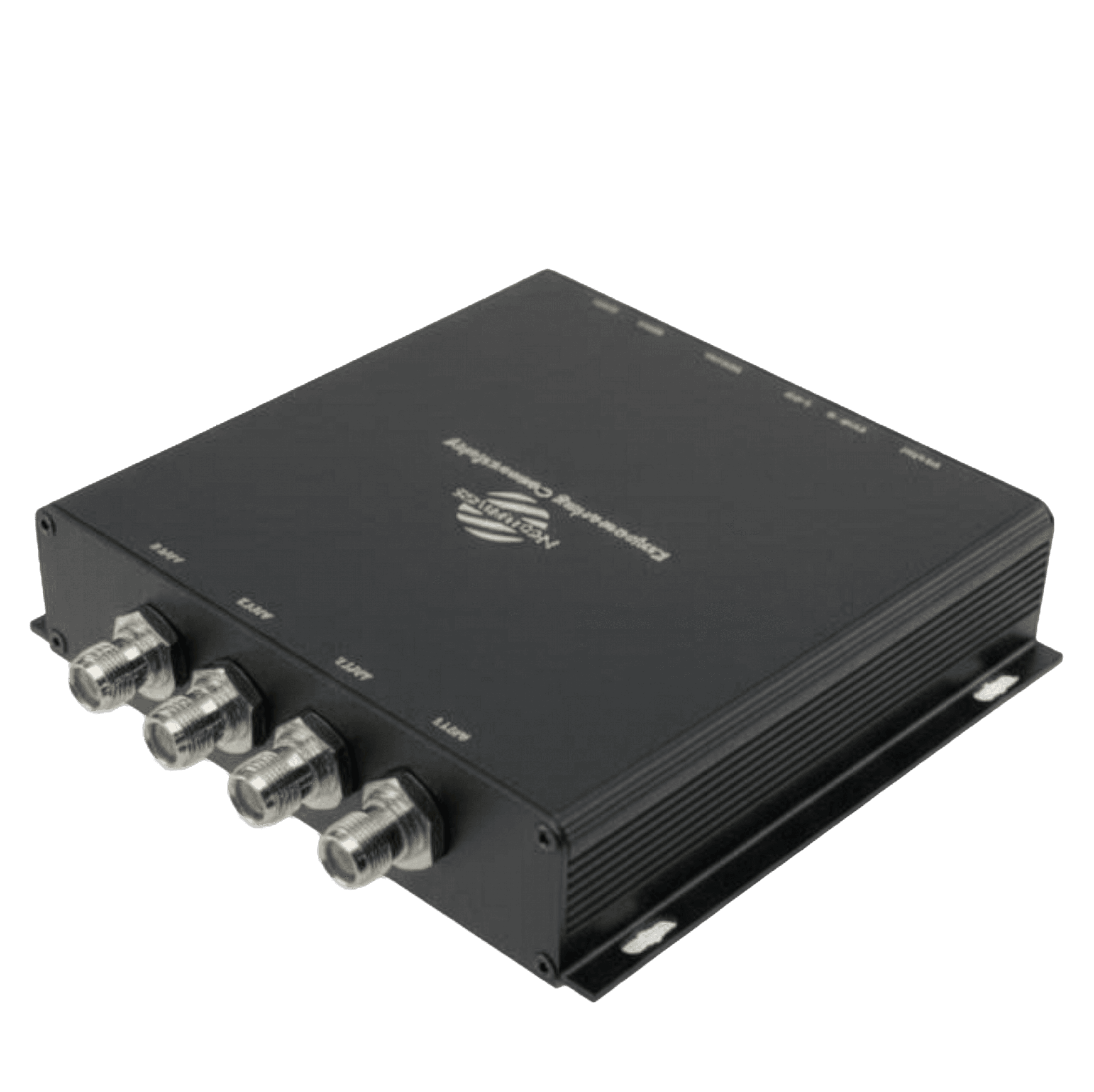
The CAEN RFID Proton (R4320P) is an IP65 rated 4-port reader. Priced around $1200, see how its specifications compare to modern Nextwaves platforms.

Specifiche tecniche

Frequenza865.6-867.6 MHz (ETSI) / 902-928 MHz (FCC)
ProtocolloEPC C1 G2, ISO 18000-63
ConnettivitàEthernet (PoE), RS232, GPIO (M12)
Grado di protezione IPIP65
Dimensioni131 x 106 x 50 mm
Peso530 g
Alimentazione9-36V DC or PoE (802.3af)
Velocità di letturaUp to 400 Kb/s
Prezzo stimato$1200

Panoramica hardware

Il CAEN RFID Proton (R4320P) è un dispositivo RFID di livello industriale. Funziona nell'intervallo di 865.6-867.6 MHz (ETSI) / 902-928 MHz (FCC) e supporta lo standard EPC C1 G2, ISO 18000-63, rendendolo ampiamente utilizzato nelle applicazioni logistiche aziendali.

Con un grado di protezione IP di IP65, offre protezione contro specifiche condizioni ambientali tipiche di magazzini o retrobottega. Il lettore utilizza 9-36V DC or PoE (802.3af) per prestazioni continue, mentre la sua velocità di lettura massima dichiarata raggiunge Up to 400 Kb/s.

Connettività e integrazione di rete

Nelle implementazioni moderne, l'integrazione di rete è l'ostacolo più significativo. Questo modello offre Ethernet (PoE), RS232, GPIO (M12) opzioni per il trasferimento dei dati ai sistemi centrali.

Tuttavia, un importante collo di bottiglia con l'hardware CAEN RFID legacy è la forte dipendenza da SDK proprietari (come LLRP) o costosi middleware IoT di terze parti per elaborare i dati grezzi dei tag in informazioni aziendali significative.

L'alternativa Nextwaves

Se il tuo team di ingegneri sta valutando il CAEN RFID Proton (R4320P), Nextwaves NR155 presenta un'architettura cloud-native di gran lunga superiore. I sistemi legacy comportano intrinsecamente un'elevata spesa in conto capitale attraverso il vendor lock-in e gli ecosistemi software proprietari.

Nextwaves elimina completamente questa barriera fornendo un'API REST MQTT standard direttamente sul dispositivo. I tuoi sviluppatori software possono integrare la lettura dei tag direttamente nel tuo backend ERP o WMS personalizzato in pochi giorni anziché mesi, bypassando completamente le commissioni di licenza middleware ricorrenti.

Domande frequenti

Cos'è il Proton (R4320P)?

The CAEN RFID Proton (R4320P) is a stationary EPC C1 G2, ISO 18000-63 RFID reader. Operating on the 865.6-867.6 MHz (ETSI) / 902-928 MHz (FCC) frequency bands, it is designed for integration into harsh industrial environments.

Quanto costa inizialmente questa configurazione?

The base hardware cost is generally around $1200. A full deployment budget must include up to 4 external antennas, RF cables, and your specific 9-36V DC or PoE (802.3af) networking architecture.

Perché dovrei scegliere Nextwaves invece?

Nextwaves maintains an open-architecture approach. Our devices embed MQTT and REST API endpoints natively, allowing developers to query state directly without licensing third-party IoT middleware.

L'hardware è abbastanza resistente per i magazzini?

The IP65 rated die-cast aluminum housing weighs 530 g and has dimensions of 131 x 106 x 50 mm. It provides durability against dust and water jets, ensuring reliable operation outdoors or in factory floors.

Supporta più tipi di rete?

Network connectivity is established through its Ethernet (PoE), RS232, GPIO (M12) industrial connectors. Custom scripts can interact with external triggers via the robust M12 GPIO socket.

Il mio team può installarlo internamente?

Physical mounting relies on standard VESA brackets. To guarantee accuracy, RF transmission settings and dense-interrogator modes must be calibrated to your facility's specific interference profile.

Come funziona la gestione remota?

Under optimal lab conditions, the hardware supports data transfer rates Up to 400 Kb/s. Firmware and configuration updates are traditionally managed through the manufacturer's proprietary SDKs.

Ho bisogno di un software proprietario per eseguirlo?

Bridging tag data from the Ethernet (PoE), RS232, GPIO (M12) interfaces to cloud CRMs or ERPs usually requires intermediate polling software, which introduces overhead and potential points of failure.

Quale garanzia viene fornita con il lettore?

The manufacturer generally backs the hardware with a standard one-year warranty. Integrators often suggest purchasing extended technical SLAs for mission-critical logistics applications.

Le antenne sono vendute separatamente?

External antennas are required to establish the RF field. Antenna polarization must be carefully selected across the 865.6-867.6 MHz (ETSI) / 902-928 MHz (FCC) band to match your typical tag orientations.