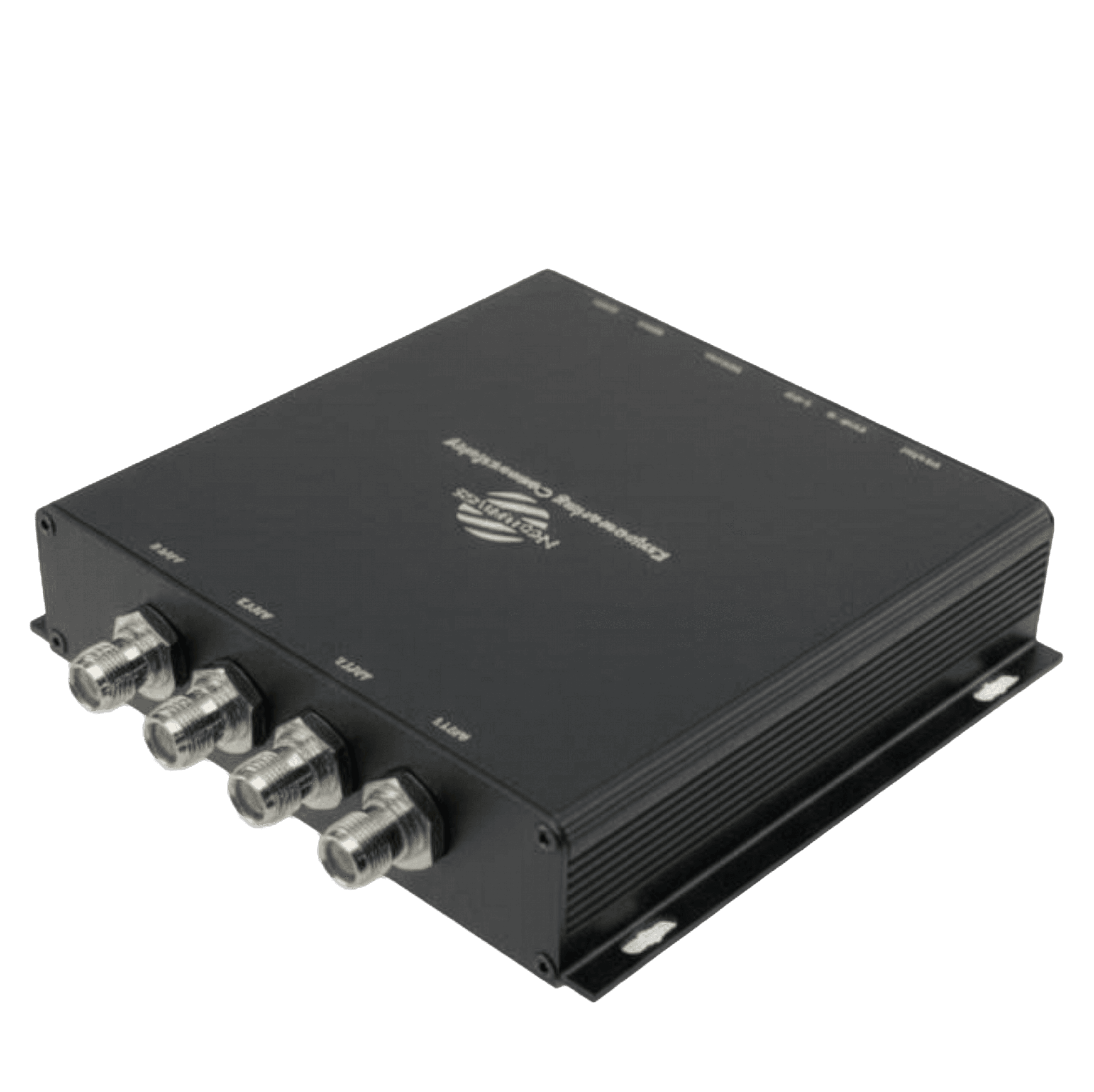
ThingMagic (JADAK) Sargas (4-Port) Revisión: Especificaciones y alternativas

Ingeniería Nextwaves··Revisión de hardware·3 min de lectura

The Sargas 4-Port is a networked tracking device operating on UHF/RAIN. Priced over $1500, compare its legacy middleware requirements to Nextwaves.

Especificaciones técnicas

FrecuenciaUHF/RAIN (global)
ProtocoloEPC Gen2V2, ISO 18000-63, Gen2X
ConectividadEthernet, USB, Micro SD, 8 GPIO
Clasificación IPIP52
Dimensiones87 x 80 x 23 mm
Peso0.3 kg
Fuente de alimentaciónPoE or 5V DC
Velocidad de lectura750
Precio estimado$1500

Descripción general del hardware

El ThingMagic (JADAK) Sargas (4-Port) es un dispositivo RFID de grado industrial. Opera dentro del rango de UHF/RAIN (global) y es compatible con el estándar EPC Gen2V2, ISO 18000-63, Gen2X, lo que lo hace ampliamente implementado en aplicaciones de logística empresarial.

Con una clasificación IP de IP52, ofrece protección contra condiciones ambientales específicas típicas en almacenes o trastiendas minoristas. El lector utiliza PoE or 5V DC para un rendimiento continuo, mientras que su velocidad máxima de lectura declarada alcanza 750.

Conectividad e integración de red

En las implementaciones modernas, la integración de la red es el obstáculo más importante. Este modelo ofrece Ethernet, USB, Micro SD, 8 GPIO opciones para transferir datos a los sistemas centrales.

Sin embargo, un cuello de botella importante con el hardware ThingMagic (JADAK) heredado es la gran dependencia de los SDK (como LLRP) propietarios o middleware de IoT de terceros costosos para procesar datos de etiquetas sin procesar en inteligencia empresarial significativa.

La alternativa Nextwaves

Si su equipo de ingeniería está evaluando el ThingMagic (JADAK) Sargas (4-Port), el Nextwaves NR155 presenta una arquitectura nativa de la nube muy superior. Los sistemas heredados impulsan inherentemente un alto gasto de capital a través del bloqueo del proveedor y los ecosistemas de software propietarios.

Nextwaves elimina por completo esta barrera al proporcionar una API REST MQTT estándar directamente en el dispositivo. Sus desarrolladores de software pueden integrar la lectura de etiquetas directamente en su backend ERP o WMS personalizado en días en lugar de meses, evitando por completo las tarifas recurrentes de licencias de middleware.


Preguntas frecuentes

¿Qué es el/la Sargas (4-Port)?

The ThingMagic (JADAK) Sargas 4-Port is a high-performance, networked RFID reader. Designed around the ThingMagic M6e Micro module, it supports EPC Gen2V2, ISO 18000-63, Gen2X over UHF/RAIN (global) frequencies for edge computing deployments.

¿Cuánto cuesta esta configuración inicialmente?

The base unit is commonly priced around $1500. A comprehensive bill of materials also requires budgeting for 4 external antennas, RF cabling, and establishing a stable PoE or 5V DC power environment.

¿Por qué debería elegir Nextwaves en su lugar?

Nextwaves provides embedded REST API and MQTT endpoints directly in the hardware stack. Consequently, software engineering teams can bypass expensive custom IoT middleware and integrate RFID events directly to internal webhooks.

¿Es el hardware lo suficientemente duradero para almacenes?

The compact aluminum housing weighs approximately 0.3 kg and measures 87 x 80 x 23 mm. It features an IP52 rating, making it robust against dust and light drip exposure, but unsuitable for direct outdoor weathering.

¿Admite múltiples tipos de red?

Corporate network integration routes through its Ethernet, USB, Micro SD, 8 GPIO interfaces. The extensive 8-pin GPIO allows direct logic interactions with stack lights, programmable logic controllers, and motion sensors.

¿Puede mi equipo instalar esto internamente?

Physical cabinet mounting uses the integrated flange holes. Optimizing RF performance often requires utilizing the Mercury API to properly configure read/write parameters for the specific Gen2X subset tags in your facility.

¿Cómo funciona la gestión remota?

Under laboratory test conditions, the reader is capable of processing up to 750 tags per second. Extensive device configuration utilizes the proprietary JADAK Universal Reader Assistant (URA) utility.

¿Necesito software propietario para ejecutarlo?

Most enterprise deployments require custom C# or Java applications utilizing the Mercury API to interface effectively with the Ethernet, USB, Micro SD, 8 GPIO ports, adding significant software lifecycle maintenance.

¿Qué garantía viene con el lector?

The manufacturer typically provides a standard one-year hardware warranty. Complex factory deployments usually benefit from purchasing extended support SLAs and integration consultancy.

¿Se venden las antenas por separado?

External RP-SMA connected antennas are strictly required. Careful calibration of these RF ports across the UHF/RAIN (global) frequency bands ensures maximum range without violating local ETSI/FCC regulations.