RFID replacement dossierUpdated: May 25, 2026

ThingMagic (JADAK) Sargas (2-Port)Reseña: Especificaciones y Alternativas

The Sargas 2-Port is a compact edge computing reader operating on UHF/RAIN frequencies. Starting at $1000. See how it compares to Nextwaves open architecture.

Equipo de Ingeniería NextwavesReseña de Hardware5 min de lectura

Technical verdict

ThingMagic (JADAK) Sargas (2-Port) is a mainstream hardware purchase, but it is not always the best architecture for direct RFID data integration.

Do not evaluate Sargas (2-Port) by list price alone. Its strongest fit is a project that already uses RJ45, USB A/B, Micro-SD, 4 GPIO, has time for RF tuning, and accepts extra middleware work. If the engineering team needs open APIs, realtime data, and faster edge-to-cloud deployment, Nextwaves NR155 is the stronger replacement path to evaluate.

Initial cost

$1000 before deployment accessories

Published throughput

750 tags/second

Integration surface

RJ45, USB A/B, Micro-SD, 4 GPIO

Physical data

87 x 80 x 23.8 mm; 0.27 kg; IP: IP52

Published specs

Specifications to validate before replacing

Frecuencia

UHF/RAIN (global)

Protocolo

EPC Gen2V2, ISO 18000-63, Gen2X

Conectividad

RJ45, USB A/B, Micro-SD, 4 GPIO

Grado IP

IP52

Dimensiones

87 x 80 x 23.8 mm

Peso

0.27 kg

Fuente de Alimentación

4.5-5.5V DC

Velocidad de Lectura

750

Precio Estimado

$1000

Deployment review

Operational strengths and risks

This summary is based on public specifications and does not replace an on-site RF survey.

Fit score

3.7/5

Strengths

  • RJ45, USB A/B, Micro-SD, 4 GPIO gives network teams a familiar integration surface instead of local-only collection.
  • 4.5-5.5V DC can reduce separate power drops when switch PoE budget is available.
  • The $1000 hardware baseline is easier to budget than premium fixed-reader configurations.
  • 750 tags/second can fit faster inventory lanes when the read zone is tuned correctly.

Validate

  • Quoted hardware price is not installed system cost; include antennas, cables, mounts, power, software, and configuration work.
  • RF performance depends on tag material, antenna position, transmit power, reader orientation, and site interference.
  • IP52 must be checked against dust, humidity, temperature, and cleaning requirements.
  • Raw RFID reads still need duplicate filtering, business-event mapping, and ERP/WMS integration before operations can use them.

Deployment review

Buying decision matrix

Best fit

Fixed UHF RFID projects that already use RJ45, USB A/B, Micro-SD, 4 GPIO and have time for RF tuning.

Weak fit

Do not compare device price only; total cost depends on accessories, software, and integration.

Deployment risk

IP52, 4.5-5.5V DC, 87 x 80 x 23.8 mm, and 0.27 kg must match the site layout.

Software risk

Plan for middleware, SDK work, duplicate filtering, and business-event mapping.

Alternative architecture

ThingMagic (JADAK) Sargas (2-Port) vs Nextwaves

01

Descripción General del Hardware

El ThingMagic (JADAK) Sargas (2-Port) es un dispositivo RFID de grado industrial. Opera dentro del rango de UHF/RAIN (global) y soporta el estándar EPC Gen2V2, ISO 18000-63, Gen2X, siendo ampliamente implementado en aplicaciones de logística empresarial.

Con un grado de protección IP de IP52, ofrece protección contra condiciones ambientales típicas en almacenes o áreas traseras de tiendas. El lector utiliza 4.5-5.5V DC para rendimiento continuo, mientras que su velocidad máxima de lectura declarada alcanza 750.

02

Conectividad e Integración de Red

En implementaciones modernas, la integración de red es el obstáculo más significativo. Este modelo ofrece opciones de RJ45, USB A/B, Micro-SD, 4 GPIO para transferir datos a sistemas centrales.

Sin embargo, un cuello de botella importante con el hardware heredado de ThingMagic (JADAK) es la fuerte dependencia de SDKs patentados (como LLRP) o middleware IoT de terceros costoso para procesar datos de etiquetas sin procesar en inteligencia de negocio significativa.

03

When to choose Nextwaves instead of another closed reader

Si su equipo de ingeniería está evaluando el ThingMagic (JADAK) Sargas (2-Port), el Nextwaves NR155 presenta una arquitectura cloud-native vastly superior. Los sistemas heredados inherentemente impulsan altos gastos de capital a través del vendor lock-in y ecosistemas de software patentados.

Nextwaves elimina completamente esta barrera al proporcionar una API MQTT REST estándar directamente en el dispositivo. Sus desarrolladores de software pueden integrar la lectura de etiquetas directamente en su backend ERP o WMS personalizado en días en lugar de meses, evitando por completo las tarifas de licencia de middleware recurrentes.

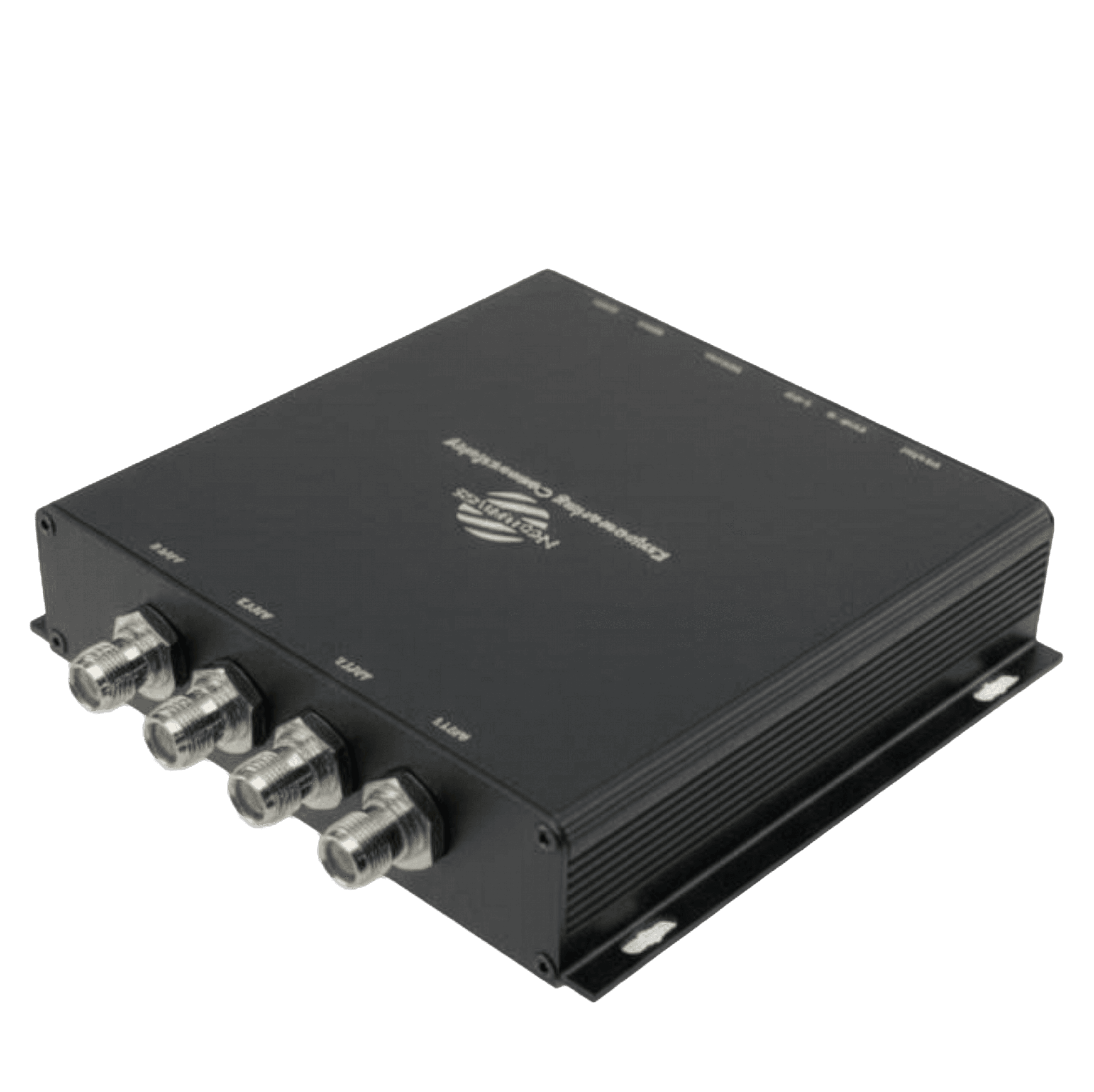
Alternative architecture

Lector RFID UHF IoT Fijo NR155

APIs MQTT/REST cloud-native integradas. Sin SDKs patentados, sin licencias de middleware. Integre directamente con su ERP o WMS en días.

View Nextwaves NR155
Nextwaves NR155 Fixed IoT UHF RFID Reader

Puertos de Antena

4 x Puertos RP-TNC

Velocidad de Lectura

Hasta 400 etiquetas/segundo

Potencia de Salida

0–33 dBm (pasos de 1dB)

Protocolo de Red

MQTT / MQTTS

FAQ

Preguntas Frecuentes

These answers help purchasing and engineering teams review cost, integration, and deployment risk.

01

¿Qué es el Sargas (2-Port)?

The ThingMagic (JADAK) Sargas 2-Port is an embedded edge reader designed around the M6e Micro module. Operating on the UHF/RAIN (global) band, it is built to handle strict EPC Gen2V2, ISO 18000-63, Gen2X protocol standards within a compact footprint.

02

¿Cuánto cuesta esta configuración inicialmente?

The unit retails around $1000. Comprehensive project budgeting must also account for two external RP-SMA antennas, required coaxial cabling, and the provision of a steady 4.5-5.5V DC power source.

03

¿Por qué debería elegir Nextwaves en su lugar?

Nextwaves provides embedded REST API and MQTT endpoints natively on the hardware. Software engineering teams bypass the proprietary Mercury API format and integrate JSON RFID events directly into modern cloud management systems.

04

¿El hardware es lo suficientemente duradero para almacenes?

The aluminum enclosure weighs approximately 0.27 kg and measures 87 x 80 x 23.8 mm. This compact IP52-rated chassis is easily embedded inside smart cabinets or secondary industrial enclosures.

05

¿Soporta múltiples tipos de red?

Network integration utilizes RJ45, USB A/B, Micro-SD, 4 GPIO connections. The 4 hardware logic GPIO pins are frequently used to trigger scanning based on external photoelectric sensors or PLC relays.

06

¿Puede mi equipo instalar esto internamente?

Hardware mounting utilizes standard corner flange holes. To optimize detection, software teams must utilize custom C/C++ or Java routines via the Mercury API to finely tune power amplitude curves based on environmental reflections.

07

¿Cómo funciona la gestión remota?

Under optimal tuning parameters, the micro-module core is rated up to 750 tag reads per second. Remote administration is heavily reliant on JADAK's custom Universal Reader Assistant suite.

08

¿Necesito software patentado para ejecutarlo?

Typically, bridging data from the RJ45, USB A/B, Micro-SD, 4 GPIO ports into modern web stacks requires an intermediate middleware system or proprietary SDK implementation, which increases technical debt.

09

¿Qué garantía viene con el lector?

The manufacturer provides a standard one-year hardware warranty against component failure. Critical integration paths should often be supplemented by authorized VAR support agreements.

10

¿Las antenas se venden por separado?

External antennas must be attached to the two RP-SMA terminal ports. Tuning the system dynamically across the UHF/RAIN (global) band is necessary to prevent FCC/ETSI non-compliance while maximizing read strength.