Understand your operational needs
When starting a new project, you must clearly understand your operational needs to succeed. This requires a detailed look at the resources, processes, and technology your business needs to run smoothly. Start by assessing your staff-identify the skills and training required to meet your goals. Next, look at tools that simplify work, from project management software to data platforms that help you make decisions. Don't forget the supply chain; ensure you have reliable suppliers and efficient distribution. Staying compliant is also vital; research industry standards and local laws to avoid trouble. Through a thorough operational review, you can find gaps, improve resource allocation, and boost productivity. This approach reduces risk and helps your business adapt quickly to market changes. Finally, a clear operational plan based on these insights will help your organization grow in a competitive environment and ensure long-term success.
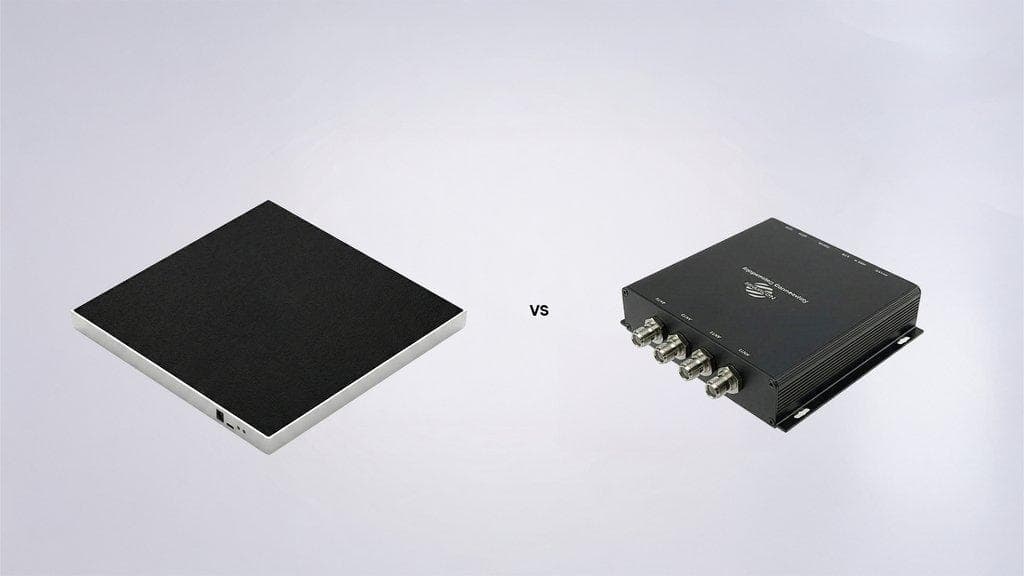
Types of RFID readers: Fixed vs. Mobile
RFID readers come in two main types: fixed and mobile, each suited for different purposes. Fixed readers are installed at specific spots like warehouse doors or checkout counters to constantly track tagged items in range. They are ideal for high-volume environments, offering high speed and accuracy for inventory and asset tracking. In contrast, mobile readers are handheld devices that offer flexibility for checking stock or tracking assets in remote areas. Their compact design lets you scan RFID tags anywhere, which is very useful for field work and small shops. Fixed readers need a steady power source and network connection, while mobile types use batteries and standalone wireless technology. When choosing between fixed and mobile, consider your scale of operation, mobility needs, and environment. Knowing the strengths of each type helps businesses optimize their RFID system effectively.
Consider the frequency: LF, HF, and UHF
When looking into frequencies, you need to distinguish between Low Frequency (LF), High Frequency (HF), and Ultra High Frequency (UHF) for applications like telecom, broadcasting, and tracking. LF frequencies from 30 kHz to 300 kHz are good for long-distance communication because they can bend around obstacles and follow the Earth's curve. LF is very effective for maritime and aviation signals. HF from 3 MHz to 30 MHz supports shortwave radio and global communication by bouncing signals off the ionosphere. This is great for amateur radio and international broadcasts. UHF from 300 MHz to 3 GHz provides high bandwidth and is commonly used for TV, mobile phones, and Wi-Fi due to fast data transfer. However, UHF has a limited range and is easily blocked by physical objects. Understanding these bands helps experts choose the right communication tech to boost performance and reduce interference.
Read range and performance features
Knowing the read range and performance of RFID technology is key for businesses to optimize inventory and asset tracking. The read range usually spans from a few centimeters to several meters, depending on the frequency, tag type, and environment. LF systems have a short range but penetrate materials well, making them ideal for tracking livestock or access control. HF reaches up to 1 meter, suitable for library books or tickets. UHF tags can exceed 10 meters, perfect for large-scale logistics and warehouses. Performance also includes read speed; a well-tuned system can read hundreds of tags per second, increasing efficiency. Interference from metal and liquids can affect performance, so assess your environment before starting. Evaluating these specs helps you pick the right RFID solution for smooth integration and better accuracy.
Compatibility with RFID tags and existing systems
When adding new RFID technology, make sure it works with your current tags and systems. Modern RFID solutions focus on compatibility, helping businesses use their existing setup without expensive upgrades. Most RFID systems use standard protocols like EPCglobal Gen2, so new tags can talk to old readers. This compatibility covers various frequencies-LF, HF, and UHF-allowing organizations to mix tags and readers as needed. Many vendors also support backward compatibility, so you can keep using old tags while slowly moving to new tech. This approach protects your past investments and improves efficiency by simplifying inventory and supply chain tasks. To get the most out of it, evaluate your current RFID system, find any gaps, and fix them early. Prioritizing compatibility helps you build a solid RFID ecosystem that grows with new tech while staying reliable.
Environmental factors and durability testing
Environmental factors play a big role in how long materials and products last. For example, harsh weather like extreme heat, heavy rain, and UV rays can shorten the life of building materials. Outdoor products like decking or wall panels need to resist mold and moisture to avoid structural damage over time. Industrial materials facing corrosive chemicals also need high durability to stay safe and reliable. Additionally, humidity and temperature changes in different regions affect performance; for instance, metal near the coast rusts easily due to sea salt. Manufacturers run strict tests to see how the environment impacts durability, helping users make the right choice. Understanding this helps you pick the right materials for long-term savings. Consumers now pay more attention to environmental impact, choosing durable products to reduce waste and maintenance costs for a greener future.
Integration with software and hardware
In a fast-changing tech world, integrating software and hardware is key to boosting system performance and user experience. Good integration helps sensors, processors, and peripherals communicate smoothly with apps, enabling real-time data processing and automation. For example, IoT devices use powerful APIs to send data to the cloud for analysis and useful insights. Advanced techniques like middleware ensure compatibility between different operating systems and devices, allowing businesses to use older hardware without major upgrades. This cuts costs and speeds up deployment. Using flexible frameworks like RESTful services or microservices increases scalability, helping organizations adapt quickly to the market. Prioritizing integration simplifies operations, boosts productivity, and drives innovation, creating a seamless and efficient tech ecosystem. Adopting this strategy is essential for businesses to compete in the digital world and is a core focus for IT and leadership.
Cost Analysis: Initial Investment vs. Long-Term Value
When investing, balancing upfront costs with long-term value is vital for making smart decisions. Initial investment includes buying equipment, installation, and training. For instance, a business might buy energy-efficient machinery that costs more at first. However, compare this to long-term savings like lower power bills, cheaper maintenance, and higher efficiency. A thorough cost analysis helps forecast ROI over many years, accounting for depreciation and tax incentives. Also, consider intangible benefits like happier employees and a better brand image that add to long-term value. Analyzing short-term commitments alongside broader impacts helps businesses choose strategies that fit their growth and sustainability goals. Understanding initial costs versus long-term gains leads to smart investments that meet current needs and ensure a prosperous future. This approach optimizes benefits and reduces risks in your investment portfolio.
Vendor Support, Warranty, and Maintenance Services
Good vendor support, warranties, and maintenance services are essential for any business using technology and equipment. A comprehensive support program gives you access to experts as soon as problems arise, reducing downtime and boosting productivity. This support often includes technical help, on-site repairs, and troubleshooting guides tailored to your products. A solid warranty policy protects your investment and provides peace of mind by repairing or replacing faulty items during the warranty period. Be sure to read the warranty terms carefully as they vary between vendors. Maintenance services like regular check-ups and software updates help extend equipment life and keep performance at its best. These proactive steps catch issues early, saving time and money in the long run. When choosing a vendor, prioritize full support packages, reliable warranties, and regular maintenance-they have a big impact on work efficiency and satisfaction. Building strong vendor relationships and support systems makes your business more resilient, driving innovation and growth in a competitive market.
Ease of Use and Training Requirements
In today's fast-paced digital environment, ease of use is vital so both beginners and experts can use software tools easily. A friendly interface boosts productivity and cuts training time. For example, intuitive designs like drag-and-drop and simple navigation make learning faster. A good onboarding process with detailed guides and interaction makes training simpler. Businesses adopting new tech should choose platforms with full documentation and fast customer support. This builds user confidence and reduces initial frustration and errors. Flexible training options, like mixing online learning with hands-on practice, suit all learning styles and help the team use software effectively. Focusing on ease of use and thoughtful training empowers employees and improves operational efficiency, leading to better business results. Prioritizing these factors maximizes tech investment returns and builds a culture of continuous improvement and skill development.
How to Choose an RFID Reader: A Comprehensive Guide
Choosing the right RFID (Radio Frequency Identification) reader can seem hard, especially with so many options on the market. I once built a supply chain tracking system for my old company, so I know how important it is to make an informed choice when picking an RFID reader. This detailed guide breaks down key factors, practical tips, and personal experiences to help you choose the best RFID reader for your needs.
Understanding RFID Technology
Before diving into RFID reader details, you need to understand what RFID is. RFID uses electromagnetic fields to automatically identify and track tags attached to objects. The tags contain electronically stored information. The system has three main parts:
- RFID Tags: Physical tags attached to the items you want to track. There are passive, active, and semi-active types.
- RFID Reader: The device that emits radio waves to communicate with the RFID tags. It receives data from the tags and sends it to the processing system.
- Software: The backend that processes info from the reader and displays it in a usable way.
Understanding these parts helps you choose the reader that best fits your needs.
Key Factors When Choosing an RFID Reader
When picking an RFID reader, several key factors influence the decision:
1. Type of RFID Reader
RFID readers come in handheld, fixed, and mobile types.
- Handheld Readers: Portable and ideal for inventory checks. They are flexible for use in many environments.
- Fixed Readers: Best for permanent setups like warehouses or gates. They read many tags at once and usually connect to a network.
- Mobile Readers: Combine handheld and fixed features, connecting to mobile devices for extra convenience.
Personal Experience: When we rolled out our RFID system, we chose handheld readers for the inventory team. The flexibility allowed them to check stock in various locations without being tied to one spot.
2. Read Range
The read range of an RFID reader is a critical spec. It is the maximum distance from the reader to the RFID tag where it can still read the information.
- Short-Range Readers: Effective up to a few centimeters. Good for systems that need close contact, like retail checkout counters.
- Long-range readers: These can read tags from several meters away. They are great for large warehouses or outdoor areas where tags are spread out.
When checking the read range, think about your specific workspace and how you plan to use it.
3. Frequency Bands
RFID readers work on different frequency bands, including Low Frequency (LF), High Frequency (HF), and Ultra-High Frequency (UHF).
- LF: Mostly used for animal tracking and access control. It has a short read range.
- HF: Often used in library systems and NFC (Near Field Communication) apps.
- UHF: The best choice for supply chains and logistics because it reads from far away and can scan many tags at once.
Picking the right frequency is key to making sure your tags and system work together smoothly.
4. Connectivity Options
Think about how the RFID reader will connect to your current setup. Common options include:
- USB: Simple and plugs directly into a computer.
- Bluetooth: Ideal for mobile use and sending data wirelessly.
- Wi-Fi: Perfect for places where you need to send data over a network in real time.
Personal Tip: In a project I managed, we chose handheld readers with Bluetooth. This let the team move around freely without cables and kept the warehouse data synced up perfectly.
5. Durability and Environment
Where you use the RFID reader matters. Consider these factors:
- Indoor vs. Outdoor: Outdoor readers need to be tough and weather-resistant.
- Industrial Settings: If you work in harsh conditions, pick a model that handles dust, water, and extreme temperatures.
6. Budget and ROI
Finally, look at your budget. RFID reader prices vary a lot. While it is tempting to go for the cheapest one, you should think about the return on investment (ROI).
- Cost vs. Features: Sometimes spending a bit more on a better reader saves money in the long run by cutting down on repairs and boosting efficiency.
Steps to Choose the Right RFID Reader
To make your decision easier, follow these steps:
- Identify your needs: Look at your specific goals. What exactly do you need the reader to do?
- Research your options: Use online resources, read customer reviews, and check manufacturer specs to compare models.
- Talk to experts: If you can, chat with an RFID specialist or a supplier to get their advice.
- Test it out: If possible, test a few models in your actual workspace to see how they perform.
- Make an informed choice: Pick the reader that fits both your needs and your budget based on your research.
Conclusion
Choosing the right RFID reader doesn't have to be complicated. By understanding the tech, knowing your needs, and comparing options, you can make a great choice to improve your operations. Remember, the best reader doesn't just meet your needs today-it grows with your business as things change.
I hope this guide helps you feel more confident exploring RFID readers. If you have any questions or want to share your own experience, feel free to reach out!
Was this article helpful?
Related Articles
Maximizing Asset Visibility: The Ultimate Guide to Anti-Metal UHF RFID Tags
Mar 2, 2026
Mastering UHF RFID in Odoo: Hardware, Workflows, and Best Practices
Mar 2, 2026
Chainway C72 Comprehensive Review: Specs, Pricing, and Top Alternatives
Mar 2, 2026
The Ultimate UWB Module Comparison: Prices, Specs, and Use Cases
Feb 23, 2026