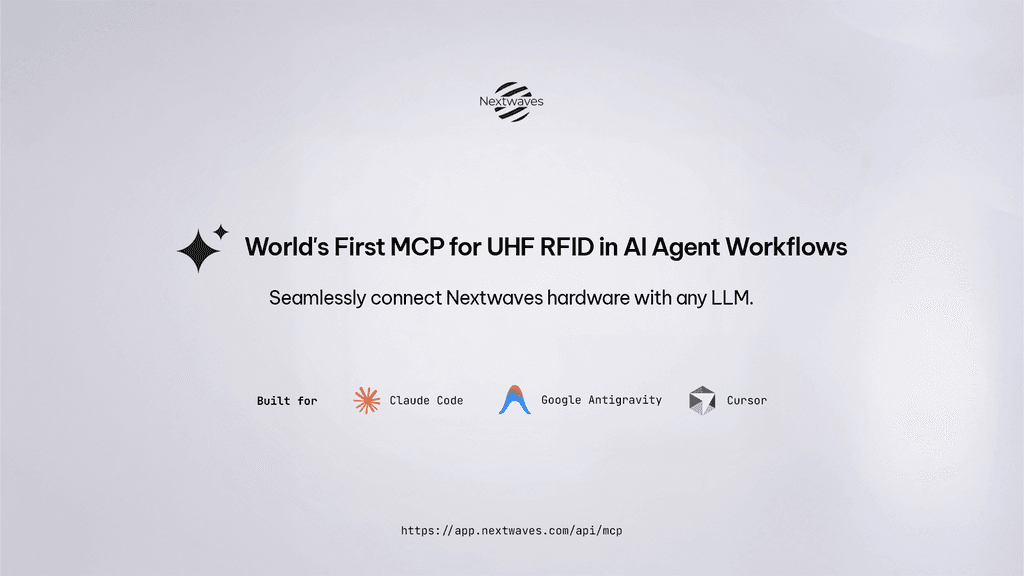
Nextwaves Industries introduces the first Model Context Protocol (MCP) for UHF RFID systems. This integration connects physical RFID hardware directly to large language models like Claude. Your logistics operations now interface with AI agents through standardized workflows.
Traditional RFID systems require custom code for every integration. Our MCP eliminates this barrier. You query inventory, track assets, and automate dispatch decisions through natural language commands. The hardware responds instantly.
This advancement transforms how you manage supply chain visibility. AI agents read tag data, execute business logic, and trigger actions across your warehouse systems. No middleware development needed.
Introduction: A New Era of AI-Native Logistics
Nextwaves Industries introduces the world's first Model Context Protocol (MCP) server for UHF RFID. This server connects specialized physical hardware with Large Language Models (LLMs). The MCP standard provides AI agents with unified access to tools and data sources.
Your AI agents now link Nextwaves hardware with Claude, GPT-4, or Gemini. These agents reason about and control physical assets in real-time. The server bridges the gap between RFID infrastructure and digital intelligence.
Key capabilities include:
- Direct interaction between LLMs and UHF RFID readers
- Real-time asset visibility through natural language queries
- Automated inventory management without custom integration code
- Compatibility with high-sensitivity UHF inlays and ruggedized readers
This MCP implementation removes traditional integration barriers. You deploy AI-driven logistics solutions faster. Your operations gain immediate hardware-to-AI connectivity through the endpoint at app.nextwaves.com/api/mcp.
What is MCP and Why Does it Matter for RFID?
Technical Deep Dive: The Nextwaves MCP Server
The Nextwaves MCP Server provides a standardized interface for AI agents to communicate with RFID hardware. You access the server at this endpoint:
Endpoint: https://app.nextwaves.com/api/mcp
The server uses streamable HTTP transport with JSON-RPC 2.0. This protocol enables real-time, bidirectional communication between your AI agents and physical RFID infrastructure. JSON-RPC 2.0 ensures consistent message formatting and reliable request-response handling across all connected systems.
Transport Specifications:
- Protocol: JSON-RPC 2.0
- Transport Layer: Streamable HTTP
- Communication: Real-time, bidirectional
- Format: JSON structured messages
The server operates in two distinct modes to accommodate different integration requirements:
Full Mode:
- Complete RFID toolset access
- UI library tools included
- Suitable for comprehensive deployments
- All hardware control functions enabled
SDK-Only Mode:
- Core RFID functionality
- Lightweight integration path
- Ideal for custom application development
- Reduced overhead for specialized workflows
Hardware integration connects directly to Nextwaves UHF components:
- High-sensitivity UHF inlays for accurate tag detection
- Ruggedized readers designed for industrial environments
- Support for multiple simultaneous reader connections
- Real-time tag event streaming to connected agents
You configure the operating mode during initialization. The MCP server handles protocol translation between your AI agent and the RFID hardware layer. This abstraction eliminates the need for custom driver development or protocol implementation on your side.
Integration Requirements:
- MCP-compatible AI agent (Claude, GPT-4, Gemini)
- Network access to app.nextwaves.com
- Valid Nextwaves API credentials
- Connected Nextwaves RFID hardware
The architecture separates concerns between hardware control and agent logic. Your AI agent sends high-level commands through the MCP interface. The server translates these into specific hardware instructions and returns structured data responses.
Integration in Action: Claude Code and Antigravity
The MCP server at app.nextwaves.com/api/mcp connects AI development environments directly to UHF RFID hardware. Platforms like Claude Code and Antigravity execute commands through this interface.
Claude Code operates as an AI-powered development environment. Developers write prompts in natural language. The AI interprets instructions and performs actions across codebases and external systems. Nextwaves MCP integration enables Claude Code to read tag data, configure readers, and trigger inventory updates.
Antigravity provides an AI agent orchestration platform. Teams deploy autonomous agents for complex workflows. These agents connect to data sources and execute multi-step processes. The Nextwaves MCP extends Antigravity agents to physical RFID infrastructure.
A hypothetical workflow demonstrates this integration:
- A logistics manager notices a discrepancy in shipment records and prompts Claude Code to investigate.
- The AI agent queries the Nextwaves MCP to read tags from the dock door UHF reader.
- The response shows 47 tagged pallets present. The warehouse management system lists 52 pallets.
- Claude Code identifies the five missing items by EPC code.
- The agent cross-references dispatch records.
- Three pallets shipped last week without system updates. Two pallets moved to cold storage during a power outage.
- Claude Code updates the inventory database and flags the three unrecorded shipments for billing reconciliation.
- The dispatch management software receives corrected records.
- No human data entry required.
This workflow completes in seconds. Traditional methods require manual counts, spreadsheet cross-checks, and multiple system updates. The MCP approach eliminates delays and data entry errors.
Nextwaves MCP supports standard read and write operations for UHF readers. AI agents query inventory levels, locate specific assets, and update tag memory banks. The VTTM module logs all transactions for audit trails.
Transforming Supply Chain Modernization
Traditional RFID systems collect data passively. Operators query systems manually and interpret results. The Nextwaves MCP server changes this model.
AI agents now query RFID readers directly. Your AI assistant reads tag data, identifies anomalies, and triggers actions without human intervention. RFID becomes an active management system instead of a passive monitoring tool.
Nextwaves Industries leads this transformation in Logistics Technology. The company combines high-performance UHF RFID hardware with intelligent software protocols. Your operations gain end-to-end visibility and automated decision-making capabilities.
This integration delivers measurable results:
- AI agents access real-time inventory data instantly
- Automated alerts reduce response time to anomalies
- Integration with Claude, GPT-4, and Gemini works out of the box
- Physical hardware responds to digital commands seamlessly
Improve your operational efficiency with Nextwaves RFID solutions and explore the future of AI-agent workflows today.
Was this article helpful?
Related Articles
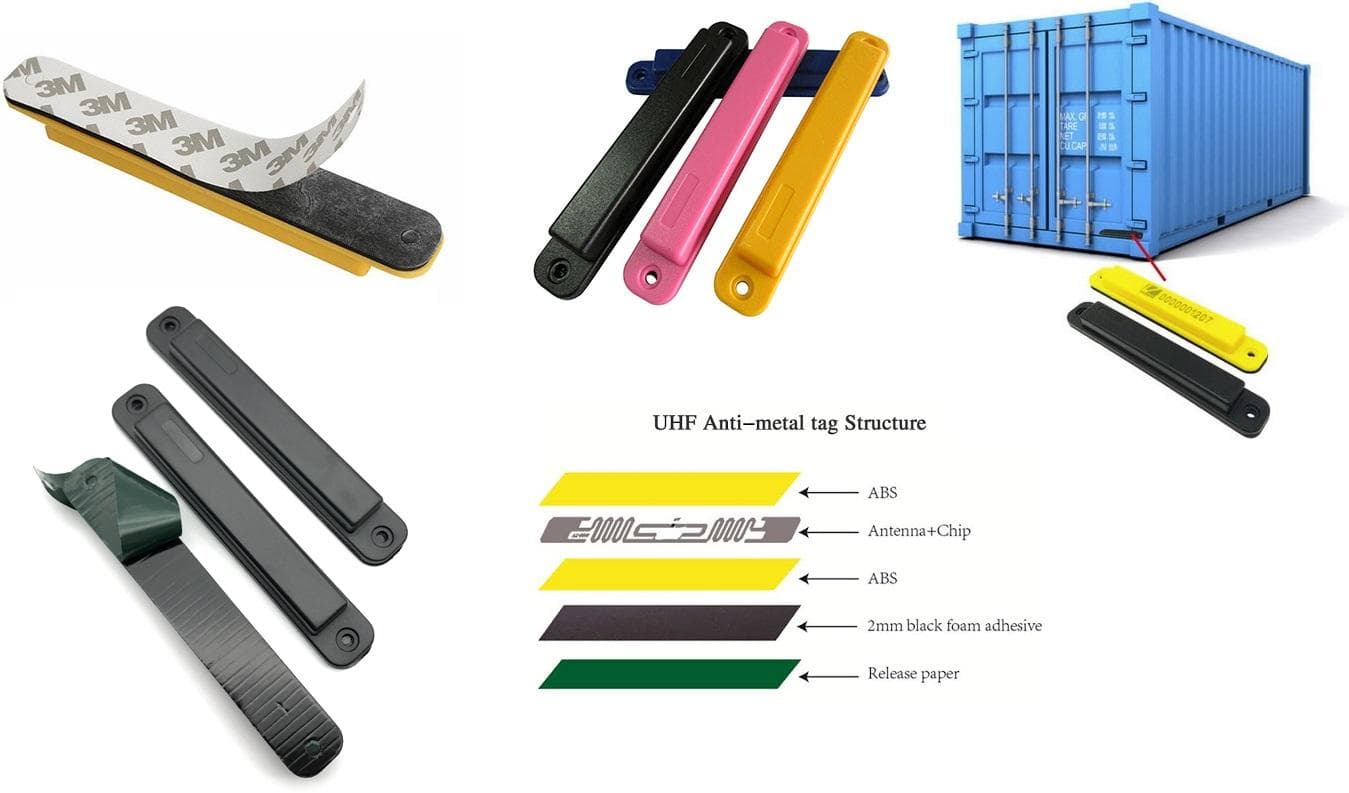
Maximizing Asset Visibility: The Ultimate Guide to Anti-Metal UHF RFID Tags
Mar 2, 2026
Mastering UHF RFID in Odoo: Hardware, Workflows, and Best Practices
Mar 2, 2026
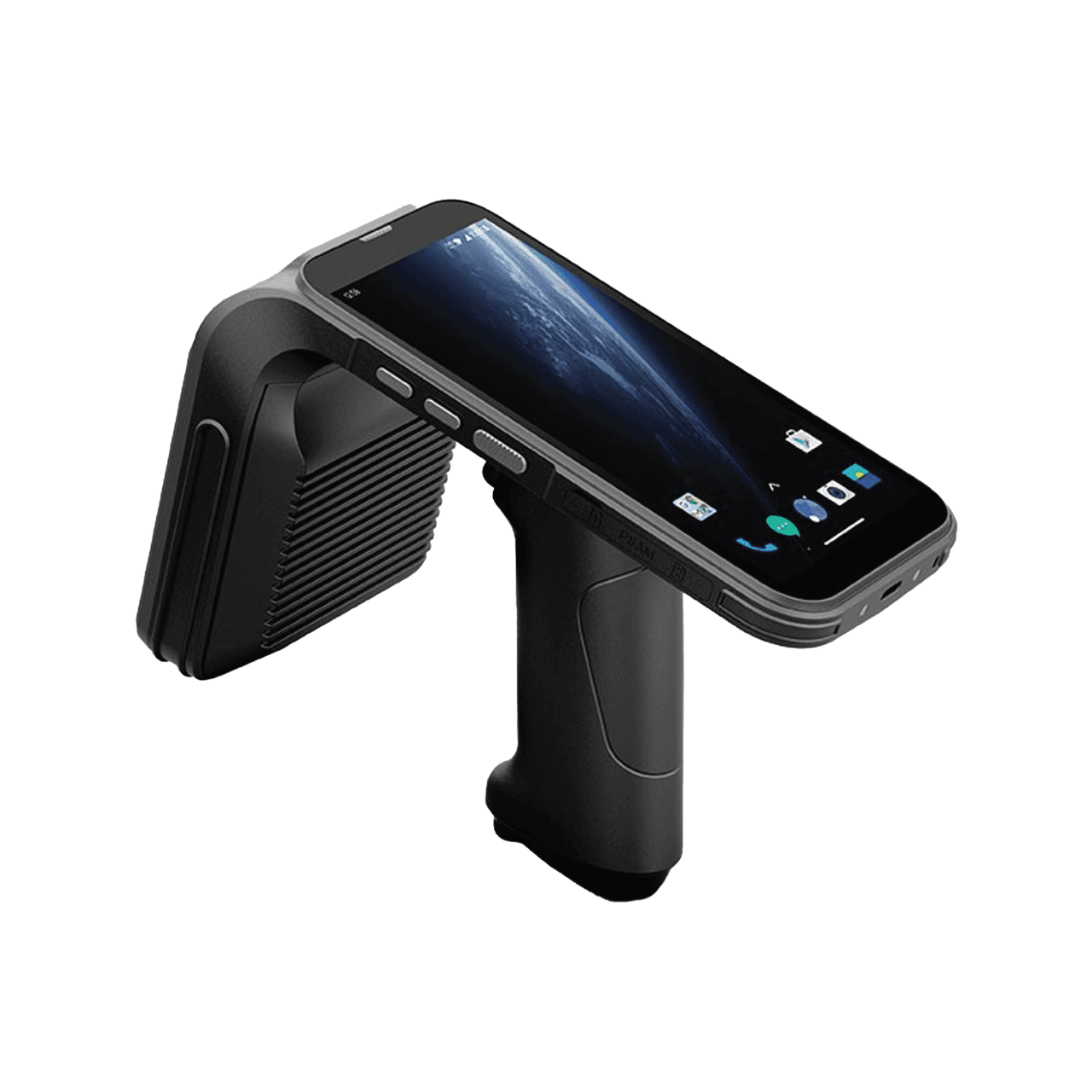
Chainway C72 Comprehensive Review: Specs, Pricing, and Top Alternatives
Mar 2, 2026
The Ultimate UWB Module Comparison: Prices, Specs, and Use Cases
Feb 23, 2026