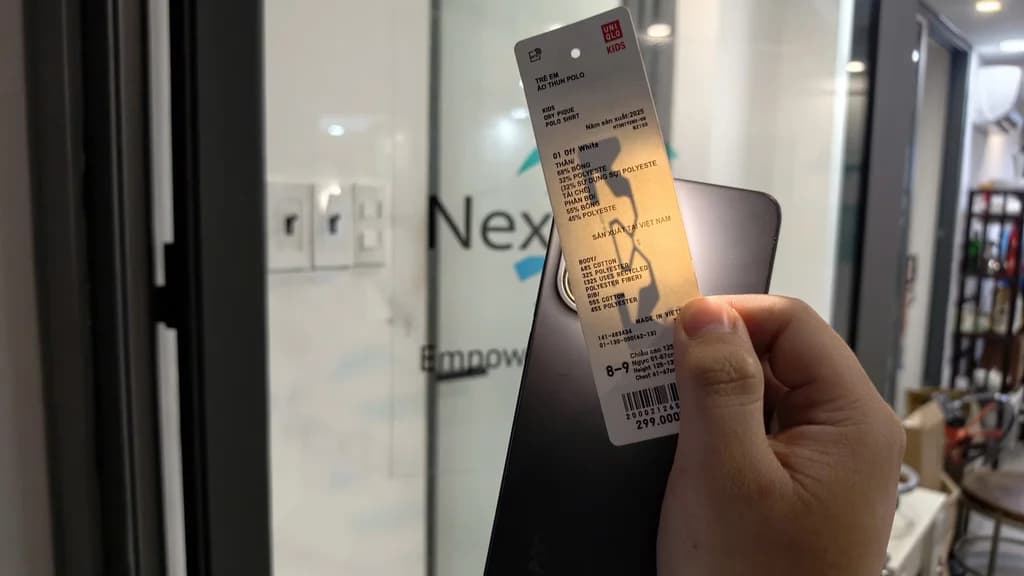
The Ultimate Touchless Payment Experience
You enter the self-checkout area at Uniqlo and witness an operating procedure completely different from other retail chains. Instead of waiting for staff to find the barcode on each layer of fabric, you place the entire shopping basket into a specialized machine compartment. The system immediately recognizes the full list of items, including sizes and colors. All manual barcode scanning disappears. Checkout time is reduced to a few seconds. Traditional checkout processes often encounter errors due to human error or optical scanners failing to read faded barcodes. Uniqlo solves this problem by using radio waves to read information in bulk.
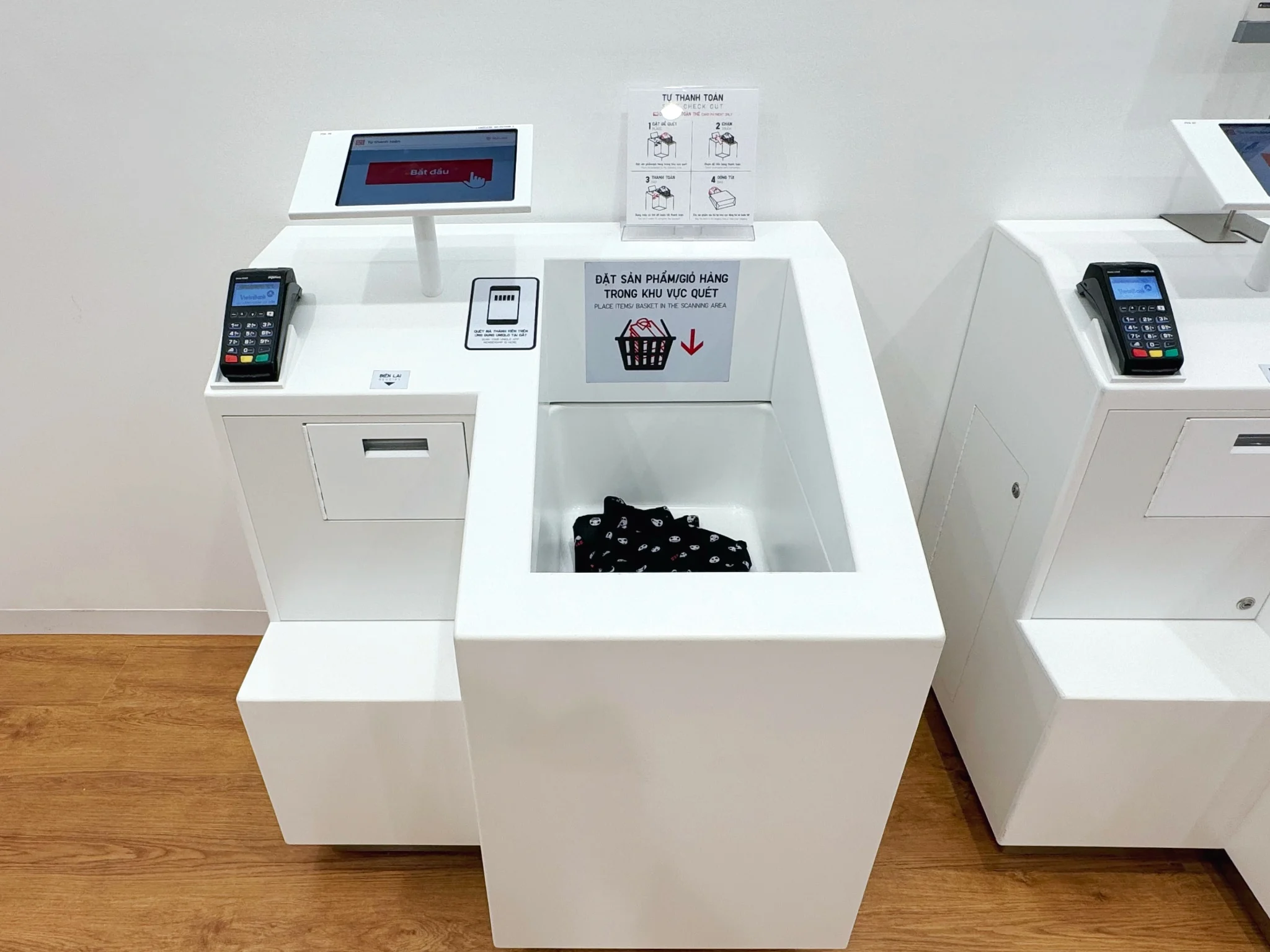
This process eliminates unnecessary steps and reduces reliance on cashier staff. Customers feel comfortable because they don't have to stand in long lines. Businesses achieve higher service efficiency during peak hours. Skipping the barcode alignment step makes the self-checkout machine user-friendly for all ages. You complete the transaction and leave without touching the product again. The system recognizes dozens of products simultaneously, helping the flow of shoppers move continuously. This creates a significant competitive advantage for Uniqlo in optimizing the in-store experience.
Technical Mechanism of Passive UHF RFID Chips
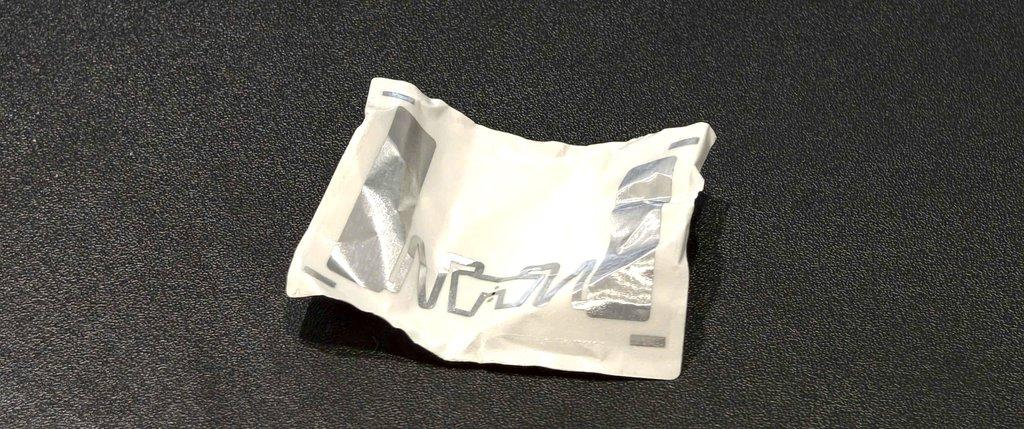
The product price tag at Uniqlo contains a thin circuit board with an integrated circuit called an RFID Inlay. This is a passive chip that does not use a battery. The chip receives energy from radio waves emitted by the reader in the checkout machine. When you place the shopping basket into the machine, radio waves activate the antenna on the tag and create a small induced current. This current powers the integrated circuit to respond with a unique identifier code. UHF radio waves in the 860 to 960 MHz frequency range can penetrate many layers of materials such as fabric, paper, and plastic. The reader receives signals from all locations in the shopping basket without direct contact.
The system uses a signal anti-collision algorithm to distinguish hundreds of chips in a confined space. This algorithm allows the reader to communicate with each tag in extremely fast order that you cannot perceive. The partition of the checkout machine acts as a wave-blocking cage to localize the signal inside the machine compartment. This design prevents the reader from accidentally picking up signals from customers' products standing nearby. The system creates a separate and absolutely accurate identification environment for each transaction. The coordination between wave-blocking hardware and high-speed communication protocols helps the machine process large quantities of goods simultaneously. You receive instant counting results on the display screen as soon as you put the basket down.
Value from the Unique EPC Identifier Code
A regular barcode identifies by product type, so ten shirts of the same model will have the exact same code. The RFID chip uses the EPC code to accurately identify each individual product. Two shirts of the same size and color will have two completely different codes. This allows Uniqlo to accurately track the journey of each item from the factory to the user. The system knows exactly where the shirt you are holding was produced and when it was received into the warehouse. This traceability helps prevent counterfeiting and manage product quality more effectively. Data encoded according to the global GS1 standard helps the system be compatible with all warehouses in the world.
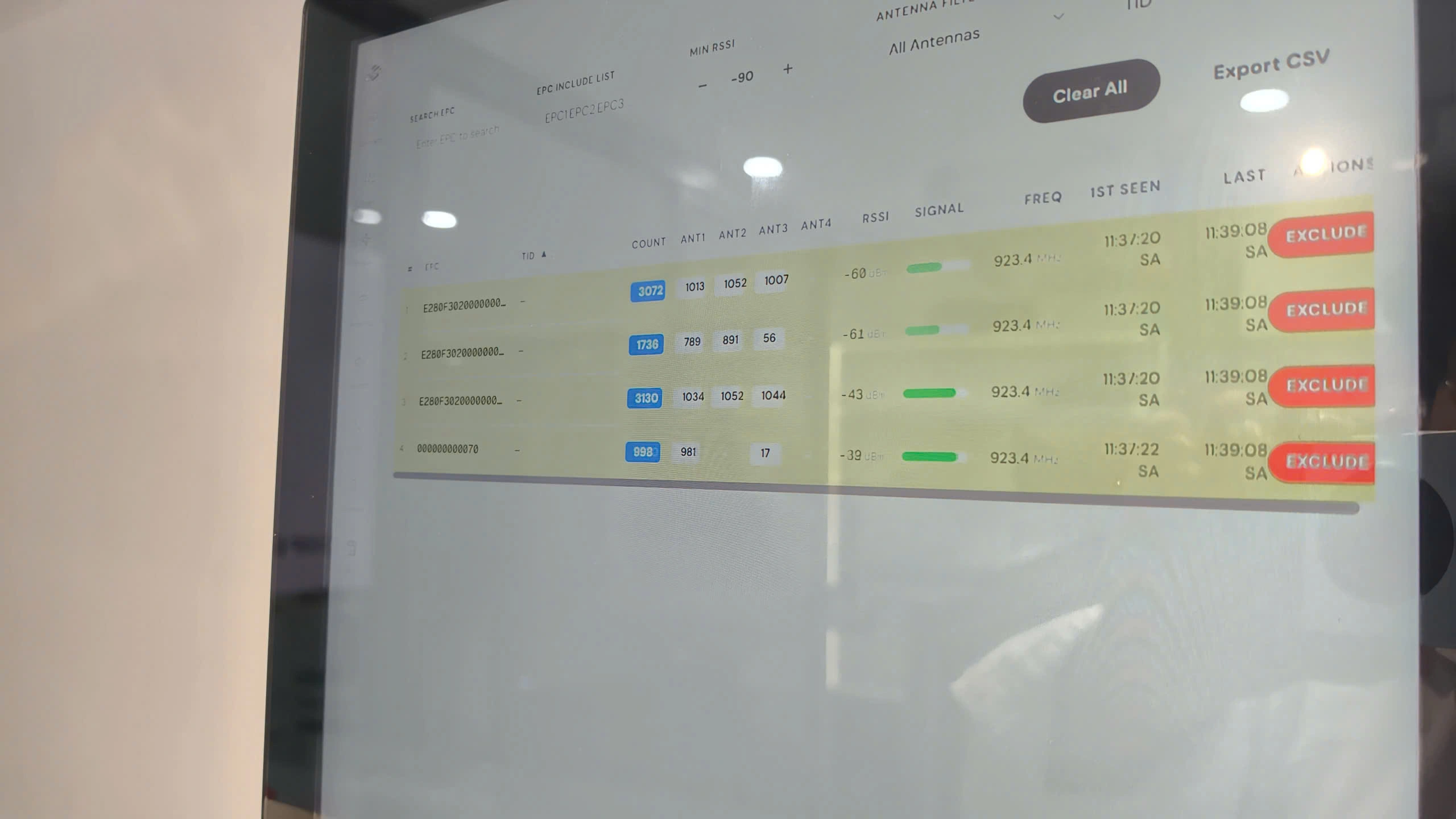
The EPC code provides detailed data on the lifespan of goods on the shelf. The business knows which items have been in one location for too long to make timely relocation or discount decisions. This data helps optimize display space in the store. Employees do not have to guess about the condition of the goods. All information is clearly displayed on the central management system. The unique identification capability turns each product into a living data point in the supply chain. Managing each individual helps the company minimize errors when checking shipments with thousands of variations in color and size. You will always receive accurate information about the origin of the item you have chosen.
Digitization and Optimization of Warehouse Management
The benefit of RFID lies in its ability to inventory warehouses at a superior speed. Warehouse staff use handheld readers to scan through boxes that are still sealed to count the products inside. Radio waves penetrate the cardboard box, helping to accurately count the quantity and color in just a few seconds. Inventory time is reduced from many hours to just a few minutes. Inventory accuracy increases to over 99%. Uniqlo completely eliminates the situation of inventory discrepancies or false reports on the shopping app. You can always find the right item you need when looking up store information online. Data transparency helps reduce the burden of manual inventory for employees.
The system automatically notifies when a model is about to run out on the display shelf. Staff replenish goods in a timely manner so as not to miss sales opportunities. Real-time data synchronization helps businesses coordinate goods between branches flexibly. The flow of goods becomes more transparent and efficient. Businesses reduce the amount of inventory and avoid wasting operating resources. Every link in the supply chain operates based on practical data instead of subjective predictions. RFID helps Uniqlo tightly control goods from the time they leave the factory until they pass through the security gate at the store. This minimizes the loss of goods due to confusion or theft.
Data Strategy and Long-Term Investment Efficiency
Each RFID tag costs about 1,000 VND to 1,200 VND, and multiplied by the billions of products sold each year, this creates a large expense. Uniqlo accepts this expense in exchange for detailed sales data. Information from each transaction helps the company know the exact consumer trends of customers. The company adjusts its production plans based on the actual consumption rate of each model. This helps reduce excess inventory and protect the environment by limiting overproduction. The RFID chip is the most effective customer behavior data collection tool available today. Businesses grasp market fluctuations on a daily basis instead of quarterly.
The investment in RFID helps Uniqlo transform the role of employees from scanning codes to supporting customers. Human resources are used for higher-value jobs instead of performing repetitive tasks. Revenue increases due to fast checkout speeds and goods always being available on the shelves. The product lifecycle is tightly managed, helping to optimize profits per square meter of store space. This tiny chip plays a core role in the data-driven business model of the Fast Retailing group. Integrating RFID into the entire system helps the company react quickly to changes in the global supply chain. You receive convenience, while the business achieves streamlining and unlimited scalability.
Was this article helpful?
Related Articles
Maximizing Asset Visibility: The Ultimate Guide to Anti-Metal UHF RFID Tags
Mar 2, 2026
Mastering UHF RFID in Odoo: Hardware, Workflows, and Best Practices
Mar 2, 2026
Chainway C72 Comprehensive Review: Specs, Pricing, and Top Alternatives
Mar 2, 2026
The Ultimate UWB Module Comparison: Prices, Specs, and Use Cases
Feb 23, 2026