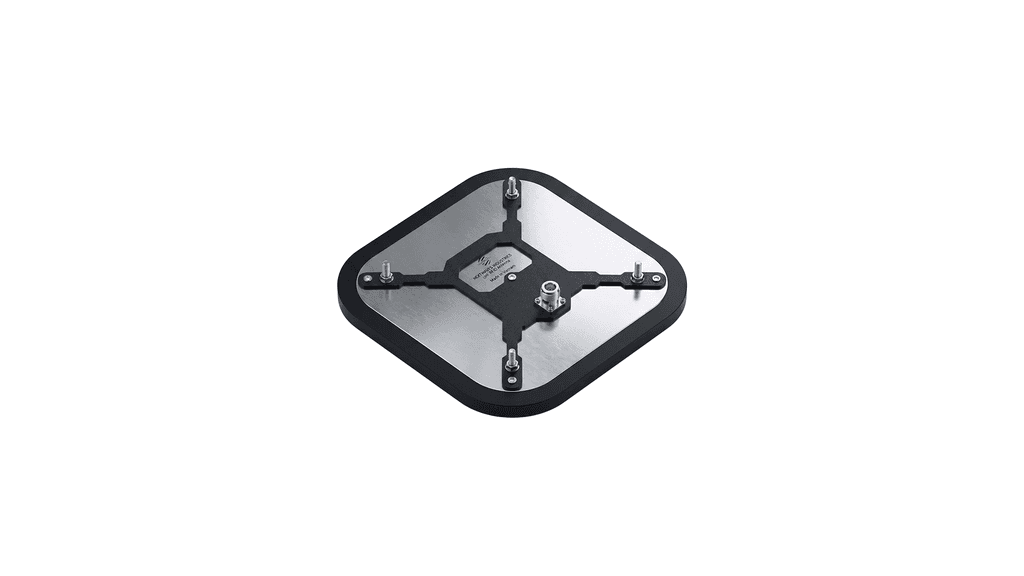
Selecting the right UHF RFID antenna determines your system's read rate and reliability. The wrong choice leads to missed tags, wasted investment, and operational delays.
Three factors drive antenna performance: polarization type, gain level, and environmental durability. Linear polarization suits fixed tag orientations. Circular polarization handles variable tag angles. Higher gain extends read range but narrows the beam. IP ratings protect against dust and moisture in industrial settings.
This guide helps you match antenna specifications to your application requirements. You will compare linear versus circular polarization, understand gain tradeoffs, and select the right IP rating for manufacturing, logistics, and retail environments.
Introduction: The Critical Role of Antenna Selection
Polarization Decoded: Linear vs. Circular
Linear polarization focuses radio frequency energy in a single geometric plane. This concentrated energy delivery extends read range significantly. You must align tags with the antenna plane for successful reads. Misalignment causes read failures. Linear antennas achieve greater read distances than circular equivalents in optimal conditions.
Linear Polarization Applications:
- Conveyor systems with fixed tag placement
- Automated production lines
- Sortation equipment
- High-speed manufacturing environments
Circular polarization radiates energy in a rotating corkscrew pattern. This rotation enables communication with tags regardless of orientation. Your warehouse staff place tags without concern for alignment. The antenna splits energy across multiple planes, reducing maximum read range by approximately 3 dB compared to linear antennas.
Circular Polarization Applications:
- Warehouse inventory tracking
- Retail floor management
- Shipping and receiving docks
- Mobile RFID readers
Selection Criteria:
- Choose linear polarization when you control tag orientation and need maximum range
- Choose circular polarization when tag orientation varies or remains unknown
Nextwaves Industries supplies both polarization types across our UHF RFID antenna portfolio. Your application requirements determine the correct choice.
Gain and Beamwidth: Balancing Reach and Coverage
Gain and beamwidth share an inverse relationship. As gain increases, beamwidth narrows. This principle determines your read zone geometry and affects every RFID deployment decision.
High Gain RFID Antenna Applications
High gain antennas focus energy into a narrow beam. This concentrated signal reaches tags at greater distances. You achieve longer read ranges but sacrifice coverage width.
- High-rack warehouses: Narrow beams target specific shelf levels without reading adjacent aisles. A 12 dBi antenna reads tags at 15+ meters but covers only a 30-degree arc.
- Dock doors: Focused beams penetrate deep into truck trailers. The narrow field prevents accidental reads from nearby traffic or adjacent bays.
- Conveyor systems: Concentrated beams track items moving through a defined checkpoint with high accuracy.
The trade-off remains clear. Higher gain extends range but reduces the coverage footprint. You must position these antennas with precision.
Wide Beamwidth Applications
Lower gain antennas distribute energy across a broader angle. You gain coverage area at the expense of maximum range. These antennas suit environments where tags cluster within a defined zone.
- Receiving areas: Wide beams read multiple items on a pallet simultaneously without requiring precise positioning. A 6 dBi antenna with a 70-degree beamwidth covers the entire receiving zone.
- Smart shelves: Broad coverage reads all items on a shelf unit. The shorter range poses no issue in confined spaces.
- Door portals: Wide beams capture tags regardless of their orientation or position as they pass through.
Antenna Positioning and Tilt Optimization
High-gain antennas require careful aiming. Adjust the tilt angle to focus the main lobe at your target distance. A downward tilt positions the strongest signal at floor level for dock door applications. An upward tilt targets upper rack positions in warehouse deployments. Small angle adjustments shift the read zone significantly. Test different angles to find the optimal coverage pattern for your facility.
Nextwaves Industries offers UHF RFID antennas across the full gain spectrum. Match your antenna selection to your specific read range and coverage requirements.
Environmental Ratings: Durability for Industrial Realities
Practical Application Scenarios
Selecting the right antenna configuration depends on your specific operational environment. Nextwaves Industries deploys distinct antenna specifications across three common scenarios.
Warehouse Dock Doors
Dock doors present unique challenges. Pallets arrive with tags oriented at unpredictable angles. Forklift operators move quickly. Outdoor exposure introduces moisture and dust.
- Use circular polarization to capture tags regardless of orientation.
- Select medium gain (6-8 dBiC) for balanced read range and coverage width.
- Require IP67 rated enclosures to withstand rain, washdowns, and temperature fluctuations.
Nextwaves installs IP67-rated circular antennas at distribution centers to maintain consistent read rates during inbound and outbound operations.
Manufacturing Conveyor
Conveyor systems demand precision. Items pass at high speeds. Tag orientation remains consistent. You need focused read zones to prevent cross-reads from adjacent lanes.
- Choose linear polarization for maximum read range when tag orientation is known.
- Deploy high gain antennas (8-12 dBiL) to achieve the necessary read distance.
- Position antennas to create narrow, focused beams along the conveyor path.
Linear antennas from Nextwaves enable automotive manufacturers to track parts moving at 200 feet per minute with 99.5% read accuracy.
Retail Inventory
Retail environments contain dense tag populations. Items hang on racks, sit on shelves, and stack in back rooms. You need wide coverage to scan hundreds of items quickly.
- Apply circular polarization to read tags at various angles on clothing and merchandise.
- Select antennas with wide beamwidth (70-90 degrees) for overhead or handheld scanning.
- Use moderate gain (5-6 dBiC) to balance range with coverage area.
Nextwaves RFID solutions help retailers complete inventory counts in 20% of the time required for manual processes.
Conclusion and Nextwaves Solutions
Review this checklist when selecting your UHF RFID antenna:
- Match polarization to tag orientation. Linear antennas suit fixed-orientation tags. Circular antennas handle variable or unknown tag orientations.
- Balance gain with beamwidth requirements. Higher gain narrows coverage. Lower gain widens the read zone. Choose based on your read range and area needs.
- Verify environmental ratings. Check IP ratings for dust and water resistance. Confirm operating temperature ranges match your facility conditions.
Nextwaves Industries supplies high-performance UHF RFID antennas designed for manufacturing, logistics, and retail environments. Our hardware integrates with the VTTM software suite to deliver complete visibility across your supply chain.
Our team helps you configure antenna specifications for your application. We assess read zones, tag types, and environmental factors to recommend the right hardware.
Contact Nextwaves Industries today. Speak with our RFID specialists to design your hardware configuration and improve your operational efficiency.
Was this article helpful?
Related Articles
Maximizing Asset Visibility: The Ultimate Guide to Anti-Metal UHF RFID Tags
Mar 2, 2026
Mastering UHF RFID in Odoo: Hardware, Workflows, and Best Practices
Mar 2, 2026
Chainway C72 Comprehensive Review: Specs, Pricing, and Top Alternatives
Mar 2, 2026
The Ultimate UWB Module Comparison: Prices, Specs, and Use Cases
Feb 23, 2026