Hromadění a ztráta aktiv
Protože personál nemůže najít vybavení, hromadí ho ve skříních a zavěšených stropech. Nemocnice končí nákupem 130 % potřebné flotily, přesto využití zůstává pod 40 %. Miliony dolarů leží ladem.
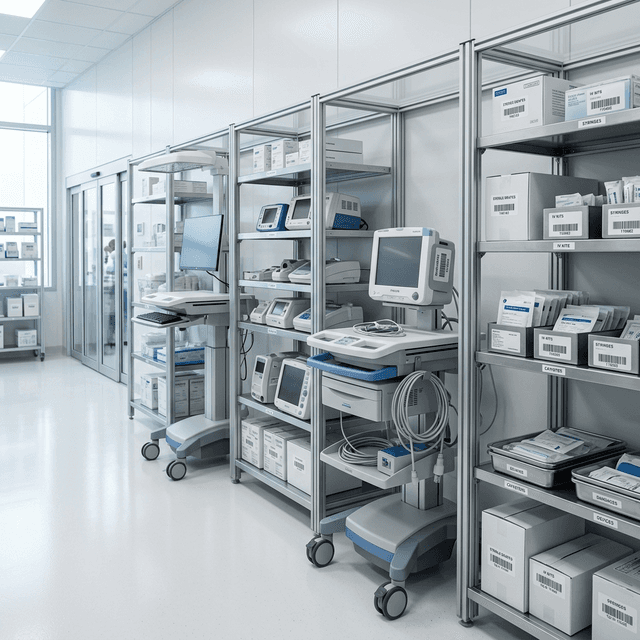

Nemocnice jsou složité, chaotické prostředí, kde rozhodnutí v otázkách života a smrti závisí na logistice. Přesto průměrná sestra stráví 1 hodinu na směnu – 12 % svého času – hledáním vybavení. Hledá infuzní pumpy, vozíky, telemetrické balíčky a odsávací zařízení/odsávačky ran. Jde o „Hunt and Gather“ medicínu.
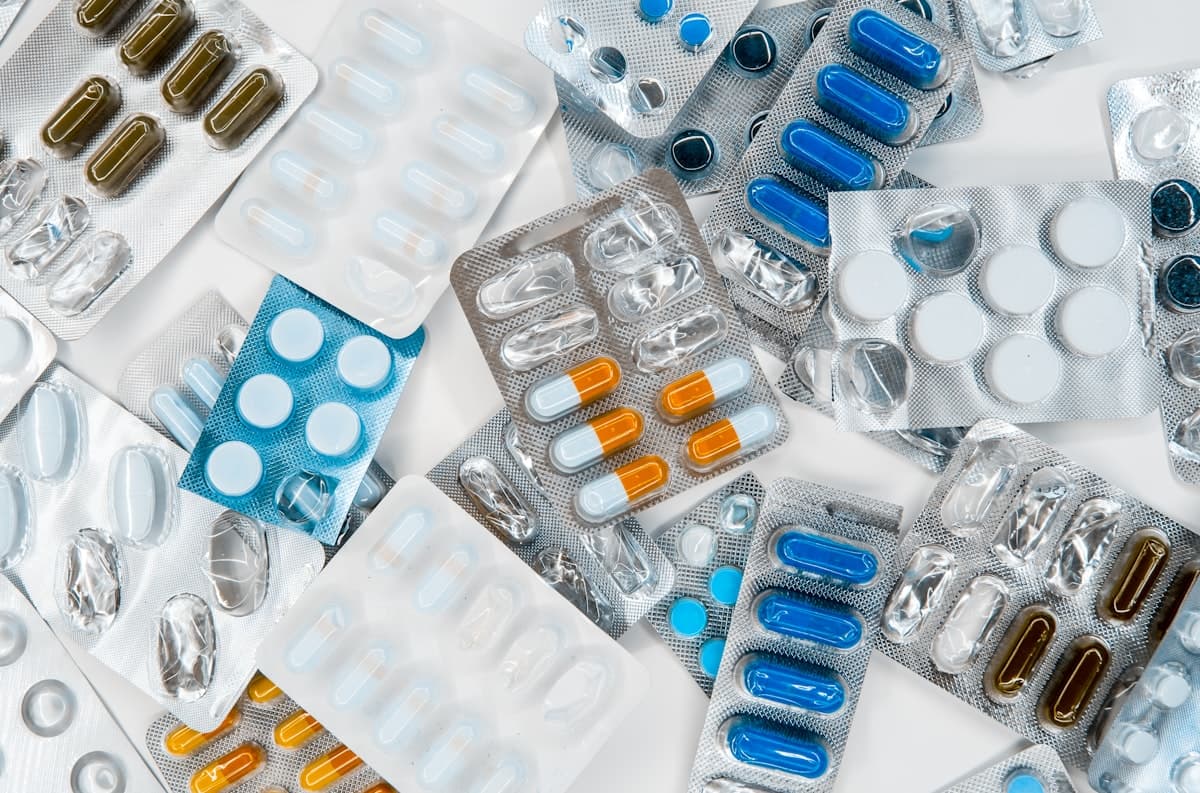
Kromě samotných aktiv je i řízení léčiv zatíženo rizikem. Ruční sledování vozíků pro akutní péči a tácků s léky vede k tomu, že se do oběhu dostanou prošlé léky. Jedno přehlédnutí může vést k Sentinel Event.
Navíc je tok pacientů nejasný a neprůhledný. Úzká místa na ER nebo OR snižují kapacitu a spokojenost pacientů. Bez dat nemohou administrátoři optimalizovat personální plánování ani střídání lůžek.
Protože personál nemůže najít vybavení, hromadí ho ve skříních a zavěšených stropech. Nemocnice končí nákupem 130 % potřebné flotily, přesto využití zůstává pod 40 %. Miliony dolarů leží ladem.
Manuální doplňování resuscitačních vozíků je náchylné k chybám. Přehlédnutá prošlá lahvička epinefrinu je odpovědnost. Zpronevěra léků je také rostoucí problém, kterému manuální záznamy nemohou zabránit.
Vědět, které vybavení přišlo do kontaktu s infekčním pacientem, je kritické. Bez digitálního trasování kontaktů musí nemocnice karanténovat aktiva plošně, což narušuje provoz.
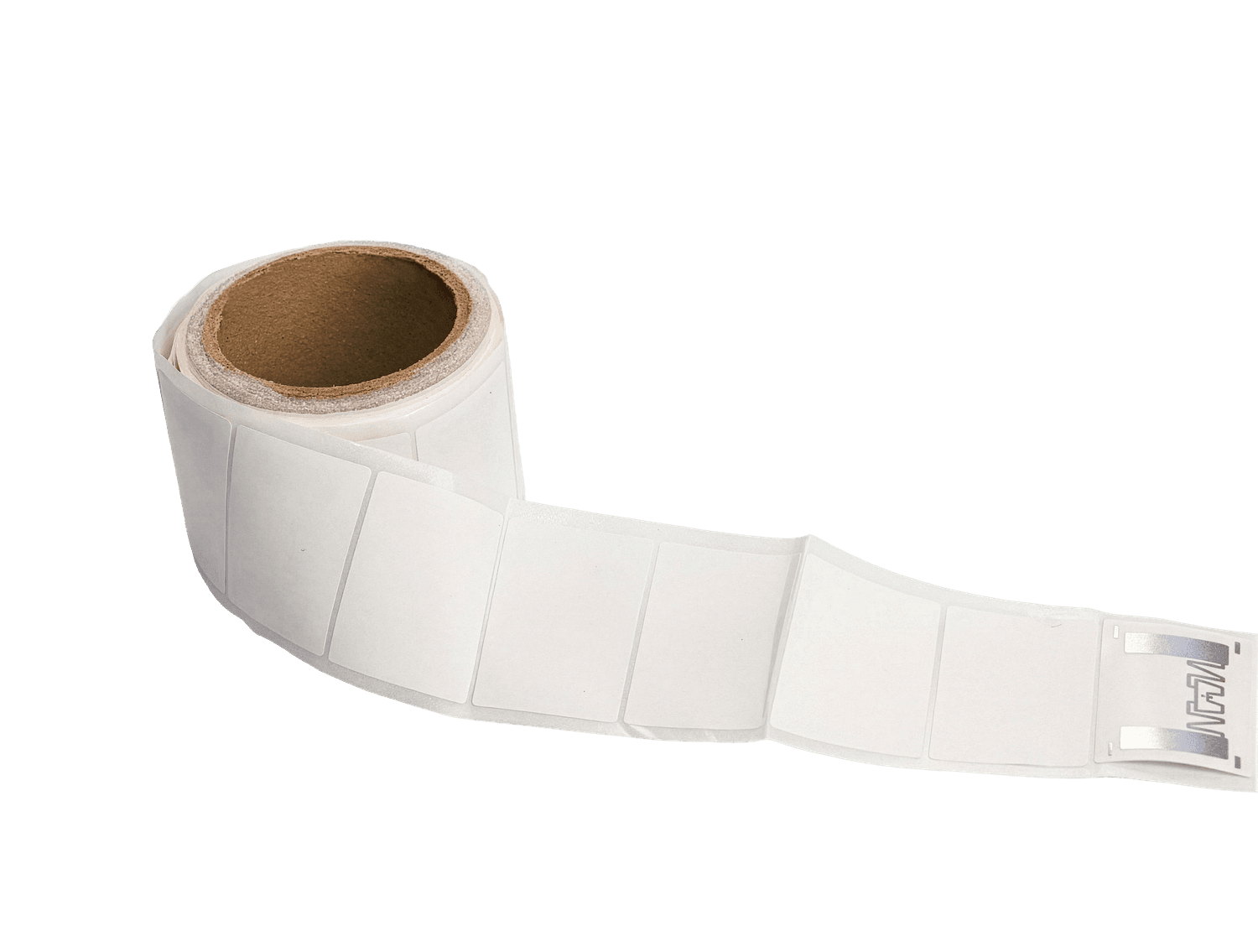
Nextwaves zavádí hybridní systém Real-Time Location System (RTLS). Pro vysokorychlostní spotřební materiál a nízkonákladová aktiva používáme pasivní UHF RFID (prádlo, dokumenty, léky) a pro vysoce hodnotné mobilní vybavení využíváme Active (BLE/Wi‑Fi) sledování.
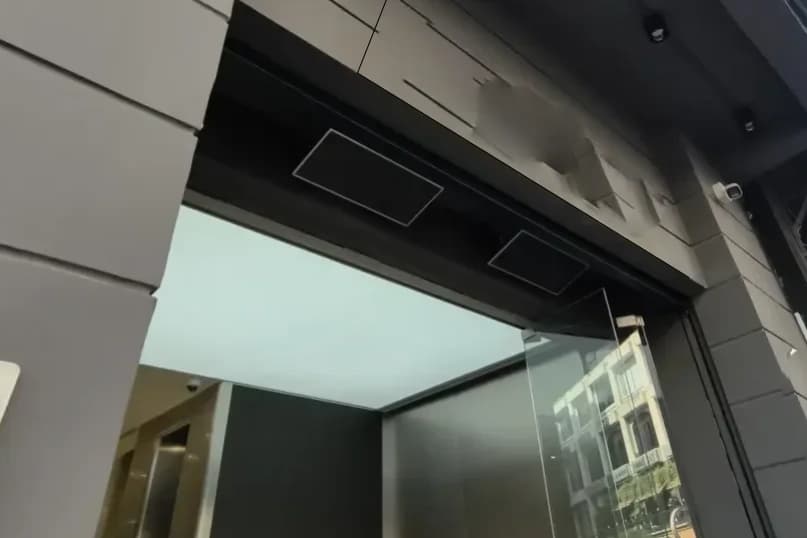
Naše „Smart Cabinets“ automaticky sledují každé odebrané léčivo/ampuli nebo vial a okamžitě aktualizují záznam pacienta i stav zásob. Pole na stropě sledují pohyb lůžek a pump v celém zařízení a zobrazují je na digitální mapě.
Tento systém vytváří „Chain of Custody“. Víme přesně, kdo lék vzal, pro kterého pacienta a kdy. Víme přesně, kde je infuzní pumpa a jestli byla vyčištěna od posledního použití.
Zabraňte kritickým nežádoucím událostem. Automatizované kontroly zajišťují správný lék, správnou dávku, správného pacienta.
Snižte velikost flotily o 20 %, přičemž zvýšíte dostupnost. Přestaňte kupovat pumpy, které nepotřebujete.
Vraťte sestrám jejich čas. Nechte je soustředit se na péči, ne na logistiku.
Automatizované záznamy pro The Joint Commission. Prokažte sterilitu a soulad s údržbou okamžitě.
Traumacentrum s 500 lůžky se potýkalo s propustností urgentního příjmu a chronickým nedostatkem IV pump. Sestry hlásily zpoždění v péči kvůli chybějícímu vybavení.
Zdravotnické RFID má vyšší laťku než retail. Nikdy se na tag nezapisuje jméno pacienta, diagnóza ani osobní identifikační údaje (PII). Tagy nesou pouze anonymní token – číslo, které samo o sobě nic neznamená, dokud k němu nemáte přístup k zabezpečenému backendu, který ho propojí se záznamem pacienta.
Tato databázová vrstva je šifrovaná, řízená přístupem a auditovaná. Klinici vidí pouze data, která jejich role umožňuje. Administrátoři vidí výkaz využití. Nikdo nevidí údaje pacientů přímo přes samotnou RFID vrstvu. Plně vyhovujeme HIPAA „by design“, ne pomocí obchvatu politik.
Data o poloze jsou jen začátek. Když máte nepřetržitý tok informací, kde se nachází každý majetek i pacient, začnou se objevovat vzorce. Pracujeme na modelech, které dokážou předpovědět úzká místa u vybavení 4–6 hodin předem, takže mají vrchní sestry čas přidělení upravit ještě dřív, než se ovlivní péče.
Co je na obzoru: lůžka, která automaticky hlásí změny hmotnosti pacienta a tlaku, inteligentní skříně, které přeuspořádají léky ještě před vyčerpáním, a plánování operačních sálů, které se v reálném čase přizpůsobuje skutečné poloze vybavení, nikoli domněnkám.
Chraňte notebooky a IT vybavení pomocí bezpečnostních RFID bran, anti-metal tagů a automatizovaných auditů.
Nechte technologii řešit hledání. Vy se soustřeďte na záchranu.