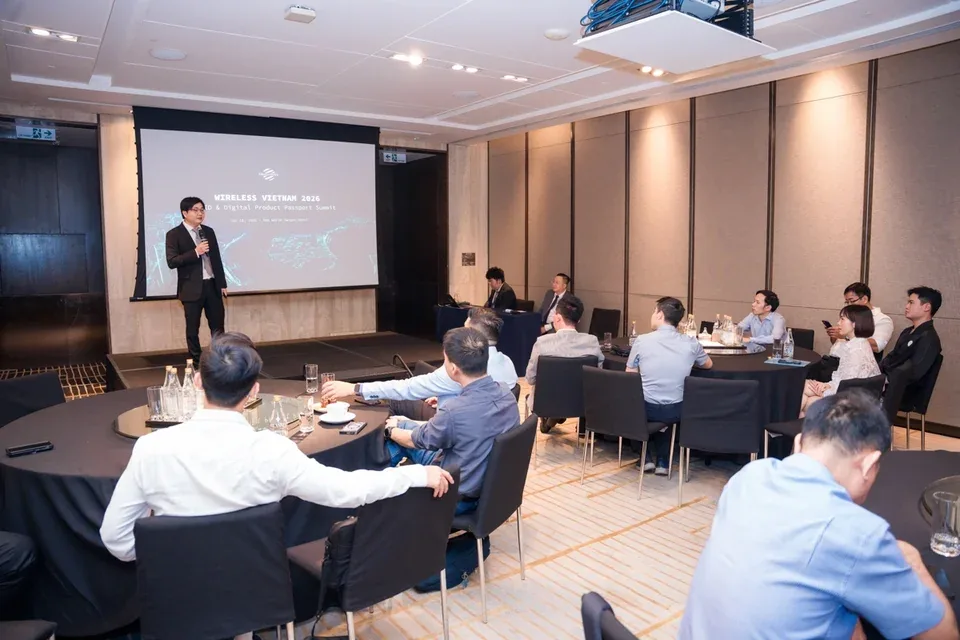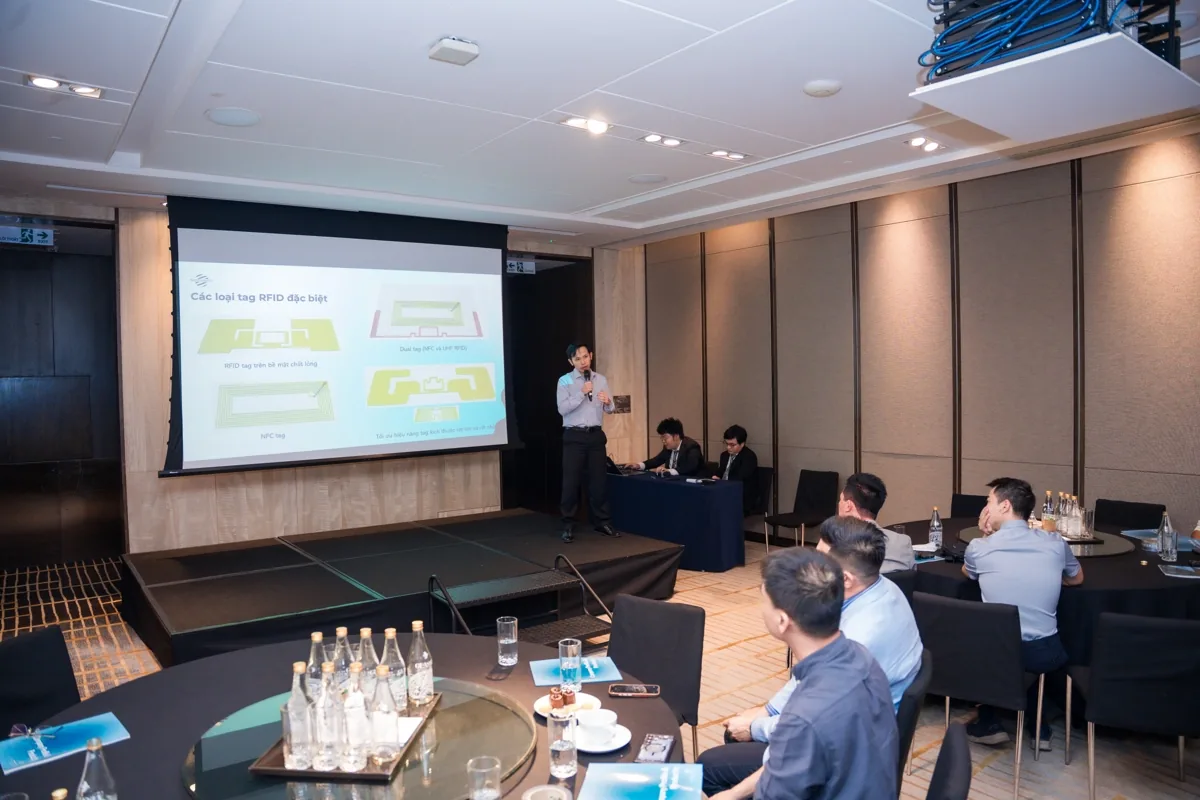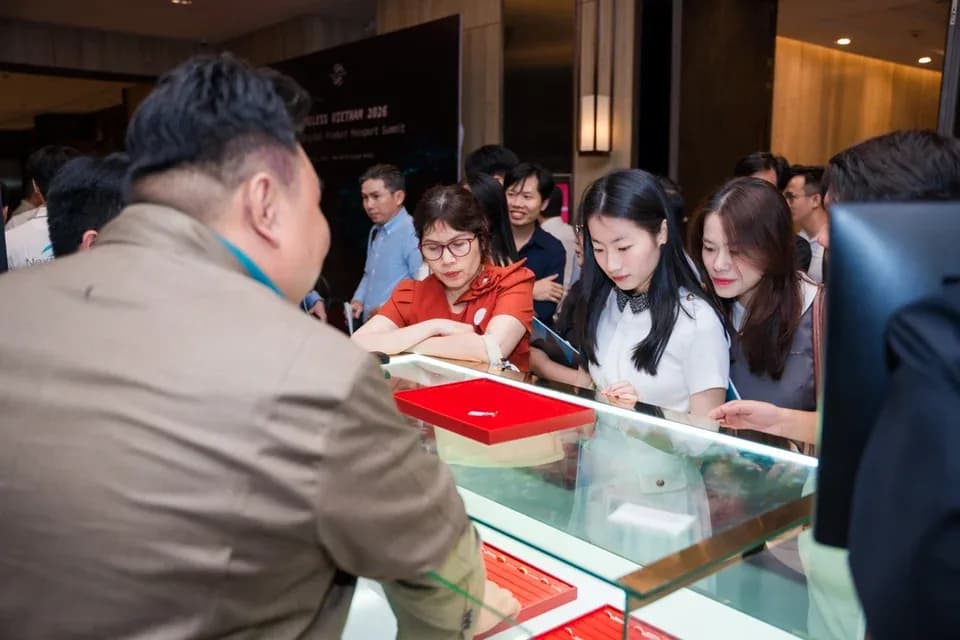
As the lights dimmed at Wireless Vietnam 2026, thousands of guests and tech experts left with more than just memories of new gadgets. Experts see this event as a bold, strategic move responding to two massive global trends reshaping the world economy. This wasn't just a product launch; it was a milestone marking the transformation of Vietnamese businesses from simple outsourcing factories to leaders in tech autonomy.
A Fateful Moment and a 5-Year Window of Opportunity
Opening the event, Nextwaves COO Nguyen Huu Quoc Khanh painted a picture of a global economy facing historic geopolitical shifts. We are looking at a rare chance as global supply chains restructure under the "China + 1" strategy. Multinational corporations are under pressure to diversify, urgently seeking new production hubs that are safe and sustainable. In this shifting landscape, Vietnam stands out as a bright spot at the heart of Southeast Asia's new economic map.
Alongside the physical move of factories is the quiet but powerful explosion of the Wireless era. The convergence of IoT, high-speed 5G, and RFID technology is freeing everything from physical cables. This revolution creates massive data flows, changing how we operate and manage assets much like the Internet changed communication in the 90s. The event's message was urgent: Vietnam has a very narrow window of about 5 years. This is the golden time to transform. If we don't master core technology and production now, we risk staying stuck in the middle-income trap as low-value factories for the world.
From Pharmaceutical Warehouse Struggles to a New Ecosystem
Few know that behind the glamour of Wireless Vietnam 2026 was a challenging journey for the Nextwaves founders. Starting in September 2023, the company first focused on high-tech products like 4G/5G antennas. The real turning point came in June 2024 when they faced a tough real-world problem: managing a pharmaceutical warehouse with 10 million units per month. Even with QR codes, the business struggled with manual inventory that was slow and prone to errors, leading to constant backlogs on e-commerce platforms.
The pressure to solve this with RFID led the R&D team-led by Dr. Nguyen Trong Nghia, who left a teaching career in Australia to return home-to realize they could master the entire RFID system in Vietnam. By decoding the technology and mastering the design of readers and antennas, Nextwaves shifted from a solution integrator to a true original equipment manufacturer.
The Nextwaves Hyperion Ecosystem: Where Hardware Meets AI
In an inspiring talk, Thanh Binh, Strategy Director at Nextwaves, pointed out the biggest barrier in the industry over the last decade: fragmented tech where hardware and software don't talk to each other. He argued that hardware is just the body; software is the soul that brings life and business value to the system.
To break that fragmentation, Nextwaves launched the Hyperion Flex SDK to help the developer community. Instead of struggling for weeks with manual drivers, the Flex SDK uses the WebSerial API to connect devices directly to web browsers. With a "write once, run everywhere" philosophy, Nextwaves cut integration time down to a few hours, letting engineers focus on business logic instead of messy connection issues.
Alongside development tools is the Hyper Cloud & AI platform, aimed at making warehouse management tech accessible to everyone. Nextwaves removed financial barriers with a SaaS model, helping small businesses access the same management power as giants without expensive servers. A key highlight is its backward compatibility, allowing businesses to reuse old equipment from other brands instead of being forced to buy all new hardware.
The core value of the software lies in the Hyper Cloud AI, which acts like a 24/7 virtual auditor. This AI scans real-time data to spot serious issues like "ghost assets"-items on the books that aren't actually in the warehouse. The system also tracks misplaced items, analyzes unusual movement patterns, and triggers security alarms to prevent loss before it happens.
Hardware Power and Retail Security Solutions
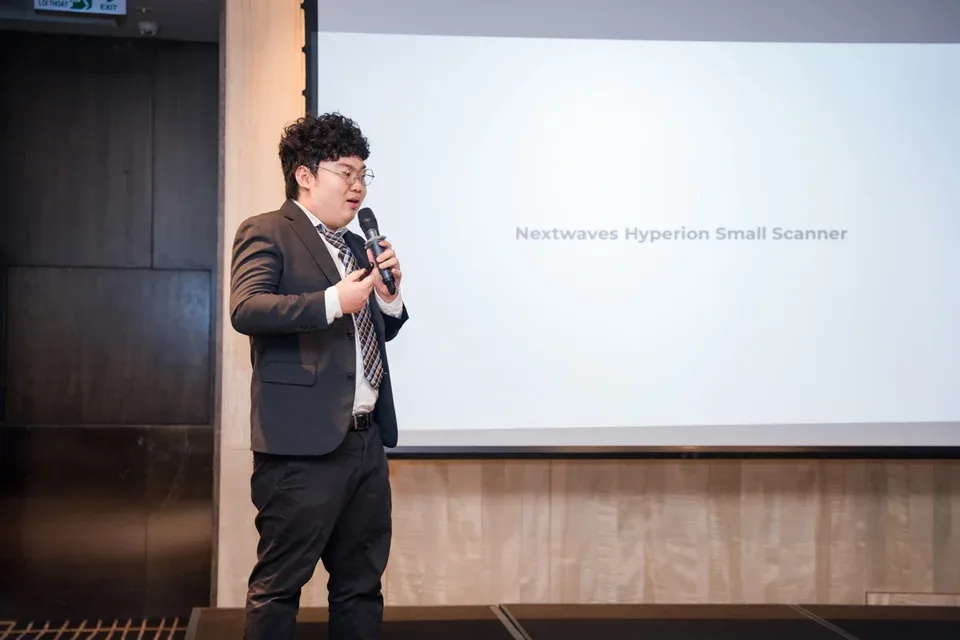
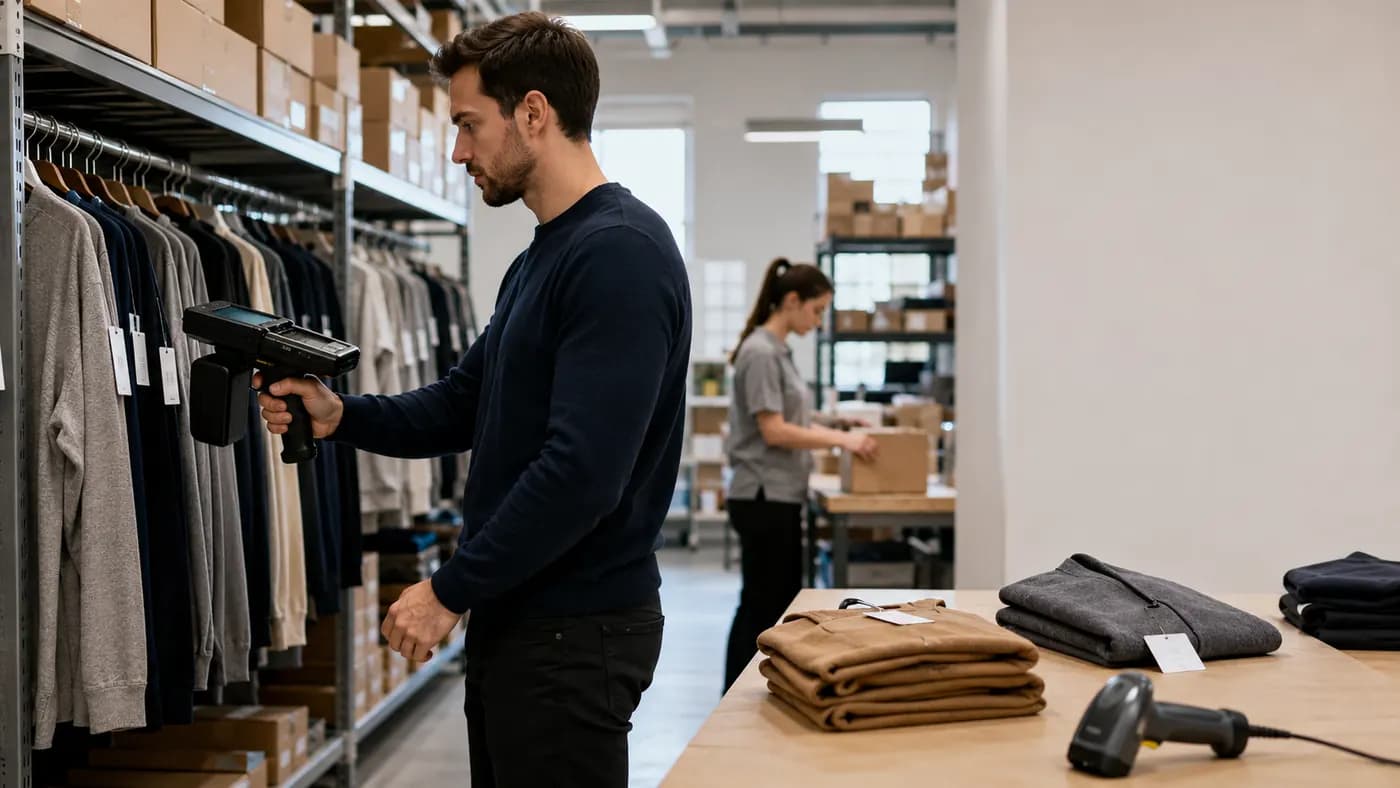
On the hardware side, the Hyperion product line impressed with industrial-grade specs. Notably, the Hyperion Handheld Scanner solves the problem of radio "dead zones." While most devices on the market have limited antenna gain, Nextwaves uses high-power antennas and strong chips. This upgrade allows the device to read through thick obstacles from a distance, helping staff take accurate inventory without moving around too much. It's also built to last with water and dust resistance and a long-lasting battery for full shifts.
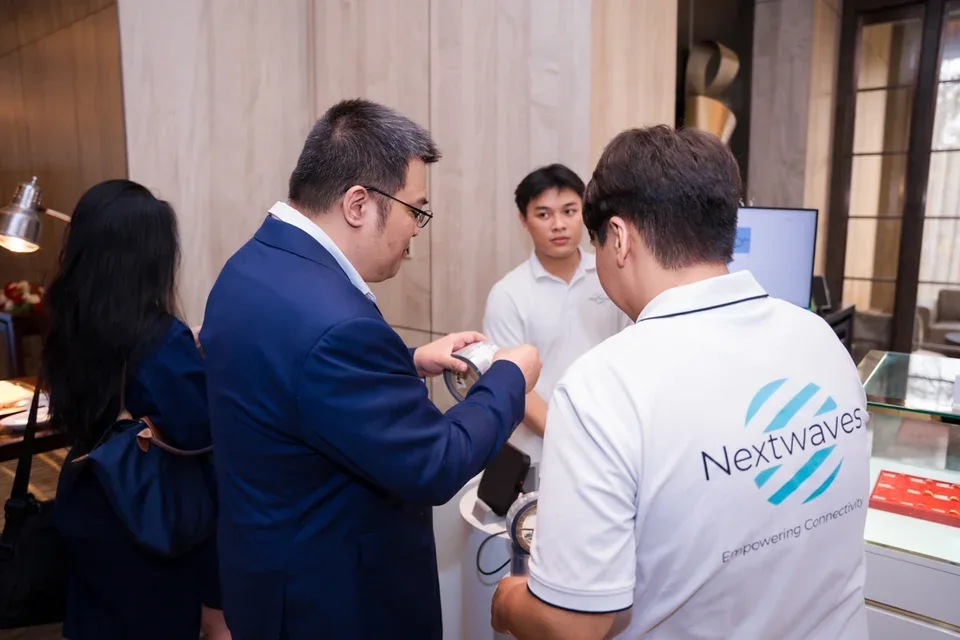
Following the philosophy of lean efficiency, Nextwaves brings an exciting surprise with the Hyperion Compact Reader series. Breaking the stereotype that industrial gear must be bulky, this reader is as small as a business card box, blending perfectly into any interior. The breakthrough lies in True Near-Field technology, creating a precise 10cm magnetic field. This feature completely solves signal interference between adjacent fitting rooms and turns standard mirrors into smart tools. It also allows for exact control at every stage of dense electronic component production lines without worrying about signals jumping to other tags.
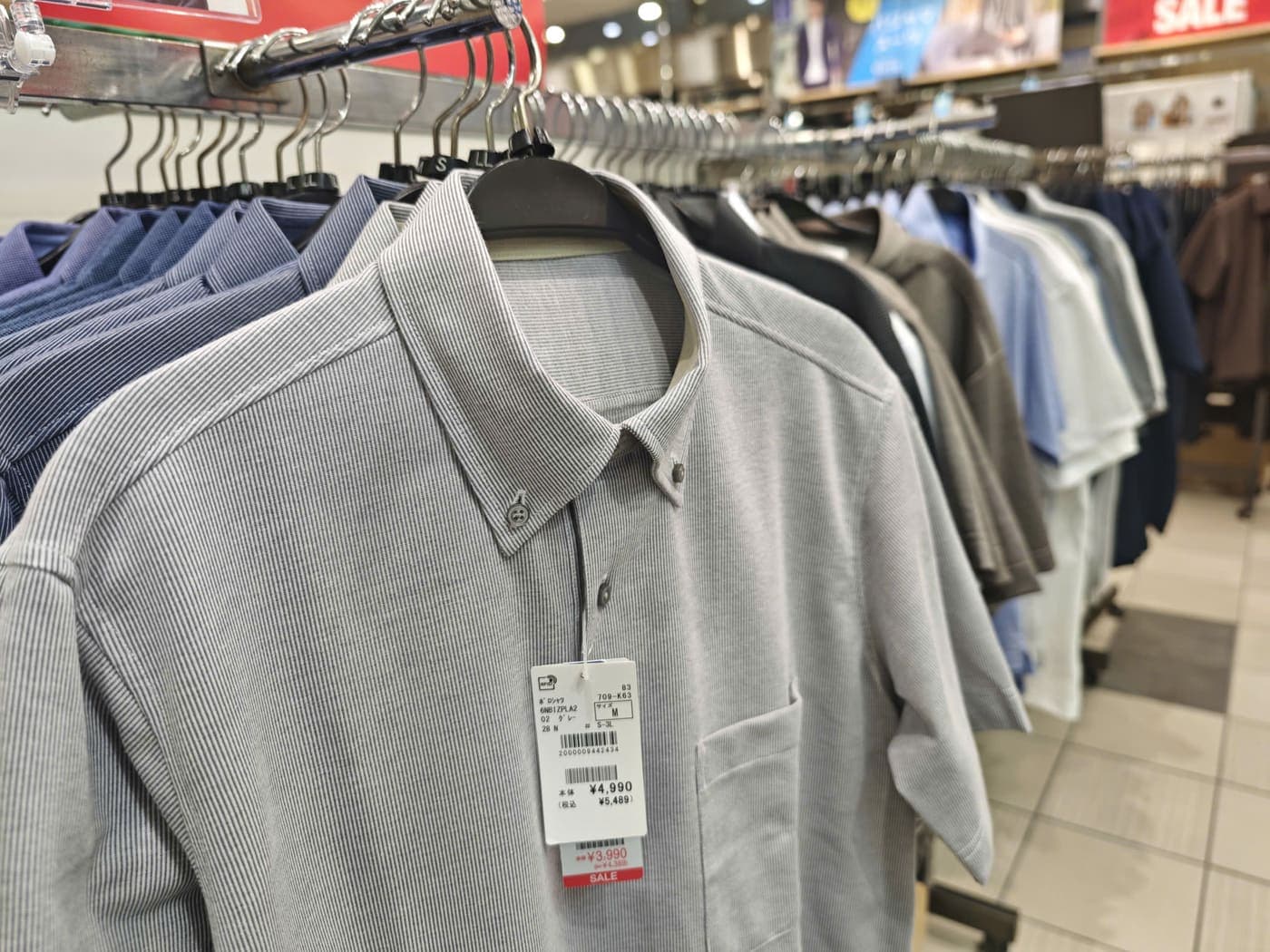
Nextwaves also offers a bold solution for retail security, addressing a gap few dare to admit. Mr. Thanh Binh pointed out how giant security gates often fail against tiny items. While standard RFID gates cover wide areas, signals from tags on small, high-value items like jewelry, cosmetics, or tech accessories are often too weak. To fix this, the Nextwaves Hyperion Security Verifier was born with antenna sensitivity three times higher than standard readers. It is specially tuned to catch the smallest "whisper" from a Micro-tag. Now, if a main gate misses something or gives a vague alarm, security staff can simply wave the device near a bag to pinpoint the item. It turns security from a loose net into a sharp metal detector, ensuring no gem or lipstick leaves the store unpaid, all while staying subtle and respectful to customers.
The peak of customer experience is seen in the Self-Checkout Kiosk. Instead of manual barcode scanning, this device uses instant bulk-reading technology to identify an entire basket in a flash. Nextwaves solved signal interference by strictly limiting the reading zone inside the machine for absolute accuracy. With a wooden finish and high-resolution touchscreen, the device is more than just a payment tool-it is a luxury interior highlight for any store.
In-house Materials and a Green Passport to the World
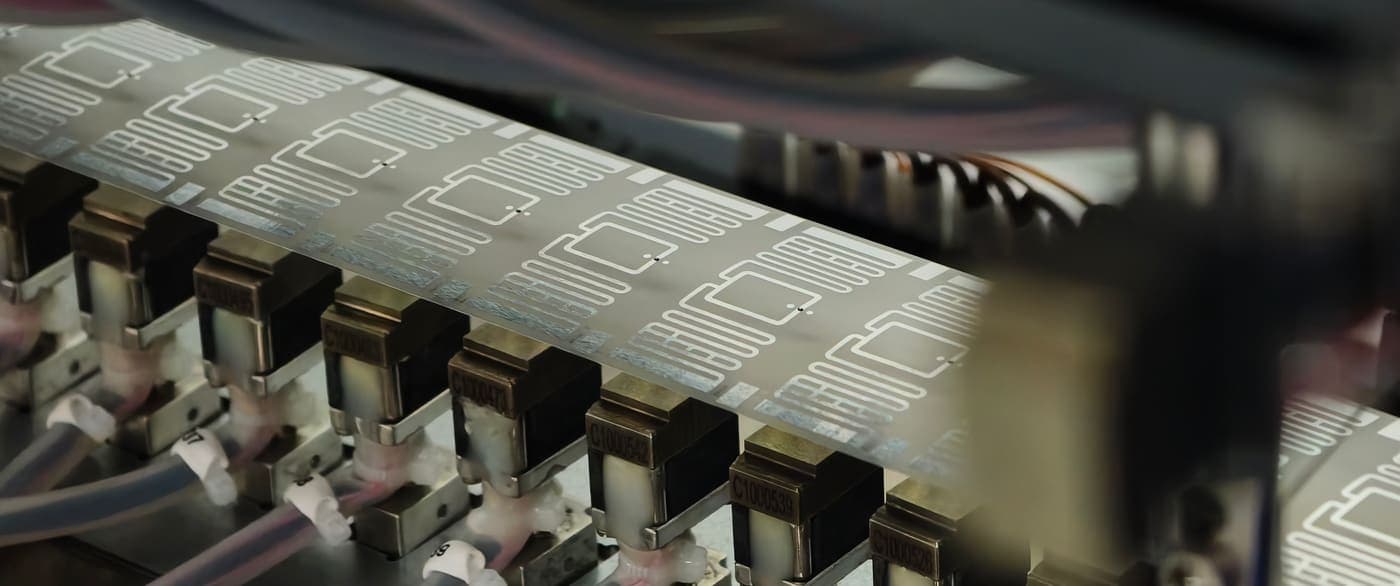
Moving beyond hardware, Nextwaves confirms its status as an original manufacturer. They source raw materials from top partners and then process every detail right here in Vietnam. Mastering this stage allows them to create specialized products, like flexible folding tags for medicine bottles or jewelry tags that isolate the chip from metal-solving physical challenges that mass-produced items cannot handle.
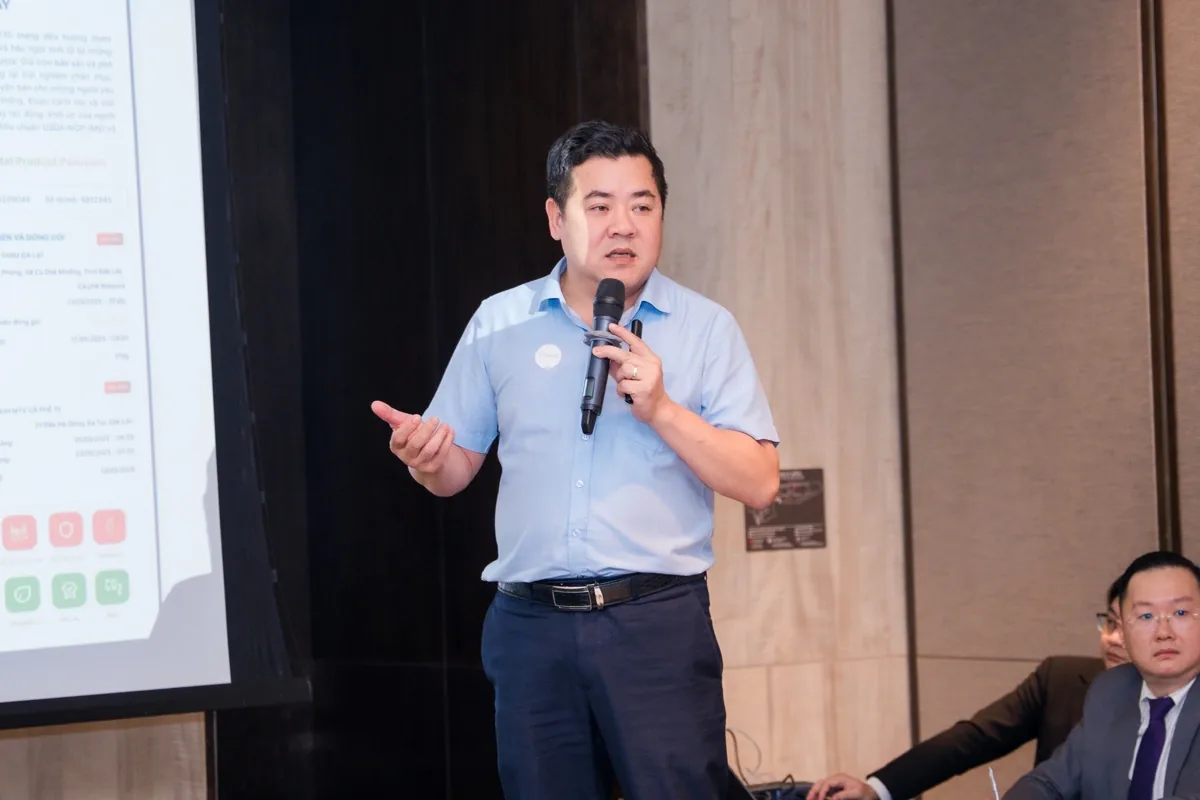
During the strategy session on going global, the stage was handed to Mr. Pham Van Quan, Director of Checkee Technology. With a calm, expert demeanor, Mr. Quan spoke about the Digital Product Passport (DPP) as Europe sets up strict technical barriers. He emphasized that the EU demands more than just good products; they require absolute transparency in origin, from raw materials to carbon emissions. The Nextwaves-Checkee partnership is the key. By integrating RFID data into Checkee's traceability system, every Vietnamese product carries a full digital profile. Mr. Quan stated this is not just a sticker, but a digital certification that helps Vietnamese goods enter priority lanes at international ports, moving past the "cheap goods" label and proving a commitment to sustainable growth.
The Ambition to Master the Core and a Leader's Promise
As the applause for the new products faded, Dr. Nguyen Trong Nghia, CTO of Nextwaves, took the stage. Moving away from dry data, he shared an emotional story about the lonely but proud journey of Vietnamese engineers. As the technical soul of the company and the one who laid the first bricks for this ecosystem, Dr. Nghia outlined a 2030 vision with one consistent philosophy: Master the Core.
He shared that Nextwaves refuses to be just an assembler, because assembling is just borrowing technology. His greatest ambition is to dive deep into the end of the value chain, where Vietnamese intelligence shines in every antenna design and material formula. Ultimately, the goal is to commercialize RFID chips owned by Vietnamese people. This is the hardest path, but the only glorious one to move the country away from being just a "processing factory" and toward becoming an innovation hub.
Wireless Vietnam 2026 has closed, but its legacy is the start of a long-term commitment. It is Nextwaves' promise to walk alongside the Vietnamese business community through this historic transformation. We believe that with the right mindset and vision, 2026 will be the milestone where Nextwaves and its partners create a spectacular breakthrough, opening a cycle of sustainable prosperity.

Was this article helpful?
Related Articles

Maximizing Asset Visibility: The Ultimate Guide to Anti-Metal UHF RFID Tags
Mar 2, 2026

Mastering UHF RFID in Odoo: Hardware, Workflows, and Best Practices
Mar 2, 2026

Chainway C72 Comprehensive Review: Specs, Pricing, and Top Alternatives
Mar 2, 2026

The Ultimate UWB Module Comparison: Prices, Specs, and Use Cases
Feb 23, 2026