For modern industrial operations, achieving complete tracking accuracy is often hindered by the signal-reflecting nature of metallic equipment and infrastructure. Fortunately, deploying specialized anti-metal UHF RFID tags allows businesses to overcome these harsh environmental challenges and maintain continuous, reliable data streams. Dive into this ultimate guide from Nextwaves Industries to discover how you can implement these robust solutions and begin maximizing asset visibility across your most demanding workspaces.
The Challenge of Metal in RFID Tracking
Standard RFID tags fail on metallic surfaces. Metal reflects and absorbs radio frequency signals. This physical reaction prevents communication between the tag and the reader.
Signal interference disrupts tag-reader communication. This disruption creates blind spots in inventory. You lose visibility of critical assets. Your operational efficiency drops.
Reliable tracking on metallic assets requires specialized anti-metal UHF RFID tags. You must use these specific tags for machinery, IT equipment, and metal containers. Nextwaves Industries engineers tags specifically for these harsh industrial environments.
Why Standard Tags Fail on Metal
Radio frequency signals bounce off metal surfaces. The bounced signals collide with the original signals from the reader. This collision creates an area of signal failure around the tag. The reader receives no data.
The Financial Impact of Interference
Inventory blind spots cost money. Missing IT assets in data centers lead to compliance failures. Lost tools on a construction site delay projects. Unreadable tags on a manufacturing line stop production.
Solving the Metal Problem
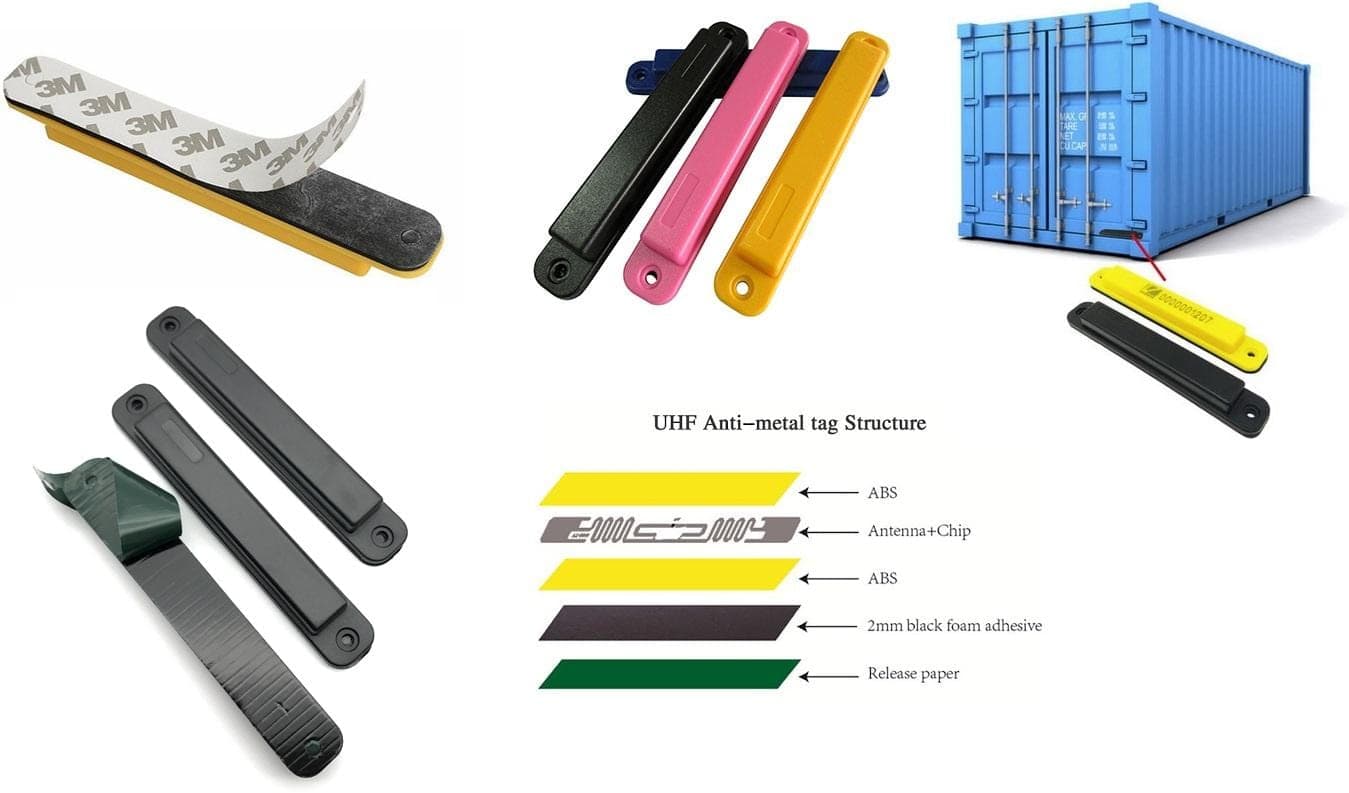
Anti-metal tags overcome these physical barriers through specific design choices. These tags isolate the antenna from the metal surface.
- Isolation layers create physical distance between the antenna and the metal.
- Ferrite shielding redirects the electromagnetic field for clear transmission.
- Specialized antennas use the metal surface to project the signal.
- Rugged encapsulation protects the internal components from chemical exposure.
Industrial Applications for Anti-Metal Tags
Many industries rely on metal assets. You need accurate data for these assets. Nextwaves Industries provides UHF RFID solutions for these specific environments.
| Industry | Asset Type | Tracking Requirement |
|---|---|---|
| IT Asset Management | Servers and Mainframes | High density metal environments |
| Manufacturing | Heavy Machinery | Resistance to 200°C temperatures |
| Logistics | Metal Pallets | Read ranges up to 10 meters |
| Healthcare | Diagnostic Machines | Chemical resistance for sanitation |
Installation and Security
Industrial environments demand robust installation methods. You secure these tags using epoxy adhesives, screws, or heavy-duty cable ties. Epoxy adhesives ensure permanent attachment on machinery. These tags also feature encrypted read and write operations. You protect your sensitive operational data from unauthorized access.
Improve your operational efficiency with Nextwaves RFID solutions. Our anti-metal tags operate in the 860 to 960 MHz range. You achieve reliable read distances up to 10 meters. We eliminate your inventory blind spots.
The Science Behind Overcoming Metal Interference
Engineering Anti-Metal RFID Tags
Standard RFID tags fail near metallic surfaces. Metal reflects and absorbs radio frequency signals. This interference disrupts communication between your tag and your reader. Nextwaves Industries solves this problem through specific engineering.
Core Design Features
Our engineers build anti-metal tags with specific components to ensure reliable performance.
- Isolation layers: Isolation layers made of foam or plastic prevent metal from detuning the antenna. Nextwaves inserts these materials between the RFID tag and the metal asset.
- Specialized antennas: Nextwaves engineers specialized antennas specifically to work in the presence of metallic interference. These components operate in the Ultra-High Frequency 860 to 960 MHz range.
- Signal amplification: Advanced tag designs use the metal surface as part of the antenna system to increase signal strength. The metal asset acts as an amplifier to extend read ranges up to 10 meters.
- Ferrite shielding: We add a magnetic ferrite layer to redirect the electromagnetic field. This shielding stops the metal from absorbing the RFID signal.
Performance Specifications
You require durable hardware for your operations. Nextwaves encapsulates these tags in industrial materials like ABS plastic or epoxy. This encapsulation shields the internal components from physical damage and moisture. These tags withstand temperatures up to 200 degrees Celsius. They resist harsh chemicals like sulfuric acid and salt water.
| Specification | Performance Metric | Operating Frequency |
|---|---|---|
| UHF 860 to 960 MHz | Maximum Read Range | Up to 10 meters |
| Thermal Tolerance | Up to 200 degrees Celsius | Chemical Resistance |
| Sulfuric acid and salt water | Attachment Methods | Epoxy adhesives, screws, cable ties |
Data Security and Installation
Nextwaves engineers design anti-metal tags with robust data security. We protect your asset data using encrypted read and write operations. You restrict unauthorized access using strict password protection. You install these tags using epoxy adhesives or mechanical screws. This ensures permanent attachment in industrial environments.
Improving Your Operational Efficiency
You improve your operational efficiency with Nextwaves RFID solutions. Our hardware integrates directly with your inventory systems. You achieve complete visibility across your manufacturing and logistics supply chains.
The Role of Ferrite Shielding and Encapsulation
Magnetic Shielding with Ferrite Layers
Metal surfaces reflect and absorb radio frequency signals. This interference disrupts communication between your RFID tag and the reader.
Nextwaves Industries integrates a ferrite layer into anti-metal UHF RFID tags. Ferrite layers act as magnetic shielding to redirect the electromagnetic field away from the metal. This magnetic material prevents the metal surface from absorbing the RFID signal.
The ferrite shield ensures clear signal transmission. Your readers receive accurate data from the tag. You achieve read ranges up to 10 meters when you deploy these shielded tags on metal assets.
Encapsulation for Physical Protection
Industrial environments destroy unprotected electronics. Nextwaves Industries uses industrial encapsulation methods to secure the RFID antenna and microchip.
Encapsulation in ABS plastic or epoxy shields internal components from physical damage. We embed the RFID inlays within these hardened materials. The epoxy resin cures into a solid block around the components.
| Material | Primary Function | Industrial Benefit |
|---|---|---|
| Ferrite Layer | Magnetic Shielding | Redirects electromagnetic field away from metal surfaces |
| ABS Plastic | Rigid Encapsulation | Shields internal components from physical damage |
| Epoxy Resin | Sealed Housing | Protects against moisture and harsh chemicals |
- ABS plastic housings absorb mechanical impacts on the warehouse floor.
- Epoxy resin prevents crushing forces from breaking the microchip.
- Hardened casings support mounting with screws or industrial adhesives.
Rugged Housings for Harsh Environments
Your operations expose assets to extreme conditions. Rugged housings protect against moisture, harsh chemicals, and industrial wear and tear.
Nextwaves RFID tags survive in industrial applications.
- High temperature tags withstand exposure up to 200 degrees Celsius.
- Sealed enclosures block moisture penetration in cold chain logistics.
- Chemical resistant models survive exposure to sulfuric acid and salt water.
Improve your operational efficiency with Nextwaves RFID solutions. Our hardware combinations guarantee end-to-end visibility across your supply chain.
Performance Specifications: Frequency, Range, and Durability
Operational Frequency and Faster Identification
Nextwaves Industries designs anti-metal tags for data capture. These tags operate in the Ultra-High Frequency (UHF) range of 860 to 960 MHz. This frequency band ensures faster identification of your assets. You accelerate inventory counts. The tag and your reader exchange data.
Read Range Capabilities
Metal surfaces reflect radio frequency signals. Anti-metal UHF RFID tags overcome this physical barrier. You achieve asset visibility in industrial environments.
- Read ranges reach 8 to 10 meters.
- Distance depends on your reader configuration.
- Antenna setup dictates the range.
Environmental Durability
Manufacturing and logistics require robust hardware. Nextwaves RFID solutions provide durability for industrial environments. Engineers build these tags to survive factory conditions.
- Tags withstand extreme temperatures up to 200°C.
- Outer casings resist chemicals like sulfuric acid.
- Encapsulation protects internal components from salt water exposure.
Performance Specifications Summary
| Specification | Performance Metric |
|---|---|
| Operating Frequency | 860 to 960 MHz (UHF) |
| Read Distance | 8 to 10 meters |
| Thermal Tolerance | Up to 200°C |
| Chemical Resistance | Sulfuric acid and salt water |
Frequently Asked Questions
- Question: Do anti-metal tags work on non-metal surfaces? Answer: Yes. Engineers design these tags for metal surfaces. They function on plastic or wood.
- Question: How do readers capture data from 10 meters away? Answer: Readers emit a radio frequency signal. The tag antenna receives this signal. The ferrite layer prevents metal interference. The tag reflects the data to the reader.
- Question: Will sulfuric acid destroy the tag? Answer: No. Manufacturers encapsulate the internal components in epoxy. This outer shell resists chemicals.
Improve your operational efficiency with Nextwaves RFID solutions. You track metal assets across manufacturing floors and cold chain facilities. Our hardware guarantees data collection in factory conditions.
Comparing Standard RFID vs Anti-Metal RFID Tags
Performance and Design Differences
Standard RFID tags fail on metal surfaces. Metal reflects and absorbs radio frequency signals. This interference disrupts communication between your tags and readers. Standard tags suffer from zero to low readability on metal. Anti-metal tags maintain 8 to 10 meter read ranges in these conditions.
Design differences dictate performance. Standard tags feature paper-thin inlays. Manufacturers print standard antennas on thin substrates. Anti-metal tags feature thicker profiles due to isolation layers. Engineers place foam or plastic insulating materials between the antenna and the metal surface. This separation prevents the metal from detuning the antenna. Many anti-metal tags incorporate a ferrite layer. This magnetic material redirects the electromagnetic field for clear signal transmission.
Your tracking environment determines your tag choice. Standard tags provide cost-effective tracking for cardboard and plastic. You apply them to retail packaging and disposable shipping boxes. Anti-metal tags represent investments for rugged, high-value asset tracking. You attach these tags to servers, manufacturing machinery, and medical diagnostic machines. Encapsulation in ABS plastic or epoxy shields these tags from physical damage, moisture, and chemicals.
Direct Comparison
| Feature | Standard RFID Tags | Anti-Metal UHF RFID Tags |
|---|---|---|
| Readability on Metal | Zero to low readability | Maintains 8 to 10 meter read ranges |
| Form Factor | Paper-thin inlays | Thicker profiles with isolation layers |
| Application | Cardboard and plastic | Rugged, high-value asset tracking |
| Financial Profile | Cost-effective for high volume | Long-term investment |
Upgrading Your RFID Infrastructure
You require anti-metal tags when tracking industrial assets. Standard inlays fail during these applications. Evaluate your operational needs against these criteria:
- IT Asset Management: Track computer mainframes and data center servers.
- Heavy Manufacturing: Monitor tools, metal pallets, and production line machinery.
- Healthcare Operations: Manage IV pumps and diagnostic machines.
- Extreme Environments: Track assets exposed to 200°C temperatures, sulfuric acid, or salt water.
Nextwaves Industries Solutions
Improve your operational efficiency with Nextwaves RFID solutions. We engineer high-performance hardware and intelligent software for end-to-end visibility. Our UHF RFID antennas, readers, and anti-metal tags withstand harsh industrial conditions. You achieve accurate inventory tracking across manufacturing, logistics, retail, and cold chain operations.
Best Practices for Installation and Mounting
Selecting an Installation Method
Your choice of installation method depends on the environment and the asset type. Nextwaves Industries offers anti-metal UHF RFID tags designed for diverse operational conditions. Installation methods include standard adhesives, mechanical screws, and heavy-duty cable ties.
Comparison of Mounting Options
Review the mounting options below to determine the best fit for your operational needs.
| Method | Ideal Environment | Asset Type |
|---|---|---|
| Standard Adhesives | Indoor climate-controlled | IT servers and mainframes |
| Mechanical Screws | High vibration areas | Heavy machinery and tools |
| Cable Ties | Construction sites | Pipes and scaffolding |
| Epoxy Adhesives | Harsh outdoor and chemical | Metal containers and pallets |
Applying Adhesives and Fasteners
Standard adhesives provide a fast installation process. You peel the backing and press the tag onto the metal surface. This method suits indoor environments with controlled temperatures. IT asset management teams use standard adhesives for tracking servers in data centers. Standard adhesives fail in environments with high moisture or extreme heat.
Mechanical fasteners offer a secure hold for heavy machinery. You attach tags using mechanical screws or heavy-duty cable ties. Screws require drilling into the asset. This provides a permanent physical attachment. Cable ties work well for cylindrical assets like pipes. These methods resist physical impact and vibration in manufacturing settings.
Applying Specialized Epoxies
Industrial environments expose tags to chemicals, salt water, and temperatures reaching 200°C. Epoxy adhesives provide the strongest, most permanent bond for harsh industrial and outdoor environments. You apply the epoxy directly to the tag and the metal surface. The epoxy cures to form a rigid seal. This protects the tag from moisture and physical damage. Nextwaves Industries recommends epoxy for tracking metal containers in cold chain logistics.
Optimizing Mounting Placement
Proper mounting placement ensures optimal read ranges and maximizes tag longevity. Anti-metal tags operate in the Ultra-High Frequency range of 860 to 960 MHz. Proper placement achieves read distances up to 10 meters. Follow these guidelines to maximize performance:
- Align the tag antenna with the reader antenna.
- Mount the tag away from metal corners.
- Avoid placing tags in deep recesses.
- Clean the metal surface before applying adhesives.
- Test the read range before finalizing the installation.
Improve your operational efficiency with Nextwaves RFID solutions. Secure mounting guarantees accurate data collection across your entire supply chain.
Data Security and Access Control in RFID
Enterprise-Grade RFID Security Features
Cybersecurity dictates the design of modern anti-metal UHF RFID tags. Nextwaves Industries engineers RFID hardware to protect your sensitive asset data from unauthorized scanning. Unsecured tags expose your operations to data breaches and inventory manipulation.
Modern anti-metal tags offer encrypted read/write operations for secure data transfer. This encryption ensures continuous visibility without compromising your operational security. Attackers fail to intercept or clone tag data during transmission between the UHF RFID antennas and the readers.
- Encrypted Read Operations
- Encrypted Write Operations
- Password Protection Protocols
- Anti-Cloning Mechanisms
Password protection features prevent unauthorized modification of the tag's data. You assign specific access credentials to your inventory systems. Authorized personnel alter asset records on RFID tags. This access control mechanism stops third parties from rewriting tag information.
Securing High-Value Applications
Secure tags are crucial for sensitive applications like IT asset management and high-value logistics. You track computer mainframes across multiple data centers. You monitor expensive machinery on factory floors. You manage temperature-sensitive goods in cold chain facilities.
These environments demand strict data security protocols. Nextwaves Industries provides high-performance hardware combined with intelligent software to secure these assets. Our UHF RFID tags operate within the 860 to 960 MHz frequency range while maintaining encrypted communication channels.
Security Requirements by Application
- IT Asset Management demands encrypted read operations to prevent data cloning on servers.
- High-Value Logistics requires password-protected write access to stop unauthorized route alterations.
- Manufacturing depends on restricted access control protocols to secure maintenance records on machinery.
Improve your operational efficiency with Nextwaves RFID solutions. Your supply chain modernization depends on accurate and secure data. Implement our enterprise-grade RFID tags to secure your asset tracking processes.
Use Cases in Manufacturing, Logistics, and Automotive
Manufacturing Asset Tracking
Factory managers attach anti-metal UHF RFID tags to heavy machinery and valuable tools. You track WIP inventory across active production lines. Nextwaves Industries provides UHF RFID antennas and readers to capture tag data. The tags operate at 860 to 960 MHz. The tags read data from distances up to 10 meters. You monitor equipment location and prevent tool loss. Epoxy adhesives secure the tags to vibrating metal surfaces. These tags withstand temperatures up to 200 degrees Celsius.
Logistics and Cold Chain Management
Logistics providers track metal shipping containers and returnable transport items (RTIs). You monitor metal pallets moving through cold chain environments. The tags feature ABS plastic encapsulation to resist moisture and physical impact. An integrated ferrite layer prevents the metal container from absorbing the radio frequency signal. You achieve complete visibility of your supply chain assets. Nextwaves inventory systems process the tag data to update your records. You eliminate manual barcode scanning and reduce data entry errors.
Automotive Assembly Line Operations
Automotive manufacturers track metal parts through complex manufacturing processes. You affix specialized tags to vehicle chassis at the start of production. Assembly robots read the tags to verify component requirements. You track completed vehicles across outdoor storage lots. The tags resist exposure to harsh chemicals like sulfuric acid and salt water. Improve your operational efficiency with Nextwaves RFID solutions.
Performance Specifications
| Industry | Asset Type |
|---|---|
| Environmental Challenge | Tag Specification |
| Manufacturing | Machinery and Tools |
| Extreme Heat | 200 Degrees Celsius Tolerance |
| Logistics | Metal Containers |
| Signal Interference | Ferrite Shielding Layer |
| Automotive | Vehicle Chassis |
| Chemical Exposure | ABS Plastic Encapsulation |
Implementation Steps
You follow strict procedures to deploy anti-metal tags.
- Select tags with appropriate ferrite shielding for your specific metal assets.
- Apply tags using industrial epoxy adhesives for permanent installation.
- Position tags to maximize direct visibility with Nextwaves UHF RFID Antennas.
- Configure encrypted read and write operations to protect your data.
- Integrate readers with Nextwaves inventory systems for real time tracking.
Use Cases in IT, Healthcare, and Construction
IT Asset Management in Dense Data Centers
Data centers house thousands of metal server racks. Standard RFID signals fail in these environments. Anti-metal UHF RFID tags operate in the 860 to 960 MHz frequency range. They provide clear signal transmission despite dense metal surroundings. You track high-value servers, computer mainframes, and rack equipment with precision.
Nextwaves Industries offers UHF RFID Antennas and Readers to scan entire server rooms in minutes. You maintain accurate inventory logs. You prevent equipment misplacement.
- Read ranges reach up to 10 meters for quick room audits.
- Ferrite layers redirect electromagnetic fields to prevent signal absorption.
- Encrypted read and write operations secure your sensitive asset data.
Healthcare Equipment Tracking
Hospitals manage thousands of mobile medical assets. Staff members waste time searching for missing equipment. You attach anti-metal tags to metal IV pumps, wheelchairs, and diagnostic machines. You locate these items instantly using Nextwaves Inventory Systems.
Routine maintenance requires accurate asset location data. You track the lifecycle and service history of every device. You ensure compliance with safety regulations.
- Locate medical equipment during emergencies.
- Schedule preventative maintenance based on accurate usage logs.
- Prevent asset theft and accidental disposal.
Construction Equipment and Concrete Embedding
Construction sites expose assets to harsh conditions. You track heavy machinery, scaffolding, and metal hand tools across multiple sites. Anti-metal tags withstand physical impact, moisture, and chemicals.
Nextwaves tags feature robust encapsulation in ABS plastic or epoxy. You embed these tags directly into wet concrete. You track the structural lifecycle of building components from pouring to demolition.
- Tags survive temperatures up to 200 degrees Celsius.
- Epoxy adhesives provide permanent attachment to heavy machinery.
- Embedded tags offer permanent structural identification.
Industry Application Summary
| Industry | Tracked Assets | Key Benefit |
|---|---|---|
| IT Asset Management | Servers, mainframes, rack equipment | Read accuracy in dense metal rooms |
| Healthcare | IV pumps, wheelchairs, diagnostic machines | Instant location and maintenance logging |
| Construction | Heavy machinery, tools, concrete structures | Resistance to 200 degree Celsius heat and chemicals |
Improve your operational efficiency with Nextwaves RFID solutions.
You pair high-performance hardware with intelligent software for end-to-end visibility.
The Nextwaves Advantage: Hardware Meets Intelligent Software
Integrating Hardware and Software
Nextwaves Industries combines high-performance UHF RFID hardware with intelligent Software Inventory Systems. We engineer anti-metal UHF RFID tags to operate in the 860 to 960 MHz frequency range. These tags achieve read ranges up to 10 meters. Metal surfaces reflect radio frequency signals. Our tags integrate ferrite shielding and isolation layers to prevent signal interference. You achieve reliable data transmission.
Targeted Industry Solutions
We tailor solutions for Manufacturing, Logistics, Retail, and Cold Chain sectors. You track servers in data centers. You monitor machinery on production lines. You manage medical equipment in hospitals.
| Industry | Application Example | Hardware Durability |
|---|---|---|
| Cold Chain | Track metal containers in freezers | Resists extreme temperature fluctuations |
| Manufacturing | Monitor heavy machinery and tools | Withstands 200°C and sulfuric acid |
| Logistics | Manage metal pallets in warehouses | Survives physical impact and salt water |
Achieving End-to-End Visibility
Proprietary inventory systems process the data from your anti-metal tags. You see your assets in real time. The software decodes encrypted read and write operations. You secure your supply chain data. The system requires zero manual scanning. You eliminate human error.
- Nextwaves hardware guarantees signal clarity.
- Isolation layers prevent metal detuning.
- ABS plastic encapsulation shields against moisture.
- Epoxy adhesives secure tags to industrial equipment.
- Software dashboards display precise asset locations.
Modernize Your Operations
Nextwaves Industries provides the tools you need. You deploy specialized antennas alongside our software platforms. Improve your operational efficiency and achieve end-to-end visibility with Nextwaves RFID solutions. Modernize your operations with integrated RFID technology.
Frequently Asked Questions About Anti-Metal RFID
What is the maximum read range for anti-metal UHF RFID tags?
Anti-metal UHF RFID tags achieve a maximum read range of 8 to 10 meters. The exact distance depends on your specific environment and the RFID reader strength. Tags operating in the Ultra High Frequency range of 860 to 960 MHz process data quickly over long distances. Nextwaves Industries designs UHF RFID antennas to maximize this range in dense industrial settings. Improve your operational efficiency with Nextwaves RFID solutions.
Do anti-metal tags survive extreme heat and harsh conditions?
Specialized anti-metal tags withstand temperatures up to 200 degrees Celsius. Manufacturers encase these tags in protective materials like ABS plastic or epoxy. This encapsulation shields the internal components from physical impact and moisture. Nextwaves RFID solutions resist harsh chemicals like sulfuric acid and salt water. You deploy these tags safely in manufacturing facilities and cold chain logistics.
How do you attach RFID tags to metal surfaces?
You attach anti-metal tags using several secure methods. Your choice depends on the installation environment and the asset type.
- Epoxy adhesives provide strong bonds for industrial machinery.
- Mechanical screws secure tags to heavy construction equipment.
- Industrial adhesives offer fast installation on IT servers and computer mainframes.
- Cable ties attach tags to metal containers and pipes.
Why do standard RFID tags fail on metal?
Metal surfaces reflect and absorb radio frequency signals. This interference disrupts communication between a standard tag and the RFID reader. Anti-metal tags solve this problem through specific design features.
- Isolation layers separate the tag antenna from the metal surface using foam or plastic.
- Ferrite shielding redirects the electromagnetic field to ensure clear signal transmission.
- Specialized antennas use the metal surface to improve read performance.