L'Unione Europea richiederà il Passaporto Digitale dei Prodotti a partire dal 2027. Dovrai fornire dati sulla composizione dei materiali e sulla circolarità dei prodotti. La tecnologia RAIN RFID automatizza la raccolta di queste informazioni lungo tutta la tua catena di fornitura.
L'hardware Nextwaves traccia ogni singolo articolo, dalla produzione al riciclo. Elimini così gli errori dell'inserimento manuale. La scansione automatica garantisce la precisione richiesta dalle autorità UE. Prepara subito le tue attività di esportazione.
Conto alla rovescia per il 2027: Cos'è il regolamento UE sul Passaporto Digitale dei Prodotti (DPP)
Il Regolamento sulla Progettazione Ecocompatibile dei Prodotti Sostenibili (ESPR) stabilisce le regole per le tue esportazioni verso l'Unione Europea. Questa legge impone un Passaporto Digitale del Prodotto (DPP) per le merci vendute nei confini UE. La prima scadenza è fissata per febbraio 2027. La tua azienda deve prepararsi ora a questi requisiti.
La scadenza del 2027 riguarda innanzitutto questi gruppi di prodotti:
- Batterie industriali
- Batterie per autoveicoli
- Batterie portatili
L'UE estenderà l'obbligo ad altri settori dopo la fase iniziale. Le categorie future includono:
- Tessile
- Elettronica
- Arredamento
- Pneumatici
Nextwaves Industries è parte attiva nel settore per supportare questa transizione.
Perché il RAIN RFID è il miglior supporto dati per gli esportatori
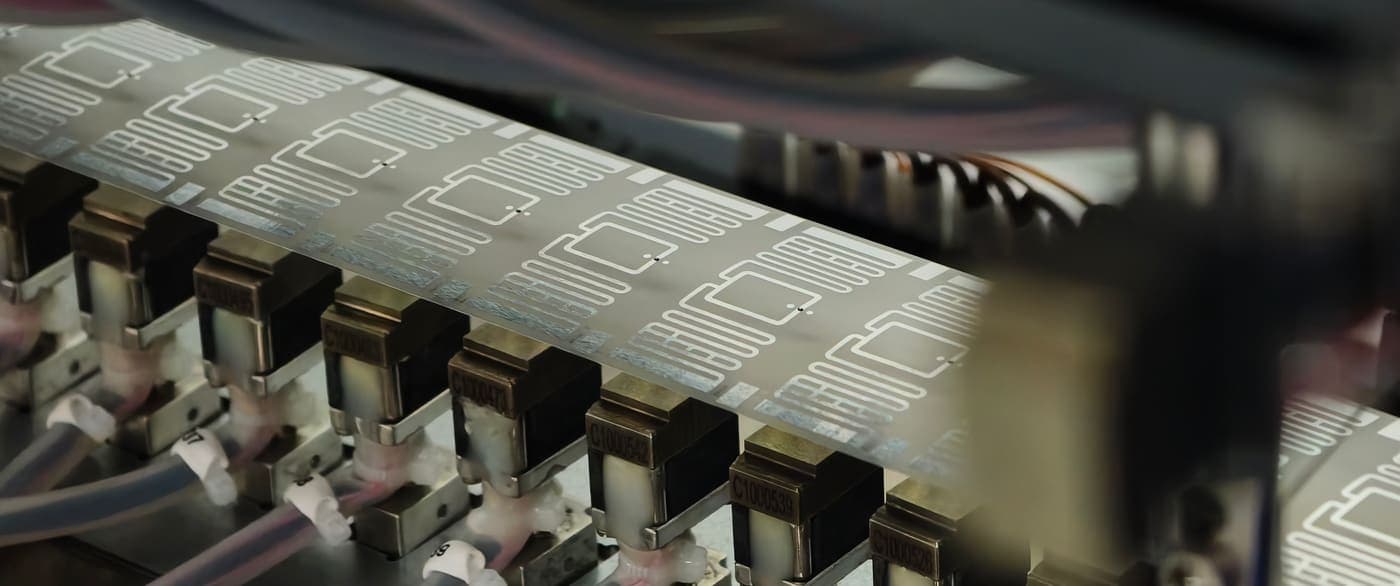
Il RAIN RFID supera tecnicamente i tradizionali codici a barre. La RAIN Alliance identifica il RAIN RFID come lo strumento più adatto per le tue esigenze di conformità. Questa tecnologia aiuta chi esporta grandi volumi a gestire i dati in modo efficiente.
- Legge fino a 1.000 prodotti al secondo.
- Identifica i prodotti da una distanza di 10 metri.
- Elabora la merce senza necessità di contatto visivo diretto.
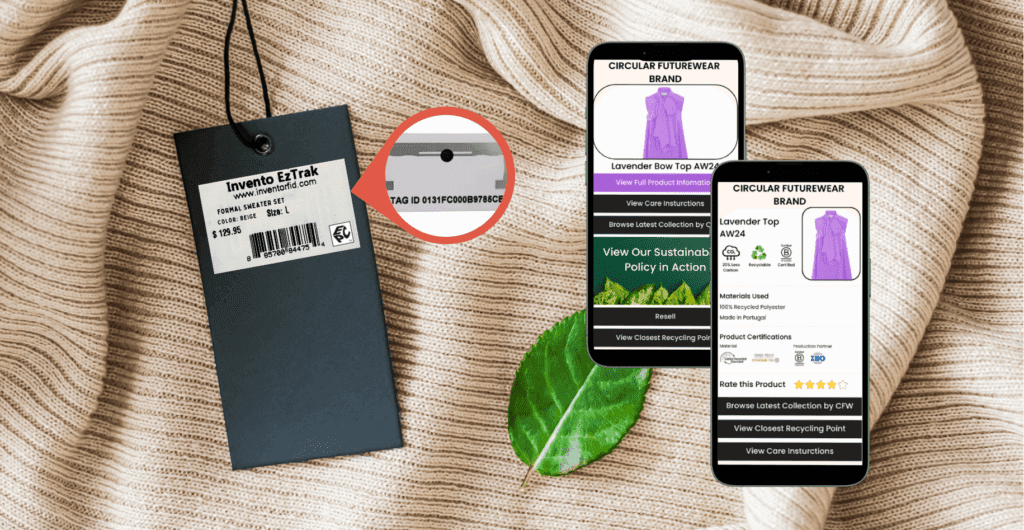
Mantieni un identificatore unico del prodotto (UID) per ogni articolo. Questo codice resta valido dalla produzione fino al centro di riciclo. L'hardware RFID di Nextwaves raccoglie i dati per garantire la massima trasparenza. Colleghi il prodotto fisico al suo passaporto digitale per tutto il suo ciclo di vita.
La raccolta automatica dei dati riduce gli errori umani e ottimizza i processi.
I quattro pilastri dei dati DPP: Cosa devono dichiarare gli esportatori
Il Passaporto Digitale dei Prodotti (DPP) UE 2027 richiede agli esportatori di rendere pubblici i dati. Dovrai fornire informazioni divise in quattro categorie per mantenere l'accesso al mercato.
1. Identità e Origine
- Assegna un codice UID standard ISO a ogni unità di prodotto.
- Registra il numero di lotto per il controllo qualità.
- Salva le coordinate geografiche di ogni impianto di produzione.
- I tag RFID Nextwaves collegano il prodotto fisico a questo archivio digitale.
2. Composizione dei materiali
- Invia una distinta base completa per ogni articolo.
- Documenta la conformità al regolamento REACH per le sostanze pericolose.
- Garantisci la trasparenza della tua catena di fornitura.
3. Documentazione di conformità e circolarità
Casi studio: Come le aziende leader usano il RAIN RFID per tracciare il ciclo di vita
Michelin inserisce tag RAIN RFID in 50 milioni di pneumatici. Questa integrazione traccia la gomma dalla produzione al riciclo. Il sistema soddisfa i requisiti del settore auto per l'identificazione univoca. Ottieni dati sull'usura e sulle prestazioni. Michelin migliora la sostenibilità gestendo meglio la ricostruzione degli pneumatici.
Decathlon usa il RAIN RFID per gestire il ciclo di vita dei prodotti:
- Decathlon applica il tag al 100% dei suoi prodotti.
- Il sistema offre una visibilità chiara dell'inventario nei negozi di tutto il mondo.
- Riduci gli errori di magazzino grazie a dati precisi.
- Decathlon usa questa visibilità per ottimizzare il modello di economia circolare.
- La tecnologia traccia i resi e le riparazioni dei prodotti.
Nextwaves fornisce antenne e lettori UHF RFID per questi sistemi di tracciamento.
Proteggi il futuro della tua supply chain con le soluzioni RFID Nextwaves
L'UE richiede il Passaporto Digitale dei Prodotti da febbraio 2027. Il regolamento colpirà prima le batterie industriali e per auto. La tua azienda esportatrice ha bisogno di un supporto dati affidabile per collegare i prodotti ai record digitali. La tecnologia RAIN RFID risponde a questa sfida con prestazioni concrete:
- Lettura di 1.000 prodotti al secondo.
- Raccolta dati fino a 10 metri di distanza.
- Funzionamento senza linea di vista diretta.
- Tracciamento dell'identità univoca dalla produzione al riciclo.
Nextwaves Industries offre hardware UHF RFID ad alte prestazioni. Le nostre antenne e i nostri lettori raccolgono dati a livello di singolo articolo lungo tutta la catena di fornitura. Forniamo tag resistenti per la produzione, la vendita al dettaglio e la catena del freddo. Questi strumenti garantiscono la conformità alle normative sulla progettazione ecocompatibile.