Hamshiralarga vaqtlarini qaytarib bering. Har bir aktiv, har bir dori, har bir daqiqa uchun real vaqtda joylashuv.
Parvarish logistikasining inqirozi
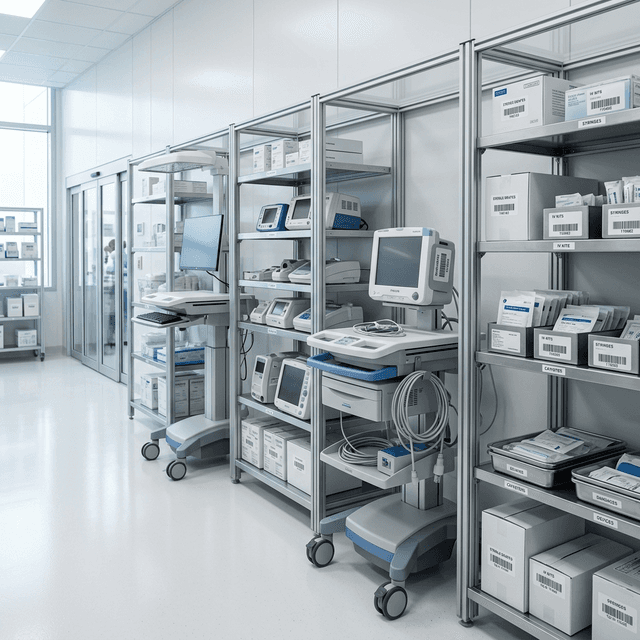
Hospitals are complex, chaotic environments where life-and-death decisions depend on logistics. Yet, the average nurse spends 1 hour per shift - 12% of their time - hunting for equipment. They look for IV pumps, wheelchairs, telemetry packs, and wound vacs. This is 'Hunt and Gather' medicine.
Beyond assets, the management of pharmaceuticals is fraught with risk. Manual tracking of crash carts and medication trays leads to expired drugs remaining in circulation. A single oversight can lead to a Sentinel Event.
Furthermore, patient flow is opaque. Bottlenecks in the ER or OR reduce throughput and patient satisfaction. Without data, administrators cannot optimize staffing or bed turnover.
Aktivlarni to'plash va yo'qotish
Xodimlar uskunani topa olmagani uchun uni shkaflar va shift plitalarida saqlashadi. Kasalxonalar o'zlarining zarur flotining 130% ini sotib olishadi, ammo foydalanish 40% dan past bo'lib qolmoqda. Millionlab dollar ishlamayapti.
Dori vositalarining xavfsizligi
Crash cartlarini qo'lda qayta to'ldirish xatolarga moyil. Muddati o'tgan epinefrin flakonini o'tkazib yuborish javobgarlikdir. Dori vositalarini noqonuniy olib qo'yish (o'g'irlik) ham qo'lda yuritiladigan jurnallar oldini ololmaydigan tobora ortib borayotgan muammodir.
Infektsiyaga qarshi kurash
Infektsiyali bemor bilan qaysi uskunalar o'zaro ta'sir qilganini bilish juda muhim. Raqamli aloqa izlashsiz, kasalxonalar aktivlarni umumiy karantinga qo'yishlari, operatsiyalarni buzishlari kerak.
Faol va passiv RTLS
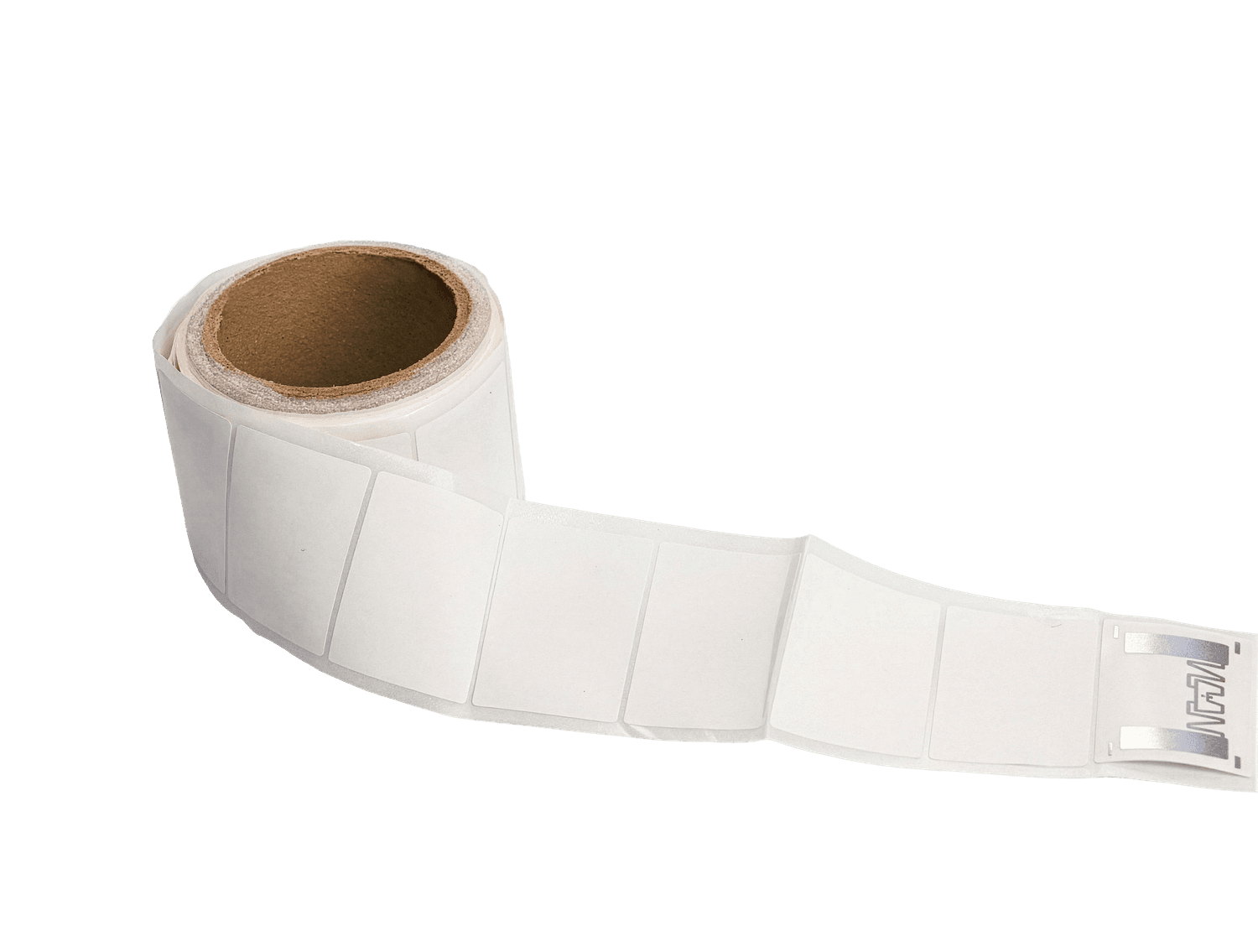
Nextwaves implements a hybrid Real-Time Location System (RTLS). We use Passive UHF RFID for high-volume consumables and low-cost assets (linen, files, meds), and Active (BLE/Wi-Fi) tracking for high-value mobile equipment.
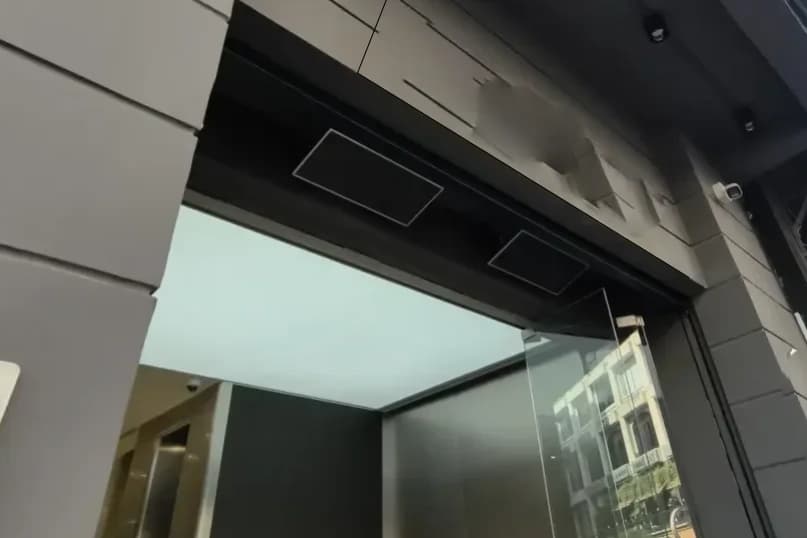
Our 'Smart Cabinets' automatically track every vial of medication taken, updating the patient record and inventory instantly. Our ceiling-mounted arrays track the movement of beds and pumps throughout the facility, visualizing them on a digital map.
This system creates a 'Chain of Custody'. We know exactly who took the drug, for which patient, and when. We know exactly where the infusion pump is, and if it has been cleaned since its last use.
Klinik va moliyaviy ROI
Bemor xavfsizligi
'Hech qachon bo'lmagan hodisalar'ning oldini oling. Avtomatlashtirilgan tekshiruvlar to'g'ri dori, to'g'ri doza, to'g'ri bemorni ta'minlaydi.
Aktivlardan foydalanish
Mavjudligini oshirib, park hajmini 20% ga kamaytiring. Kerak bo'lmagan nasoslarni sotib olishni to'xtating.
Xodimlar qoniqishi
Hamshiralarga vaqtlarini qaytarib bering. Ularga logistika emas, balki parvarishga e'tibor qaratishga ruxsat bering.
Regulyator talablariga muvofiqlik
The Joint Commission (TJC) uchun avtomatlashtirilgan jurnallar. Sterillik va texnik xizmat ko'rsatishga muvofiqligini bir zumda isbotlang.
500 o'rinli travma markazi ER o'tkazuvchanligi va surunkali IV nasos yetishmovchiligi bilan kurashdi. Hamshiralar yo'qolgan uskunalar tufayli parvarish qilishda kechikishlar haqida xabar berishdi.
Bemorlarning maxfiyligi uchun mo'ljallangan
Healthcare RFID has a higher bar than retail. No patient name, diagnosis, or personally identifiable information (PII) is ever written to a tag. Tags carry only an anonymous token. a number that means nothing without access to the secure backend that links it to a patient record.
That database layer is encrypted, access-controlled, and audited. Clinicians see only the data their role permits. Administrators see utilization reports. No one sees patient data through the RFID layer itself. We are fully HIPAA-compliant by design, not by policy workaround.
Kuzatuvdan bashorat qilishgacha
Location data is just the start. When you have a continuous stream of where every asset and patient is, patterns emerge. We are working on models that can predict equipment bottlenecks 4–6 hours before they happen, giving charge nurses time to reassign before care is impacted.
On the horizon: beds that automatically report patient weight and pressure changes, smart cabinets that reorder medications before they run out, and OR scheduling that adjusts in real time based on actual equipment location, not assumptions.
Aqlli davolang.
Texnologiya qidiruv bilan shug'ullansin. Siz tejash bilan shug'ullanasiz.