Varlık Biriktirme ve Kayıp
Personel ekipmanı bulamadığı için, onu dolaplarda ve tavan karolarında biriktiriyor. Hastaneler gerekli filolarının %130'unu satın alıyor, ancak kullanım %40'ın altında kalıyor. Milyonlarca dolar boşta duruyor.
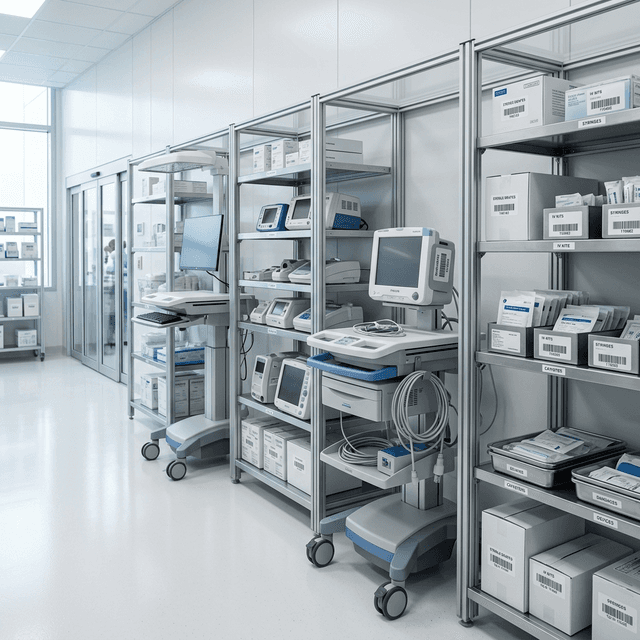



Hastaneler karmaşık ve kaotik ortamlardır; hayat-k ölüm kararları lojistiğe bağlıdır. Buna rağmen ortalama bir hemşire vardiyası başına 1 saatini — zamanının %12’sini — ekipman aramakla geçirir. IV pompaları, tekerlekli sandalyeleri, telemetri paketlerini ve yara vakum cihazlarını ararlar. Bu, “Hunt and Gather” (Arayıp Toplama) tıbbıdır.
Varlıkların ötesinde, ilaç yönetiminde de risk yüksektir. Yatan/ameliyathane arabası ve ilaç tepsilerinin manuel takibi, miadını dolduran ilaçların dolaşımda kalmasına yol açar. Tek bir ihmal bile bir Sentinel Event’e (kritik olay) neden olabilir.
Ayrıca hasta akışı şeffaf değildir. Acil servis veya ameliyathanedeki darboğazlar kapasiteyi ve hasta memnuniyetini düşürür. Veri olmadan yöneticiler personel planlamasını veya yatak devir hızını optimize edemez.
Personel ekipmanı bulamadığı için, onu dolaplarda ve tavan karolarında biriktiriyor. Hastaneler gerekli filolarının %130'unu satın alıyor, ancak kullanım %40'ın altında kalıyor. Milyonlarca dolar boşta duruyor.
Acil durum arabalarını manuel olarak yeniden stoklamak hataya açıktır. Kaçırılan süresi dolmuş bir epinefrin flakonu bir yükümlülüktür. İlaç saptırması (hırsızlık) da manuel kayıtların engelleyemediği büyüyen bir endişedir.
Bulaşıcı bir hasta ile hangi ekipmanın etkileşime girdiğini bilmek kritik öneme sahiptir. Dijital temas takibi olmadan, hastaneler varlıkları toplu olarak karantinaya almak zorunda kalır ve operasyonları aksatır.
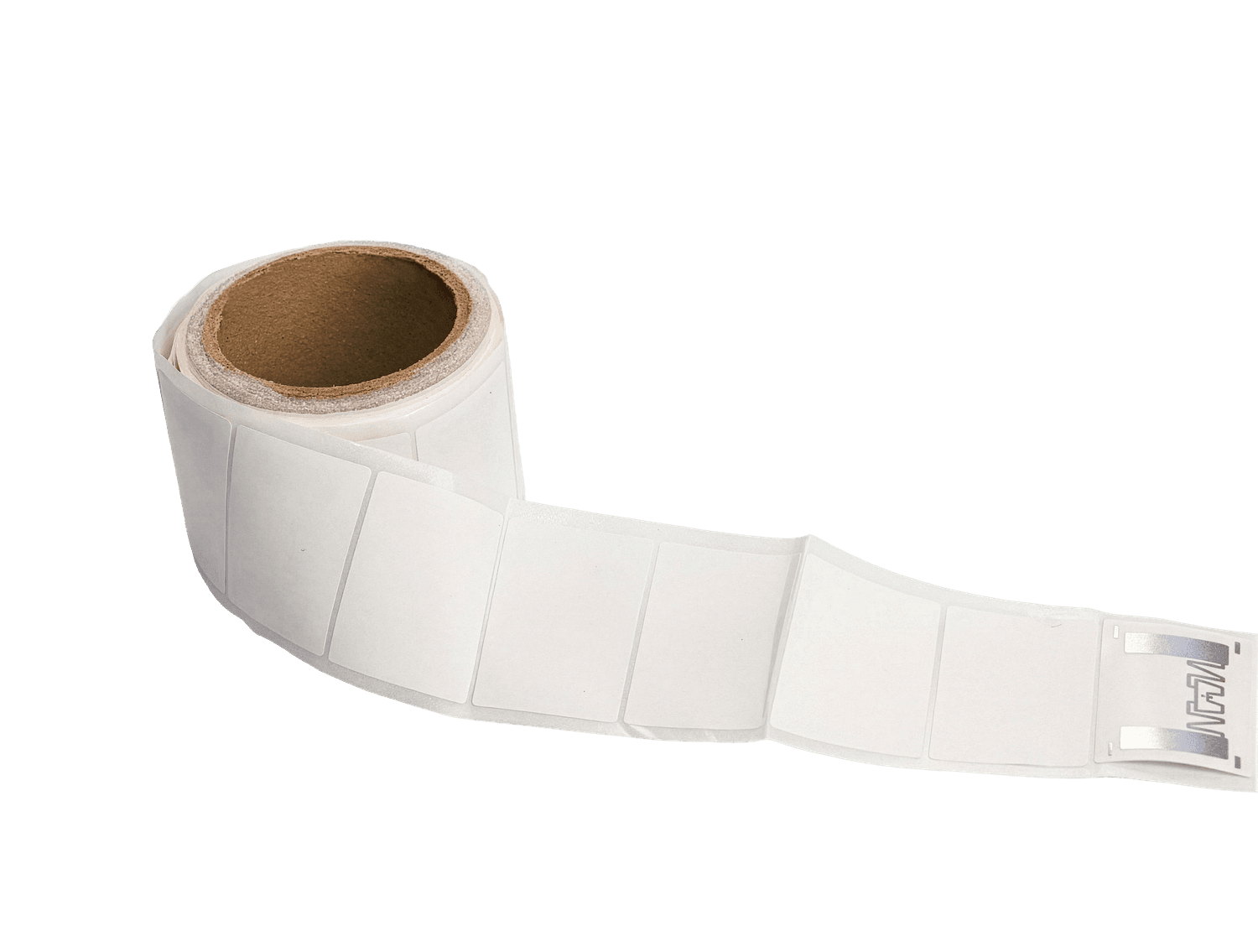
Nextwaves hibrit bir Real-Time Location System (RTLS) uygular. Yüksek hacimli sarf malzemeleri ve düşük maliyetli varlıklar için Passive UHF RFID kullanırız (çarşaflar, dosyalar, ilaçlar), yüksek değerli mobil ekipman için ise Active (BLE/Wi‑Fi) takip sistemleri kullanırız.
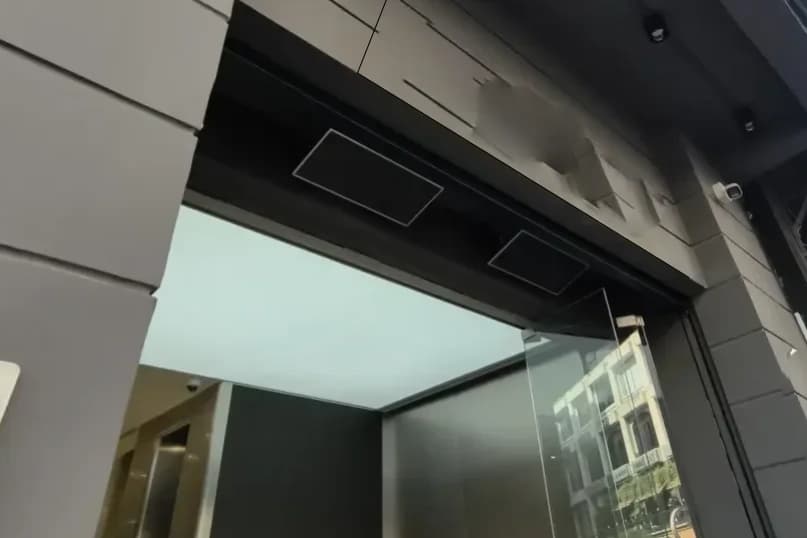
“Smart Cabinets” (Akıllı Dolaplar) sistemimiz, alınan her ilaç flakonunu otomatik olarak takip eder; hasta kaydını ve stok bilgisini anında günceller. Tavana monte diziler, hastanenin genelinde yatak ve pompaların hareketini takip ederek bunları dijital bir harita üzerinde görselleştirir.
Bu sistem bir “Chain of Custody” (Emanet Zinciri) oluşturur. İlacı kimin aldığı, hangi hasta için aldığı ve ne zaman aldığı tam olarak bilinir. İnfüzyon pompasının nerede olduğunu ve son kullanımdan sonra temizlenip temizlenmediğini de tam olarak biliriz.
'Asla Olmayan Olayları' önleyin. Otomatik kontroller, doğru ilacı, doğru dozu, doğru hastayı sağlar.
Kullanılabilirliği artırırken filo boyutunu %20 azaltın. İhtiyacınız olmayan pompaları almayı bırakın.
Hemşirelere zamanlarını geri verin. Onların lojistik yerine bakıma odaklanmalarını sağlayın.
The Joint Commission (TJC) için otomatik kayıtlar. Sterilite ve bakım uyumluluğunu anında kanıtlayın.
500 yataklı bir travma merkezi, acil servis verimliliği ve kronik IV pompa eksikliği ile mücadele ediyordu. Hemşireler, eksik ekipman nedeniyle bakımda gecikmeler bildiriyordu.
Sağlık alanında RFID, perakendeye göre daha yüksek bir standarda sahiptir. Hasta adı, tanı veya kişisel olarak tanımlayıcı bilgi (PII) hiçbir zaman bir etikete yazılmaz. Etiketler yalnızca anonim bir belirteç taşır; bu belirteç, güvenli arka uca erişim olmadan hiçbir anlam ifade etmez. Yani hasta kaydıyla ilişkilendirme yapılmadıkça işe yaramaz.
Bu veritabanı katmanı şifrelenir, erişim kontrolü uygulanır ve erişim günlükleri tutulur. Klinik personel yalnızca rolünün izin verdiği verileri görür. Yöneticiler kullanım raporlarını görür. Kimse RFID katmanı üzerinden doğrudan hasta verisi göremez. Biz bunu politika hilesiyle değil, tasarıma göre tamamen HIPAA uyumlu olacak şekilde kurguladık.
Konum verisi sadece başlangıç. Varlıkların ve hastaların nerede olduğuna dair kesintisiz bir veri akışına sahip olduğunuzda kalıplar ortaya çıkar. Donanım darboğazlarını gerçekleşmeden 4–6 saat önce öngörebilen modeller üzerinde çalışıyoruz; böylece hasta bakımı etkilenmeden önce servis hemşireleri yeniden atama yapma zamanını kazanır.
Ufukta: Hastanın ağırlığını ve basınç değişimlerini otomatik olarak raporlayan yataklar, bitmeden ilaçları yeniden sipariş eden akıllı dolaplar ve yalnızca varsayımlara değil, gerçek ekipman konumuna dayalı olarak anlık uyarlanan ameliyathane planlaması.
Dizüstü bilgisayarları ve BT ekipmanlarını RFID güvenlik kapıları, metal karşıtı etiketler ve otomatik denetimlerle koruyun.
Bırakın teknoloji aramayı halletsin. Siz tasarrufu yönetin.
If the kit doesn't fit your operation, return it within 30 days for a full refund.
The package price covers installation support, system configuration, and staff training — with no additional fees.