RFID replacement dossierUpdated: May 25, 2026

Zebra AN480Revizuire: Specificații și alternative

The Zebra AN480 is an industrial passive antenna element costing $200. Contrast its coaxial installation needs against Nextwaves integrated network panels.

Echipa de inginerie NextwavesRevizuire hardware5 min de citire

Technical verdict

Zebra AN480 is a mainstream hardware purchase, but it is not always the best architecture for direct RFID data integration.

Do not evaluate AN480 by list price alone. Its strongest fit is a project that already uses Type N Female, has time for RF tuning, and accepts extra middleware work. If the engineering team needs open APIs, realtime data, and faster edge-to-cloud deployment, Nextwaves NR155 is the stronger replacement path to evaluate.

Initial cost

$200 before deployment accessories

Published throughput

Not specified

Integration surface

Type N Female

Physical data

259 x 259 x 33 mm; 1.13 kg; IP: IP54

Published specs

Specifications to validate before replacing

Frecvență

Global (865-956 MHz)

Protocol

N/A (Passive Antenna Element)

Conectivitate

Type N Female

Grad de protecție IP

IP54

Dimensiuni

259 x 259 x 33 mm

Greutate

1.13 kg

Alimentare

N/A (Passive)

Rata de citire

N/A (Passive)

Preț estimat

$200

Deployment review

Operational strengths and risks

This summary is based on public specifications and does not replace an on-site RF survey.

Fit score

3.5/5

Strengths

  • Type N Female gives network teams a familiar integration surface instead of local-only collection.
  • N/A (Passive) can reduce separate power drops when switch PoE budget is available.
  • The $200 hardware baseline is easier to budget than premium fixed-reader configurations.
  • Throughput should be measured with real tags and antennas.

Validate

  • Quoted hardware price is not installed system cost; include antennas, cables, mounts, power, software, and configuration work.
  • RF performance depends on tag material, antenna position, transmit power, reader orientation, and site interference.
  • IP54 must be checked against dust, humidity, temperature, and cleaning requirements.
  • Raw RFID reads still need duplicate filtering, business-event mapping, and ERP/WMS integration before operations can use them.

Deployment review

Buying decision matrix

Best fit

Fixed UHF RFID projects that already use Type N Female and have time for RF tuning.

Weak fit

Do not compare device price only; total cost depends on accessories, software, and integration.

Deployment risk

IP54, N/A (Passive), 259 x 259 x 33 mm, and 1.13 kg must match the site layout.

Software risk

Plan for middleware, SDK work, duplicate filtering, and business-event mapping.

Alternative architecture

Zebra AN480 vs Nextwaves

01

Prezentare generală hardware

Dispozitivul RFID Zebra AN480 este un dispozitiv RFID de clasă industrială. Acesta funcționează în intervalul de Global (865-956 MHz) și suportă standardul N/A (Passive Antenna Element), fiind utilizat pe scară largă în aplicațiile de logistică enterprise.

Cu un grad de protecție IP de IP54, acesta oferă protecție împotriva anumitor condiții de mediu tipice în depozite sau în spatele magazinelor de vânzare cu amănuntul. Cititorul utilizează N/A (Passive) pentru performanțe continue, în timp ce rata maximă de citire declarată atinge N/A (Passive).

02

Conectivitate și integrare în rețea

În implementările moderne, integrarea în rețea este cel mai semnificativ obstacol. Acest model oferă Type N Female opțiuni pentru transferul datelor înapoi la sistemele centrale.

Cu toate acestea, un blocaj major cu hardware-ul Zebra moștenit este dependența puternică de SDK-uri proprietare (cum ar fi LLRP) sau de middleware IoT terțe costisitoare pentru a procesa datele brute ale etichetelor în informații de afaceri semnificative.

03

When to choose Nextwaves instead of another closed reader

Dacă echipa dvs. de ingineri evaluează Zebra AN480, Nextwaves NR155 prezintă o arhitectură nativă cloud mult superioară. Sistemele legacy generează în mod inerent cheltuieli de capital ridicate prin blocarea furnizorului și ecosisteme software proprietare.

Nextwaves elimină complet această barieră, oferind un API REST MQTT standard direct pe dispozitiv. Dezvoltatorii dvs. de software pot integra citirea etichetelor direct în backend-ul dvs. ERP sau WMS personalizat în câteva zile, în loc de luni, ocolind complet taxele recurente de licențiere middleware.

Alternative architecture

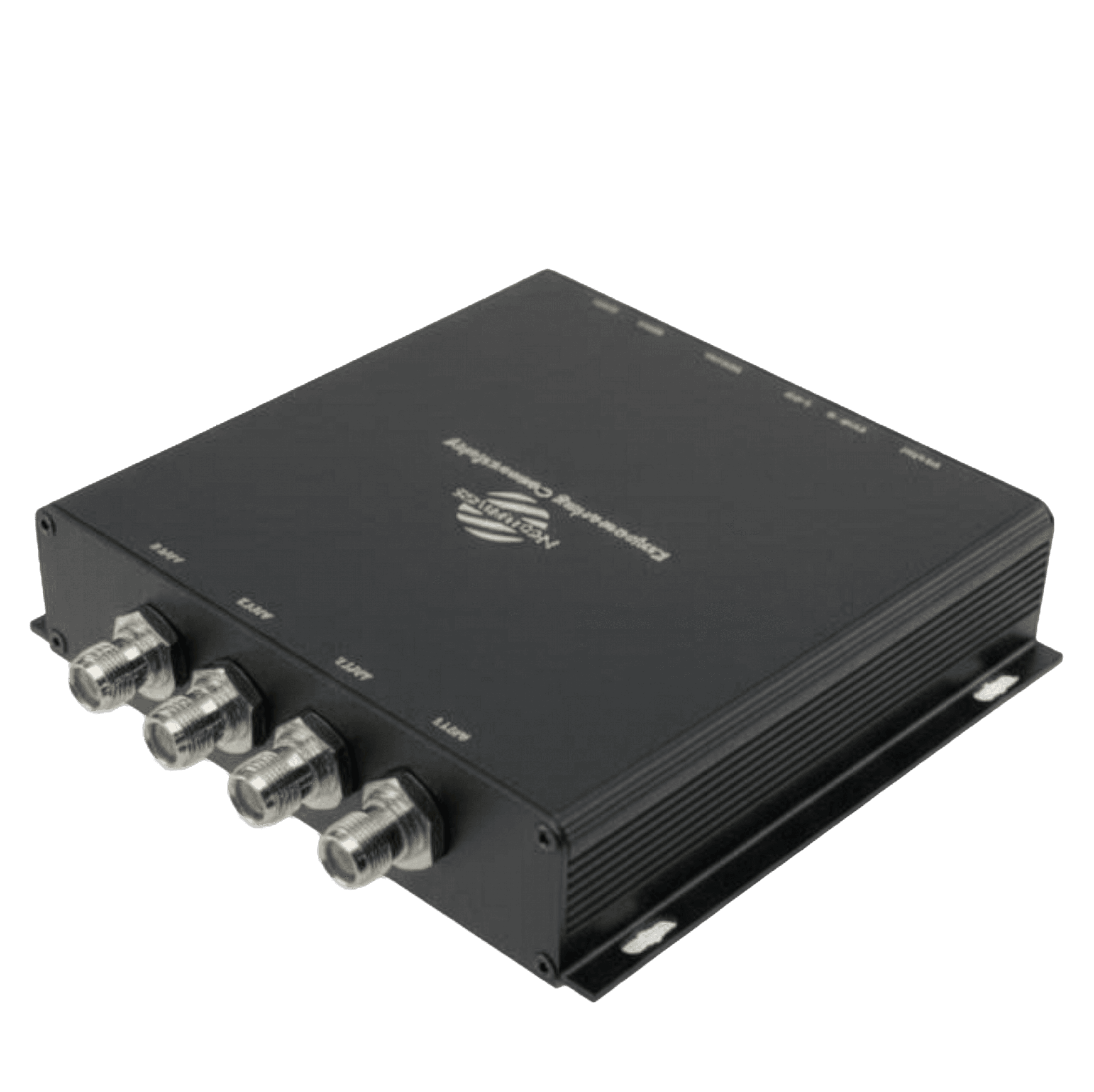
Cititor RFID UHF IoT Fix NR155

API-uri MQTT/REST native în cloud încorporate. Fără SDK-uri proprietare, fără licențiere middleware. Integrați-vă direct cu ERP-ul sau WMS-ul dvs. în câteva zile.

View Nextwaves NR155
Nextwaves NR155 Fixed IoT UHF RFID Reader

Porturi antenă

4 x porturi RP-TNC

Viteză de citire

Până la 400 de etichete/secundă

Putere de ieșire

0–33 dBm (pași de 1dB)

Protocol de rețea

MQTT / MQTTS

FAQ

Întrebări frecvente

These answers help purchasing and engineering teams review cost, integration, and deployment risk.

01

Ce este AN480?

The Zebra AN480 is a passive indoor/outdoor RFID antenna panel. Operating seamlessly across both EU and US Global (865-956 MHz) bands within a single footprint, it functions strictly to bounce UHF energy pushed from a standalone interrogator unit.

02

Cât costă inițial această configurație?

Hardware modules start at $200. This price omits the fundamental components required for operation such as an active reader, massive low-loss RF cabling, heavy-duty swivel brackets, and enterprise integration licenses.

03

De ce ar trebui să aleg Nextwaves în schimb?

Constructing portal systems using separate passive plates forces operators to balance coaxial cable lengths exactly. Nextwaves integrates high-power antennas directly onto an active reader board communicating over standard CAT6 PoE lines.

04

Este hardware-ul suficient de durabil pentru depozite?

Tipping the scales at 1.13 kg with a 259 x 259 x 33 mm square footprint, it boasts an IP54 enclosure rating. While robust against general manufacturing grit, it remains vulnerable to high-pressure wash-downs.

05

Suportă mai multe tipuri de rețea?

This is a primitive RF instrument and contains zero logic ports. Its sole connection is a heavily shielded Type N Female socket requiring thick LMR-240 or LMR-400 coaxial cabling trailing back to central readers.

06

Poate echipa mea să instaleze acest lucru intern?

Operations teams routinely mount this slab to factory ceiling trusses. Critical calibration hinges heavily upon aligning the antenna array pitch angles accurately and measuring RF attenuation bleeding across the thick coaxial wires.

07

Cum funcționează gestionarea de la distanță?

Functioning as a static metal element, it is entirely ignorant of software or firmware logic. Throughput relies 100% on the backend intelligence of the attached interrogator module.

08

Am nevoie de software proprietar pentru a-l rula?

You cannot route network signals into this device. Developers and network engineers instead interface entirely with the external proprietary reader hardware hooked to the Type N Female port.

09

Ce garanție are cititorul?

Due to its simplistic nature, standard manufacturing defect protection covers it for a single year. Passive components typically perform reliably for decades barring extreme weather, vandalism, or severed coaxial leads.

10

Antenele se vând separat?

Providing roughly 6.0 dBi Circularly polarized gain across a wide Global (865-956 MHz) sweeping bandwidth, it perfectly accommodates global deployments requiring a standardized installation footprint across varying RF locales.