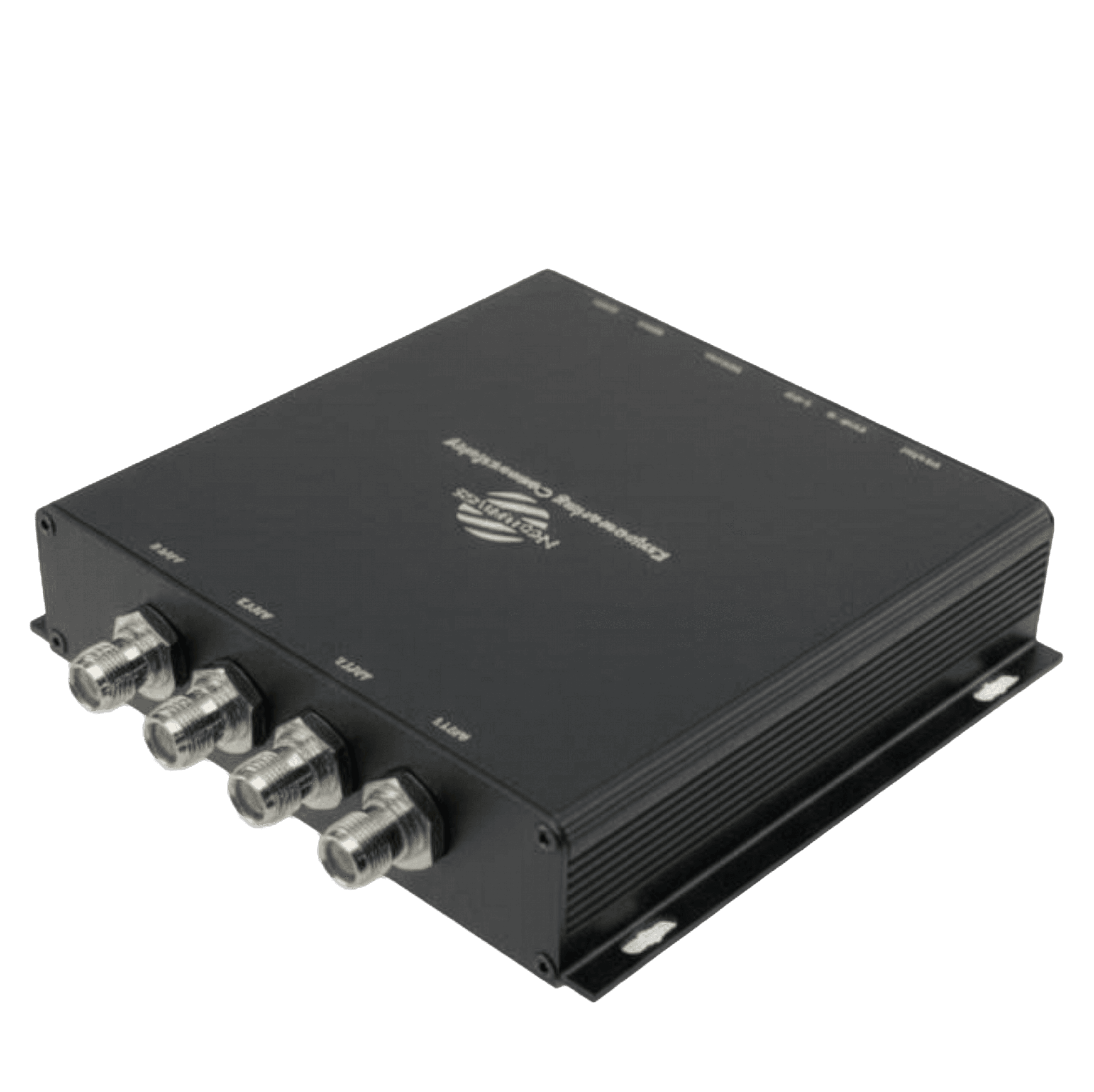
The Nordic ID Stix is an ultra-portable $300 USB dongle scanner. Compare its limited range and strict OS requirements to Nextwaves autonomic endpoints.
Specificații tehnice
Prezentare generală hardware
Dispozitivul RFID Nordic ID Stix este un dispozitiv RFID de clasă industrială. Acesta funcționează în intervalul de 865-868 MHz (EU) / 902-928 MHz (US) și suportă standardul EPC Class 1 Gen 2, fiind utilizat pe scară largă în aplicațiile de logistică enterprise.
Cu un grad de protecție IP de indoor rating, acesta oferă protecție împotriva anumitor condiții de mediu tipice în depozite sau în spatele magazinelor de vânzare cu amănuntul. Cititorul utilizează USB Bus Power pentru performanțe continue, în timp ce rata maximă de citire declarată atinge low speed short range.
Conectivitate și integrare în rețea
În implementările moderne, integrarea în rețea este cel mai semnificativ obstacol. Acest model oferă USB 2.0 Dongle opțiuni pentru transferul datelor înapoi la sistemele centrale.
Cu toate acestea, un blocaj major cu hardware-ul Nordic ID moștenit este dependența puternică de SDK-uri proprietare (cum ar fi LLRP) sau de middleware IoT terțe costisitoare pentru a procesa datele brute ale etichetelor în informații de afaceri semnificative.
Alternativa Nextwaves
Dacă echipa dvs. de ingineri evaluează Nordic ID Stix, Nextwaves NR155 prezintă o arhitectură nativă cloud mult superioară. Sistemele legacy generează în mod inerent cheltuieli de capital ridicate prin blocarea furnizorului și ecosisteme software proprietare.
Nextwaves elimină complet această barieră, oferind un API REST MQTT standard direct pe dispozitiv. Dezvoltatorii dvs. de software pot integra citirea etichetelor direct în backend-ul dvs. ERP sau WMS personalizat în câteva zile, în loc de luni, ocolind complet taxele recurente de licențiere middleware.
Întrebări frecvente
Ce este Stix?
The Nordic ID Stix is arguably the smallest UHF RFID reader available. Fitting the form factor of a USB thumb-drive, it translates EPC Class 1 Gen 2 data across the 865-868 MHz (EU) / 902-928 MHz (US) bands for simple PC-based encoding tasks.
Cât costă inițial această configurație?
Priced around $300, it represents the absolute baseline in RFID hardware. Because it siphons USB Bus Power, it requires zero external integration hardware other than a supported laptop or tablet running host daemon logic.
De ce ar trebui să aleg Nextwaves în schimb?
Nextwaves hardware endpoints operate entirely autonomously. Unlike the Stix, which requires a live localized PC to execute code, Nextwaves processors bridge logic autonomously over secure HTTP without host dependence.
Este hardware-ul suficient de durabil pentru depozite?
The minuscule plastic stick weighs just 22 g with dimensions checking in at a tiny 53 x 79 x 7 mm. Functioning under an indoor rating footprint, it is inherently vulnerable to physical snapping, liquids, and extreme temperatures.
Suportă mai multe tipuri de rețea?
Its sole data path is the physical USB 2.0 Dongle slot. There is no integrated Wi-Fi or Bluetooth; it relies completely on the security software of the laptop it is plugged into for enterprise routing safety.
Poate echipa mea să instaleze acest lucru intern?
Integration demands running Nordic ID SDK drivers on the host computer. Unlike keyboard emulation wedges, developers must write listener scripts locally to pull data strings from the USB wrapper.
Cum funcționează gestionarea de la distanță?
Operating at extremely low wattage, it registers low speed short range captures. The device requires physical firmware patching through Nordic's configuration utilities and cannot receive silent OTA upgrades.
Am nevoie de software proprietar pentru a-l rula?
A complete system hinges on developers architecting proprietary bridging software to intercept reads from the USB 2.0 Dongle serial path and formatting them rapidly into REST calls directed at your cloud network.
Ce garanție are cititorul?
The basic USB hardware carries a standard one-year warranty. The form factor is inherently fragile, making physical destruction equally likely as standard semiconductor defects during regular handling.
Antenele se vând separat?
A microscopic antenna is layered across the PCB, tuned to 865-868 MHz (EU) / 902-928 MHz (US) variations. Total read range is intentionally crippled to roughly 1 meter maximum, preventing crosstalk interference.