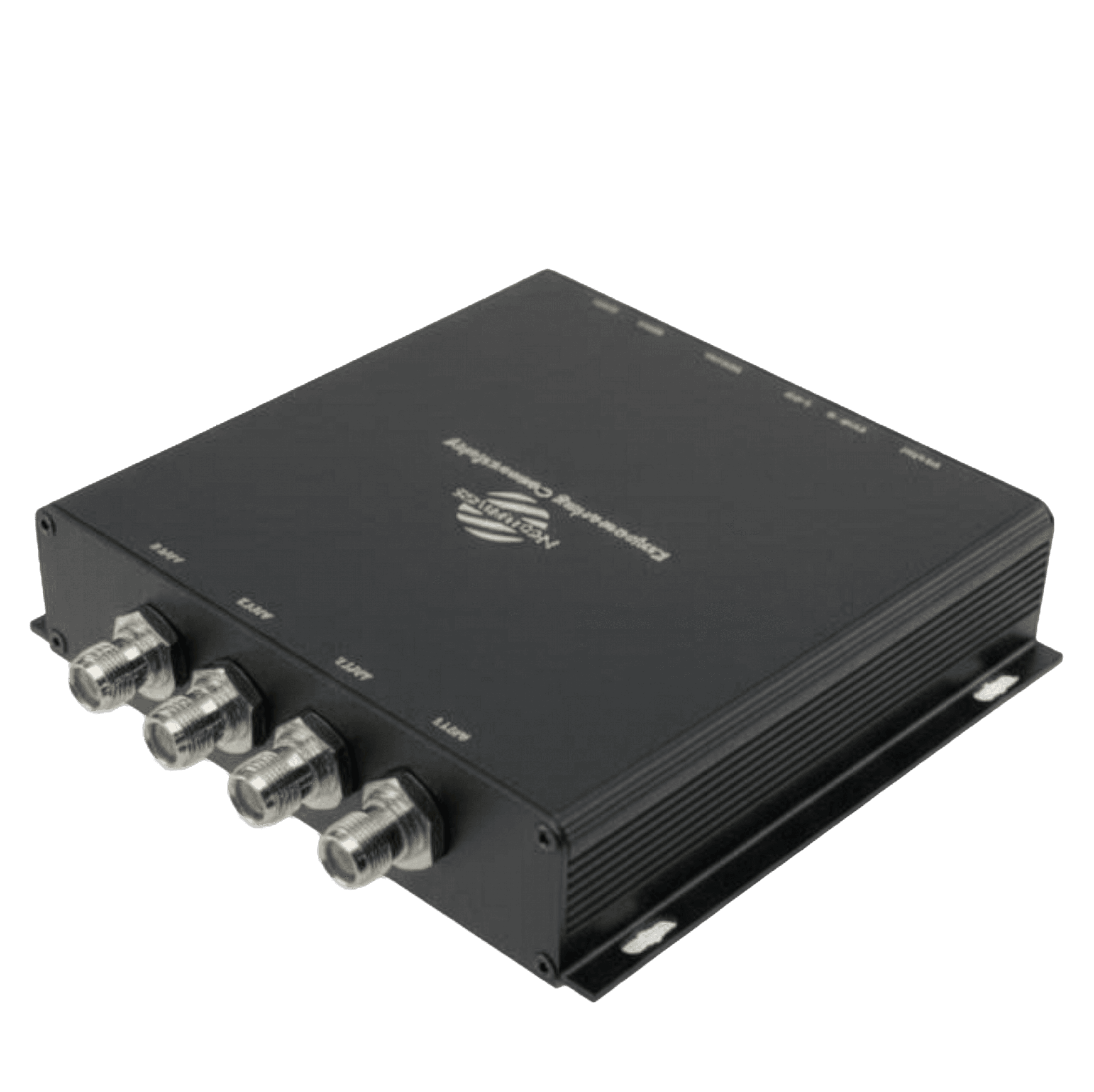
The Honeywell IH45 is a Bluetooth sled carrying a $1200 MSRP. Review its physical specifications and architectural requirements vs Nextwaves native cloud endpoints.
Specificații tehnice
Prezentare generală hardware
Dispozitivul RFID Honeywell IH45 este un dispozitiv RFID de clasă industrială. Acesta funcționează în intervalul de 865-868 MHz / 902-928 MHz și suportă standardul EPC Gen2 V2, ISO 18000-63, fiind utilizat pe scară largă în aplicațiile de logistică enterprise.
Cu un grad de protecție IP de IP54, acesta oferă protecție împotriva anumitor condiții de mediu tipice în depozite sau în spatele magazinelor de vânzare cu amănuntul. Cititorul utilizează Li-Poly 3.8V 4000mAh pentru performanțe continue, în timp ce rata maximă de citire declarată atinge ~900 tags/sec.
Conectivitate și integrare în rețea
În implementările moderne, integrarea în rețea este cel mai semnificativ obstacol. Acest model oferă Bluetooth 5.0, BLE opțiuni pentru transferul datelor înapoi la sistemele centrale.
Cu toate acestea, un blocaj major cu hardware-ul Honeywell moștenit este dependența puternică de SDK-uri proprietare (cum ar fi LLRP) sau de middleware IoT terțe costisitoare pentru a procesa datele brute ale etichetelor în informații de afaceri semnificative.
Alternativa Nextwaves
Dacă echipa dvs. de ingineri evaluează Honeywell IH45, Nextwaves NR155 prezintă o arhitectură nativă cloud mult superioară. Sistemele legacy generează în mod inerent cheltuieli de capital ridicate prin blocarea furnizorului și ecosisteme software proprietare.
Nextwaves elimină complet această barieră, oferind un API REST MQTT standard direct pe dispozitiv. Dezvoltatorii dvs. de software pot integra citirea etichetelor direct în backend-ul dvs. ERP sau WMS personalizat în câteva zile, în loc de luni, ocolind complet taxele recurente de licențiere middleware.
Întrebări frecvente
Ce este IH45?
The Honeywell IH45 is an ergonomic UHF RFID sled designed to piggyback on compatible mobile computers. Operating across 865-868 MHz / 902-928 MHz blocks, it conforms to EPC Gen2 V2, ISO 18000-63 logic for commercial inventory sweeping.
Cât costă inițial această configurație?
Hardware configurations sit around $1200 MSRP. The final hardware budget must include the sled, replacement Li-Poly 3.8V 4000mAh batteries, gang chargers, and the mandatory secondary smartphone or terminal.
De ce ar trebui să aleg Nextwaves în schimb?
Nextwaves hardware features integrated processors that run open REST/MQTT protocols natively. Developers achieve a direct web-to-cloud path without compiling separate Android Bluetooth bridging software.
Este hardware-ul suficient de durabil pentru depozite?
The bare sled weighs 450 g (without mobile) and measures 190 x 79 x 154 mm. It features an IP54 ingress protection rating, preventing mild dust accumulation and splashing within sheltered retail floors.
Suportă mai multe tipuri de rețea?
The core data link relies entirely on Bluetooth 5.0, BLE protocols. Consequently, the sled never talks directly to your IT networks; it communicates strictly via its host Android or iOS phone interface.
Poate echipa mea să instaleze acest lucru intern?
Assembly dictates sliding the host terminal into a mechanical bracket. Software integration requires utilizing Honeywell's SDK libraries to instruct the phone to send GATT profile commands to trigger the reader module.
Cum funcționează gestionarea de la distanță?
The internal interrogator can sustain roughly ~900 tags/sec sweeps. Firmware updates or specialized configuration changes must be deployed over-the-air (OTA) via the coupled mobile device.
Am nevoie de software proprietar pentru a-l rula?
In a traditional workflow, developers must build Android/iOS applications to act as middleware, wrapping Bluetooth 5.0, BLE reads into HTTPS packets before relaying them to an external CRM.
Ce garanție are cititorul?
A base manufacturer warranty covers standard defects for 12 months. Maintenance contracts for sleds are complex because operators must individually manage the service life of both the sled and the coupled phone.
Antenele se vând separat?
A linearly polarized integrated antenna broadcasts scanning energy over the 865-868 MHz / 902-928 MHz ranges. This orientation achieves greater range but requires operators to align the sled explicitly with typical tag placements.