RFID replacement dossierUpdated: May 25, 2026

Zebra AN510Recenzja: Specyfikacje i alternatywy

The Zebra AN510 is an indoor/outdoor passive antenna. Compare its deployment costs against standalone active edge node setups by Nextwaves.

Zespół inżynierów NextwavesPrzegląd sprzętu5 min czytania

Technical verdict

Zebra AN510 is a mainstream hardware purchase, but it is not always the best architecture for direct RFID data integration.

Do not evaluate AN510 by list price alone. Its strongest fit is a project that already uses Coaxial Type N Female, has time for RF tuning, and accepts extra middleware work. If the engineering team needs open APIs, realtime data, and faster edge-to-cloud deployment, Nextwaves NR155 is the stronger replacement path to evaluate.

Initial cost

$150 before deployment accessories

Published throughput

Not specified

Integration surface

Coaxial Type N Female

Physical data

250 x 250 x 14 mm; 0.75 kg; IP: IP67

Published specs

Specifications to validate before replacing

Częstotliwość

902-928 MHz / 865-868 MHz

Protokół

N/A (Passive Antenna Element)

Łączność

Coaxial Type N Female

Stopień ochrony IP

IP67

Wymiary

250 x 250 x 14 mm

Waga

0.75 kg

Zasilanie

N/A (Passive)

Szybkość odczytu

N/A (Passive)

Szacowana cena

$150

Deployment review

Operational strengths and risks

This summary is based on public specifications and does not replace an on-site RF survey.

Fit score

3.5/5

Strengths

  • Coaxial Type N Female gives network teams a familiar integration surface instead of local-only collection.
  • N/A (Passive) can reduce separate power drops when switch PoE budget is available.
  • The $150 hardware baseline is easier to budget than premium fixed-reader configurations.
  • Throughput should be measured with real tags and antennas.

Validate

  • Quoted hardware price is not installed system cost; include antennas, cables, mounts, power, software, and configuration work.
  • RF performance depends on tag material, antenna position, transmit power, reader orientation, and site interference.
  • IP67 must be checked against dust, humidity, temperature, and cleaning requirements.
  • Raw RFID reads still need duplicate filtering, business-event mapping, and ERP/WMS integration before operations can use them.

Deployment review

Buying decision matrix

Best fit

Fixed UHF RFID projects that already use Coaxial Type N Female and have time for RF tuning.

Weak fit

Do not compare device price only; total cost depends on accessories, software, and integration.

Deployment risk

IP67, N/A (Passive), 250 x 250 x 14 mm, and 0.75 kg must match the site layout.

Software risk

Plan for middleware, SDK work, duplicate filtering, and business-event mapping.

Alternative architecture

Zebra AN510 vs Nextwaves

01

Przegląd sprzętu

Urządzenie Zebra AN510 to przemysłowe urządzenie RFID. Działa w zakresie 902-928 MHz / 865-868 MHz i obsługuje standard N/A (Passive Antenna Element), co sprawia, że jest szeroko stosowane w aplikacjach logistycznych w przedsiębiorstwach.

Dzięki stopniu ochrony IP IP67 zapewnia ochronę przed określonymi warunkami środowiskowymi typowymi dla magazynów lub zapleczy sklepów. Czytnik wykorzystuje N/A (Passive) do ciągłej pracy, a jego deklarowana maksymalna prędkość odczytu wynosi N/A (Passive).

02

Łączność i integracja sieciowa

We współczesnych wdrożeniach integracja sieciowa jest największą przeszkodą. Ten model oferuje Coaxial Type N Female opcji przesyłania danych z powrotem do systemów centralnych.

Jednak głównym wąskim gardłem w przypadku starszego sprzętu Zebra jest duże uzależnienie od zastrzeżonych SDK (takich jak LLRP) lub drogiego oprogramowania pośredniczącego IoT innych firm w celu przetworzenia surowych danych tagów na wartościowe informacje biznesowe.

03

When to choose Nextwaves instead of another closed reader

Jeśli Twój zespół inżynierów ocenia urządzenie Zebra AN510, Nextwaves NR155 prezentuje znacznie lepszą architekturę natywną dla chmury. Systemy starszego typu z natury rzeczy generują wysokie wydatki kapitałowe poprzez uzależnienie od dostawcy i zastrzeżone ekosystemy oprogramowania.

Nextwaves całkowicie eliminuje tę barierę, zapewniając standardowy interfejs API MQTT REST bezpośrednio na urządzeniu. Twoi programiści mogą zintegrować odczyt tagów bezpośrednio z niestandardowym zapleczem ERP lub WMS w ciągu kilku dni, a nie miesięcy, całkowicie pomijając powtarzające się opłaty licencyjne za oprogramowanie pośredniczące.

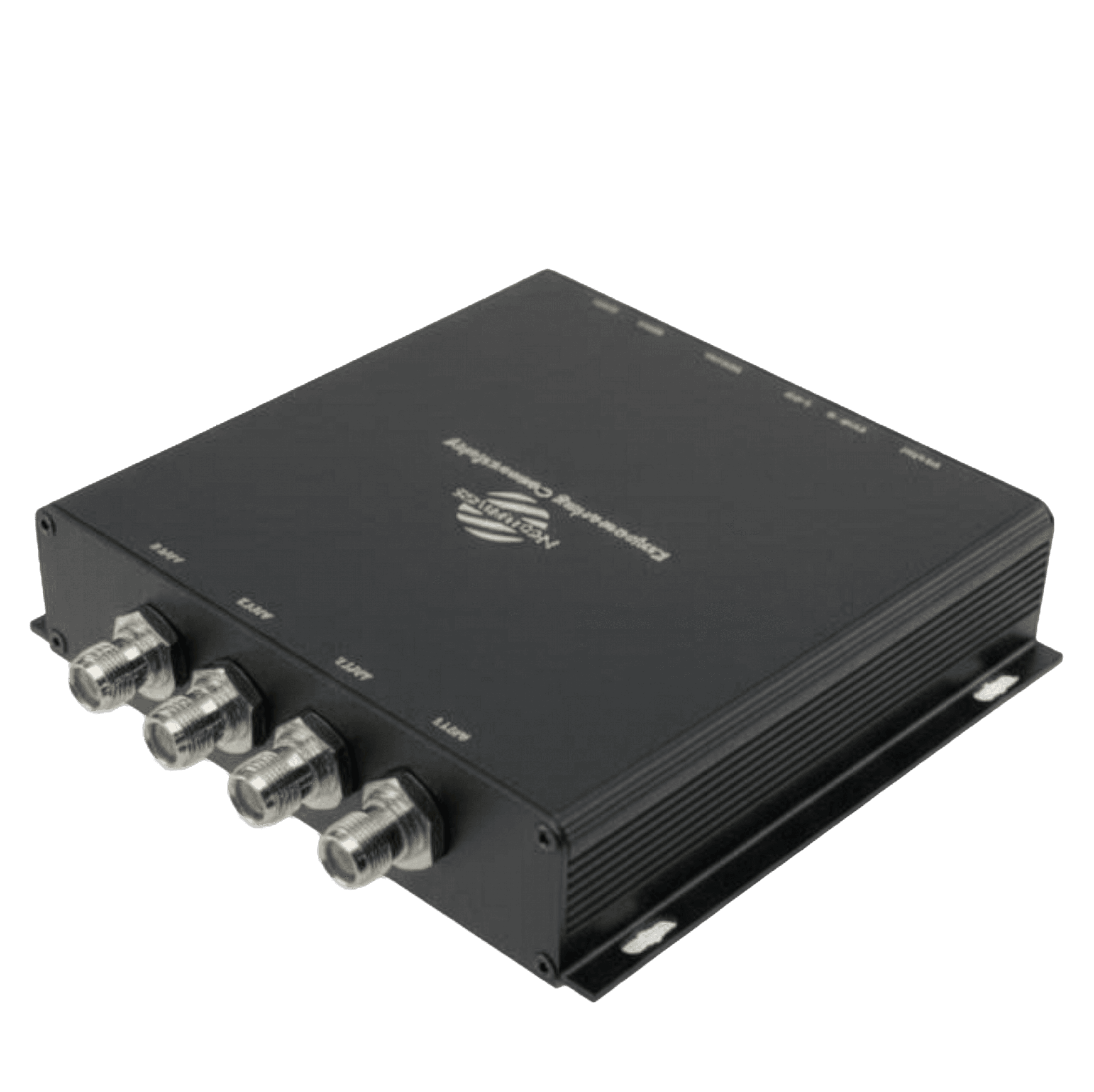
Alternative architecture

Stacjonarny czytnik IoT UHF RFID NR155

Wbudowane natywne dla chmury interfejsy API MQTT/REST. Brak zastrzeżonych SDK, brak licencji na oprogramowanie pośredniczące. Zintegruj się bezpośrednio ze swoim ERP lub WMS w ciągu kilku dni.

View Nextwaves NR155
Nextwaves NR155 Fixed IoT UHF RFID Reader

Porty antenowe

4 x porty RP-TNC

Szybkość odczytu

Do 400 tagów/sekundę

Moc wyjściowa

0–33 dBm (kroki co 1dB)

Protokół sieciowy

MQTT / MQTTS

FAQ

Najczęściej zadawane pytania

These answers help purchasing and engineering teams review cost, integration, and deployment risk.

01

Czym jest AN510?

The Zebra AN510 is an extraordinarily thin, low-profile RFID antenna engineered specifically for retail or customer-facing environments. It functions over both EU and US 902-928 MHz / 865-868 MHz bands purely as a passive broadcast plate.

02

Ile kosztuje początkowo ta konfiguracja?

Base plates retail for around $150. Total project costs spike sharply when adding low-loss specialized coaxial cables, wall mounting hardware, and the necessary standalone active interrogator required to pulse energy into the antenna.

03

Dlaczego powinienem wybrać Nextwaves?

Discrete antenna implementations demand complex RF cable routing behind walls. Nextwaves simplifies infrastructure by embedding enterprise-grade antennas directly over active logic boards powered through simple PoE.

04

Czy ten sprzęt jest wystarczająco wytrzymały dla magazynów?

Measuring a sleek 250 x 250 x 14 mm and weighing just 0.75 kg, it is highly inconspicuous. Despite its aesthetic design, it retains a rugged IP67 rating, effectively resisting condensation, dust, and wash-downs.

05

Czy obsługuje wiele typów sieci?

This element has no network switch capability. It connects physically to active portal readers strictly via heavily shielded Coaxial Type N Female connections.

06

Czy mój zespół może to zainstalować wewnętrznie?

Installers affix the plate flush against retail drywall or checkout countertops. Critical setup entails tuning the external reader module to compensate for decibel signal loss propagating through the N-Type cables.

07

Jak działa zdalne zarządzanie?

Being purely passive, it maintains a N/A (Passive) rating. Speed metrics are governed entirely by the capacity of the master interrogator hardware managing the RF waves.

08

Czy potrzebuję autorskiego oprogramowania, aby to uruchomić?

It requires absolutely no direct middleware because it operates solely as a piece of metal. Software developers must interface with the APIs exposed by the proprietary proprietary reader driving the RF signals.

09

Jaka gwarancja jest dołączona do czytnika?

Constructed to weather industrial and retail wear, its IP67 housing holds a standard one-year warranty, mainly protecting against failed interior lead soldering.

10

Czy anteny są sprzedawane oddzielnie?

Producing approximately 5.0 dBic in Right-Hand or Left-Hand Circular polarization depending on configuration. Wide coverage over the 902-928 MHz / 865-868 MHz block ensures reliable tag illumination in chaotic zones.