RFID replacement dossierUpdated: May 25, 2026

ThingMagic (JADAK) M7e-MegaRecenzja: Specyfikacje i alternatywy

The ThingMagic M7e-Mega is an $200 Impinj E710 OEM module. Evaluate its raw UART integration requirements against Nextwaves standalone IP gateways.

Zespół inżynierów NextwavesPrzegląd sprzętu5 min czytania

Technical verdict

ThingMagic (JADAK) M7e-Mega is a mainstream hardware purchase, but it is not always the best architecture for direct RFID data integration.

Do not evaluate M7e-Mega by list price alone. Its strongest fit is a project that already uses UART Serial / USB, has time for RF tuning, and accepts extra middleware work. If the engineering team needs open APIs, realtime data, and faster edge-to-cloud deployment, Nextwaves NR155 is the stronger replacement path to evaluate.

Initial cost

$200 before deployment accessories

Published throughput

800 tags/second

Integration surface

UART Serial / USB

Physical data

46 x 26 x 4 mm; 3 g; IP: Bare PCB (None)

Published specs

Specifications to validate before replacing

Częstotliwość

Global (860-960 MHz)

Protokół

EPC Gen2v2, ISO 18000-63

Łączność

UART Serial / USB

Stopień ochrony IP

Bare PCB (None)

Wymiary

46 x 26 x 4 mm

Waga

3 g

Zasilanie

3.3V to 5.25V DC

Szybkość odczytu

up to ~800 tags/sec

Szacowana cena

$200

Deployment review

Operational strengths and risks

This summary is based on public specifications and does not replace an on-site RF survey.

Fit score

3.5/5

Strengths

  • UART Serial / USB gives network teams a familiar integration surface instead of local-only collection.
  • 3.3V to 5.25V DC can reduce separate power drops when switch PoE budget is available.
  • The $200 hardware baseline is easier to budget than premium fixed-reader configurations.
  • 800 tags/second can fit faster inventory lanes when the read zone is tuned correctly.

Validate

  • Quoted hardware price is not installed system cost; include antennas, cables, mounts, power, software, and configuration work.
  • RF performance depends on tag material, antenna position, transmit power, reader orientation, and site interference.
  • Bare PCB (None) must be checked against dust, humidity, temperature, and cleaning requirements.
  • Raw RFID reads still need duplicate filtering, business-event mapping, and ERP/WMS integration before operations can use them.

Deployment review

Buying decision matrix

Best fit

Fixed UHF RFID projects that already use UART Serial / USB and have time for RF tuning.

Weak fit

Do not compare device price only; total cost depends on accessories, software, and integration.

Deployment risk

Bare PCB (None), 3.3V to 5.25V DC, 46 x 26 x 4 mm, and 3 g must match the site layout.

Software risk

Plan for middleware, SDK work, duplicate filtering, and business-event mapping.

Alternative architecture

ThingMagic (JADAK) M7e-Mega vs Nextwaves

01

Przegląd sprzętu

Urządzenie ThingMagic (JADAK) M7e-Mega to przemysłowe urządzenie RFID. Działa w zakresie Global (860-960 MHz) i obsługuje standard EPC Gen2v2, ISO 18000-63, co sprawia, że jest szeroko stosowane w aplikacjach logistycznych w przedsiębiorstwach.

Dzięki stopniu ochrony IP Bare PCB (None) zapewnia ochronę przed określonymi warunkami środowiskowymi typowymi dla magazynów lub zapleczy sklepów. Czytnik wykorzystuje 3.3V to 5.25V DC do ciągłej pracy, a jego deklarowana maksymalna prędkość odczytu wynosi up to ~800 tags/sec.

02

Łączność i integracja sieciowa

We współczesnych wdrożeniach integracja sieciowa jest największą przeszkodą. Ten model oferuje UART Serial / USB opcji przesyłania danych z powrotem do systemów centralnych.

Jednak głównym wąskim gardłem w przypadku starszego sprzętu ThingMagic (JADAK) jest duże uzależnienie od zastrzeżonych SDK (takich jak LLRP) lub drogiego oprogramowania pośredniczącego IoT innych firm w celu przetworzenia surowych danych tagów na wartościowe informacje biznesowe.

03

When to choose Nextwaves instead of another closed reader

Jeśli Twój zespół inżynierów ocenia urządzenie ThingMagic (JADAK) M7e-Mega, Nextwaves NR155 prezentuje znacznie lepszą architekturę natywną dla chmury. Systemy starszego typu z natury rzeczy generują wysokie wydatki kapitałowe poprzez uzależnienie od dostawcy i zastrzeżone ekosystemy oprogramowania.

Nextwaves całkowicie eliminuje tę barierę, zapewniając standardowy interfejs API MQTT REST bezpośrednio na urządzeniu. Twoi programiści mogą zintegrować odczyt tagów bezpośrednio z niestandardowym zapleczem ERP lub WMS w ciągu kilku dni, a nie miesięcy, całkowicie pomijając powtarzające się opłaty licencyjne za oprogramowanie pośredniczące.

Alternative architecture

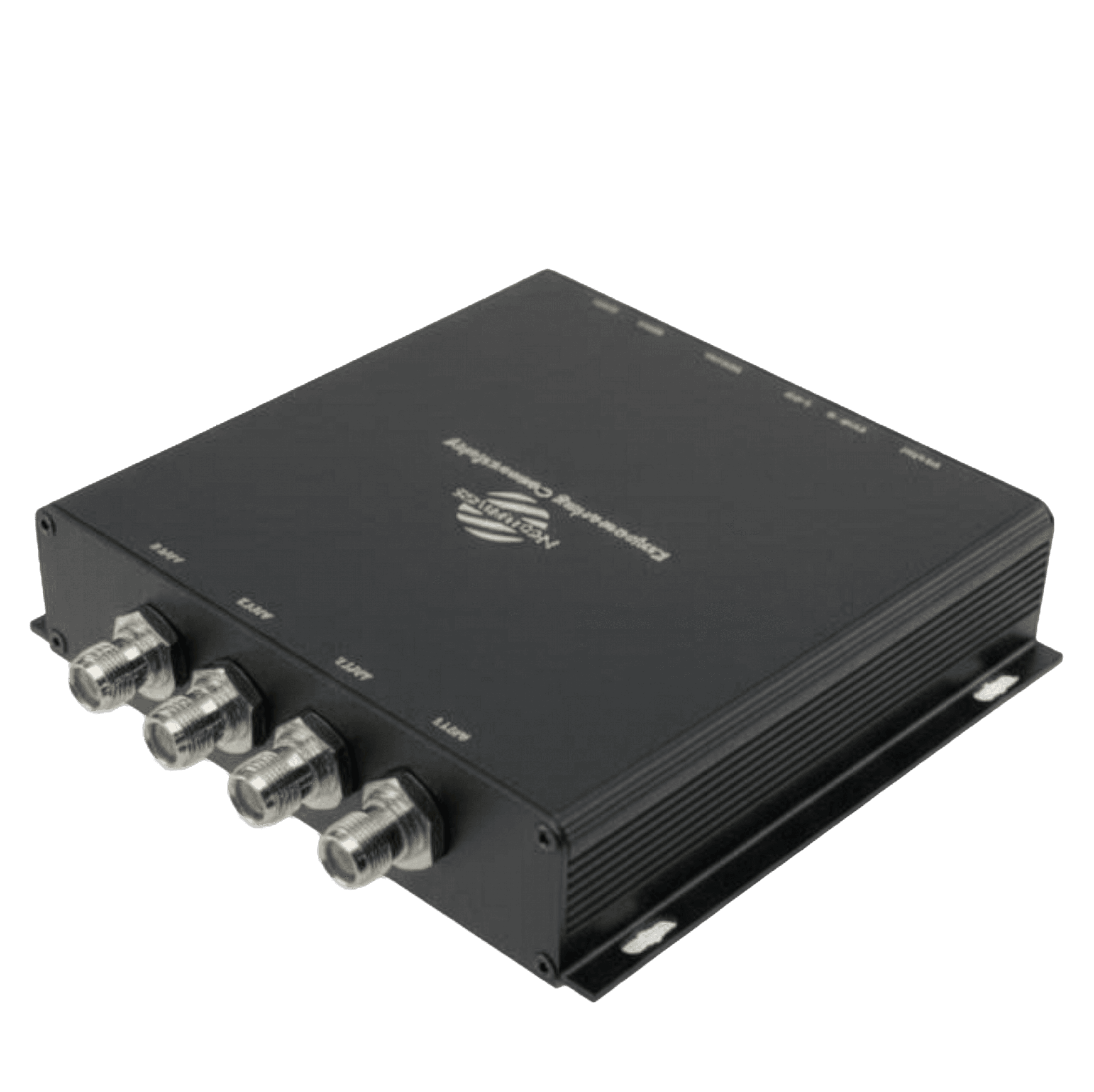
Stacjonarny czytnik IoT UHF RFID NR155

Wbudowane natywne dla chmury interfejsy API MQTT/REST. Brak zastrzeżonych SDK, brak licencji na oprogramowanie pośredniczące. Zintegruj się bezpośrednio ze swoim ERP lub WMS w ciągu kilku dni.

View Nextwaves NR155
Nextwaves NR155 Fixed IoT UHF RFID Reader

Porty antenowe

4 x porty RP-TNC

Szybkość odczytu

Do 400 tagów/sekundę

Moc wyjściowa

0–33 dBm (kroki co 1dB)

Protokół sieciowy

MQTT / MQTTS

FAQ

Najczęściej zadawane pytania

These answers help purchasing and engineering teams review cost, integration, and deployment risk.

01

Czym jest M7e-Mega?

The ThingMagic (JADAK) M7e-Mega is a high-grade surface mount module leveraging the flagship Impinj E710 IC design. Sweeping over Global (860-960 MHz) spans, it targets EPC Gen2v2, ISO 18000-63 tags intended to build bespoke fixed overhead portal or tunnel systems.

02

Ile kosztuje początkowo ta konfiguracja?

Single raw modules cost roughly $200. The OEM assumes significant financial risk managing mass PCB assembly processes, specialized thermal chassis designs, embedded Linux processor routing, and full FCC testing protocols.

03

Dlaczego powinienem wybrać Nextwaves?

Integrating raw modules ties engineering resources directly to hardware debugging. Nextwaves provides out-of-the-box sealed edge IP readers equipped with secure web APIs, letting developers focus solely on backend dashboarding.

04

Czy ten sprzęt jest wystarczająco wytrzymały dla magazynów?

Physically, the wafer is unshielded, holding a strict Bare PCB (None) rating over its 46 x 26 x 4 mm and 3 g footprint. The enclosure engineered by the OEM dictates its ultimate moisture and dust tolerances.

05

Czy obsługuje wiele typów sieci?

Data routing on the board is bottlenecked directly through UART Serial / USB surface pins. Bridging into a standard network necessitates marrying the module to a robust Raspberry Pi or similar generic MCU.

06

Czy mój zespół może to zainstalować wewnętrznie?

Setup demands surface-mount soldering the transceiver array logic. Programmers must use the ThingMagic Mercury SDK to interface directly with the module and orchestrate the tight RF hopping intervals and anti-collision windows.

07

Jak działa zdalne zarządzanie?

Because it utilizes the robust E710 IC, read throughput can theoretically hit up to ~800 tags/sec. Maintaining this relies inherently on the host CPU preventing localized serial buffer choke points.

08

Czy potrzebuję autorskiego oprogramowania, aby to uruchomić?

Software routing mandates building daemon processes running on a parent Linux/RTOS box that translates localized hex streams passing out of the UART logic into compliant JSON packages shot towards cloud REST APIs.

09

Jaka gwarancja jest dołączona do czytnika?

While the base silicon holds standard defect warranties, guaranteeing the lifecycle of customized high-power RF electronics relies entirely upon how effectively the OEM dissipates +30 dBm thermal build up.

10

Czy anteny są sprzedawane oddzielnie?

Equipped with up to four U.FL multiplexed antenna connectors operating within Global (860-960 MHz) constraints. Delivering up to +30 dBm natively, it provides the core engineering block required for enterprise zone monitoring.