RFID replacement dossierUpdated: May 25, 2026

CAEN RFID Quattro (R4321P)Recenzja: Specyfikacje i alternatywy

The CAEN RFID Quattro is a 4-port reader for indoor retail or smart cabinets. Compare its $1000 MSRP and specs to Nextwaves REST API controllers.

Zespół inżynierów NextwavesPrzegląd sprzętu5 min czytania

Technical verdict

CAEN RFID Quattro (R4321P) is a mainstream hardware purchase, but it is not always the best architecture for direct RFID data integration.

Do not evaluate Quattro (R4321P) by list price alone. Its strongest fit is a project that already uses Ethernet (PoE), USB, GPIO, has time for RF tuning, and accepts extra middleware work. If the engineering team needs open APIs, realtime data, and faster edge-to-cloud deployment, Nextwaves NR155 is the stronger replacement path to evaluate.

Initial cost

$1000 before deployment accessories

Published throughput

400 tags/second

Integration surface

Ethernet (PoE), USB, GPIO

Physical data

210 x 140 x 27 mm; 740 g; IP: IP30

Published specs

Specifications to validate before replacing

Częstotliwość

865.6-867.6 MHz (ETSI) / 902-928 MHz (FCC)

Protokół

EPC C1 G2, ISO 18000-63

Łączność

Ethernet (PoE), USB, GPIO

Stopień ochrony IP

IP30

Wymiary

210 x 140 x 27 mm

Waga

740 g

Zasilanie

5V DC or PoE (802.3af)

Szybkość odczytu

Up to 400 Kb/s

Szacowana cena

$1000

Deployment review

Operational strengths and risks

This summary is based on public specifications and does not replace an on-site RF survey.

Fit score

3.5/5

Strengths

  • Ethernet (PoE), USB, GPIO gives network teams a familiar integration surface instead of local-only collection.
  • 5V DC or PoE (802.3af) can reduce separate power drops when switch PoE budget is available.
  • The $1000 hardware baseline is easier to budget than premium fixed-reader configurations.
  • 400 tags/second can fit faster inventory lanes when the read zone is tuned correctly.

Validate

  • Quoted hardware price is not installed system cost; include antennas, cables, mounts, power, software, and configuration work.
  • RF performance depends on tag material, antenna position, transmit power, reader orientation, and site interference.
  • IP30 must be checked against dust, humidity, temperature, and cleaning requirements.
  • Raw RFID reads still need duplicate filtering, business-event mapping, and ERP/WMS integration before operations can use them.

Deployment review

Buying decision matrix

Best fit

Fixed UHF RFID projects that already use Ethernet (PoE), USB, GPIO and have time for RF tuning.

Weak fit

Do not compare device price only; total cost depends on accessories, software, and integration.

Deployment risk

IP30, 5V DC or PoE (802.3af), 210 x 140 x 27 mm, and 740 g must match the site layout.

Software risk

Plan for middleware, SDK work, duplicate filtering, and business-event mapping.

Alternative architecture

CAEN RFID Quattro (R4321P) vs Nextwaves

01

Przegląd sprzętu

Urządzenie CAEN RFID Quattro (R4321P) to przemysłowe urządzenie RFID. Działa w zakresie 865.6-867.6 MHz (ETSI) / 902-928 MHz (FCC) i obsługuje standard EPC C1 G2, ISO 18000-63, co sprawia, że jest szeroko stosowane w aplikacjach logistycznych w przedsiębiorstwach.

Dzięki stopniu ochrony IP IP30 zapewnia ochronę przed określonymi warunkami środowiskowymi typowymi dla magazynów lub zapleczy sklepów. Czytnik wykorzystuje 5V DC or PoE (802.3af) do ciągłej pracy, a jego deklarowana maksymalna prędkość odczytu wynosi Up to 400 Kb/s.

02

Łączność i integracja sieciowa

We współczesnych wdrożeniach integracja sieciowa jest największą przeszkodą. Ten model oferuje Ethernet (PoE), USB, GPIO opcji przesyłania danych z powrotem do systemów centralnych.

Jednak głównym wąskim gardłem w przypadku starszego sprzętu CAEN RFID jest duże uzależnienie od zastrzeżonych SDK (takich jak LLRP) lub drogiego oprogramowania pośredniczącego IoT innych firm w celu przetworzenia surowych danych tagów na wartościowe informacje biznesowe.

03

When to choose Nextwaves instead of another closed reader

Jeśli Twój zespół inżynierów ocenia urządzenie CAEN RFID Quattro (R4321P), Nextwaves NR155 prezentuje znacznie lepszą architekturę natywną dla chmury. Systemy starszego typu z natury rzeczy generują wysokie wydatki kapitałowe poprzez uzależnienie od dostawcy i zastrzeżone ekosystemy oprogramowania.

Nextwaves całkowicie eliminuje tę barierę, zapewniając standardowy interfejs API MQTT REST bezpośrednio na urządzeniu. Twoi programiści mogą zintegrować odczyt tagów bezpośrednio z niestandardowym zapleczem ERP lub WMS w ciągu kilku dni, a nie miesięcy, całkowicie pomijając powtarzające się opłaty licencyjne za oprogramowanie pośredniczące.

Alternative architecture

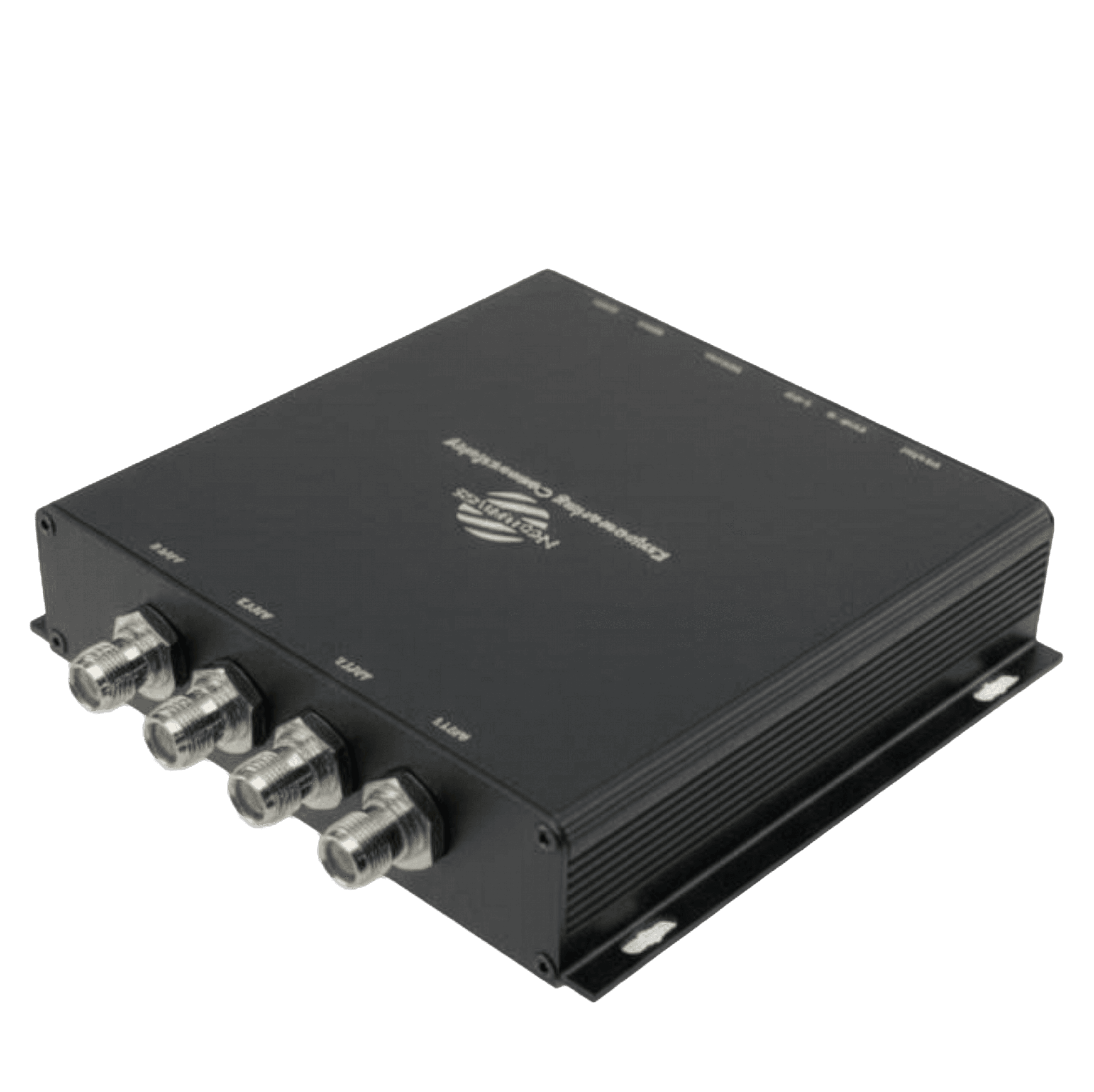
Stacjonarny czytnik IoT UHF RFID NR155

Wbudowane natywne dla chmury interfejsy API MQTT/REST. Brak zastrzeżonych SDK, brak licencji na oprogramowanie pośredniczące. Zintegruj się bezpośrednio ze swoim ERP lub WMS w ciągu kilku dni.

View Nextwaves NR155
Nextwaves NR155 Fixed IoT UHF RFID Reader

Porty antenowe

4 x porty RP-TNC

Szybkość odczytu

Do 400 tagów/sekundę

Moc wyjściowa

0–33 dBm (kroki co 1dB)

Protokół sieciowy

MQTT / MQTTS

FAQ

Najczęściej zadawane pytania

These answers help purchasing and engineering teams review cost, integration, and deployment risk.

01

Czym jest Quattro (R4321P)?

The CAEN RFID Quattro (R4321P) is a compact, stationary EPC C1 G2, ISO 18000-63 RFID reader. Operating on the 865.6-867.6 MHz (ETSI) / 902-928 MHz (FCC) frequency bands, it is primarily intended for indoor smart cabinet or point-of-sale integration.

02

Ile kosztuje początkowo ta konfiguracja?

The base hardware cost is generally around $1000. A full deployment budget must include up to 4 external antennas, MMCX cables, and 5V DC or PoE (802.3af) networking switching gear.

03

Dlaczego powinienem wybrać Nextwaves?

Nextwaves maintains an open-architecture approach. Our devices embed MQTT and REST API endpoints natively, allowing developers to query state directly without licensing third-party IoT middleware.

04

Czy ten sprzęt jest wystarczająco wytrzymały dla magazynów?

The sleek casing weighs 740 g and has dimensions of 210 x 140 x 27 mm. With an indoor-only IP30 rating, it provides minimal durability against environmental ingress and must be kept away from splashing water.

05

Czy obsługuje wiele typów sieci?

Network connectivity is established through its Ethernet (PoE), USB, GPIO ports. While typical IT protocols provide baseline security, segregating RFID hardware on dedicated LAN subnets is heavily recommended.

06

Czy mój zespół może to zainstalować wewnętrznie?

Physical mounting utilizes standard flush brackets. To guarantee accuracy, RF transmission settings and dense-interrogator modes must be calibrated to your facility's indoor interference profile.

07

Jak działa zdalne zarządzanie?

Under optimal lab conditions, the hardware supports data link rates Up to 400 Kb/s. Firmware and configuration updates are traditionally compiled against the CAEN RFID API.

08

Czy potrzebuję autorskiego oprogramowania, aby to uruchomić?

Bridging tag data from the Ethernet (PoE), USB, GPIO interfaces to cloud CRMs or ERPs usually requires intermediate C/C++ polling software, which introduces legacy code overhead.

09

Jaka gwarancja jest dołączona do czytnika?

The manufacturer generally backs the hardware with a standard one-year warranty. Integrators often suggest purchasing extended technical agreements for scaled rollouts.

10

Czy anteny są sprzedawane oddzielnie?

External near-field or far-field antennas are required to establish the RF portal. Antenna polarization must be carefully selected across the 865.6-867.6 MHz (ETSI) / 902-928 MHz (FCC) band.