
Хуурамч нөөц
Мэдээллийн гажуудал нь бодит байдал ба дижитал бүртгэлийн хоорондын аажмаар салгахад оршино. Системд байхгүй барааг харуулснаар 'Phantom Inventory' үүсч, BOPIS захиалгын 22% нь цуцлагдаж, үйлчлүүлэгчийн үнэнч байдлыг үгүй хийдэг.
Тавь гаруй жилийн турш Universal Product Code (UPC) баркод нь жижиглэнгийн худалдааны үндсэн тулгуур байсаар ирсэн. Худалдааг стандартчилж, касс дээр уншуулдаг болгож, компьютержсэн бараа материалын менежментийн анхны үеийн шийдлүүдийг боломжтой болгосон. Гэвч баркодын үхлийн алдаа бий: энэ нь хараагүй (сохор). Энэ нь харагдах шугам шаарддаг, гар аргаар оролцоо хэрэгтэй, мөн хоёр ижил бүтээгдэхүүнийг ялгаж чаддаггүй. Энэхүү хязгаарлалт нь “Бараа материалын гажуудал (Inventory Distortion)” гэгдэх дэлхийн хэмжээний хямралыг үүсгэв — нэг их наяд долларын асуудал бөгөөд жижиглэнгийн худалдаачид өөрсдийн эзэмшиж байгаа зүйлээ яг таг мэдэхгүй байдаг.
Орчин үеийн omnichannel эрин үед энэ “сохор” байдал оршин тогтнох асуудал болдог. Харилцагч онлайноор захиалгаа хийж дэлгүүрээс авах (BOPIS) үед систем бараа материалын дата санг шалгана. Дата сан “Тоо хэмжээ: 1” гэж хэлнэ. Гэвч үнэхээр тэнд байгаа юу? Арын агуулахад уу? Хувцас солих/туршилтын өрөөнд үү? Хулгайлагдсан уу? Эсвэл өчигдөр зарагдсан ч дата сан шинэчлэгдээгүй байсан уу?
Үр дүн нь “аюулгүйн нөөц (safety stock)” гэж нэрлэгдэх барзгар хамгаалалттай, эмзэг нийлүүлэлтийн сүлжээ болдог — өгөгдлийн алдааг далдлахын тулд л илүү их бараа худалдан авдаг. Борлуулах гэж чаддаггүй бараанд живж байх зуур, яг “байгаа” гэж үзсэн бүтээгдэхүүнээ олож чадахгүйгээс борлуулалтаа алддаг. Уламжлалт засвар болох гарын тооллого нь хэт удаан, хэт үнэтэй, мөн алдаа гаргах магадлал өндөр учраас шийдэх боломжгүй. Салбар “скан хийх”-ээс “мэдрэх (sensing)” рүү парадигмаа өөрчлөх хэрэгтэй.
Мэдээллийн гажуудал нь бодит байдал ба дижитал бүртгэлийн хоорондын аажмаар салгахад оршино. Системд байхгүй барааг харуулснаар 'Phantom Inventory' үүсч, BOPIS захиалгын 22% нь цуцлагдаж, үйлчлүүлэгчийн үнэнч байдлыг үгүй хийдэг.
RFID-гүй дэлгүүрт ажилтнууд бүтээгдэхүүн хайх эсвэл гараар тоолоход цагийн 20-30%-ийг зарцуулдаг. Энэ нь үндсэн зорилго болох үйлчлүүлэгчийн үйлчилгээ болон худалдаанаас хазайсан өндөр зардалтай ажил юм.
Сериалжсан таних тэмдэг (EPC) байхгүй тохиолдолд хулгайлсан бараа нь зөвхөн 'нэгээр багасах' болно. Жижиглэн худалдаачид зохион байгуулалттай худалдааны гэмт хэргийн (ORC) хэв маягийг хянах эсвэл буцаагдсан бараа нь саарал зах зээлээс худалдаж авсан хуурамч эсэхийг тодорхойлох боломжгүй.
Nextwaves нь EPC Gen2 V2 стандарт дээр суурилсан “Source-to-Store” архитектурыг хэрэгжүүлдэг. Энэ нь дэлгүүрээс эхлэхгүй; үйлдвэрлэлийн цэгээс эхэлдэг. Үйлдвэр дээрээ care label эсвэл үнийн шошгон дээр UHF RFID пассив инлей оруулж (суулган) өгснөөр, өвөрмөц нэг бүрийг дижитал “амь” — сериалчилсан Electronic Product Code (EPC)-тэй болгодог.
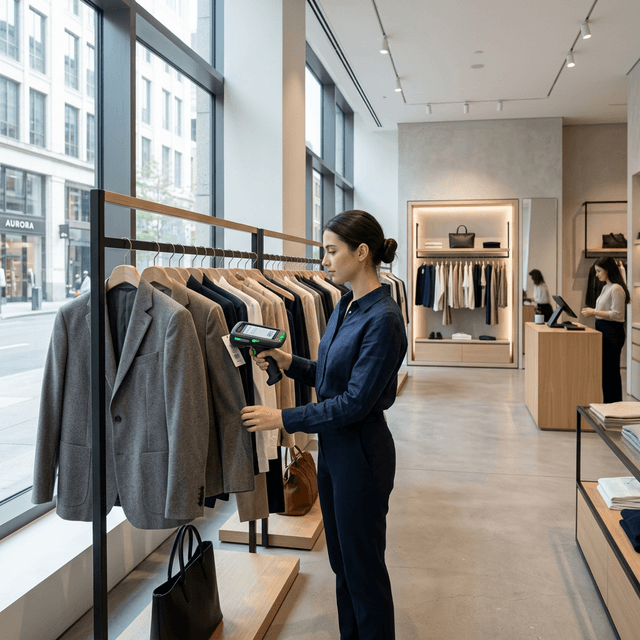
Эдгээр бүтээгдэхүүнүүд нийлүүлэлтийн сүлжээгээр дамжихад “Унших цэг (Read Points)”-ээр дамжин өнгөрдөг — түгээлтийн төвийн хонгил уншигчид, staging талбайн дээр байрлах overhead array-ууд, эцэст нь жижиглэнгийн дэлгүүрийн гар уншигчийн уншилтууд. Баркодоос ялгаатай нь эдгээр уншигчид шошгоныг радио долгионоор энергижүүлж, харааны холбоо шаардалгүйгээр секундэд хэдэн зуун бүтээгдэхүүнийг унших боломжтой болгодог.
Үүнээс бодит цагийн “Дижитал Ихэр (Digital Twin)” үүснэ. Ачааг дэлгүүрт хүлээн авах үед түүнийг гар тооллогоор биш, тэр дор нь баталгаажуулна. Үйлчлүүлэгч цамц туршихад ухаалаг солих/турших өрөө үүнийг таньж мэдэрнэ. Бүтээгдэхүүн дэлгүүрээс гармагц EAS хаалганууд бараа материалын мэдээллийг шууд шинэчилнэ. Бид “Бараа материалын таамаглал (Inventory Estimation)” -аас “Бараа материалын баттай мэдлэг (Inventory Certainty)” рүү шилжинэ.
Барааны тооллогын бүрэн итгэлтэй байдлыг хангах. Нөөцгүйгээр цахим худалдаанд 'Авах боломжтой' (ATP) -г идэвхжүүлэх.
Туршилтын мэдээллээс харахад борлуулалт 5-15% -иар тогтмол өсч байна. Хэрэв шалан дээр байвал зарагдана. Хэрэв агуулахад байвал зарагдахгүй.
Зөвхөн хаалган дээр дуугараад зогсохгүй. Юу хулгайд алдсаныг, ХЭЗЭЭ, яг таг мэдэж, даруй нөхөн хангах.
Үйлчлүүлэгчийн өмсөх тасалгаанд авчирсан зүйл дээр үндэслэн тохирох зүйлийг санал болгодог 'Шидэт толинуудыг' идэвхжүүлэх.
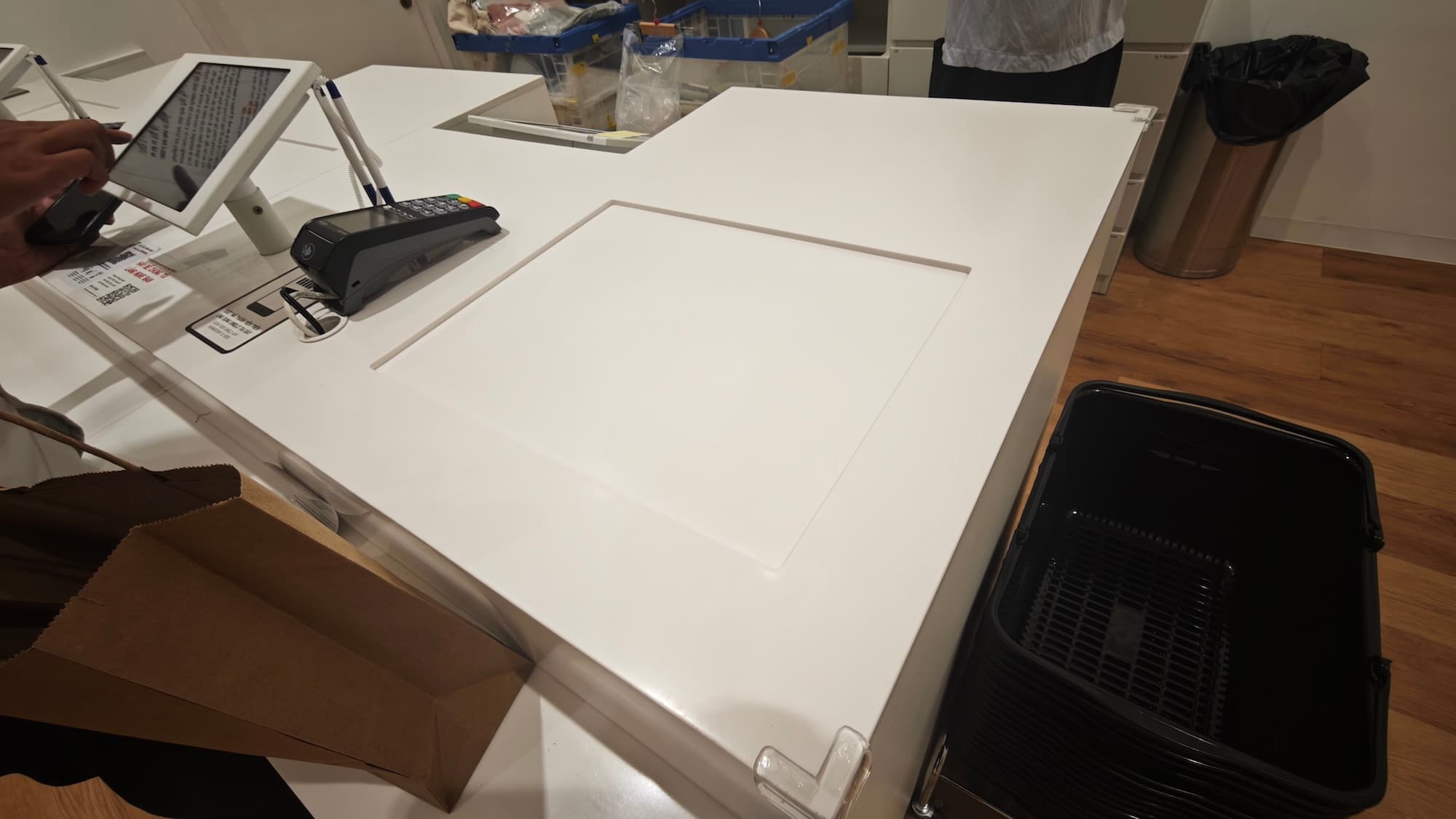
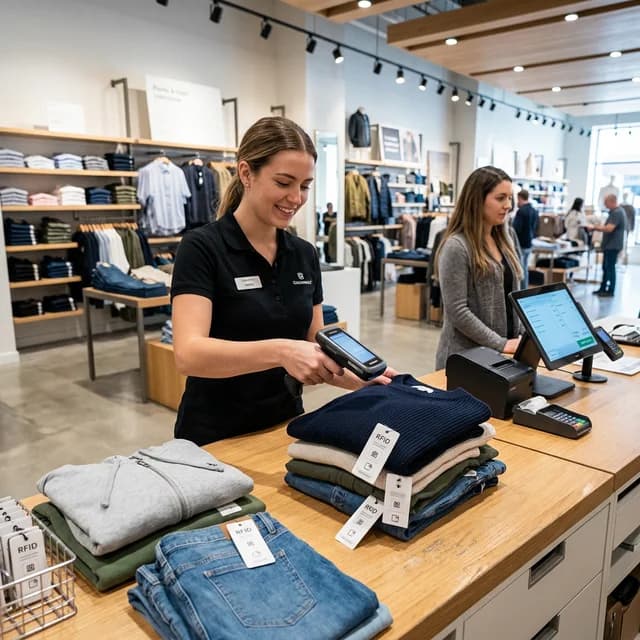
Uniqlo нь бүтээгдэхүүн бүрт RFID таг суулгаснаар барааны тооллогын 100% -д хүрсэн. Гэхдээ жинхэнэ ид шид нь касс дээр тохиолддог: үйлчлүүлэгчид зүйлсээ автоматаар уншдаг сагсанд хийхэд бүх RFID тагийг нэгэн зэрэг уншдаг. Энэхүү саадгүй туршлага нь хүлээлтийн хугацааг эрс багасгаж, кассын дарааллыг арилгаж, дэлгүүрийн ажилтнуудад бар кодоо сканнердахын оронд үйлчлүүлэгчийн үйлчилгээнд анхаарлаа хандуулах боломжийг олгосон. Үүний үр дүнд гарсан мэдээллийн мэдээлэл нь тодорхой хэмжээ, өнгөний барааг хэзээ нөхөн хангах шаардлагатайг яг таг мэдэж, барааны хомсдолыг бараг арилгаж, борлуулалтыг нэмэгдүүлдэг.
Үйлдвэрлэлтийн цэг дээр бүтээгдэхүүн бүр өвөрмөц дижитал таних тэмдэгтэй болдог. Энэ нь цаасан шошгоноос хямд өртөгтэй пассив UHF RFID шошго бөгөөд сериалчилсан код агуулдаг тул хэзээ ч хуулбарлагдахгүй. Гар уншигч 500 цамцтай тавиур дээр дээгүүрээ шүүрдэхэд 3 секунд хүрэхгүй хугацаанд бүгдийг тоолно. Буулгах шаардлагагүй, нэг бүрчлэн скан хийх шаардлагагүй.
Систем нь клонингээс хамгаалах баталгаажуулалттай GS1 EPC Gen2 V2 стандарт шошгуудыг ашигладаг. Өндөр үнэ цэнэтэй, тансаг зэрэглэлийн бүтээгдэхүүнүүдийн хувьд энэ нь хуурамч барааны эрсдэл бодит үед маш чухал. Манай edge программ нь дуу чимээг шүүдэг (буруу бүсээс уншсан шошго, металл хийцийн нөлөөгөөр гарсан хэсэгчилсэн уншилт гэх мэт), ингэснээр таны dashboard дээр цэвэр, хэрэгжүүлэх боломжтой өгөгдөл л очдог.
Бүх зүйл таны одоо ашиглаж байгаа WMS эсвэл ERP рүү бодит цагийнх нь дагуу буцаан холбогдоно. Үүнийг бараа материалдаа “зүрхний цохилт” өгөх гэж төсөөл. Систем үргэлж юу хөдөлсөн, хаана байгаа, хэзээ ирсэн гэдгийг мэдэж байдаг.
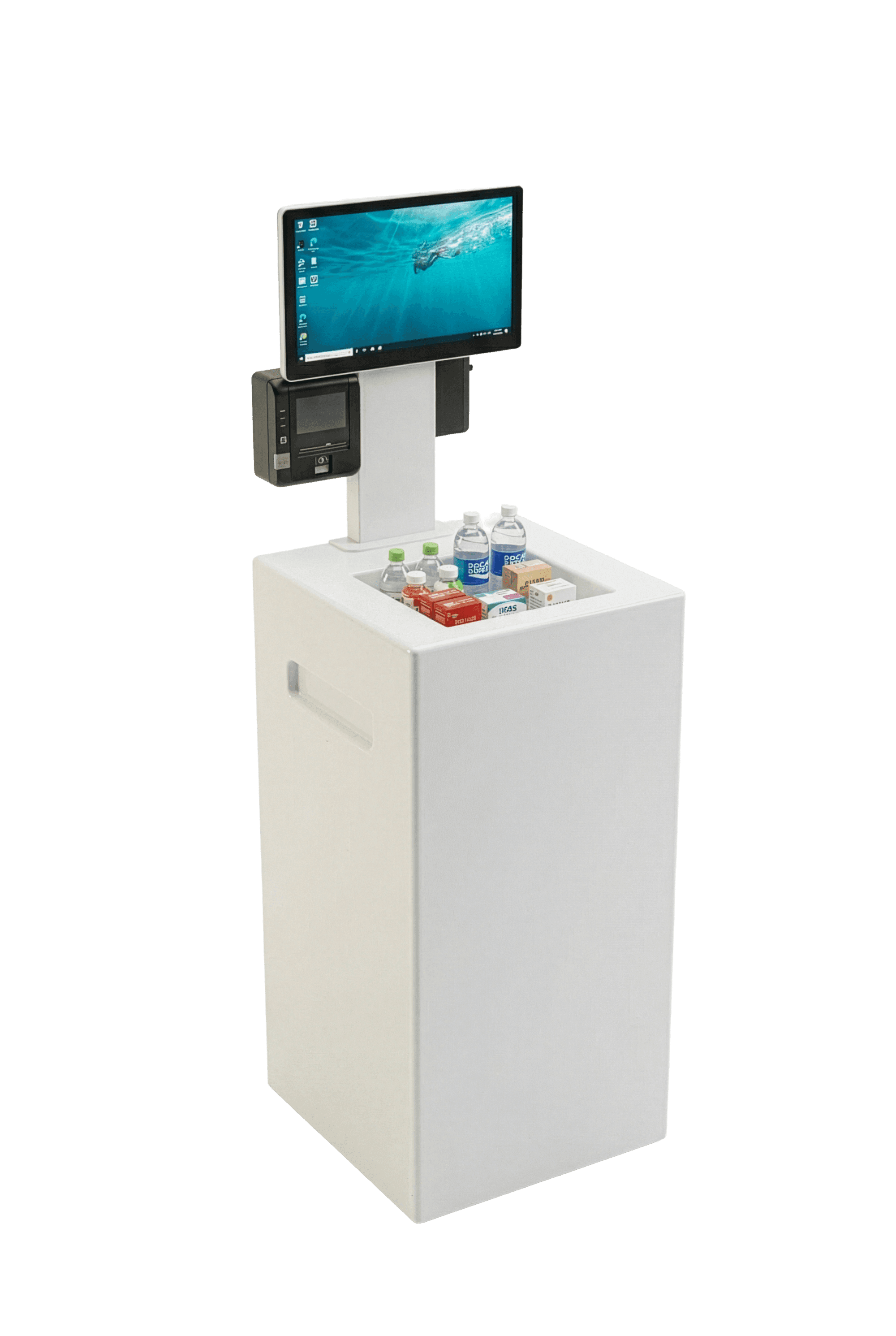
Бараа материал үнэн зөв болсны дараагийн өөрчлөлт нь үрэлгэн саадыг бүрэн арилгах явдал юм. Бид “Grab-and-Go” гэх дэлгүүрийн форматыг туршиж байна. Үйлчлүүлэгч касс дээр зогсолгүйгээр гараад явдаг. Систем тэдний сагсыг гарцын үед уншаад данснаас нь автоматаар төлбөр тооцдог.
Түүнтэй адил дэд бүтэц нь хувцасны тохируулгын ухаалаг өрөөнүүдийг тэжээнэ — outfit санал болгох, тавиур хоосрохоос өмнө автоматаар өдөөх динамик нөхөн дүүргэлтийн сэрэмжлүүлэг, мөн яг юу, хэзээ авсныг танд мэдээлдэг алдагдлын хяналт. Нарийвчлал нь суурь байсан. Жинхэнэ үнэ цэнэ нь түүний дээр байгуулж хөгжүүлж буй зүйлд оршино.
Загварын дэлгүүр, гоо сайхны дэлгүүр, жижиглэн худалдааны сүлжээний кассыг хурдасгаж, барааны тооллогыг автоматжуулна.
Ирээдүйн дэд бүтцийг нэвтрүүл. Таамаглахаа больж, мэдэж эхэл.