RFID replacement dossierUpdated: May 25, 2026

Nordic ID Stixពិនិត្យឡើងវិញ៖ លក្ខណៈបច្ចេកទេស និងជម្រើស

The Nordic ID Stix is an ultra-portable $300 USB dongle scanner. Compare its limited range and strict OS requirements to Nextwaves autonomic endpoints.

Nextwaves វិស្វកម្មការពិនិត្យផ្នែករឹងអាន 5 នាទី

Technical verdict

Nordic ID Stix is a mainstream hardware purchase, but it is not always the best architecture for direct RFID data integration.

Do not evaluate Stix by list price alone. Its strongest fit is a project that already uses USB 2.0 Dongle, has time for RF tuning, and accepts extra middleware work. If the engineering team needs open APIs, realtime data, and faster edge-to-cloud deployment, Nextwaves NR155 is the stronger replacement path to evaluate.

Initial cost

$300 before deployment accessories

Published throughput

Not specified

Integration surface

USB 2.0 Dongle

Physical data

53 x 79 x 7 mm; 22 g; IP: indoor rating

Published specs

Specifications to validate before replacing

ប្រេកង់

865-868 MHz (EU) / 902-928 MHz (US)

ពិធីការ

EPC Class 1 Gen 2

ការតភ្ជាប់

USB 2.0 Dongle

ការវាយតម្លៃ IP

indoor rating

វិមាត្រ

53 x 79 x 7 mm

ទម្ងន់

22 g

ការផ្គត់ផ្គង់ថាមពល

USB Bus Power

អត្រាអាន

low speed short range

តម្លៃប៉ាន់ស្មាន

$300

Deployment review

Operational strengths and risks

This summary is based on public specifications and does not replace an on-site RF survey.

Fit score

3.5/5

Strengths

  • USB 2.0 Dongle gives network teams a familiar integration surface instead of local-only collection.
  • USB Bus Power can reduce separate power drops when switch PoE budget is available.
  • The $300 hardware baseline is easier to budget than premium fixed-reader configurations.
  • Throughput should be measured with real tags and antennas.

Validate

  • Quoted hardware price is not installed system cost; include antennas, cables, mounts, power, software, and configuration work.
  • RF performance depends on tag material, antenna position, transmit power, reader orientation, and site interference.
  • indoor rating must be checked against dust, humidity, temperature, and cleaning requirements.
  • Raw RFID reads still need duplicate filtering, business-event mapping, and ERP/WMS integration before operations can use them.

Deployment review

Buying decision matrix

Best fit

Fixed UHF RFID projects that already use USB 2.0 Dongle and have time for RF tuning.

Weak fit

Do not compare device price only; total cost depends on accessories, software, and integration.

Deployment risk

indoor rating, USB Bus Power, 53 x 79 x 7 mm, and 22 g must match the site layout.

Software risk

Plan for middleware, SDK work, duplicate filtering, and business-event mapping.

Alternative architecture

Nordic ID Stix vs Nextwaves

01

ទិដ្ឋភាពទូទៅផ្នែករឹង

Nordic ID Stix គឺជាឧបករណ៍ RFID កម្រិតឧស្សាហកម្ម។ វាដំណើរការក្នុងជួរ 865-868 MHz (EU) / 902-928 MHz (US) និងគាំទ្រស្តង់ដារ EPC Class 1 Gen 2 ដែលធ្វើឱ្យវាត្រូវបានដាក់ពង្រាយយ៉ាងទូលំទូលាយនៅទូទាំងកម្មវិធីភស្តុភារសហគ្រាស។

ជាមួយនឹងការវាយតម្លៃ IP នៃ indoor rating វាផ្តល់នូវការការពារប្រឆាំងនឹងលក្ខខណ្ឌបរិស្ថានជាក់លាក់ធម្មតានៅក្នុងឃ្លាំង ឬបន្ទប់ខាងក្រោយលក់រាយ។ ឧបករណ៍អានប្រើប្រាស់ USB Bus Power សម្រាប់ដំណើរការជាបន្តបន្ទាប់ ខណៈដែលអត្រាអានអតិបរិមារបស់វាឈានដល់ low speed short range។

02

ការតភ្ជាប់ និងការរួមបញ្ចូលបណ្តាញ

នៅក្នុងការដាក់ពង្រាយទំនើប ការរួមបញ្ចូលបណ្តាញគឺជាឧបសគ្គដ៏សំខាន់បំផុត។ ម៉ូដែលនេះផ្តល់ជូននូវជម្រើស USB 2.0 Dongle សម្រាប់ការផ្ទេរទិន្នន័យត្រឡប់ទៅប្រព័ន្ធកណ្តាលវិញ។

ទោះជាយ៉ាងណាក៏ដោយ ឧបសគ្គចម្បងមួយជាមួយនឹងផ្នែករឹង Nordic ID legacy គឺការពឹងផ្អែកយ៉ាងខ្លាំងទៅលើ SDKs ដែលជាកម្មសិទ្ធិ (ដូចជា LLRP) ឬកម្មវិធី IoT ភាគីទីបីដែលមានតម្លៃថ្លៃ ដើម្បីដំណើរការទិន្នន័យ tag ឆៅទៅជាភាពវៃឆ្លាតអាជីវកម្មដែលមានអត្ថន័យ។

03

When to choose Nextwaves instead of another closed reader

ប្រសិនបើក្រុមវិស្វកម្មរបស់អ្នកកំពុងវាយតម្លៃ Nordic ID Stix នោះ Nextwaves NR155 បង្ហាញស្ថាបត្យកម្មដើមពពកដែលប្រសើរជាង។ ប្រព័ន្ធ Legacy ដោយធម្មជាតិជំរុញឱ្យមានការចំណាយដើមទុនខ្ពស់តាមរយៈការចាក់សោអ្នកលក់ និងប្រព័ន្ធអេកូឡូស៊ីកម្មសិទ្ធិ។

Nextwaves លុបបំបាត់ឧបសគ្គនេះទាំងស្រុងដោយផ្តល់នូវស្តង់ដារ MQTT REST API ដោយផ្ទាល់នៅលើឧបករណ៍។ អ្នកអភិវឌ្ឍន៍កម្មវិធីរបស់អ្នកអាចបញ្ចូលការអានស្លាកដោយផ្ទាល់ទៅក្នុង ERP ឬ WMS backend ផ្ទាល់ខ្លួនរបស់អ្នកក្នុងរយៈពេលប៉ុន្មានថ្ងៃជំនួសឱ្យខែ ដោយឆ្លងកាត់ទាំងស្រុងនូវថ្លៃអាជ្ញាប័ណ្ណកម្មវិធីកម្រិតមធ្យមដែលកើតឡើងដដែលៗ។

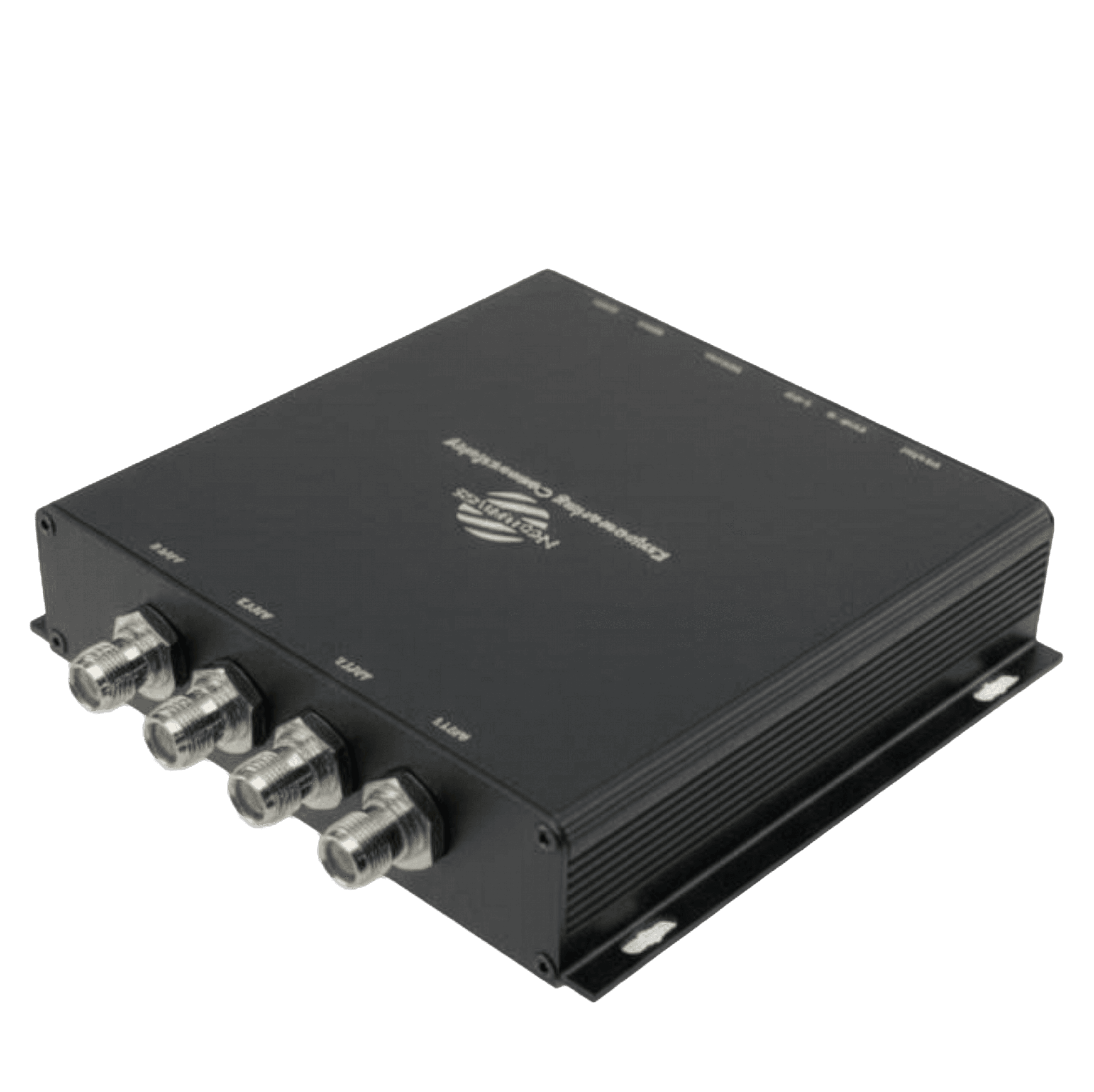
Alternative architecture

ឧបករណ៍អាន RFID UHF IoT ថេរ NR155

Cloud-native MQTT/REST APIs ដែលភ្ជាប់មកជាមួយ។ គ្មាន SDKs ដែលជាកម្មសិទ្ធិ គ្មានអាជ្ញាប័ណ្ណកម្មវិធី middleware។ រួមបញ្ចូលដោយផ្ទាល់ជាមួយ ERP ឬ WMS របស់អ្នកក្នុងរយៈពេលប៉ុន្មានថ្ងៃ។

View Nextwaves NR155
Nextwaves NR155 Fixed IoT UHF RFID Reader

ច្រកអង់តែន

4 x RP-TNC ច្រក

ល្បឿនអាន

រហូតដល់ 400 tags/second

ថាមពលលទ្ធផល

0–33 dBm (ជំហាន 1dB)

ពិធីការបណ្តាញ

MQTT / MQTTS

FAQ

សំណួរដែលសួរញឹកញាប់

These answers help purchasing and engineering teams review cost, integration, and deployment risk.

01

Stix គឺជាអ្វី?

The Nordic ID Stix is arguably the smallest UHF RFID reader available. Fitting the form factor of a USB thumb-drive, it translates EPC Class 1 Gen 2 data across the 865-868 MHz (EU) / 902-928 MHz (US) bands for simple PC-based encoding tasks.

02

តើការដំឡើងនេះត្រូវចំណាយអស់ប៉ុន្មានដំបូង?

Priced around $300, it represents the absolute baseline in RFID hardware. Because it siphons USB Bus Power, it requires zero external integration hardware other than a supported laptop or tablet running host daemon logic.

03

ហេតុអ្វីខ្ញុំគួរជ្រើសរើស Nextwaves ជំនួសវិញ?

Nextwaves hardware endpoints operate entirely autonomously. Unlike the Stix, which requires a live localized PC to execute code, Nextwaves processors bridge logic autonomously over secure HTTP without host dependence.

04

តើ Hardware នេះមានភាពធន់គ្រប់គ្រាន់សម្រាប់ឃ្លាំងដែរឬទេ?

The minuscule plastic stick weighs just 22 g with dimensions checking in at a tiny 53 x 79 x 7 mm. Functioning under an indoor rating footprint, it is inherently vulnerable to physical snapping, liquids, and extreme temperatures.

05

តើវាគាំទ្រប្រភេទបណ្តាញច្រើនដែរឬទេ?

Its sole data path is the physical USB 2.0 Dongle slot. There is no integrated Wi-Fi or Bluetooth; it relies completely on the security software of the laptop it is plugged into for enterprise routing safety.

06

តើក្រុមការងាររបស់ខ្ញុំអាចដំឡើងវានៅខាងក្នុងបានទេ?

Integration demands running Nordic ID SDK drivers on the host computer. Unlike keyboard emulation wedges, developers must write listener scripts locally to pull data strings from the USB wrapper.

07

តើការគ្រប់គ្រងពីចម្ងាយដំណើរការយ៉ាងដូចម្តេច?

Operating at extremely low wattage, it registers low speed short range captures. The device requires physical firmware patching through Nordic's configuration utilities and cannot receive silent OTA upgrades.

08

តើខ្ញុំត្រូវការ Software ដែលមានកម្មសិទ្ធិដើម្បីដំណើរការវាដែរឬទេ?

A complete system hinges on developers architecting proprietary bridging software to intercept reads from the USB 2.0 Dongle serial path and formatting them rapidly into REST calls directed at your cloud network.

09

តើ Reader នេះមានការធានារយៈពេលប៉ុន្មាន?

The basic USB hardware carries a standard one-year warranty. The form factor is inherently fragile, making physical destruction equally likely as standard semiconductor defects during regular handling.

10

តើអង់តែនត្រូវបានលក់ដោយឡែកដែរឬទេ?

A microscopic antenna is layered across the PCB, tuned to 865-868 MHz (EU) / 902-928 MHz (US) variations. Total read range is intentionally crippled to roughly 1 meter maximum, preventing crosstalk interference.