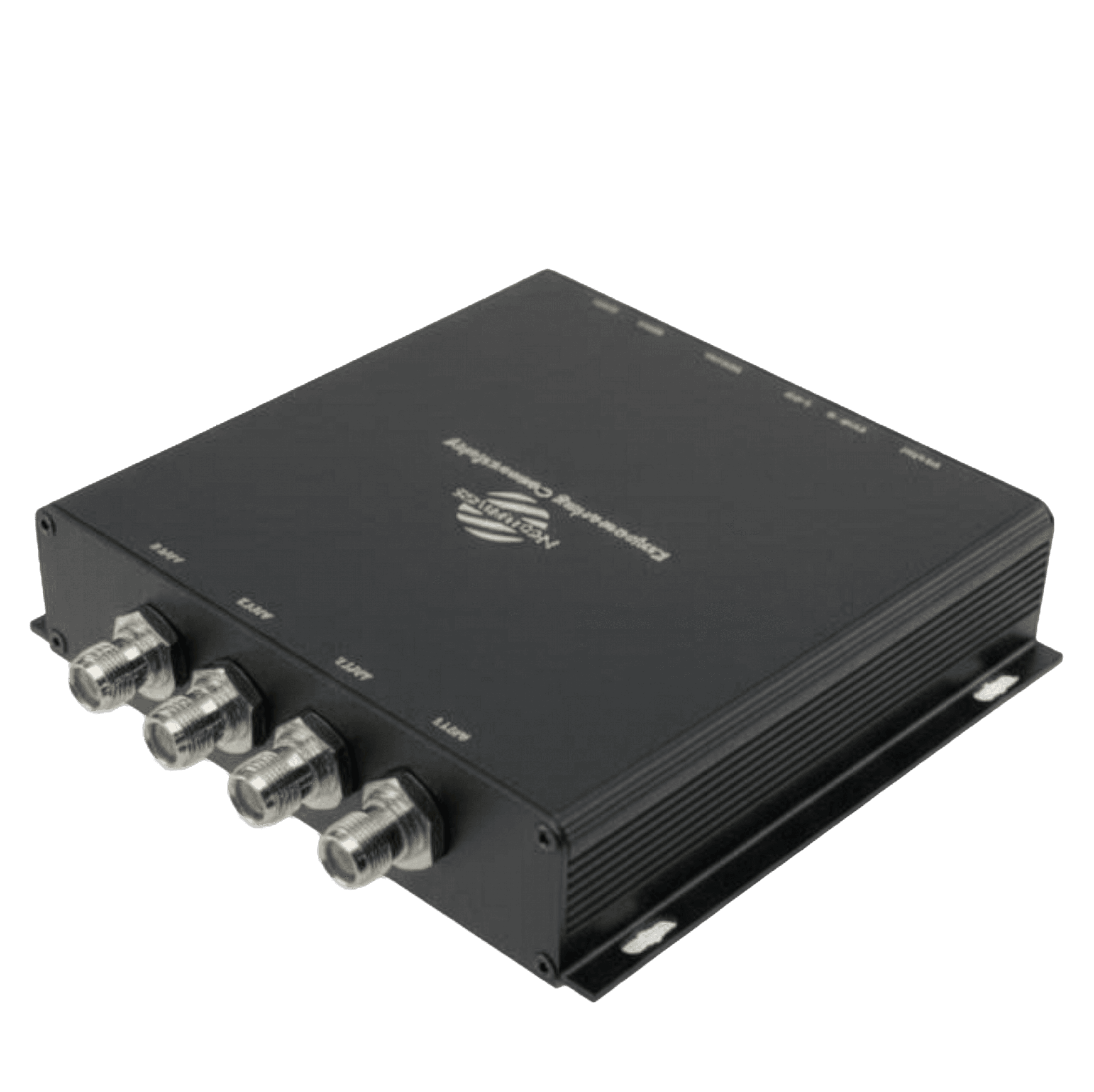
The CAEN RFID qID is a pocket-sized Bluetooth scanner with a $500 MSRP. Review its capabilities and physical limits compared to integrated reader architectures.
លក្ខណៈបច្ចេកទេស
ទិដ្ឋភាពទូទៅផ្នែករឹង
CAEN RFID qID (R1170I Ion) គឺជាឧបករណ៍ RFID កម្រិតឧស្សាហកម្ម។ វាដំណើរការក្នុងជួរ 865-868 MHz (ETSI) / 902-928 MHz (FCC) និងគាំទ្រស្តង់ដារ EPC C1 G2, ISO 18000-6C ដែលធ្វើឱ្យវាត្រូវបានដាក់ពង្រាយយ៉ាងទូលំទូលាយនៅទូទាំងកម្មវិធីភស្តុភារសហគ្រាស។
ជាមួយនឹងការវាយតម្លៃ IP នៃ IP54 វាផ្តល់នូវការការពារប្រឆាំងនឹងលក្ខខណ្ឌបរិស្ថានជាក់លាក់ធម្មតានៅក្នុងឃ្លាំង ឬបន្ទប់ខាងក្រោយលក់រាយ។ ឧបករណ៍អានប្រើប្រាស់ Li-Ion 3.7V 570mAh សម្រាប់ដំណើរការជាបន្តបន្ទាប់ ខណៈដែលអត្រាអានអតិបរិមារបស់វាឈានដល់ standard read rates។
ការតភ្ជាប់ និងការរួមបញ្ចូលបណ្តាញ
នៅក្នុងការដាក់ពង្រាយទំនើប ការរួមបញ្ចូលបណ្តាញគឺជាឧបសគ្គដ៏សំខាន់បំផុត។ ម៉ូដែលនេះផ្តល់ជូននូវជម្រើស Bluetooth 2.1, USB សម្រាប់ការផ្ទេរទិន្នន័យត្រឡប់ទៅប្រព័ន្ធកណ្តាលវិញ។
ទោះជាយ៉ាងណាក៏ដោយ ឧបសគ្គចម្បងមួយជាមួយនឹងផ្នែករឹង CAEN RFID legacy គឺការពឹងផ្អែកយ៉ាងខ្លាំងទៅលើ SDKs ដែលជាកម្មសិទ្ធិ (ដូចជា LLRP) ឬកម្មវិធី IoT ភាគីទីបីដែលមានតម្លៃថ្លៃ ដើម្បីដំណើរការទិន្នន័យ tag ឆៅទៅជាភាពវៃឆ្លាតអាជីវកម្មដែលមានអត្ថន័យ។
ជម្រើស Nextwaves
ប្រសិនបើក្រុមវិស្វកម្មរបស់អ្នកកំពុងវាយតម្លៃ CAEN RFID qID (R1170I Ion) នោះ Nextwaves NR155 បង្ហាញស្ថាបត្យកម្មដើមពពកដែលប្រសើរជាង។ ប្រព័ន្ធ Legacy ដោយធម្មជាតិជំរុញឱ្យមានការចំណាយដើមទុនខ្ពស់តាមរយៈការចាក់សោអ្នកលក់ និងប្រព័ន្ធអេកូឡូស៊ីកម្មសិទ្ធិ។
Nextwaves លុបបំបាត់ឧបសគ្គនេះទាំងស្រុងដោយផ្តល់នូវស្តង់ដារ MQTT REST API ដោយផ្ទាល់នៅលើឧបករណ៍។ អ្នកអភិវឌ្ឍន៍កម្មវិធីរបស់អ្នកអាចបញ្ចូលការអានស្លាកដោយផ្ទាល់ទៅក្នុង ERP ឬ WMS backend ផ្ទាល់ខ្លួនរបស់អ្នកក្នុងរយៈពេលប៉ុន្មានថ្ងៃជំនួសឱ្យខែ ដោយឆ្លងកាត់ទាំងស្រុងនូវថ្លៃអាជ្ញាប័ណ្ណកម្មវិធីកម្រិតមធ្យមដែលកើតឡើងដដែលៗ។
សំណួរដែលសួរញឹកញាប់
qID (R1170I Ion) គឺជាអ្វី?
The CAEN RFID qID (R1170I Ion) is an extremely compact, Bluetooth-paired UHF RFID reader designed for short-range logistics tracking on the EPC C1 G2, ISO 18000-6C standards over 865-868 MHz (ETSI) / 902-928 MHz (FCC) waves.
តើការដំឡើងនេះត្រូវចំណាយអស់ប៉ុន្មានដំបូង?
Typically priced at $500 MSRP. Financial deployments must account for multi-unit docking stations, the limited lifespan of its embedded Li-Ion 3.7V 570mAh battery, and requisite host smartphones to orchestrate processing.
ហេតុអ្វីខ្ញុំគួរជ្រើសរើស Nextwaves ជំនួសវិញ?
Nextwaves hardware integrates embedded processing and network uplinks within a single chassis. Operators completely eliminate the Bluetooth tethering bottleneck, pushing real-time tracking data directly to cloud systems securely.
តើ Hardware នេះមានភាពធន់គ្រប់គ្រាន់សម្រាប់ឃ្លាំងដែរឬទេ?
Built as a fob scanner, it weighs incredibly only 57 g and measures 99 x 54 x 20 mm. The chassis meets IP54 dust and splash ratings, intended primarily for ad-hoc barcode/RFID scanning inside dry retail floors or vehicles.
តើវាគាំទ្រប្រភេទបណ្តាញច្រើនដែរឬទេ?
The module relies entirely on Bluetooth 2.1, USB profiles (like HID keyboard emulation or SPP serial data) to route raw asset hex codes strictly to a localized host tablet or PC.
តើក្រុមការងាររបស់ខ្ញុំអាចដំឡើងវានៅខាងក្នុងបានទេ?
Initial configuration requires pairing the hardware physically to an OS host. Developers utilize the CAEN RFID API wrappers natively within their own host software logic to intercept triggered reads securely.
តើការគ្រប់គ្រងពីចម្ងាយដំណើរការយ៉ាងដូចម្តេច?
Designed as a short-range identification tool rather than an inventory sweeper, read rates sit heavily dependant on local Bluetooth interference. Battery cycles dictate actual hardware availability rather than pure reading speeds.
តើខ្ញុំត្រូវការ Software ដែលមានកម្មសិទ្ធិដើម្បីដំណើរការវាដែរឬទេ?
Deployments generally mandate utilizing the Bluetooth 2.1, USB serial port profiles alongside third-party middleware packages to transcribe hex arrays into HTTPS webhooks for remote delivery.
តើ Reader នេះមានការធានារយៈពេលប៉ុន្មាន?
Standard CAEN warranty protocols generally cover factory issues for twelve months. Because its small battery is permanently encapsulated, fleet lifecycle limits are inextricably tied to chemical degradation.
តើអង់តែនត្រូវបានលក់ដោយឡែកដែរឬទេ?
The internal mini-antenna is deeply constrained by its size block across the 865-868 MHz (ETSI) / 902-928 MHz (FCC) limits. Transmit power is drastically restricted (around 500mW ERP) to prevent immediate battery drain.