RFID replacement dossierUpdated: May 25, 2026

ThingMagic (JADAK) M7e-Teraმიმოხილვა: სპეციფიკაციები და ალტერნატივები

The ThingMagic M7e-Tera leverages the extreme Impinj E910 IC for $250. Analyze its integration requirements versus zero-code Nextwaves edge infrastructure.

Nextwaves-ის საინჟინრო გუნდიაპარატურის მიმოხილვა5 წუთი კითხვა

Technical verdict

ThingMagic (JADAK) M7e-Tera is a mainstream hardware purchase, but it is not always the best architecture for direct RFID data integration.

Do not evaluate M7e-Tera by list price alone. Its strongest fit is a project that already uses UART Serial / USB, has time for RF tuning, and accepts extra middleware work. If the engineering team needs open APIs, realtime data, and faster edge-to-cloud deployment, Nextwaves NR155 is the stronger replacement path to evaluate.

Initial cost

$250 before deployment accessories

Published throughput

1,300 tags/second

Integration surface

UART Serial / USB

Physical data

46 x 26 x 4 mm; 3 g; IP: Bare PCB (None)

Published specs

Specifications to validate before replacing

სიხშირე

Global (860-960 MHz)

პროტოკოლი

EPC Gen2v2, ISO 18000-63

კავშირი

UART Serial / USB

IP რეიტინგი

Bare PCB (None)

ზომები

46 x 26 x 4 mm

წონა

3 g

კვების ბლოკი

3.3V to 5.25V DC

წაკითხვის სიჩქარე

up to ~1300 tags/sec

სავარაუდო ფასი

$250

Deployment review

Operational strengths and risks

This summary is based on public specifications and does not replace an on-site RF survey.

Fit score

3.5/5

Strengths

  • UART Serial / USB gives network teams a familiar integration surface instead of local-only collection.
  • 3.3V to 5.25V DC can reduce separate power drops when switch PoE budget is available.
  • The $250 hardware baseline is easier to budget than premium fixed-reader configurations.
  • 1,300 tags/second can fit faster inventory lanes when the read zone is tuned correctly.

Validate

  • Quoted hardware price is not installed system cost; include antennas, cables, mounts, power, software, and configuration work.
  • RF performance depends on tag material, antenna position, transmit power, reader orientation, and site interference.
  • Bare PCB (None) must be checked against dust, humidity, temperature, and cleaning requirements.
  • Raw RFID reads still need duplicate filtering, business-event mapping, and ERP/WMS integration before operations can use them.

Deployment review

Buying decision matrix

Best fit

Fixed UHF RFID projects that already use UART Serial / USB and have time for RF tuning.

Weak fit

Do not compare device price only; total cost depends on accessories, software, and integration.

Deployment risk

Bare PCB (None), 3.3V to 5.25V DC, 46 x 26 x 4 mm, and 3 g must match the site layout.

Software risk

Plan for middleware, SDK work, duplicate filtering, and business-event mapping.

Alternative architecture

ThingMagic (JADAK) M7e-Tera vs Nextwaves

01

აპარატურის მიმოხილვა

ThingMagic (JADAK) M7e-Tera არის სამრეწველო კლასის RFID მოწყობილობა. ის მუშაობს Global (860-960 MHz) დიაპაზონში და მხარს უჭერს EPC Gen2v2, ISO 18000-63 სტანდარტს, რაც მას ფართოდ გავრცელებულს ხდის საწარმოს ლოგისტიკურ პროგრამებში.

IP Bare PCB (None) რეიტინგით, ის უზრუნველყოფს დაცვას კონკრეტული გარემო პირობებისგან, რომლებიც დამახასიათებელია საწყობებისთვის ან საცალო ვაჭრობის უკანა ოთახებისთვის. მკითხველი იყენებს 3.3V to 5.25V DC-ს უწყვეტი მუშაობისთვის, ხოლო მისი მაქსიმალური წაკითხვის სიჩქარე აღწევს up to ~1300 tags/sec-ს.

02

კავშირი და ქსელური ინტეგრაცია

თანამედროვე განლაგებებში, ქსელური ინტეგრაცია ყველაზე მნიშვნელოვანი დაბრკოლებაა. ეს მოდელი გთავაზობთ UART Serial / USB ვარიანტებს მონაცემების ცენტრალურ სისტემებში გადასატანად.

თუმცა, ძირითადი პრობლემა ძველ ThingMagic (JADAK) აპარატურასთან არის დამოკიდებულება საკუთრების SDK-ებზე (როგორიცაა LLRP) ან ძვირადღირებულ მესამე მხარის IoT შუალედურ პროგრამულ უზრუნველყოფაზე, რათა დაამუშაონ უმი ტეგების მონაცემები მნიშვნელოვან ბიზნეს ინფორმაციად.

03

When to choose Nextwaves instead of another closed reader

თუ თქვენი საინჟინრო გუნდი აფასებს ThingMagic (JADAK) M7e-Tera-ს, Nextwaves NR155 წარმოადგენს მნიშვნელოვნად უმაღლესი ღრუბელზე დაფუძნებულ არქიტექტურას. მემკვიდრეობითი სისტემები თავისთავად იწვევს მაღალ კაპიტალურ ხარჯებს მიმწოდებლის ჩაკეტვისა და საკუთრების პროგრამული უზრუნველყოფის ეკოსისტემების მეშვეობით.

Nextwaves მთლიანად აუქმებს ამ ბარიერს მოწყობილობაზე პირდაპირ სტანდარტული MQTT REST API-ს მიწოდებით. თქვენს პროგრამულ უზრუნველყოფის დეველოპერებს შეუძლიათ ტეგების წაკითხვის ინტეგრირება თქვენს მორგებულ ERP ან WMS ბექენდში დღეებში და არა თვეებში, სრულად გვერდის ავლით განმეორებადი შუალედური ლიცენზირების საფასურის.

Alternative architecture

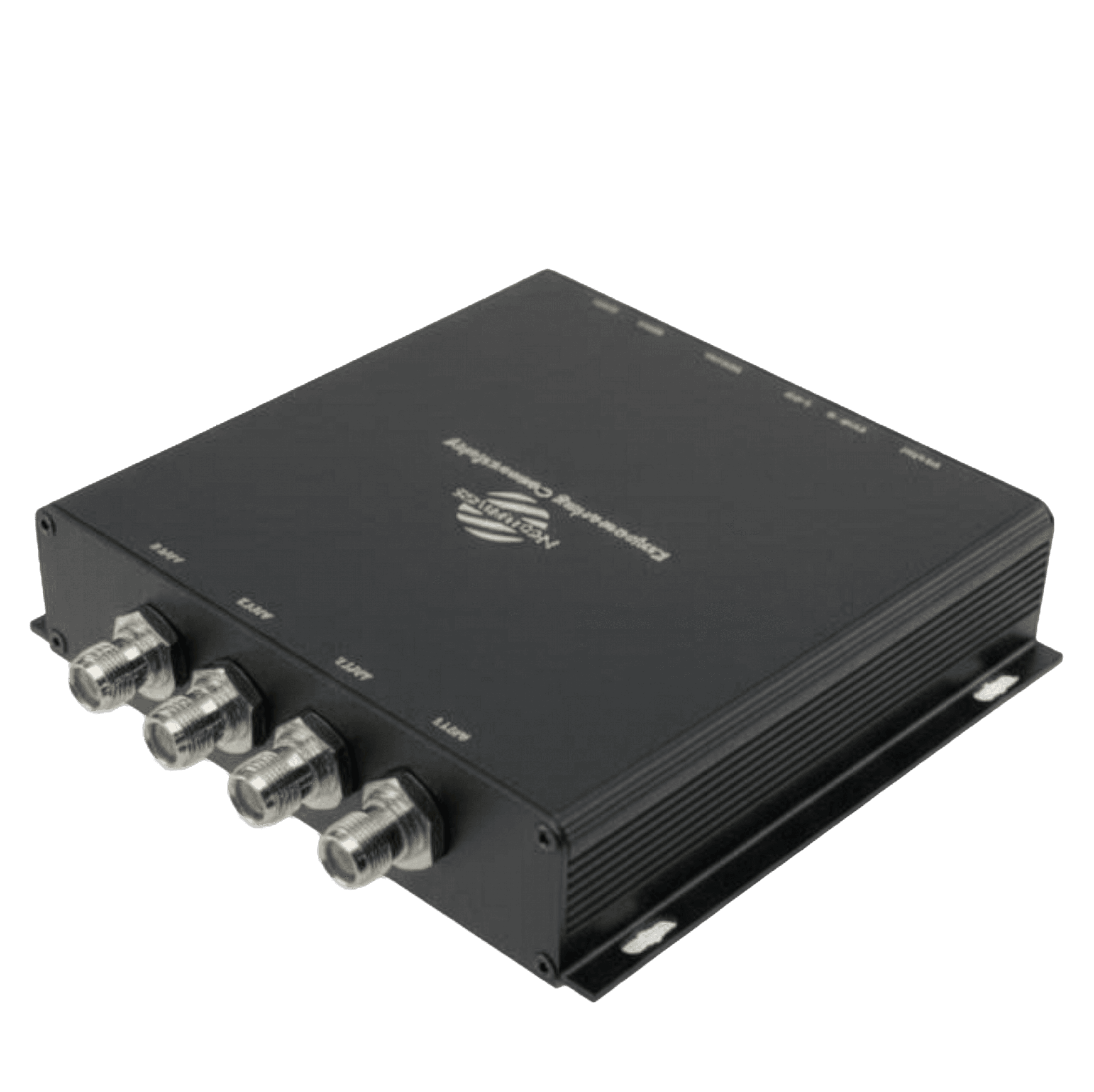
NR155 Fixed IoT UHF RFID მკითხველი

ჩაშენებული ღრუბელზე დაფუძნებული MQTT/REST API-ები. არანაირი საკუთრების SDK, არანაირი შუალედური პროგრამული უზრუნველყოფის ლიცენზირება. დააინტეგრირეთ პირდაპირ თქვენს ERP-თან ან WMS-თან რამდენიმე დღეში.

View Nextwaves NR155
Nextwaves NR155 Fixed IoT UHF RFID Reader

ანტენის პორტები

4 x RP-TNC პორტი

წაკითხვის სიჩქარე

400-მდე ტეგი/წამში

გამომავალი სიმძლავრე

0–33 dBm (1dB საფეხურები)

ქსელის პროტოკოლი

MQTT / MQTTS

FAQ

ხშირად დასმული კითხვები

These answers help purchasing and engineering teams review cost, integration, and deployment risk.

01

რა არის M7e-Tera?

The ThingMagic (JADAK) M7e-Tera is an OEM embedded scanning logic board powered by the flagship Impinj E910 IC. Tuned to process dense EPC Gen2v2, ISO 18000-63 tag populations across Global (860-960 MHz) spans, it serves as the core logic block for bespoke industrial dock portal readers.

02

რა ღირს ეს კონფიგურაცია თავდაპირველად?

Priced near $250 per bare module. Heavy engineering capital must be allocated for fabricating multi-layer PCB housing units, powerful embedded host processors, physical network stacks, and active convection cooling hardware.

03

რატომ უნდა ავირჩიო Nextwaves-ი?

OEM module embedding creates steep hardware maintenance overheads. Nextwaves eliminates PCB-level engineering entirely by providing fully realized intelligent arrays featuring native HTTPS/MQTT endpoints that skip legacy serial bindings.

04

არის თუ არა აპარატურა საკმარისად გამძლე საწყობებისთვის?

Being an embedded component weighing only 3 g within a 46 x 26 x 4 mm footprint, it inherently maintains a Bare PCB (None) rating. Deploying this logic into real environments hinges solely upon the IP rating of the OEM-built exterior case.

05

უჭერს თუ არა მხარს ქსელის მრავალ ტიპს?

Data routing relies strictly on localized UART Serial / USB solder pins. All TCP/IP networking, IoT security protocol management, and connection fallbacks are the direct responsibility of the auxiliary host Microcontroller.

06

შეუძლია თუ არა ჩემს გუნდს ამის შიდა ინსტალაცია?

Developers integrate the core by soldering it to a logic board and polling its operation directly via the ThingMagic Mercury API. Proper buffer processing is required to handle the massive asynchronous data streams.

07

როგორ მუშაობს დისტანციური მართვა?

Utilizing the highest-end E910 core, throughput scales up to ~1300 tags/sec in optimized environments. Managing firmware lifecycles requires specialized UART flashes pushed from the master OEM processor.

08

მჭირდება საკუთრების პროგრამული უზრუნველყოფა მის გასაშვებად?

Connecting localized reads directly into enterprise clouds requires writing host bridges. The parent Linux or RTOS MCU must translate the high-volume UART hexadecimal dumps into sanitized JSON bundles before firing standard webhooks.

09

რა გარანტია მოჰყვება წამკითხველს?

The component warranties only reflect direct factory IC defects. OEM integration pipelines that fail to safely restrict power output loads or inadequately dissipate heat can quickly permanently degrade transceiver lifespan.

10

იყიდება თუ არა ანტენები ცალკე?

Its embedded U.FL multiplex logic ports handle up to four external antennas across the Global (860-960 MHz) spectrums. Peak power hits +31.5 dBm, capable of penetrating highly dense, interference-heavy factory palettes.