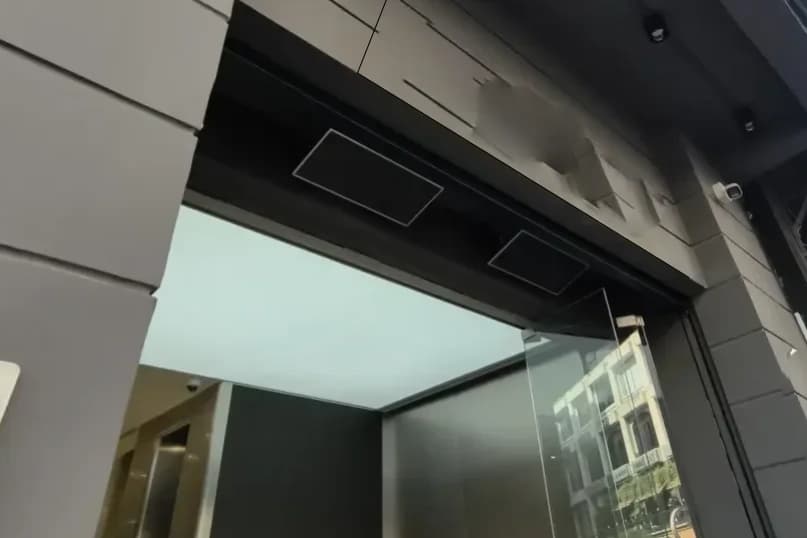
Gomilanje i gubitak imovine
Budući da osoblje ne može pronaći opremu, gomila je u ormarima i stropnim pločicama. Bolnice na kraju kupuju 130% svoje potrebne flote, ali iskorištenost ostaje ispod 40%. Milijuni dolara miruju.
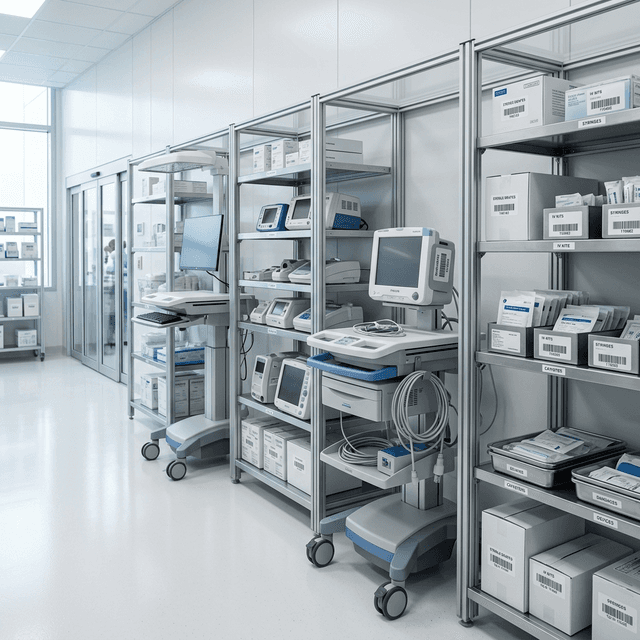


Bolnice su složena i kaotična okruženja gdje odluke o životu i smrti ovise o logistici. Ipak, prosječna medicinska sestra troši 1 sat po smjeni – 12% svog vremena – tražeći opremu. Traže infuzijske pumpe, invalidska kolica, telemetrijske pakete i uređaje za podtlak u ranama. To je „Hunt and Gather” medicina.
Uz upravljanje sredstvima, rukovanje lijekovima nosi dodatne rizike. Ručno praćenje „crash carts” (kolica za hitne slučajeve) i ladica s lijekovima dovodi do toga da istekli lijekovi ostaju u opticaju. Jedno propuštanje može rezultirati „Sentinel Event” događajem.
Nadalje, tijek pacijenata je netransparentan. Zagušenja u hitnoj službi ili operacijskoj dvorani smanjuju protok i zadovoljstvo pacijenata. Bez podataka administratori ne mogu optimizirati raspoređivanje osoblja niti izmjenu kreveta.
Budući da osoblje ne može pronaći opremu, gomila je u ormarima i stropnim pločicama. Bolnice na kraju kupuju 130% svoje potrebne flote, ali iskorištenost ostaje ispod 40%. Milijuni dolara miruju.
Ručno ponovno punjenje kolica za hitne slučajeve sklono je pogreškama. Propustiti istekla bočica epinefrina je odgovornost. Odvraćanje lijekova (krađa) također je rastuća zabrinutost koju ručni zapisi ne mogu spriječiti.
Znanje koja je oprema stupila u interakciju s pacijentom s infekcijom je ključno. Bez digitalnog praćenja kontakata, bolnice moraju staviti imovinu u karantenu, ometajući rad.
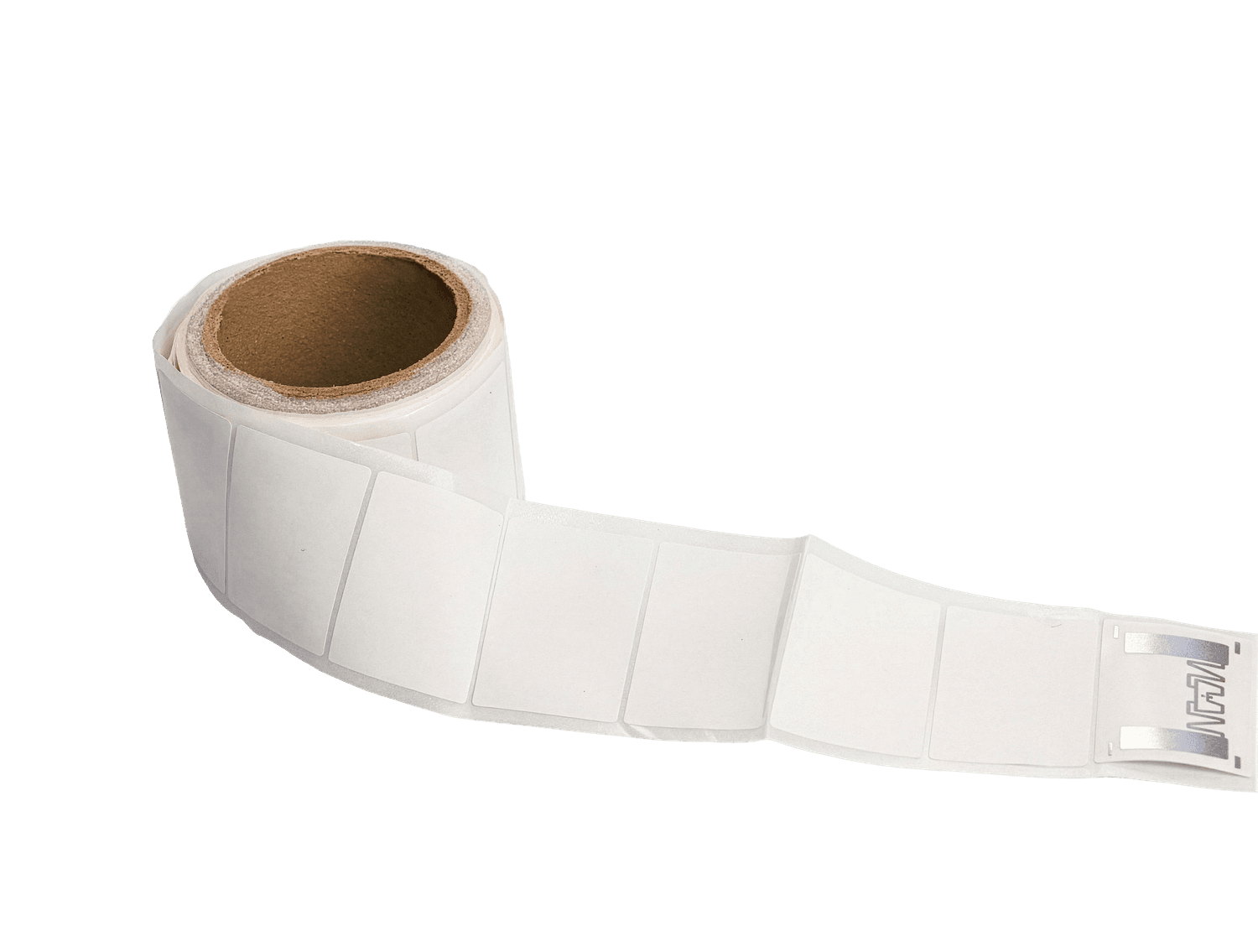
Nextwaves implementira hibridni Real-Time Location System (RTLS). Koristimo pasivni UHF RFID za potrošni materijal velike količine i jeftina sredstva (posteljina, dokumentacija, lijekovi), a aktivno (BLE/Wi‑Fi) praćenje za vrijednu mobilnu opremu.
Naši „Smart Cabinets” automatski prate svaku bočicu/ampulu lijeka koja se uzme, odmah ažurirajući zapis pacijenta i zalihe. Čitački nizovi montirani na strop prate kretanje kreveta i pumpi kroz cijeli objekt te ih vizualiziraju na digitalnoj mapi.
Ovaj sustav stvara „Chain of Custody”. Znamo točno tko je uzeo lijek, za kojeg pacijenta i kada. Znamo točno gdje je infuzijska pumpa i je li očišćena od zadnje uporabe.
Spriječite 'Nikad događaje'. Automatske provjere osiguravaju pravi lijek, pravu dozu, pravog pacijenta.
Smanjite veličinu flote za 20% uz povećanje dostupnosti. Prestanite kupovati pumpe koje vam ne trebaju.
Vratite vrijeme medicinskim sestrama. Dopustite im da se usredotoče na njegu, a ne na logistiku.
Automatizirani zapisi za The Joint Commission (TJC). Odmah dokažite sterilnost i usklađenost s održavanjem.
Centar za traumu s 500 kreveta borio se s propusnošću hitne službe i kroničnim nestašicama IV pumpi. Medicinske sestre prijavljivale su kašnjenja u skrbi zbog nestale opreme.
Zdravstveni RFID ima viši prag od maloprodaje. Nikakvo ime pacijenta, dijagnoza ili osobno prepoznatljiva informacija (PII) nikada se ne upisuje na oznaku. Oznake prenose samo anonimni token. Broj koji ništa ne znači bez pristupa sigurnom pozadinskom sustavu koji ga povezuje s pacijentovim zapisom.
Ta baza podataka šifrirana je, kontrolirana pristupom i evidentirana (audit). Kliničari vide samo podatke koje im njihova uloga dopušta. Administratori vide izvještaje o iskorištenju. Nitko ne vidi podatke o pacijentu kroz sam RFID sloj. U potpunosti smo HIPAA usklađeni po dizajnu, a ne zaobilazno pravilima.
Podaci o lokaciji tek su početak. Kad imate kontinuirani tok informacija o tome gdje se nalazi svaka imovina i svaki pacijent, pojavljuju se obrasci. Razvijamo modele koji mogu predvidjeti zastoje u opremi 4–6 sati prije nego što se dogode, dajući glavnim sestrama vrijeme da preraspodijele prije nego što se skrb počne utjecati.
U planu: kreveti koji automatski izvještavaju o težini pacijenta i promjenama pritiska, pametni ormarići koji ponovno naručuju lijekove prije nego što ponestanu te planiranje operacija koje se prilagođava u stvarnom vremenu na temelju stvarne lokacije opreme, a ne pretpostavki.
Zaštitite prijenosna računala i IT opremu s RFID sigurnosnim vratima, oznakama protiv metala i automatiziranim revizijama.
Neka tehnologija obavi pretragu. Vi se pobrinite za uštedu.