אגירת נכסים ואובדן
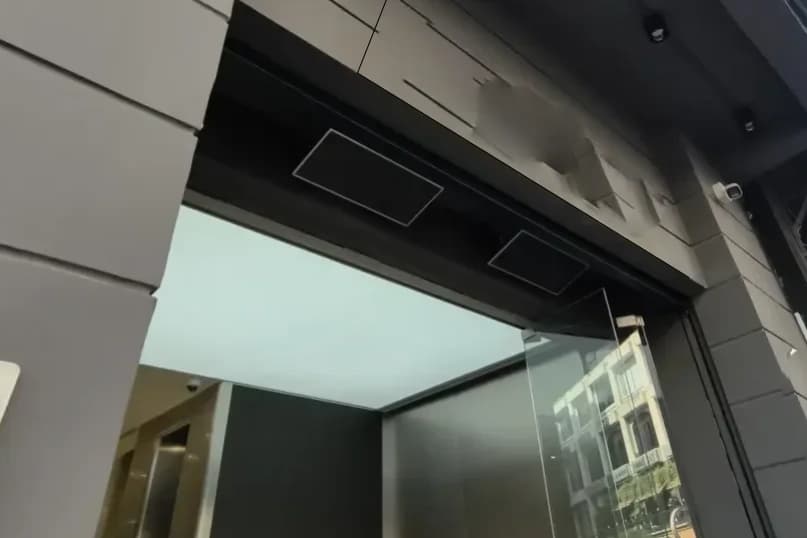
מכיוון שהצוות לא יכול למצוא ציוד, הוא צובר אותו בארונות ובאריחי תקרה. בתי חולים מסיימים לרכוש 130% מהצי שלהם, אך הניצול נשאר מתחת ל-40%. מיליוני דולרים יושבים בטלה.
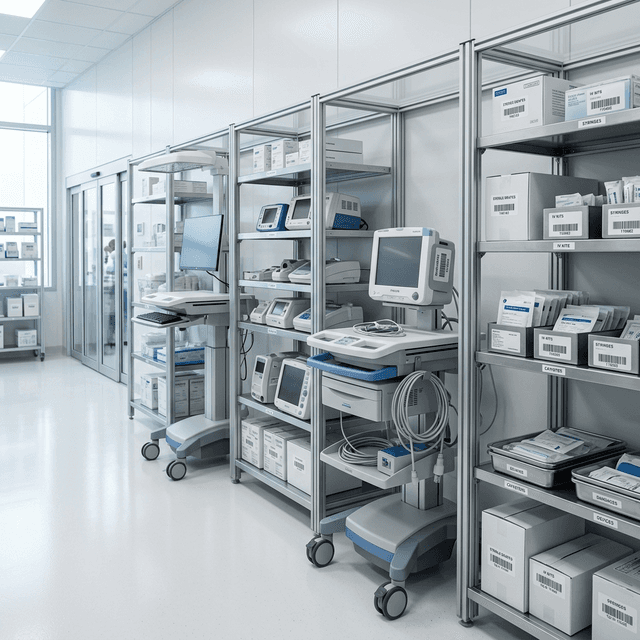

בתי חולים הם סביבות מורכבות ולעיתים כאוטיות, שבהן החלטות של חיים ומוות תלויות בלוגיסטיקה. ובכל זאת, האחות הממוצעת מקדישה 1 שעה לכל משמרת—12% מזמנה—למציאת ציוד. הן מחפשות משאבות IV, כיסאות גלגלים, ערכות טלמטריה, ומכשירי שאיבת פצעים. זו רפואה של 'חפש ואסוף'.
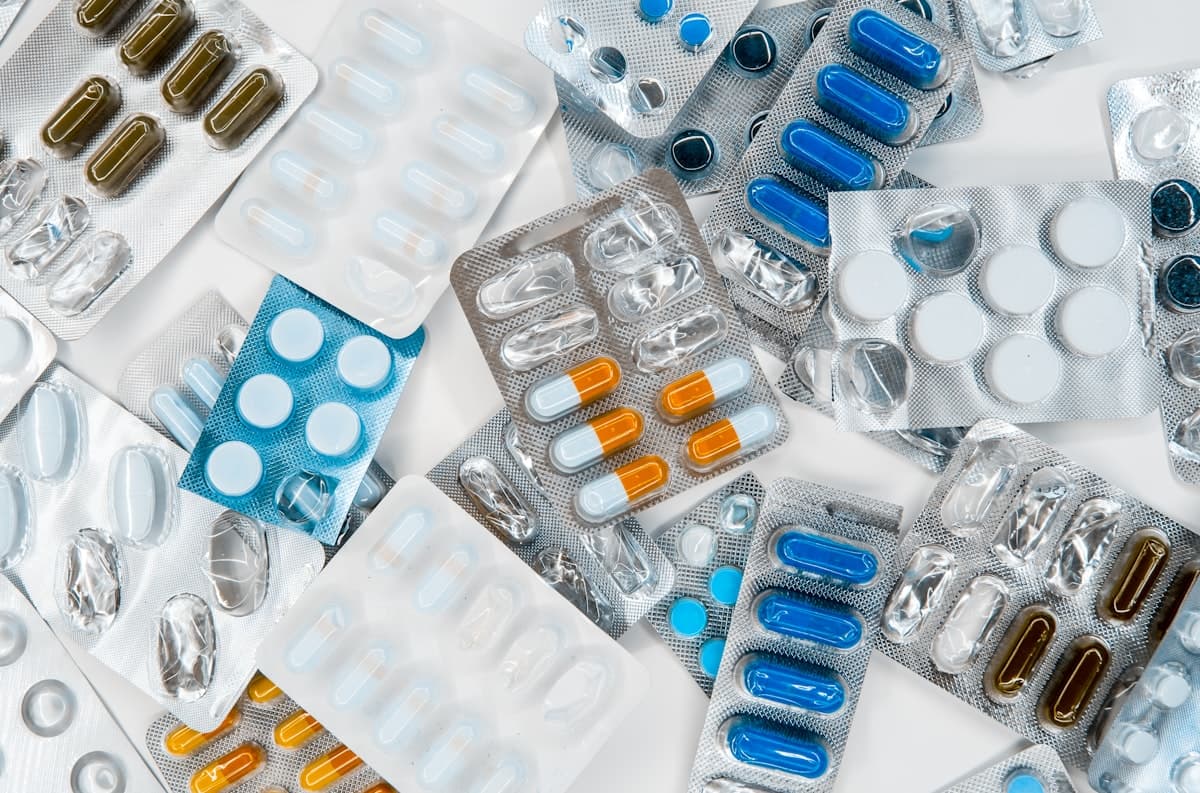
מעבר לנכסים, ניהול תרופות טומן סיכונים רבים. מעקב ידני אחר עגלות החייאה (crash carts) ומגשיי תרופות גורם לכך שתרופות שפג תוקפן נשארות במחזור. חוסר תשומת לב יחיד יכול להוביל ל- Sentinel Event.
יתר על כן, זרימת המטופלים לא שקופה. צווארי בקבוק במיון או בחדר ניתוח מפחיתים קצב תפוקה ומשפיעים על שביעות הרצון. ללא נתונים, מנהלים לא יכולים לבצע אופטימיזציה של כוח אדם או של החלפת מיטות.
מכיוון שהצוות לא יכול למצוא ציוד, הוא צובר אותו בארונות ובאריחי תקרה. בתי חולים מסיימים לרכוש 130% מהצי שלהם, אך הניצול נשאר מתחת ל-40%. מיליוני דולרים יושבים בטלה.
מילוי מחדש של עגלות החייאה באופן ידני נוטה לשגיאות. אמפולה של אפינפרין שפג תוקפה שהוחמצה היא אחריות. הסבת תרופות (גניבה) היא גם דאגה גוברת שיומני רישום ידניים אינם יכולים למנוע.
ידיעת הציוד שקיים אינטראקציה עם מטופל מדבק היא קריטית. ללא מעקב מגע דיגיטלי, בתי חולים חייבים להסגר נכסים בשמיכה, ולשבש את הפעולות.
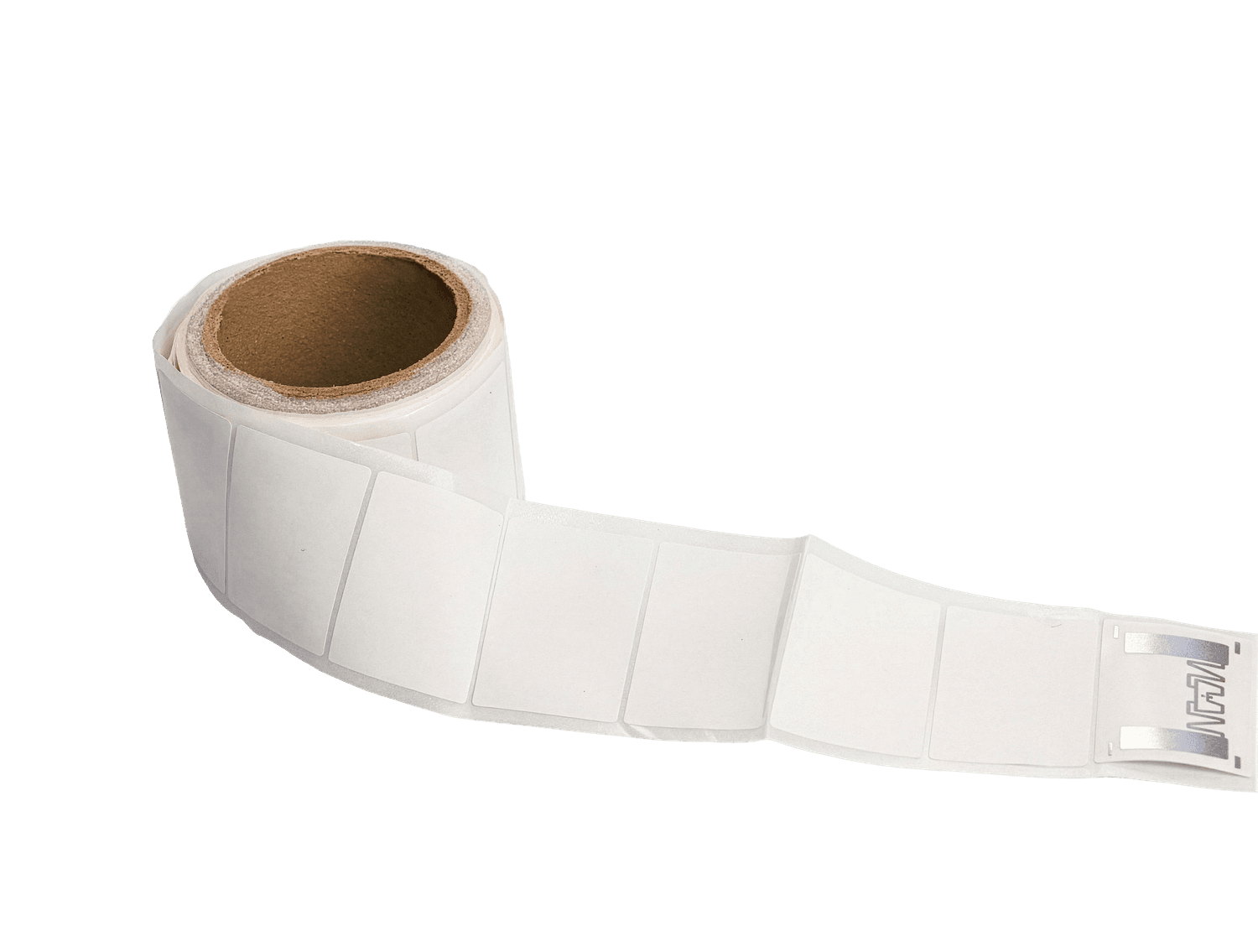
Nextwaves מיישמת מערכת היברידית Real-Time Location System (RTLS). אנחנו משתמשים ב-RFID UHF פסיבי עבור צריכה בנפח גבוה ונכסים בעלות נמוכה (מצעים, קבצים, תרופות), ובמעקב אקטיבי (BLE/Wi-Fi) עבור ציוד נייד יקר ערך.
ה-'Smart Cabinets' שלנו עוקבים באופן אוטומטי אחרי כל בקבוקון של תרופות שנלקח, ומעדכנים מייד את רישום המטופל ואת המלאי. המערכים המורכבים בתקרה עוקבים אחרי תנועת מיטות ומשאבות ברחבי המתקן, ומציגים זאת על מפה דיגיטלית.
המערכת יוצרת 'Chain of Custody'. אנחנו יודעים בדיוק מי לקח את התרופה, עבור איזה מטופל ובאיזה זמן. אנחנו יודעים בדיוק היכן נמצאת משאבת העירוי, והאם היא טופלה/נוקתה מאז השימוש האחרון.
מנעו 'אירועים לעולם לא'. בדיקות אוטומטיות מבטיחות את התרופה הנכונה, המינון הנכון, המטופל הנכון.
הפחיתו את גודל הצי ב-20% תוך הגדלת הזמינות. הפסיקו לקנות משאבות שאתם לא צריכים.
תנו לאחיות את הזמן שלהן בחזרה. תנו להן להתמקד בטיפול, לא בלוגיסטיקה.
יומני רישום אוטומטיים עבור The Joint Commission (TJC). הוכיחו סטריליות ועמידה בתחזוקה באופן מיידי.
מרכז טראומה בן 500 מיטות התמודד עם תפוקת חדר מיון ומחסור כרוני במשאבות עירוי. אחיות דיווחו על עיכובים בטיפול עקב ציוד חסר.
ה-RFID בתחום הבריאות מציב רף גבוה יותר מאשר בתחום הקמעונאות. אף פעם לא נכתב על תג שם של מטופל, אבחנה או מידע מזהה אישי (PII). התגים נושאים רק מזהה אנונימי — מספר שלא אומר דבר בלי גישה למערכת מאובטחת ברמת ה-backend שמקשרת אותו לרשומת מטופל.
שכבת מסד הנתונים הזו מוצפנת, מנוהלת בהרשאות ונרשמת ביומן ביקורת. אנשי הצוות הקליני רואים רק את המידע שהוגדר לתפקידם. מנהלים רואים דוחות ניצול. אף אחד לא רואה מידע של מטופלים דרך שכבת ה-RFID עצמה. אנחנו תואמים מלאים ל-HIPAA כברירת מחדל — לא כפתרון עקיפה לפי מדיניות.
נתוני מיקום הם רק ההתחלה. כשיש זרם רציף של נתונים על איפה נמצא כל נכס וכל מטופל, מתגלים דפוסים. אנחנו עובדים על מודלים שיכולים לחזות צווארי בקבוק בציוד 4–6 שעות לפני שזה קורה בפועל, כדי לתת לאחיות האחראיות זמן לייעד מחדש לפני שהטיפול נפגע.
בשלב הבא: מיטות שמדווחות אוטומטית על שינויי משקל ולחץ, ארונות חכמים שמזמינים תרופות מחדש לפני שנגמר, ותזמון חדרי ניתוח שמתעדכן בזמן אמת לפי מיקום הציוד בפועל — לא לפי הנחות.
הגנו על מחשבים ניידים וציוד IT עם שערי אבטחה RFID, תגיות נגד מתכת וביקורות אוטומטיות.
תנו לטכנולוגיה לטפל בחיפוש. אתם תטפלו בחיסכון.