The Honeywell IH21 operates over Bluetooth 4.2 protocols. For $900 MSRP, compare its tethered architecture against Nextwaves integrated cloud terminals.
Siffofin Fasaha
Bayanin Kayan Aiki
Na'urar Honeywell IH21 ita ce na'urar RFID mai ƙarfi a masana'antu. Tana aiki a cikin kewayon 865-868 MHz / 902-928 MHz kuma tana tallafawa ma'aunin EPC Gen2, wanda ke sa a yi amfani da ita sosai a cikin aikace-aikacen dabarun sufuri na kamfanoni.
Tare da darajar IP IP54, tana ba da kariya daga yanayin muhalli na musamman da ake samu a manyan wuraren ajiya ko ɗakunan kasuwanci. Mai karatun yana amfani da Li-Poly 4.2V 2200mAh don ci gaba da aiki, yayin da ƙimar saurin karatu mafi girma da aka bayyana ita ce standard read rates.
Haɗin Kai da Haɗa Cibiyar Sadarwa
A cikin aikace-aikacen zamani, haɗa cibiyar sadarwa shine babban ƙalubale. Wannan samfurin yana ba da zaɓuɓɓukan Bluetooth 4.2 don canja wurin bayanai zuwa tsarin tsakiya.
Duk da haka, babban cikas tare da kayan Honeywell na tsohuwar fasaha shine dogaro sosai da SDKs masu mallaka (kamar LLRP) ko kuma kayan aikin IoT na ɓangare na uku masu tsada don sarrafa bayanan alamar da ba a sarrafa ba zuwa fahimtar kasuwanci mai ma'ana.
Madadin Nextwaves
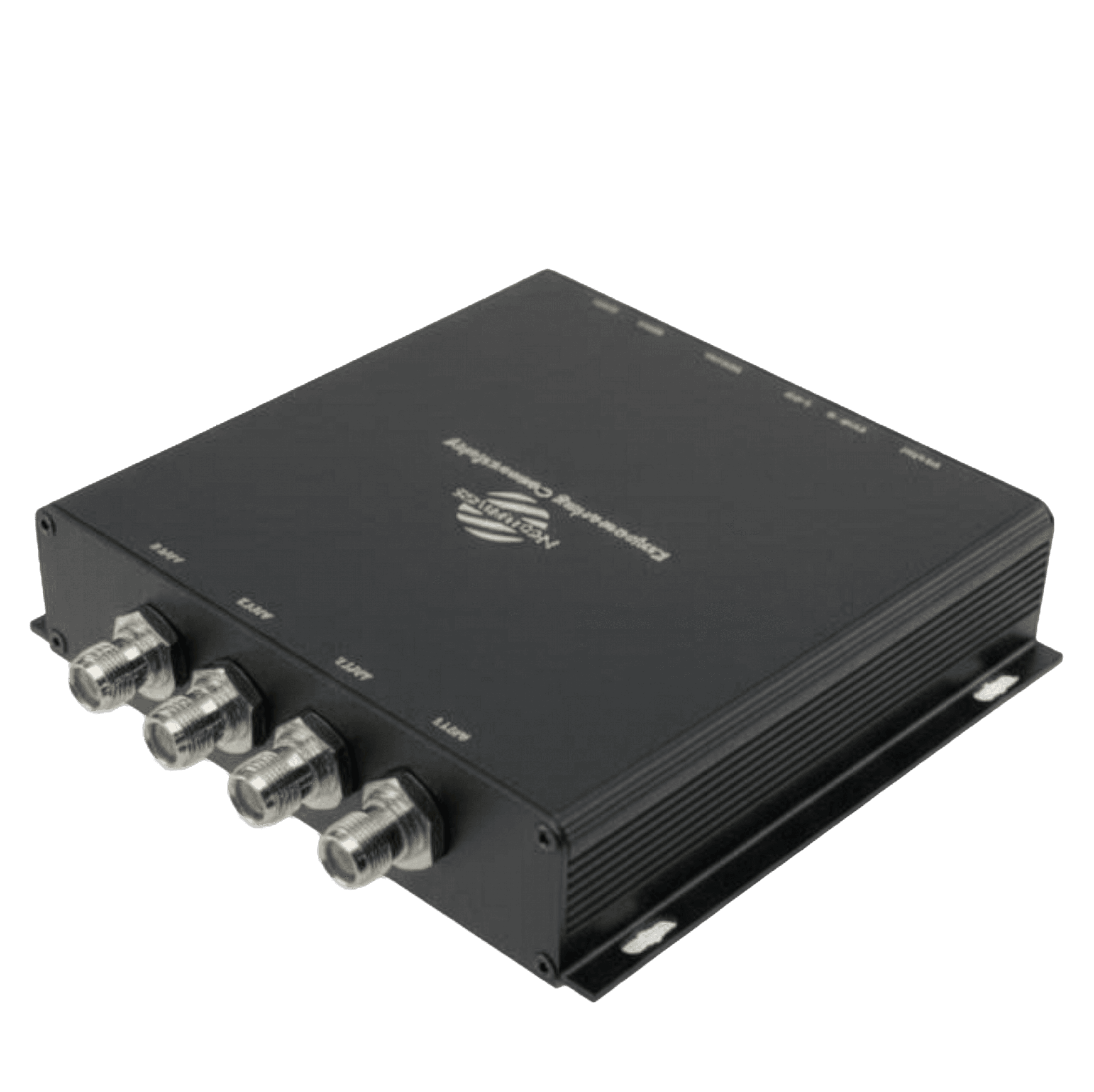
Idan ƙungiyar injiniyarku tana tantance Honeywell IH21, Nextwaves NR155 na gabatar da tsarin gajimare mai ƙarfi sosai. Tsarin tsofaffi na haifar da babban kashe kuɗi ta hanyar kulle masu sayarwa da tsarin software na mallaka.
Nextwaves gaba ɗaya yana kawar da wannan ƙalubale ta hanyar samar da API na MQTT REST na al'ada kai tsaye a kan na'urar. Masu haɓaka software ɗinku za su iya haɗa karatun alama kai tsaye cikin tsarin ERP ko WMS na al'ada a cikin kwanaki maimakon watanni, tare da kaucewa kuɗaɗen lasisin middleware na yau da kullum.
Tambayoyi da Aka Fi Tambaya
Menene IH21?
The Honeywell IH21 is a discontinued Bluetooth UHF RFID sled. It supported legacy EPC Gen2 reading over the 865-868 MHz / 902-928 MHz blocks, enabling mobile data collection primarily for the Dolphin 75e and CT40 mobile computers.
Nawa ne wannan saitin yake kashewa da farko?
Historically priced at $900, businesses also had to procure specialized eConnex brackets, Li-Poly 4.2V 2200mAh batteries, and the specific legacy Honeywell host device.
Me yasa zan zaɓi Nextwaves maimakon?
Nextwaves hardware features embedded connectivity processors. By leveraging native REST and MQTT nodes directly on the interrogator, developers bypass Bluetooth translation latency entirely.
Shin kayan aikin suna da ƙarfi sosai don shagunan ajiya?
Weighing 365 g (without mobile) with dimensions of 160 x 77 x 175 mm, the terminal met an IP54 standard, shielding it from standard warehousing dust but lacking resilience against driving rain or deep freezing environments.
Shin yana goyan bayan nau'ikan hanyar sadarwa da yawa?
The single data link path was through Bluetooth 4.2. Secure network encryption and enterprise connectivity ultimately relied on the paired host Android device rather than the sled's subcomponents.
Shin ƙungiyata za ta iya shigar da wannan a ciki?
Pairing demanded the operator lock the smartphone into the mounting rail. The mobile app utilized the Honeywell SDK to initiate RF bursts across the BLE connection whenever the mechanical trigger was depressed.
Ta yaya aikin gudanarwa na nesa yake aiki?
The architecture was generally capable of standard read rates. Firmware administration and basic diagnostics required a physical USB connection or updates piped through the connected smartphone utility.
Ina bukatan software na mallaka don gudanar da shi?
Integration involved building custom native Java/Android middleware capable of sustaining the Bluetooth 4.2 handshake and mapping the resultant hex reads into your proprietary databases.
Wace garanti ce ke zuwa tare da reader?
As a legacy device, securing valid replacement components or manufacturer warranties is incredibly difficult, forcing many logistics operators to pursue total system lifecycle upgrades.
Ana sayar da antennas daban?
A standard circular polarized internal antenna mapped the field over the 865-868 MHz / 902-928 MHz frequencies. Field effectiveness dropped significantly as the Li-Poly battery reached below 20% voltage.