انباشت و از دست دادن دارایی
چون کارکنان نمیتوانند تجهیزات را پیدا کنند، آنها را در کمدها و سقفها انباشت میکنند. بیمارستانها در نهایت ۱۳۰٪ ناوگان مورد نیاز خود را میخرند، اما استفاده همچنان زیر ۴۰٪ است. میلیونها دلار بیکار میماند.
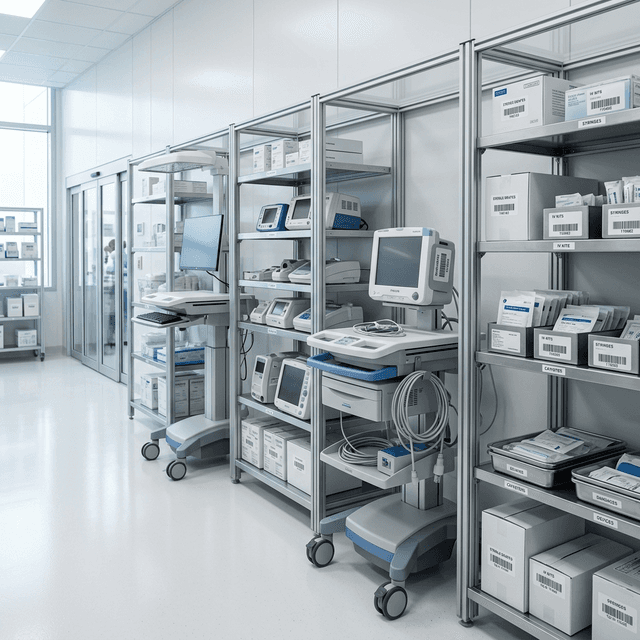

بیمارستانها محیطهایی پیچیده و آشفتهاند که تصمیمهای زندگی/مرگ به لجستیک وابسته است. با این حال، پرستار بهطور متوسط در هر شیفت 1 ساعت—یعنی 12% از زمانش—را صرف شکار تجهیزات میکند. آنها پمپهای IV، ویلچر، پکهای تلهمتری و وکیوم زخمها را دنبال میکنند. این همان «دارو برای شکار و جمعآوری» است.
فراتر از داراییها، مدیریت داروها با ریسک همراه است. ردیابی دستیِ سبدهای اورژانسی (crash carts) و سینیهای دارویی باعث میشود داروهای تاریخگذشته همچنان در گردش باقی بمانند. یک سهلانگاری میتواند به یک Sentinel Event منجر شود.
علاوه بر آن، جریان بیماران شفاف نیست. گلوگاهها در ER یا OR باعث کاهش ظرفیت عبوری و نارضایتی بیمار میشود. بدون داده، مدیران نمیتوانند نیروی انسانی یا گردش تخت را بهینه کنند.
چون کارکنان نمیتوانند تجهیزات را پیدا کنند، آنها را در کمدها و سقفها انباشت میکنند. بیمارستانها در نهایت ۱۳۰٪ ناوگان مورد نیاز خود را میخرند، اما استفاده همچنان زیر ۴۰٪ است. میلیونها دلار بیکار میماند.
تأمین مجدد گاریهای احیا بهصورت دستی مستعد خطاست. یک ویال اپینفرین منقضیشده فراموششده یک مسئولیت است. سرقت دارو نیز نگرانی رو به رشدی است که گزارشهای دستی نمیتوانند از آن جلوگیری کنند.
دانستن اینکه کدام تجهیزات با بیمار عفونی در تماس بوده حیاتی است. بدون ردیابی دیجیتال تماس، بیمارستانها باید داراییها را قرنطینه گسترده کنند و عملیات را مختل کنند.
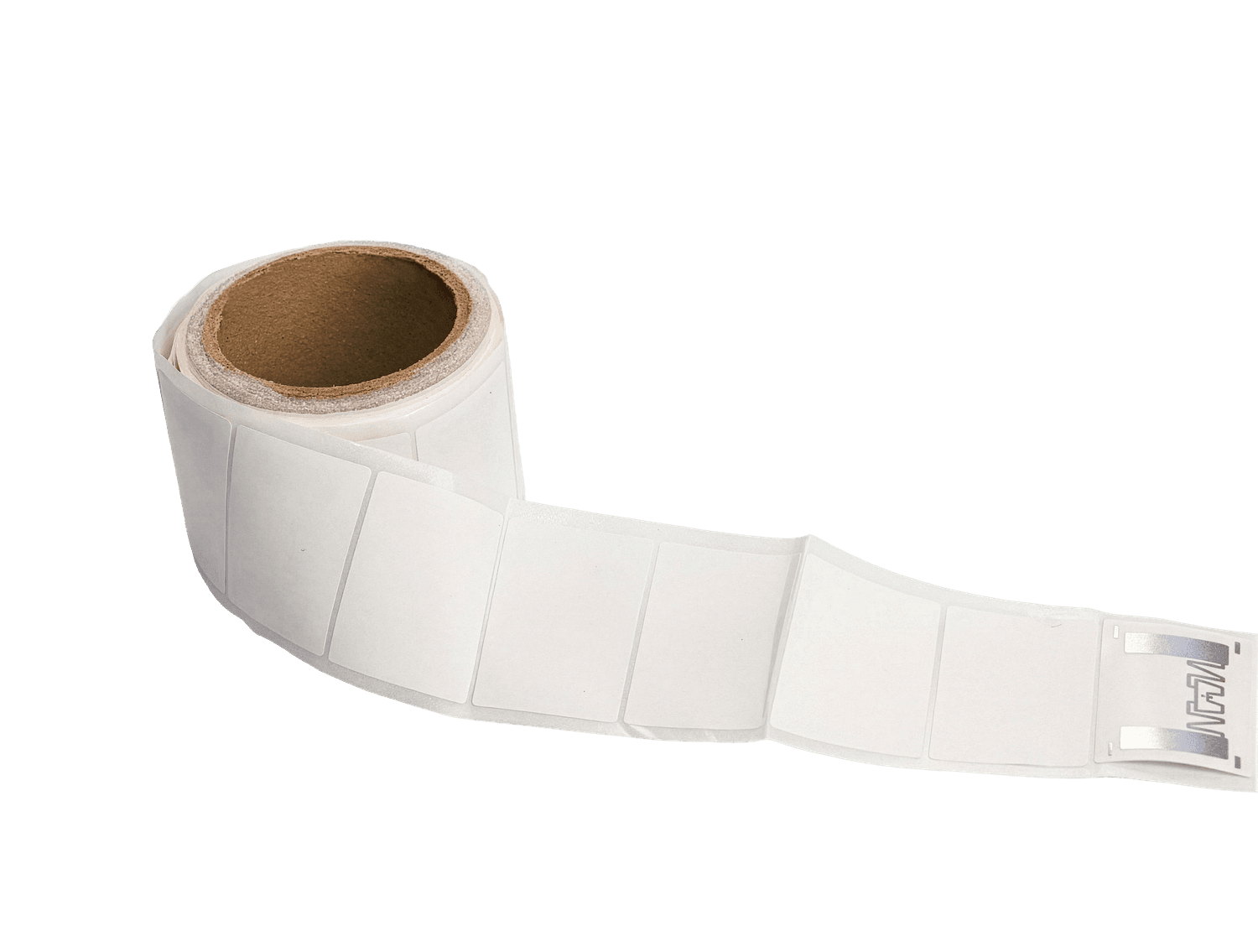
Nextwaves یک سیستم ترکیبی Real-Time Location System (RTLS) پیادهسازی میکند. برای اقلام مصرفی با حجم بالا و داراییهای کمهزینه از Passive UHF RFID استفاده میکنیم (مثل ملحفه، پروندهها، داروها) و برای تجهیزات سیارِ باارزش، ردیابی Active (BLE/Wi‑Fi) را به کار میبریم.
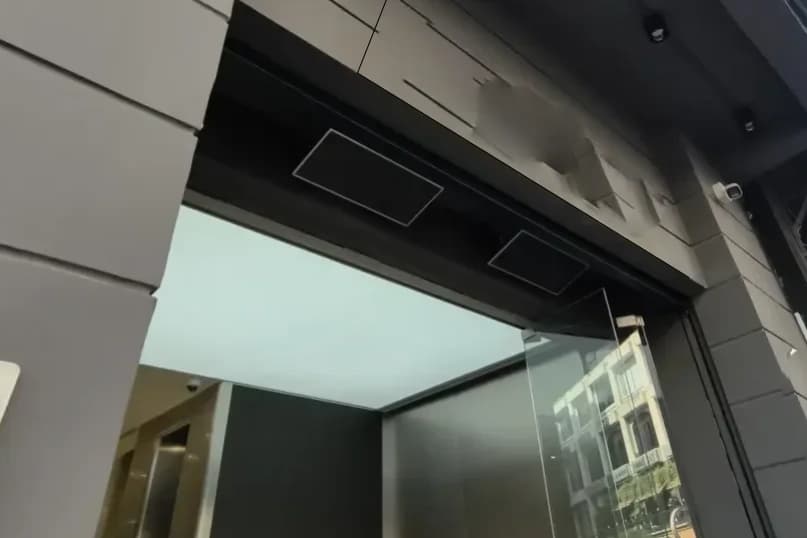
«Smart Cabinets» ما بهصورت خودکار هر ویال دارویی که برداشته میشود را ردیابی میکنند؛ رکورد بیمار و موجودی را همان لحظه بهروزرسانی میکنند. آرایههای نصبشده روی سقف، جابهجایی تختها و پمپها را در سراسر بیمارستان دنبال میکنند و آنها را روی یک نقشهٔ دیجیتال نمایش میدهند.
این سیستم یک «Chain of Custody» ایجاد میکند. دقیقاً میدانیم چه کسی دارو را برداشته، برای کدام بیمار و در چه زمانی. همچنین دقیقاً میدانیم پمپ تزریق کجاست و آیا از آخرین استفاده تمیز شده است یا خیر.
از «رویدادهای هرگز» جلوگیری کنید. بررسیهای خودکار اطمینان میدهند که داروی درست، دوز درست، بیمار درست.
اندازه ناوگان را ۲۰٪ کاهش دهید و در عین حال در دسترس بودن را افزایش دهید. دست از خرید پمپهایی که نیاز ندارید بردارید.
زمان را به پرستاران بازگردانید. به آنها اجازه دهید روی مراقبت تمرکز کنند، نه لجستیک.
گزارشهای خودکار برای کمیسیون مشترک (TJC). انطباق استریلیزاسیون و نگهداری را فوراً اثبات کنید.
یک مرکز تروما ۵۰۰ تختخوابی با توان عملیاتی ER و کمبود مزمن پمپ IV دست و پنجه نرم میکرد. پرستاران گزارش میکردند که به دلیل نبود تجهیزات، مراقبت به تأخیر میافتد.
RFID در حوزهٔ سلامت استانداردی بالاتر از خردهفروشی دارد. هرگز هیچ نام بیمار، تشخیص یا اطلاعات قابل شناسایی شخصی (PII) روی یک برچسب نوشته نمیشود. برچسبها فقط یک توکن ناشناس حمل میکنند؛ عددی که بدون دسترسی به بکاند امنی که آن را به رکورد بیمار متصل میکند، هیچ معنایی ندارد.
این لایهٔ پایگاهداده رمزگذاریشده، دارای کنترل دسترسی و ثبت ممیزی (audit) است. کادر درمان فقط دادههایی را میبیند که نقش او اجازه میدهد. مدیران گزارشهای استفاده را مشاهده میکنند. هیچکس از خودِ لایهٔ RFID به دادههای بیمار دسترسی ندارد. ما بهصورت کامل و ذاتاً HIPAA-compliant هستیم، نه صرفاً با دور زدن سیاستها.
دادهٔ مکان فقط شروع است. وقتی یک جریان پیوسته از اینکه هر دارایی و هر بیمار کجاست داشته باشید، الگوها آشکار میشوند. ما روی مدلهایی کار میکنیم که میتوانند 4–6 ساعت قبل از وقوع، گلوگاههای تجهیزات را پیشبینی کنند و به پرستاران مسئول زمان بدهند تا پیش از تاثیر بر مراقبت، جابهجایی انجام دهند.
در افق: تختهایی که بهطور خودکار وزن بیمار و تغییرات فشار را گزارش میکنند، کابینتهای هوشمند که داروها را پیش از تمام شدن دوباره سفارش میدهند، و برنامهریزی اتاق عمل (OR) که بهصورت لحظهای بر اساس مکان واقعی تجهیزات تنظیم میشود—نه بر اساس فرض.
محافظت از لپتاپها و تجهیزات IT با دروازههای امنیتی RFID، برچسبهای ضد فلز و ممیزیهای خودکار.
بگذارید فناوری جستجو را انجام دهد. شما روی نجات تمرکز کنید.