Txikizkako Inbentarioaren Ikusgarritasuna
Ikusgarritasun Osoaren Aroa

Utzi salmentak inbentario fantasmari galtzen. Jakin zehazki zer duzun, non dagoen, egunero orduro.

%100
Lortutako inbentarioaren zehaztasuna
Auto-eskari
Marrukarik gabeko kutxazain automatizatuak
Ezabatuta
Stockik ez egotea dendetan
Arazoa

Inbentarioaren Distortsioaren Arazoa

For over fifty years, the Universal Product Code (UPC) barcode has been the backbone of retail. It standardized commerce, allowed for scanning at the register, and enabled the first generation of computerized inventory management. But the barcode has a fatal flaw: it is blind. It requires line-of-sight, it requires manual intervention, and it cannot distinguish between two identical items. This limitation has led to a global crisis known as 'Inventory Distortion' - a trillion-dollar problem where retailers simply do not know what they have.

In the modern omnichannel era, this blindness is existential. When a customer orders an item online for pickup in-store (BOPIS), the system checks the inventory database. The database says 'Quantity: 1'. But is it there? Is it in the backroom? Is it in a fitting room? Has it been stolen? Or was it sold yesterday and the database didn't update?

The result is a fragile supply chain buffered by 'safety stock' - excess inventory bought just to cover up the inaccuracies of the data. Retailers are drowning in inventory they can't sell, while losing sales on items they strictly 'have' but cannot find. The manual cycle count - the traditional remedy - is too slow, too expensive, and too error-prone to solve this. The industry needs a paradigm shift from 'scanning' to 'sensing'.

Gako arazoak

Inbentario Fantasma

Datuen desplazamenduak errealitate fisikoa erregistro digitaletatik pixkanaka deskoplatzea dakar. 'Inbentario fantasma' gertatzen da sistemek existitzen ez den stocka erakusten dutenean, eta horrek BOPIS eskaeren %22 bertan behera uztea eragiten du, eta bezeroen leialtasuna suntsitzen du.

Lanaren erabilera

RFIDrik gabeko denda batean, langileek denboraren %20-30 ematen dute produktuak bilatzen edo eskuzko zenbaketak egiten. Kostu handiko lana da, helburu nagusitik desbideratua: bezeroarentzako arreta eta salmenta.

Murrizketa eta Merkatu Grisak

Identitate serializaturik gabe (EPC), elementu lapurtu bat 'minus bat' besterik ez da. Dendariak ezin dira antolatutako txikizkako krimenaren (ORC) ereduak jarraitu, ezta itzulitako ondasunak benetan merkatu grisetatik erositako faltsifikazioak diren identifikatu ere.

Gure ikuspegia

Digital Twin Arkitektura

Digital Twin Arkitektura

Nextwaves implements a 'Source-to-Store' architecture based on the EPC Gen2 V2 standard. It begins not at the store, but at the point of manufacture. By embedding a passive UHF RFID inlay into the care label or price ticket at the factory, we give every unique item a digital soul - a serialized Electronic Product Code (EPC).

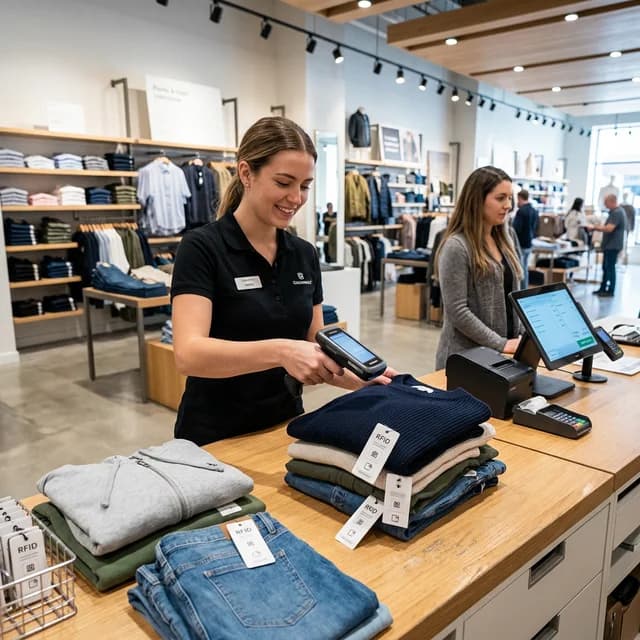
As these items travel through the supply chain, they pass through 'Read Points' - tunnel readers at distribution centers, overhead arrays in staging areas, and eventually, handheld sweeps in the retail store. Unlike barcodes, these scanners use radio waves to energize the tags, allowing them to read hundreds of items per second without visual contact.

This creates a real-time 'Digital Twin' of the inventory. When a shipment arrives at the store, it isn't manually counted; it is verified instantly. When a customer tries on a shirt, a smart fitting room detects it. When an item leaves the store, the EAS gates update the inventory instantly. We move from 'Inventory Estimation' to 'Inventory Certainty'.

Zuk jasoko duzuna

ROI eta eragin estrategikoa

01

%99,9ko zehaztasuna

Lortu inbentarioaren konfiantza osoa. Gaitu 'Agindutakoa eskuragarri' (ATP) merkataritza elektronikorako buffer stockik gabe.

02

Bihurketa igoera

Pilotu datuek salmenten %5-15eko igoera erakusten dute. Solairuan badago, saltzen da. Atzealdean badago, ez da saltzen.

03

Galeren adimena

Ez egin bip atean. Jakin zehazki ZER lapurtu zen, NOIZ, eta berehala ordezkatu.

04

Esperientzia adimendunak

Gaitu 'Ispilu Magikoak' bezeroak probagelan sartu duenaren arabera bat datozen elementuak gomendatzen dituztenak.

Kasu Azterketa
Kasuen Azterketa: Uniqlo-ren RFID Eraldaketa

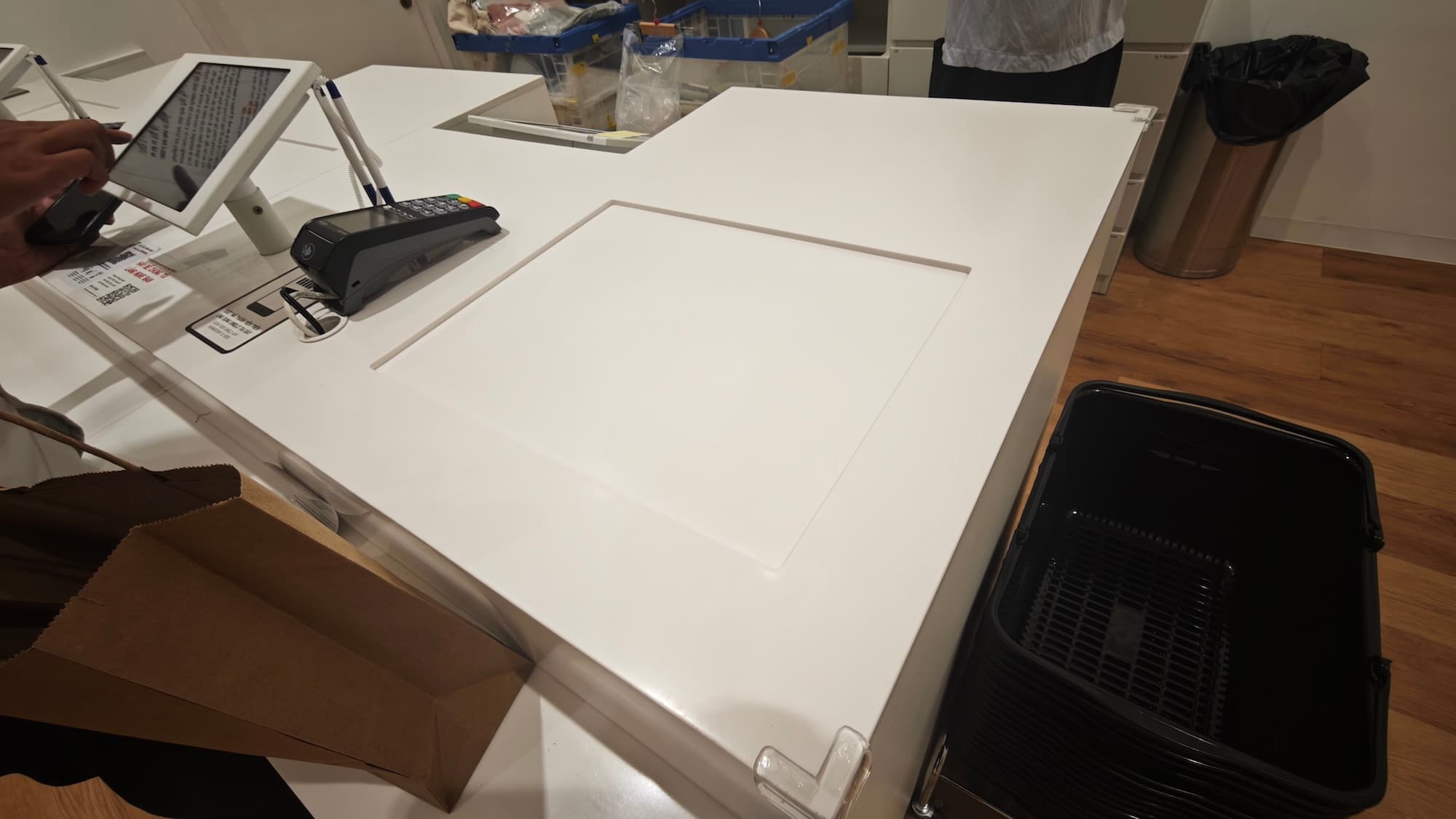
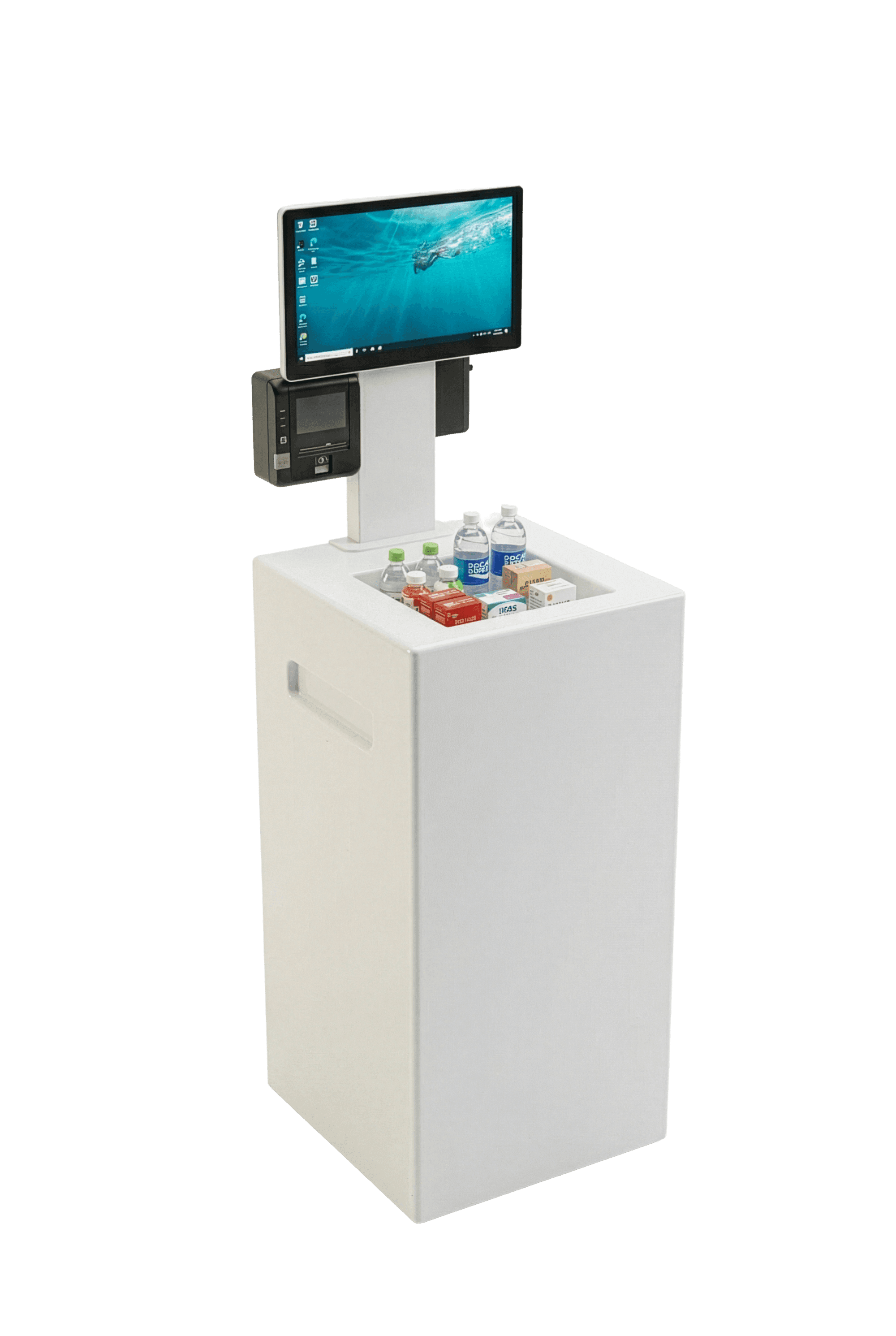
RFID etiketak produktu guztietan txertatuz, Uniqlo-k ia %100eko inbentarioaren zehaztasuna lortu zuen. Baina benetako magia ordainketan gertatzen da: bezeroek elementuak automatizatutako zakarrontzi batean sartzen dituzte, eta zakarrontziak RFID etiketa guztiak aldi berean irakurtzen ditu. Marruskadurarik gabeko esperientzia honek itxaron denborak murriztu zituen, ordainketako ilarak ezabatu zituen eta dendako langileei bezeroarentzako arreta eskaintzera bideratzeko aukera eman zien barra-kodeak eskaneatu beharrean. Lortutako datuen adimenak tamaina edo kolore jakin bat noiz berriz hornitu behar den ere esan nahi du, stockik eza ia ezabatuz eta salmenta orokorrak bultzatuz.

%100
Lortutako inbentarioaren zehaztasuna
Auto-eskari
Marrukarik gabeko kutxazain automatizatuak
Ezabatuta
Stockik ez egotea dendetan
Uniqlo Store Interior 1
Uniqlo Store Interior 2
Nola Funtzionatzen Du

Nola funtzionatzen duen benetan

01

Every item gets a unique digital identity at the point of manufacture. a passive UHF RFID tag that costs less than a paper label but carries a serialized code that can never be duplicated. When a handheld reader sweeps across a rack of 500 shirts, all 500 are counted in under 3 seconds. No unloading, no scanning one-by-one.

02

The system uses standard GS1 EPC Gen2 V2 tags, which include anti-cloning authentication. important for high-value and luxury items where counterfeits are a real risk. Our edge software filters out noise (tags read from the wrong zone, partial reads from metal fixtures) so what reaches your dashboard is clean, actionable data.

03

Everything connects back to your existing WMS or ERP in real time. Think of it as giving your inventory a heartbeat. the system always knows what moved, where it is, and when it arrived.

What's Next

Zehaztasunaren ondoren zer datorren

Once inventory is accurate, the next transformation is removing friction entirely. We are piloting 'Grab-and-Go' store formats where customers walk out without stopping at a register. the system reads their basket at the exit and charges their account automatically.

The same infrastructure powers smart fitting rooms that surface outfit recommendations, dynamic restocking alerts that trigger before a shelf goes empty, and loss prevention that tells you exactly what was taken and when. Accuracy was the foundation. The real value is what you build on top of it.

%99ko zehaztasunerako prest?

Etorkizuneko azpiegitura zabaldu. Asmatzeari utzi, jakiten hasi.