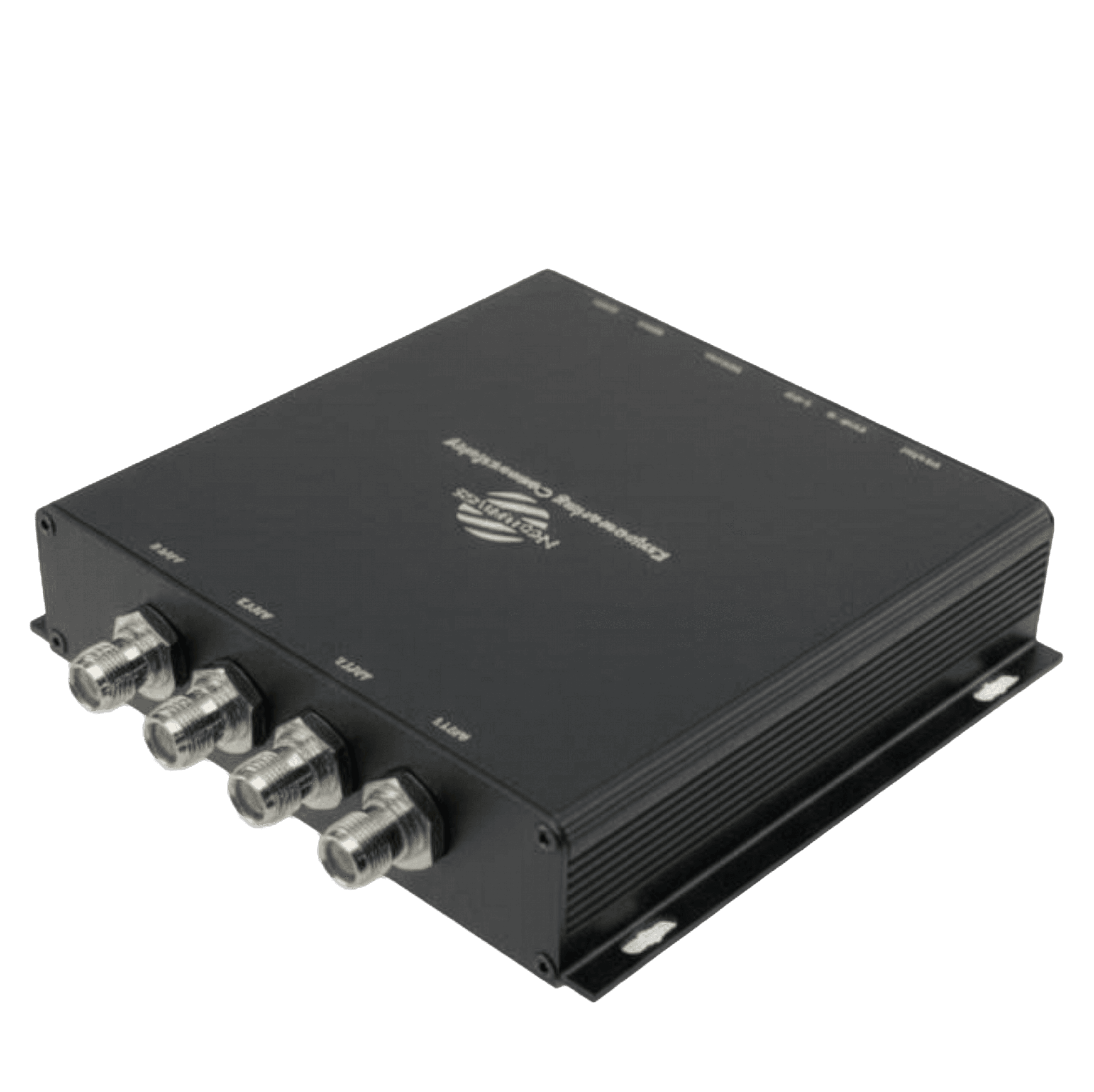
The MC3330xR is an integrated Android RFID terminal by Zebra operating on 902-928 MHz (US) / 865-868 MHz (EU). Compare its $2000 price point and specs.
Zehaztapen Teknikoak
Hardwarearen Ikuspegi Orokorra
Zebra MC3330xR RFID gailu industrial bat da. 902-928 MHz (US) / 865-868 MHz (EU) tartean funtzionatzen du eta EPC Gen2 V2, ISO-18000-63 estandarra onartzen du, enpresen logistika aplikazioetan oso zabalduta egon dadin.
IP54 IP balorazioarekin, biltegi edo txikizkako atzeko gelatan ohikoak diren ingurumen baldintza zehatzen aurkako babesa eskaintzen du. Irakurgailuak Li-Ion 3.6V 7000mAh erabiltzen du etengabeko errendimendurako, eta bere irakurketa-abiadura maximoa ~900 tags/sec da.
Konektibitatea eta Sarearen Integrazioa
Egungo inplementazioetan, sarearen integrazioa da oztopo nagusia. Eredu honek Wi-Fi, BT 5.0 aukera eskaintzen ditu datuak sistema zentraletara transferitzeko.
Hala ere, Zebra hardware zaharkituaren arazo nagusia SDK jabedunen (LLRP bezalakoak) edo hirugarrenen IoT middleware garestien menpekotasun handia da, etiketen datu gordinak negozio adimen esanguratsu bihurtzeko.
Nextwaves Alternatiba
Zure ingeniaritza taldea Zebra MC3330xR ebaluatzen ari bada, Nextwaves NR155-ak hodeian oinarritutako arkitektura askoz hobea aurkezten du. Ondare-sistemek kapital-gastu handiak eragiten dituzte saltzaileen blokeoaren eta software-ekosistema jabedunen bidez.
Nextwaves-ek oztopo hori guztiz ezabatzen du MQTT REST API estandar bat gailuan zuzenean eskainiz. Zure software garatzaileek etiketen irakurketa zuzenean integra dezakete zure ERP edo WMS atzeko plano pertsonalizatuan egunetan, hilabetetan baino, bitarteko lizentzia-kuota errepikariak guztiz saihestuz.
Galdera Arruntenak
Zer da MC3330xR?
The Zebra MC3330xR is a mobile handheld Android RFID terminal. It supports the EPC Gen2 V2, ISO-18000-63 standard over the 902-928 MHz (US) / 865-868 MHz (EU) bands, enabling roaming inventory sweeps and ad-hoc audits across standard retail floors.
Zenbat balio du konfigurazio honek hasieran?
Units are typically priced around $2000. Depending on your shift requirements, you must also budget for charging cradles, spare Li-Ion 3.6V 7000mAh batteries, and enterprise Mobile Device Management (MDM) software.
Zergatik aukeratu beharko nuke Nextwaves besteen ordez?
Nextwaves provides embedded cloud integration directly on the device. By supporting open REST protocols natively, mobile operators can push tag data straight into backend databases without writing custom Android bridging apps.
Hardwarea nahikoa iraunkorra al da biltegietarako?
The durable chassis weighs 680 g (with handstrap) and measures 164 x 75 x 211 mm. With an IP54 rating, it is built to survive warehouse drops, dust, and varying environmental conditions across the facility.
Sare mota anitz onartzen al ditu?
Network access relies on its integrated Wi-Fi, BT 5.0 radios. Enterprise WPA2/WPA3 security profiles can be configured via Android to protect internal payload data during wireless transmission.
Nire taldeak barnean instala al dezake hau?
Hardware deployment requires staging the Android OS. Software engineering teams must properly provision the internal DataWedge profiles and specify correct EPC memory bank read masks for your data collection workflow.
Nola funtzionatzen du urruneko kudeaketak?
The mobile interrogator supports sweeping speeds up to ~900 tags/sec. Centralized device tracking, battery health monitoring, and firmware deployments are generally managed via third-party solutions like SOTI MobiControl.
Software jabedunik behar al dut hura exekutatzeko?
Legacy deployments require custom Android Java/Kotlin applications using the Zebra EMDK to capture reads from the RF antennas before transacting them via HTTP to your cloud CRM.
Zer berme dakar irakurgailuak?
The unit includes a standard one-year warranty covering manufacturer defects. Accidental damage protection (Zebra OneCare) is available and highly recommended for portable scanning hardware.
Antenak bereiz saltzen al dira?
The device features an integrated circular polarized antenna tuned for the 902-928 MHz (US) / 865-868 MHz (EU) bands. The operator's physical sweep speed and height directly impact total read reliability.