RFID replacement dossierUpdated: May 25, 2026

ThingMagic (JADAK) ElaraBerrikuspena: Zehaztapenak eta Alternatibak

The ThingMagic Elara is a desktop USB EPC reader priced around $400. Review its keyboard emulation functions and compare against Nextwaves Webhook nodes.

Nextwaves IngeniaritzaHardware Berrikuspena5 minutu irakurtzeko

Technical verdict

ThingMagic (JADAK) Elara is a mainstream hardware purchase, but it is not always the best architecture for direct RFID data integration.

Do not evaluate Elara by list price alone. Its strongest fit is a project that already uses USB Type A (keyboard emulation), has time for RF tuning, and accepts extra middleware work. If the engineering team needs open APIs, realtime data, and faster edge-to-cloud deployment, Nextwaves NR155 is the stronger replacement path to evaluate.

Initial cost

$400 before deployment accessories

Published throughput

50 tags/second

Integration surface

USB Type A (keyboard emulation)

Physical data

97 x 61 x 25 mm; 0.19 kg; IP: indoor rating

Published specs

Specifications to validate before replacing

Maiztasuna

Global

Protokoloa

EPC Gen2v2, ISO 18000-63

Konektibitatea

USB Type A (keyboard emulation)

IP Kalifikazioa

indoor rating

Neurriak

97 x 61 x 25 mm

Pisua

0.19 kg

Elikadura

USB Bus Power

Irakurketaren Abiadura

~50 tags/sec

Prezio estimatua

$400

Deployment review

Operational strengths and risks

This summary is based on public specifications and does not replace an on-site RF survey.

Fit score

3.5/5

Strengths

  • USB Type A (keyboard emulation) gives network teams a familiar integration surface instead of local-only collection.
  • USB Bus Power can reduce separate power drops when switch PoE budget is available.
  • The $400 hardware baseline is easier to budget than premium fixed-reader configurations.
  • 50 tags/second can fit faster inventory lanes when the read zone is tuned correctly.

Validate

  • Quoted hardware price is not installed system cost; include antennas, cables, mounts, power, software, and configuration work.
  • RF performance depends on tag material, antenna position, transmit power, reader orientation, and site interference.
  • indoor rating must be checked against dust, humidity, temperature, and cleaning requirements.
  • Raw RFID reads still need duplicate filtering, business-event mapping, and ERP/WMS integration before operations can use them.

Deployment review

Buying decision matrix

Best fit

Fixed UHF RFID projects that already use USB Type A (keyboard emulation) and have time for RF tuning.

Weak fit

Do not compare device price only; total cost depends on accessories, software, and integration.

Deployment risk

indoor rating, USB Bus Power, 97 x 61 x 25 mm, and 0.19 kg must match the site layout.

Software risk

Plan for middleware, SDK work, duplicate filtering, and business-event mapping.

Alternative architecture

ThingMagic (JADAK) Elara vs Nextwaves

01

Hardwarearen Ikuspegi Orokorra

ThingMagic (JADAK) Elara industrial mailako RFID gailu bat da. Global tartetan funtzionatzen du eta EPC Gen2v2, ISO 18000-63 estandarra onartzen du, enpresa logistika aplikazioetan zabalki hedatua.

indoor rating babes-mailarekin, biltegi edo txikizkako saltokien atzeko eremuetako ingurumen-baldintzen aurkako babesa eskaintzen du. Irakurgailuak USB Bus Power erabiltzen du etengabeko errendimendurako, eta adierazitako irakurketaren abiadura maximoa ~50 tags/sec-n dago.

02

Konektibitatea eta Sare Integratzea

Gaur egungo ezarpenean, sare integratzea oztopo esanguratsuena da. Modelo honek USB Type A (keyboard emulation) aukerak eskaintzen ditu datuak sistema zentraletara transferitzeko.

Hala ere, ThingMagic (JADAK) hardware zaharretako botil lehergarri nagusia SDK jabetzakoetan (LLRP bezala) edo middleware IoT garestietan oinarritzea da, tag datu gordinak negozio adimen esanguratsuan prozesatzeko.

03

When to choose Nextwaves instead of another closed reader

zure ingeniaritza-taldea ThingMagic (JADAK) Elara ebaluatzen ari bada, Nextwaves NR155-ek hodeian oinarritutako arkitektura nabarmen hobea aurkezten du. Sistema zaharren berez ezinbesteko gastu handia bultzatzen dute saltzaileen blokeoaren eta software jabetzako ekosistemaren bidez.

Nextwaves-ek oztopo hau erabat ezabatzen du API MQTT REST estandarra zuzenean gailuan emanez. Zure software-garatzaileek tag irakurketa zuzenean integratu ahal izango dute zure ERP edo WMS atzealde pertsonalizatuan egun batzuen buruan hilabeteen ordez, middleware lizentzia errepikariak erabat saihestuz.

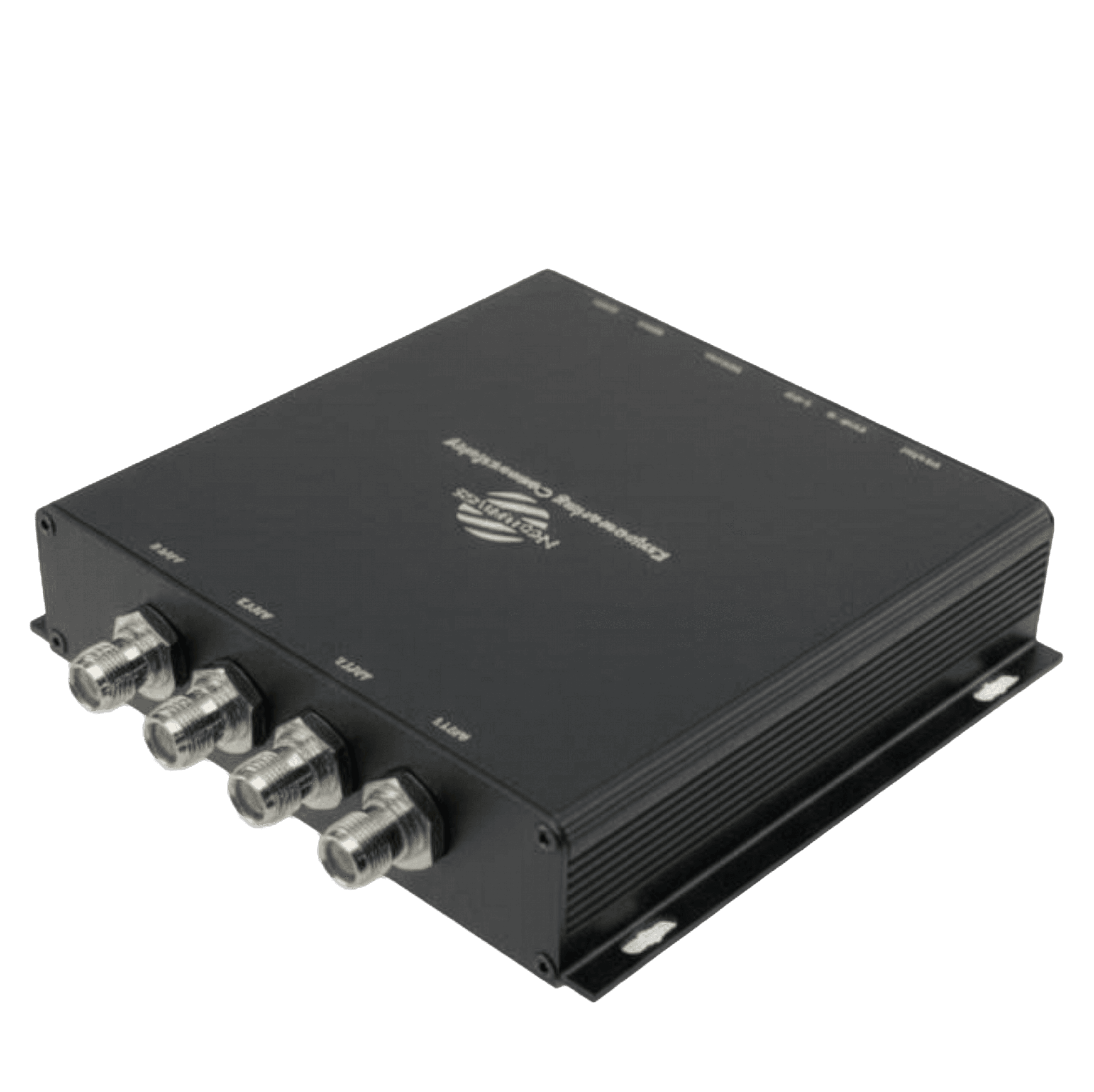
Alternative architecture

NR155 IoT finkoko UHF RFID irakurlea

Hodeian oinarritutako MQTT/REST API-ak integratuta. Ez SDK jabetzakorik, ez middleware lizentziarik. Zuzenean integratu zure ERP edo WMS-ekin egun batzuen buruan.

View Nextwaves NR155
Nextwaves NR155 Fixed IoT UHF RFID Reader

Antena Portuak

4 x RP-TNC Portu

Irakurketaren Abiadura

400 tag/segundo arte

Iragotzeko Potentzia

0–33 dBm (1dB pausoak)

Sare Protokoloa

MQTT / MQTTS

FAQ

Maiz Egiten diren Galderak

These answers help purchasing and engineering teams review cost, integration, and deployment risk.

01

Zer da Elara?

The ThingMagic (JADAK) Elara is a plug-and-play desktop RFID scanner. It decodes EPC Gen2v2, ISO 18000-63 formats across the Global spectrum, specifically engineered to act as an automated keyboard wedge for simple data entry tasks.

02

Zenbat kostu du hasierako konfigurazio honek?

Units are configured starting at $400. Due to its minimalist design, integration budgets are extremely low, drawing USB Bus Power natively and containing no external networking logic or wiring harnesses.

03

Zergatik hautatu behar dut Nextwaves?

Nextwaves hardware specializes in untethered operations. Instead of typing data directly into a focused spreadsheet cell like the Elara, our systems seamlessly broadcast massive inventory dumps securely over cloud webhooks.

04

Hardwarea nahikoa iraunkorra da biltegiendako?

The lightweight plastic shell weighs just 0.19 kg with physical dimensions mapping 97 x 61 x 25 mm. Carrying a generic indoor rating, it is explicitly designed for POS counters, medical carts, or library checkout desks.

05

Sare-mota ugari onartzen al ditu?

The device acts as a Human Interface Device (HID) over USB Type A (keyboard emulation). It possesses zero networking logic and inherently relies entirely on the host operating system's firewall.

06

Taldeak barnean instalatu ahal al du?

Implementation is completely driverless. Setup simply involves plugging the reader into a host PC; any scanned EPC Gen2v2, ISO 18000-63 tags are instantly 'typed' into the active cursor window as raw text stings.

07

Urruneko kudeaketa nola funtzionatzen du?

Powered internally by an M6e-Nano embedded core, read counts are severely capped to roughly ~50 tags/sec. It serves strictly as a single-item point-of-friction terminal, incapable of running dense background audits.

08

Software jabetzakoa behar al dut exekutatzeko?

Because data injection from its USB Type A (keyboard emulation) interface is handled identically to typing on a physical keyboard, complex autonomous background routing to external CRMs requires hacky OS script writing.

09

Zer berme dakar irakurleak?

The base hardware unit is protected against factory defects for a single year. Standard enterprise support SLAs are rarely purchased for these low-friction utility scanners.

10

Antenak banaka saltzen al dira?

An internal antenna element spans the Global band footprint. The RF power limits are intentionally dialed downwards by the manufacturer to create a contained 12-inch sensing bubble to prevent duplicate reading.