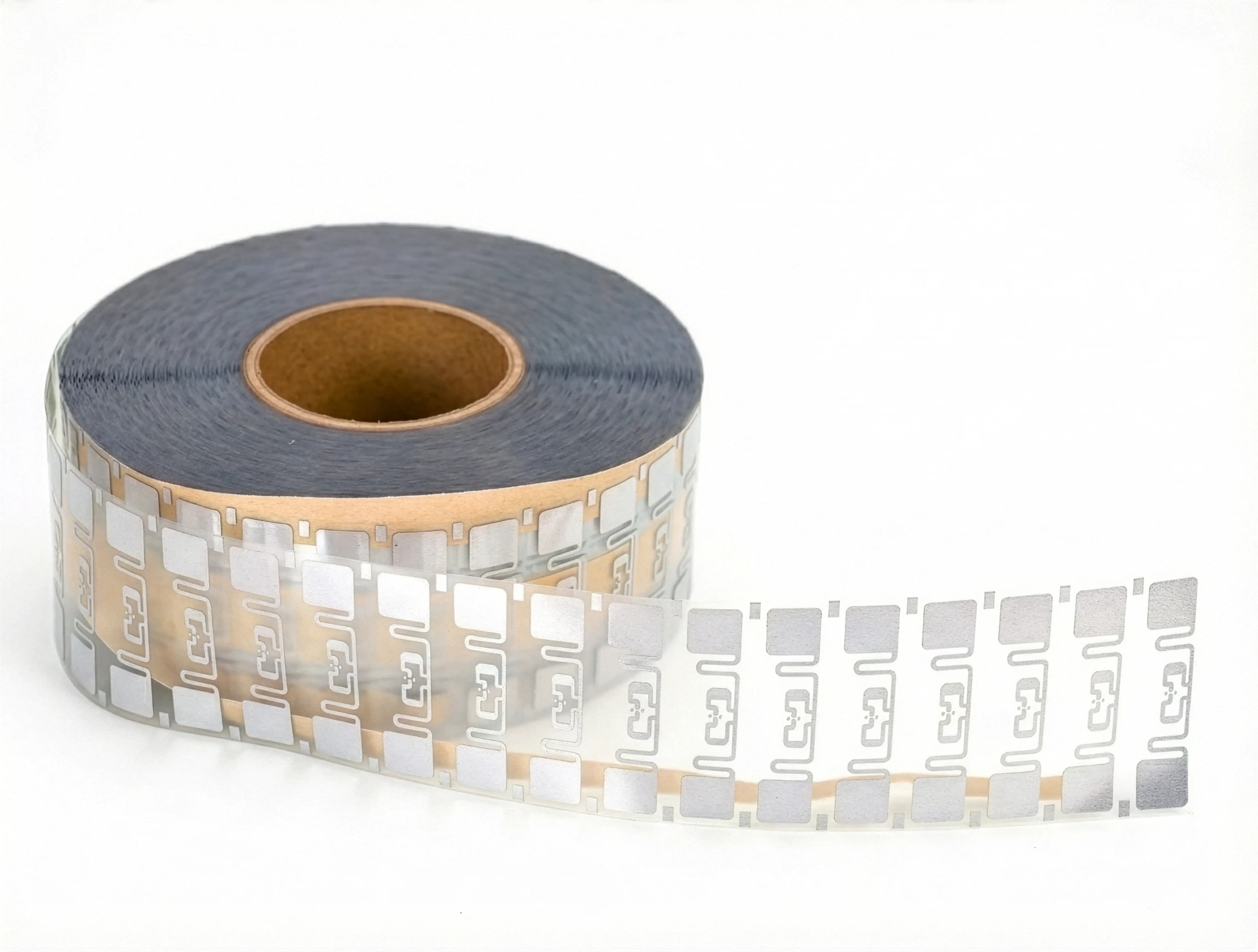
RFID Sourcing Strategy 2025: Optimizing Costs Without Sacrificing Performance
RFID technology is no longer an add-on option. It is the standard infrastructure for modern supply chains. For procurement directors and operations managers, the current challenge has changed. The goal is not just to find RFID tags. The goal is to find high-performance UHF tags at the lowest unit cost to ensure profitability for tagging each product.
Searching for the lowest price often leads to quality risks. To find the best value, you need to change your sourcing strategy. This guide will analyze in detail how to source RFID inlays and labels effectively, why the global market is shifting production to Vietnam, and how manufacturers like Nextwaves Industries are setting new price benchmarks.
The Math in RFID Pricing: Where Does Your Money Go?
To negotiate a better price, you must understand the product's cost structure. A standard UHF RFID tag typically costs between 1,200 VND and 3,500 VND when purchased through traditional distributors. However, the "ex-factory" price is much lower.
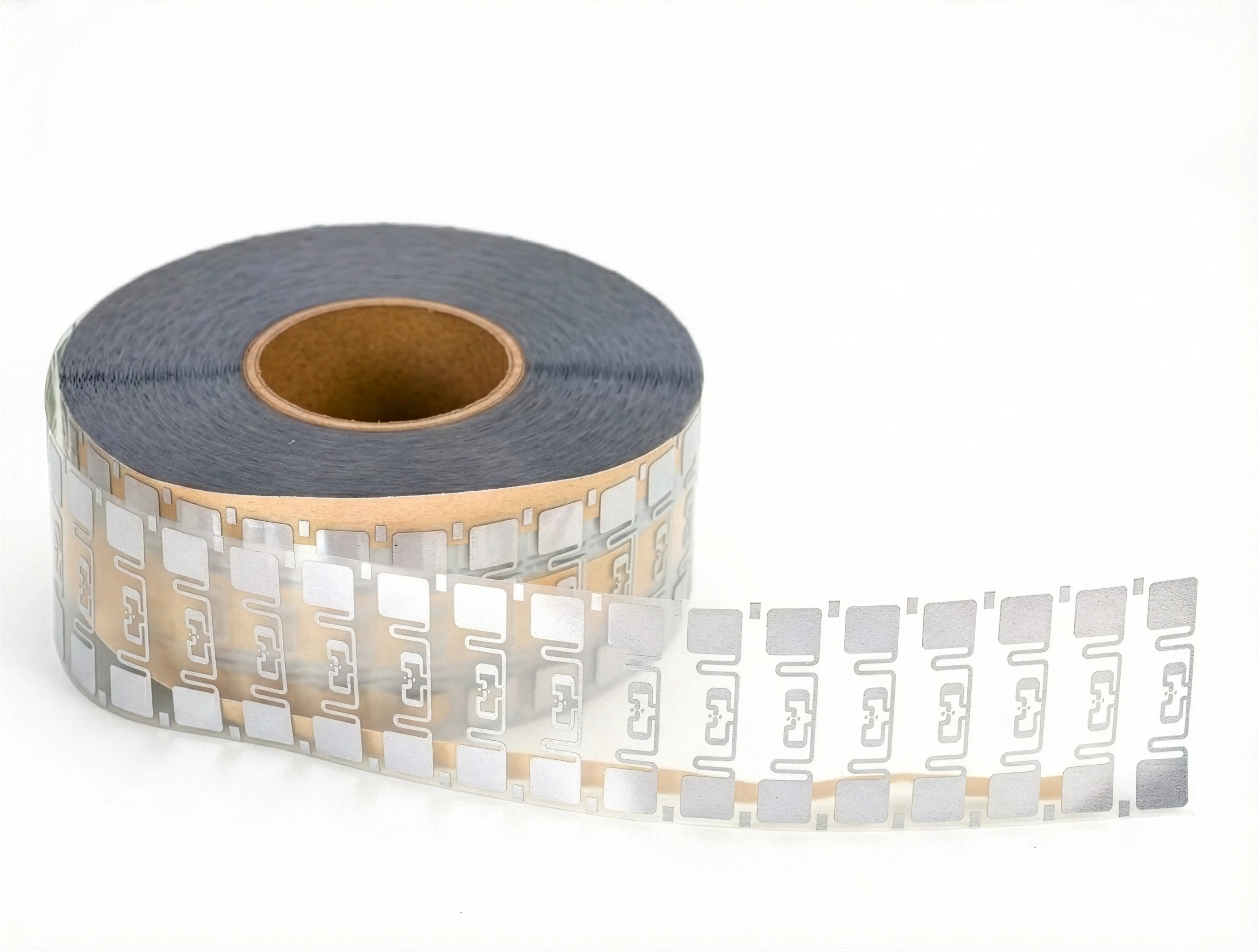
Here is a breakdown of hardware costs:
- Chip (IC): The integrated circuit accounts for 40% to 50% of the total cost. Major chip series such as Impinj M700 series or NXP UCODE are dominating this market.
- Antenna & Substrate: This is the aluminum or copper etched onto the PET plastic or paper layer. The efficiency of the production line determines this cost.
- Yield Rate: This is the most dangerous hidden cost. If the factory produces tags with a 95% yield rate, you are paying for 5% of the waste. Leading factories always operate at a 99.9% yield rate.
If you buy from a foreign distributor, you also have to pay for shipping, warehousing, and commercial profit margins. The only way to eliminate these costs is to go directly to the source of production.
The Wave of Production Shifting to Vietnam
In the past decade, China was the default hub for RFID manufacturing. That is changing rapidly. Vietnam has emerged as a leading destination for high-tech IoT manufacturing.
This shift is driven by three specific factors:
- Lower Operating Costs: Labor and factory costs in Vietnam allow for lower price floors compared to East Asia without reducing technical capabilities.
- Trade Advantages: Vietnam holds favorable trade agreements with major Western economies, reducing import taxes and trade barriers.
- Technical Compliance: Vietnamese manufacturers have quickly adopted global standards such as RAIN RFID, ISO certification, and sustainable regulations such as ROHS and REACH.
Spotlight: Nextwaves Industries and the 500 VND Inlay Price
The most competitive price on the market today comes from Nextwaves Industries. As a manufacturer based in Vietnam and a member of the global RAIN Alliance, Nextwaves has broken the traditional price structure by vertically integrating.
Most suppliers are just converting subcontractors. They buy inlays from elsewhere and apply the paper face. Nextwaves manufactures solutions from the ground up.
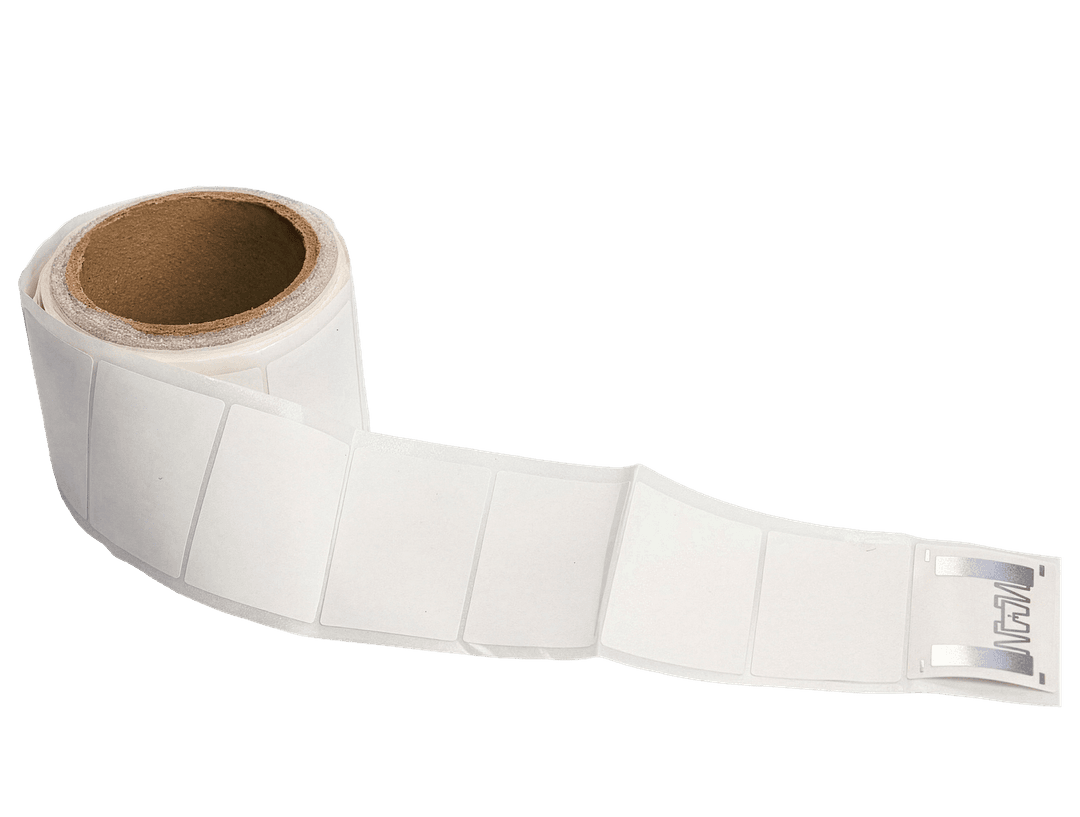
By controlling antenna design and chip attachment processes, Nextwaves Industries publicly offers UHF RFID Inlay prices starting from just 500 VND and finished paper labels starting from just 850 VND.
Why this matters for your budget:
- Direct Savings: You completely bypass the middleman. For an order of 5 million labels, the difference between paying 1,200 VND and 850 VND is billions of VND in net profit.
- Custom Engineering: Because Nextwaves is the manufacturer, they can fine-tune the antenna for your specific environment (such as jeans, liquids, or cosmetics) without being delayed by a third party.
Avoid "Hidden Cost" Traps
A low list price becomes meaningless if the tags fail in practice. When sourcing from Vietnam or anywhere else, you must carefully check the following three technical factors to ensure you are not buying "cheap" tags that will cost you more later.
1. Poor Quality Adhesive
Standard adhesive works well in the office. But it often fails in hot shipping containers or cold storage. Make sure your supplier uses industrial-grade adhesives (such as Avery Dennison or equivalent) suitable for your temperature range. Nextwaves offers custom adhesive layers based on the actual deployment environment.
2. Encoding Bottleneck
Do you need blank tags or tags pre-encoded with SGTIN-96 data? Buying blank tags is cheaper initially (500 VND) but requires you to purchase printers and pay labor costs for encoding. Often, paying a slightly higher fee for pre-encoded tags from the factory is cheaper than doing it yourself.
3. Incompatible Specifications
Make sure the core size (usually 3 inches or 76mm) and "unwind direction" match your label applicator. A good price for a roll of labels that doesn't fit your machinery is a wasted investment.
Action Plan: Efficient Purchasing
If you are ready to optimize RFID costs, follow this sourcing process:
- Quantities under 10,000 labels: Buy from retail distributors. Shipping costs from the factory will outweigh the savings from the unit price.
- Quantities of 50,000 to 100,000 labels: Look for regional dealers with wholesale pricing policies.
- Quantities over 100,000 labels: Go directly to the manufacturer. Contact Nextwaves Industries directly. Request a sample kit to verify the read range compared to your current tags. Negotiate based on total annual production, not just a single order.
Conclusion: You don't have to choose between quality and cost. Manufacturing capabilities in Vietnam, led by companies like Nextwaves, have proven that high-performance, RAIN-compliant RFID tags can be produced at a fraction of the cost they used to be. It's time to re-examine your current supplier and see if you're paying for the brand or paying for actual performance.
Was this article helpful?
Related Articles
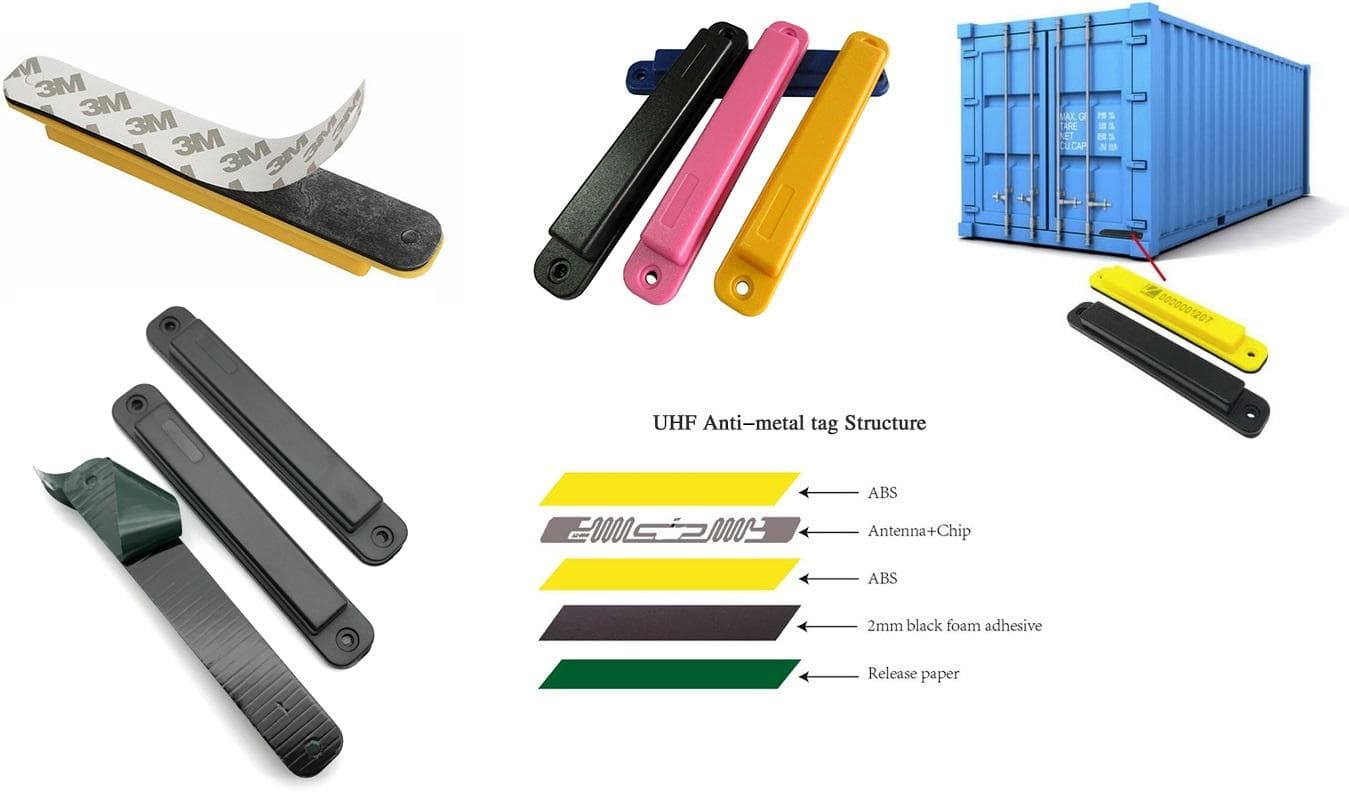
Maximizing Asset Visibility: The Ultimate Guide to Anti-Metal UHF RFID Tags
Mar 2, 2026
Mastering UHF RFID in Odoo: Hardware, Workflows, and Best Practices
Mar 2, 2026
Chainway C72 Comprehensive Review: Specs, Pricing, and Top Alternatives
Mar 2, 2026
The Ultimate UWB Module Comparison: Prices, Specs, and Use Cases
Feb 23, 2026