Stop med at miste salg på grund af phantom inventory. Ved præcis, hvad du har, hvor det er, hver time af hver dag.
Gennem mere end halvtreds år har stregkoden Universal Product Code (UPC) været rygraden i detailhandlen. Den standardiserede handel, gjorde det muligt at scanne ved kassen og muliggjorde den første generation af computerbaseret lagerstyring. Men stregkoden har en fatal svaghed: den er blind. Den kræver direkte sigtelinje, den kræver manuel indgriben, og den kan ikke skelne mellem to identiske varer. Denne begrænsning har ført til en global krise kendt som “Inventory Distortion” – et problem i trillion-dollar-klassen, hvor detailhandlere ganske enkelt ikke ved, hvad de har.
Synlighed i detailhandelslagerEPC Gen2Start et pilotprojekt
100%Opnået lagerpræcision
SelvbetjeningAutomatiske beholdere uden friktion
UdelukketUdsolgte varer på tværs af butikker
Synlighed i detailhandelslagerVores tilgangHvad du fårCasestudie
Problemet
Problemet med lagerforvrængning
Gennem mere end halvtreds år har stregkoden Universal Product Code (UPC) været rygraden i detailhandlen. Den standardiserede handel, gjorde det muligt at scanne ved kassen og muliggjorde den første generation af computerbaseret lagerstyring. Men stregkoden har en fatal svaghed: den er blind. Den kræver direkte sigtelinje, den kræver manuel indgriben, og den kan ikke skelne mellem to identiske varer. Denne begrænsning har ført til en global krise kendt som “Inventory Distortion” – et problem i trillion-dollar-klassen, hvor detailhandlere ganske enkelt ikke ved, hvad de har.
I den moderne omnichannel-æra er denne blinde plet eksistentiel. Når en kunde bestiller en vare online til afhentning i butik (BOPIS), tjekker systemet databasen over lagerbeholdning. Databasen siger "Quantity: 1". Men er den der? Ligger den i baglokalet? I et prøverum? Er den blevet stjålet? Eller blev den solgt i går, og databasen blev ikke opdateret?
Resultatet er en skrøbelig forsyningskæde, bufferet med "sikkerhedslager" – overflødig beholdning købt for at dække over unøjagtigheder i dataene. Detailhandlere drukner i lager, de ikke kan sælge, samtidig med at de mister salg på varer, de strengt taget "har", men ikke kan finde. Den manuelle cyklustælling – den traditionelle løsning – er for langsom, for dyr og for fejlbehæftet til at løse problemet. Branchen har brug for et paradigmeskifte fra "scanning" til "sensing".
Vigtigste udfordringer 01
Fantominventar
Datadrift involverer den gradvise afkobling af fysisk virkelighed fra digitale optegnelser. 'Phantom Inventory' opstår, når systemer viser lager, der ikke eksisterer, hvilket fører til, at 22 % af BOPIS-ordrer annulleres og ødelægger kundeloyaliteten.
Vigtigste udfordringer 02
Arbejdsudnyttelse
I en butik uden RFID bruger personalet 20-30 % af deres tid på at søge efter produkter eller udføre manuelle optællinger. Dette er højtlønnet arbejde, der afledes fra det primære mål: kundeservice og salg.
Vigtigste udfordringer 03
Svinn & Grå markeder
Uden serialiseret identitet (EPC) er en stjålet vare bare 'minus én'. Detailhandlere kan ikke spore organiserede detailhandelskriminalitetsmønstre (ORC) eller identificere, om returnerede varer faktisk er forfalskninger købt fra grå markeder.
Vores tilgang
Den digitale tvillingearkitektur
Nextwaves implementerer en "Source-to-Store"-arkitektur baseret på EPC Gen2 V2-standarden. Den starter ikke i butikken, men ved produktionens start. Ved at indlejre en passiv UHF RFID-inlay i care label eller prisskiltet i fabrikken giver vi hver unik vare en digital sjæl – et serielt Electronic Product Code (EPC).
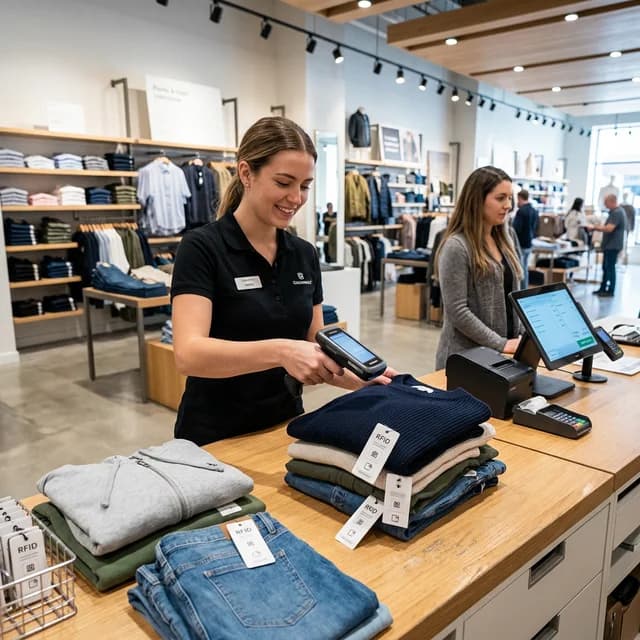
Når disse varer bevæger sig gennem forsyningskæden, passerer de "Read Points" – tunnel-læsere i distributionscentre, overhead-arrays i klargøringsområder og til sidst håndholdte aflæsninger i detailbutikken. I modsætning til stregkoder bruger disse scannere radiobølger til at aktivere tags, så de kan læse hundreder af varer i sekundet uden visuel kontakt.
Det skaber en realtids "Digital Twin" af lageret. Når en forsendelse ankommer til butikken, tælles den ikke manuelt; den valideres øjeblikkeligt. Når en kunde prøver en skjorte, registrerer et smart prøverum den. Når en vare forlader butikken, opdaterer EAS-gitrene lageret øjeblikkeligt. Vi går fra "Lagerestimering" til "Lagersikkerhed".
Hvad du får
Strategisk ROI & Impact
01
99,9 % nøjagtighed
Opnå absolut tillid til lagerbeholdningen. Muliggør 'Available to Promise' (ATP) for e-handel med nul bufferlager.
02
Konverteringsløft
Pilotdata viser en konstant stigning i salget på 5-15 %. Hvis det er på gulvet, sælger det. Hvis det er på lageret, gør det ikke.
03
Tabsinformation
Bare bip ikke ved døren. Ved præcis HVAD der blev stjålet, HVORNÅR, og genopfyld det straks.
04
Smarte oplevelser
Aktivér 'Magic Mirrors', der anbefaler matchende varer baseret på, hvad kunden medbragte i prøverummet.
Casestudie
Case study: Uniqlo's RFID-transformation
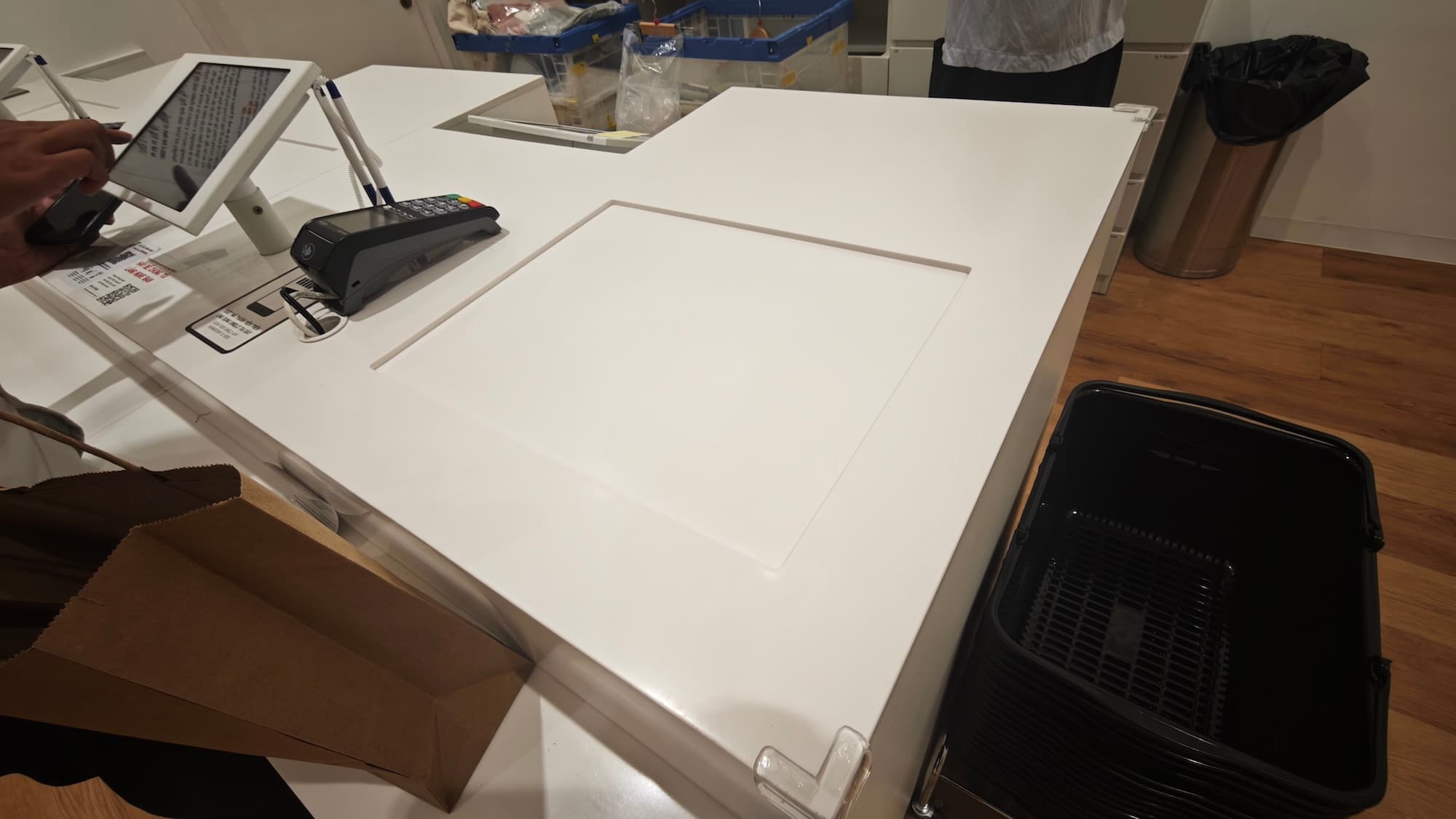
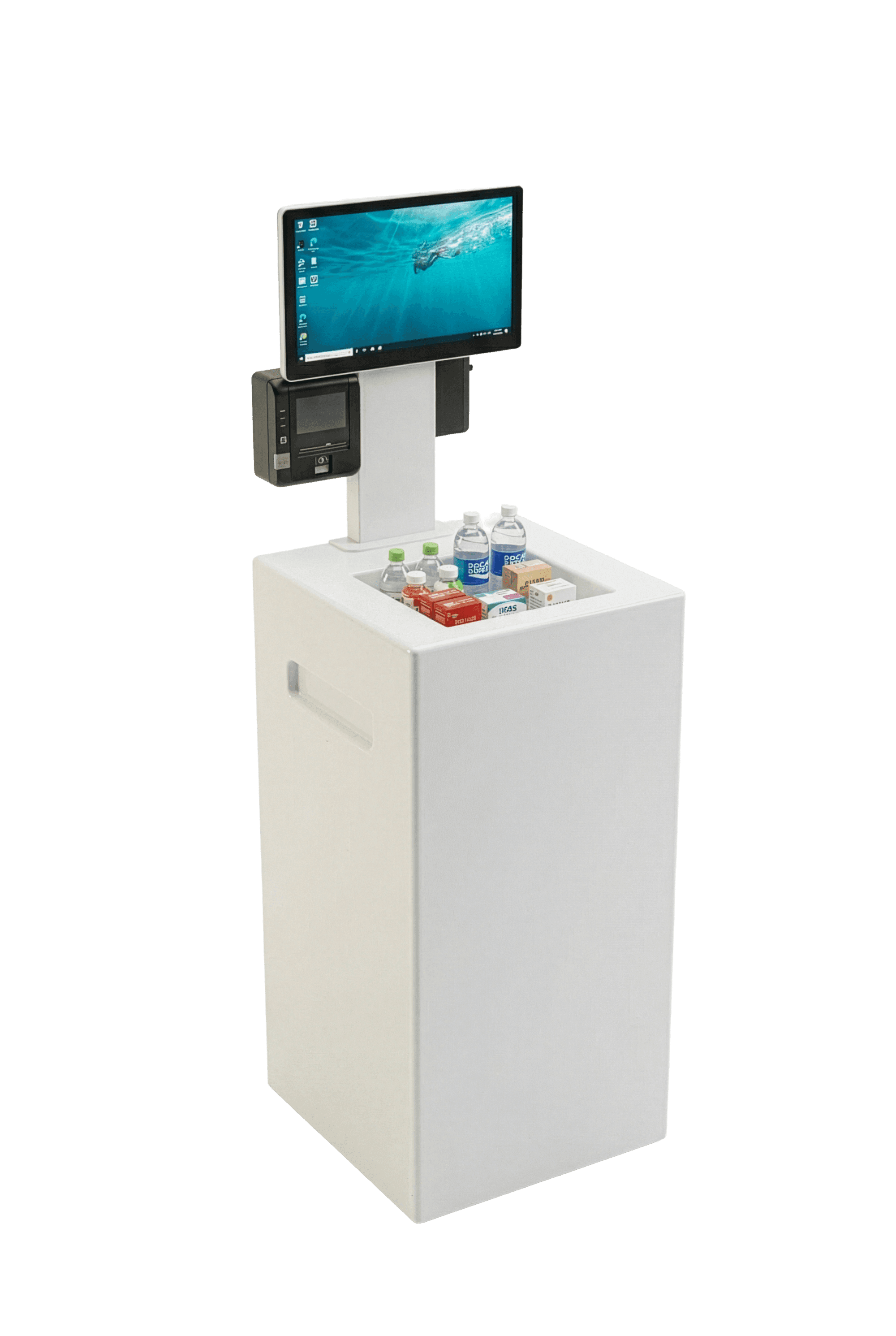
Ved at integrere RFID-tags i hvert enkelt produkt opnåede Uniqlo næsten 100% lagerpræcision. Men den virkelige magi sker ved kassen: Kunderne lægger blot deres varer i en automatiseret beholder, der øjeblikkeligt læser alle RFID-tags samtidigt. Denne friktionsfri oplevelse reducerede drastisk ventetider, fjernede køer ved kassen og gjorde det muligt for butikspersonale at fokusere på kundeservice i stedet for at scanne stregkoder. Den resulterende dataintelligens betyder også, at de ved præcis, hvornår en bestemt størrelse eller farve skal genopfyldes, hvilket stort set eliminerer udsolgte varer og øger den samlede omsætning.
Hver vare får en unik digital identitet ved produktionens start. En passiv UHF RFID-tag, der koster mindre end et papirskilt, men bærer en seriel kode, som aldrig kan kopieres. Når en håndholdt læser scanner hen over en reol med 500 skjorter, bliver alle 500 talt på under 3 sekunder. Ingen aflæsning, ingen scanning én ad gangen.
Systemet bruger standard GS1 EPC Gen2 V2-tags, som inkluderer anti-cloning-autentificering. Det er vigtigt for værdifulde og luksusvarer, hvor falsknerier er en reel risiko. Vores edge-software filtrerer støj fra (tags læst fra forkert zone, delvise aflæsninger fra metalbeslag), så den data, der når frem til dit dashboard, er ren og handlingsklar.
Alt kobles tilbage til dit eksisterende WMS eller ERP i realtid. Tænk på det som at give dit lager et hjerteslag. Systemet ved altid, hvad der er flyttet, hvor det er, og hvornår det ankom.
Næste skridt
Hvad kommer efter præcision
Når lageret er præcist, er den næste omstilling at fjerne friktion helt. Vi tester "Grab-and-Go"-butiksformater, hvor kunderne kan gå ud uden at stoppe ved en kasse. Systemet læser deres kurv ved udgangen og opkræver automatisk på deres konto.
Den samme infrastruktur understøtter intelligente prøverum, der viser anbefalinger af outfits, dynamiske genopfyldningsalarmer der udløses, før en hylde bliver tom, og tabssikring, der fortæller dig præcist, hvad der blev taget, og hvornår. Præcision var fundamentet. Den reelle værdi er det, du bygger ovenpå.
Startpakker
RFID-startpakker til virkelige operationer
Startende fra$999
Detailhandel startpakke
Fremskynd betaling og automatiser lageroptælling for modebutikker, kosmetikbutikker og detailkæder.