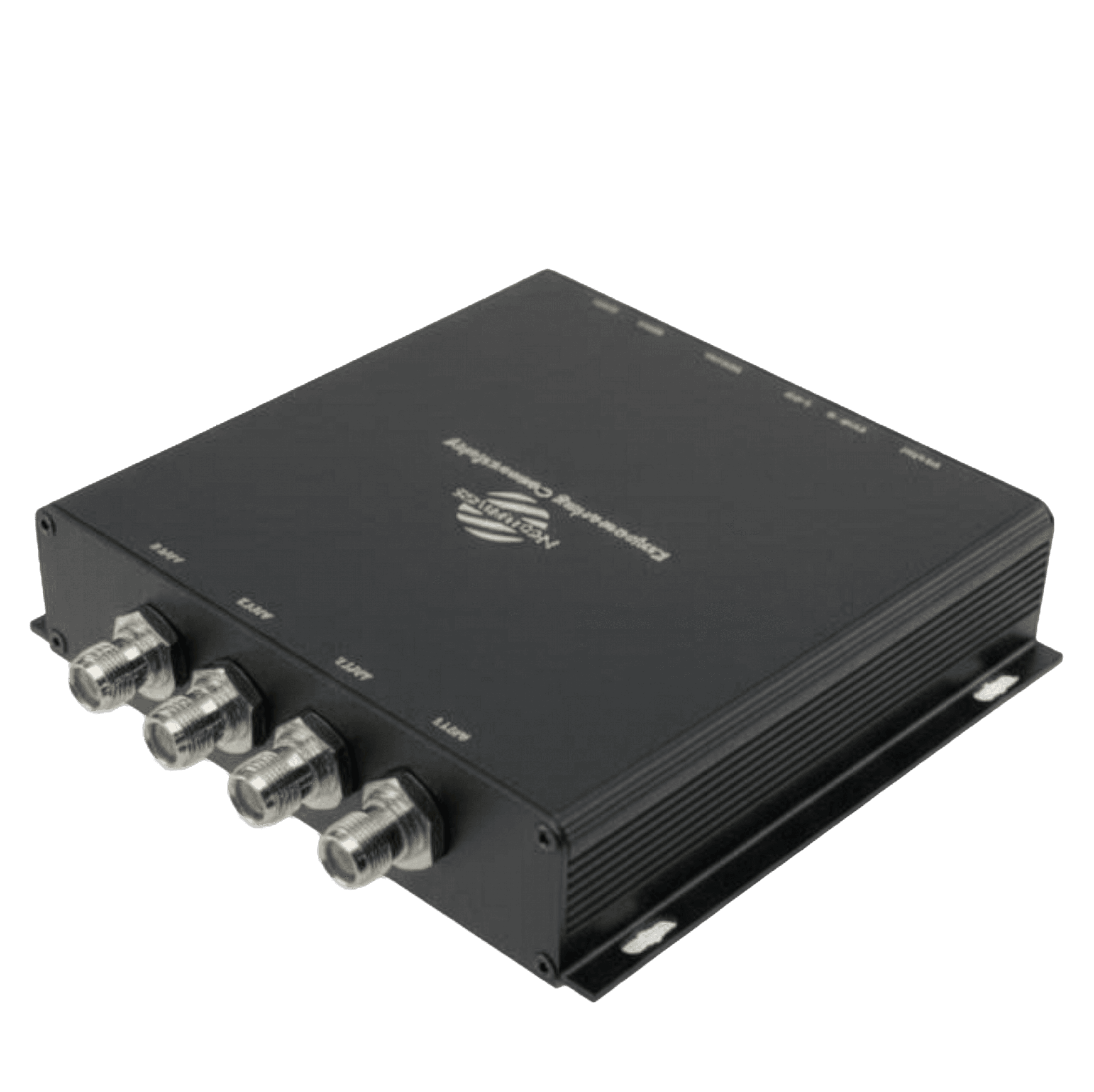
The MC3330xR is an integrated Android RFID terminal by Zebra operating on 902-928 MHz (US) / 865-868 MHz (EU). Compare its $2000 price point and specs.
Tekniske specifikationer
Hardwareoversigt
Zebra MC3330xR er en RFID-enhed i industriel kvalitet. Den opererer inden for 902-928 MHz (US) / 865-868 MHz (EU)-området og understøtter EPC Gen2 V2, ISO-18000-63-standarden, hvilket gør den udbredt i virksomheders logistikanvendelser.
Med en IP-klassificering på IP54 tilbyder den beskyttelse mod specifikke miljøforhold, der er typiske i lagre eller detailbutikkers baglokaler. Læseren bruger Li-Ion 3.6V 7000mAh til kontinuerlig ydeevne, mens dens angivne maksimale læsehastighed topper ved ~900 tags/sec.
Forbindelse og netværksintegration
I moderne implementeringer er netværksintegration den største hindring. Denne model tilbyder Wi-Fi, BT 5.0 muligheder for at overføre data tilbage til centrale systemer.
En stor flaskehals med ældre Zebra hardware er dog den store afhængighed af proprietære SDK'er (som LLRP) eller dyre tredjeparts IoT-middleware til at behandle rå tagdata til meningsfuld forretningsintelligens.
Nextwaves-alternativet
Hvis dit ingeniørteam evaluerer Zebra MC3330xR, præsenterer Nextwaves NR155 en langt overlegen cloud-native arkitektur. Ældre systemer driver i sagens natur høje kapitaludgifter gennem leverandørlåsning og proprietære softwareøkosystemer.
Nextwaves eliminerer fuldstændigt denne barriere ved at levere en standard MQTT REST API direkte på enheden. Dine softwareudviklere kan integrere taglæsning direkte i din brugerdefinerede ERP- eller WMS-backend på dage i stedet for måneder, hvilket fuldstændigt omgår tilbagevendende licensgebyrer for middleware.
Ofte stillede spørgsmål
Hvad er MC3330xR?
The Zebra MC3330xR is a mobile handheld Android RFID terminal. It supports the EPC Gen2 V2, ISO-18000-63 standard over the 902-928 MHz (US) / 865-868 MHz (EU) bands, enabling roaming inventory sweeps and ad-hoc audits across standard retail floors.
Hvor meget koster dette setup initialt?
Units are typically priced around $2000. Depending on your shift requirements, you must also budget for charging cradles, spare Li-Ion 3.6V 7000mAh batteries, and enterprise Mobile Device Management (MDM) software.
Hvorfor skal jeg vælge Nextwaves i stedet?
Nextwaves provides embedded cloud integration directly on the device. By supporting open REST protocols natively, mobile operators can push tag data straight into backend databases without writing custom Android bridging apps.
Er hardwaren holdbar nok til lagerbygninger?
The durable chassis weighs 680 g (with handstrap) and measures 164 x 75 x 211 mm. With an IP54 rating, it is built to survive warehouse drops, dust, and varying environmental conditions across the facility.
Understøtter den flere netværkstyper?
Network access relies on its integrated Wi-Fi, BT 5.0 radios. Enterprise WPA2/WPA3 security profiles can be configured via Android to protect internal payload data during wireless transmission.
Kan mit team installere dette internt?
Hardware deployment requires staging the Android OS. Software engineering teams must properly provision the internal DataWedge profiles and specify correct EPC memory bank read masks for your data collection workflow.
Hvordan fungerer fjernadministrationen?
The mobile interrogator supports sweeping speeds up to ~900 tags/sec. Centralized device tracking, battery health monitoring, and firmware deployments are generally managed via third-party solutions like SOTI MobiControl.
Har jeg brug for proprietær software for at køre det?
Legacy deployments require custom Android Java/Kotlin applications using the Zebra EMDK to capture reads from the RF antennas before transacting them via HTTP to your cloud CRM.
Hvilken garanti følger med læseren?
The unit includes a standard one-year warranty covering manufacturer defects. Accidental damage protection (Zebra OneCare) is available and highly recommended for portable scanning hardware.
Sælges antennerne separat?
The device features an integrated circular polarized antenna tuned for the 902-928 MHz (US) / 865-868 MHz (EU) bands. The operator's physical sweep speed and height directly impact total read reliability.