Vratite vrijeme medicinskim sestrama. Lokacija svakog sredstva, svakog lijeka, svakog momenta u realnom vremenu.
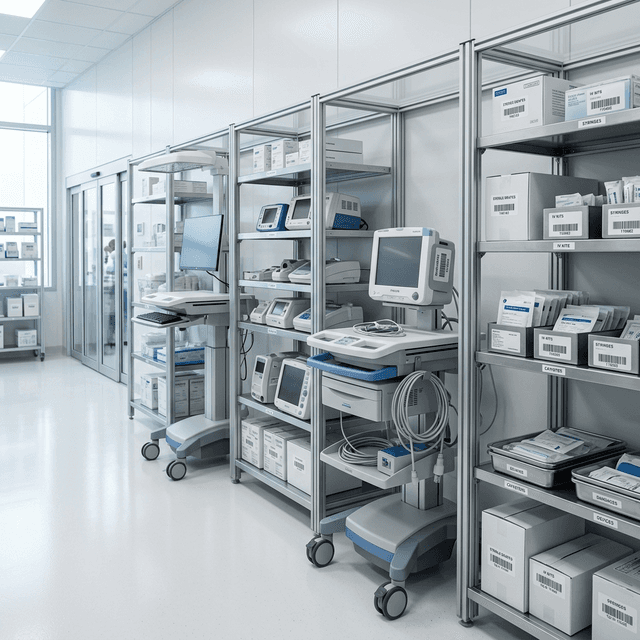
Bolnice su složena, haotična okruženja u kojima odluke o životu i smrti zavise od logistike. Ipak, prosječna medicinska sestra provodi 1 sat po smjeni – 12% svog vremena – tražeći opremu. Traže IV pumpe, invalidska kolica, telemetrijske uređaje i vakuumske sisteme za rane. Ovo je “Hunt and Gather” u zdravstvu.
Bolnice su složena, haotična okruženja u kojima odluke o životu i smrti zavise od logistike. Ipak, prosječna medicinska sestra provodi 1 sat po smjeni – 12% svog vremena – tražeći opremu. Traže IV pumpe, invalidska kolica, telemetrijske uređaje i vakuumske sisteme za rane. Ovo je “Hunt and Gather” u zdravstvu.
Osim sredstava, upravljanje lijekovima nosi brojne rizike. Ručno praćenje kolica za hitne slučajeve i ladica s lijekovima dovodi do toga da istekli lijekovi ostanu u opticaju. Jedna previdna situacija može dovesti do Sentinel Event-a.
Dodatno, protok pacijenata je nejasan. Uska grla u hitnoj službi ili operacionoj sali smanjuju propusnost i zadovoljstvo pacijenata. Bez podataka, administratori ne mogu optimizovati osoblje niti rotaciju kreveta.
Ključni problemi 01
Akumulacija i gubitak sredstava
Zato što osoblje ne može pronaći opremu, akumuliraju je u ormarićima i plafonskim pločicama. Bolnice završavaju kupujući 130% svog potrebnog voznog parka, ali iskorištenje ostaje ispod 40%. Milioni dolara stoje neaktivni.
Ključni problemi 02
Sigurnost lijekova
Ručno popunjavanje kola za spašavanje podložno je greškama. Propuštena istekla bočica epinefrina je odgovornost. Krađa lijekova također je rastuća briga koju ručni evidencije ne mogu spriječiti.
Ključni problemi 03
Kontrola infekcija
Poznavanje koja je oprema bila u interakciji sa infekcioznim pacijentom je kritično. Bez digitalnog praćenja kontakata, bolnice moraju masovno stavljati sredstva u karantin, narušavajući operacije.
Naš pristup
Aktivni i pasivni RTLS
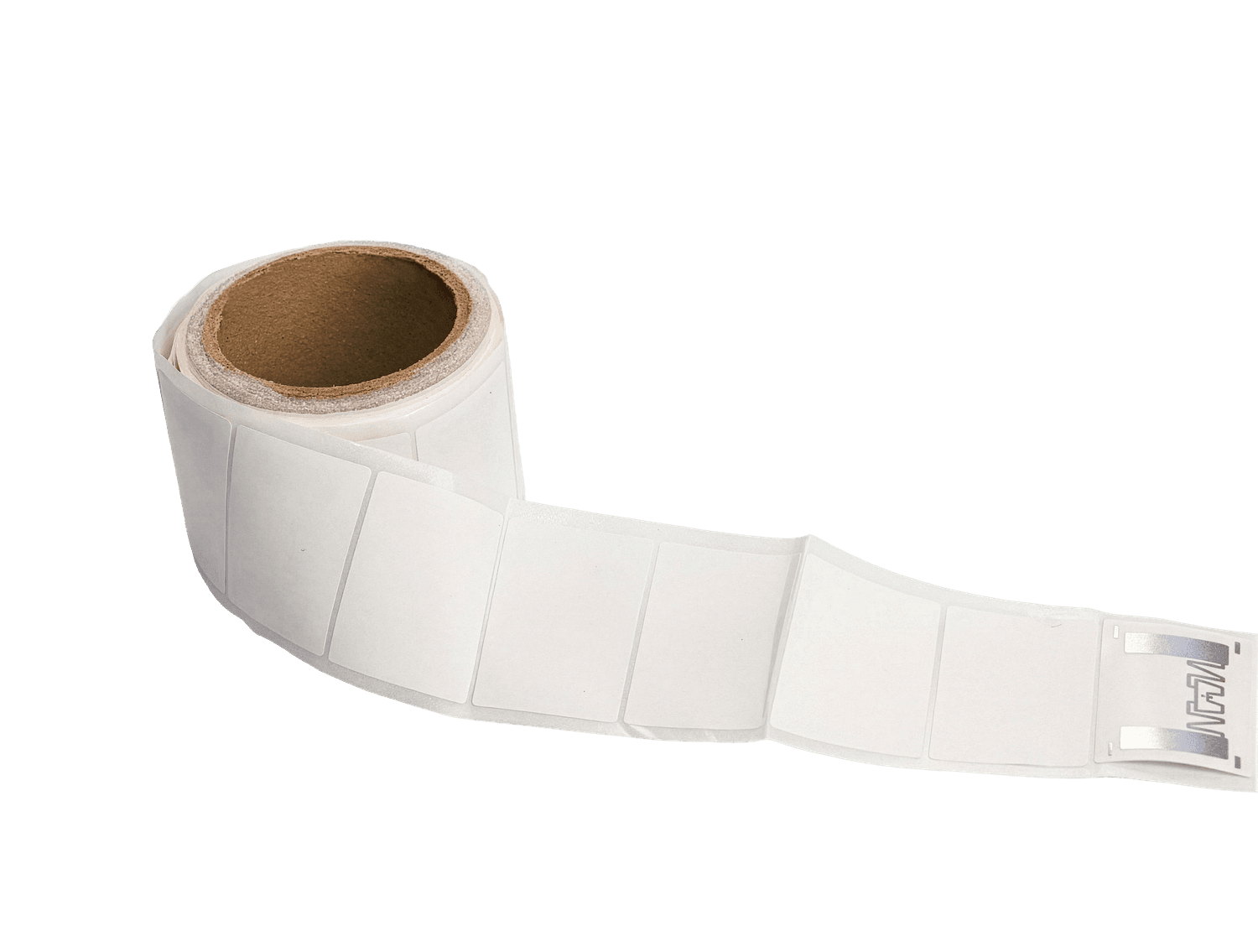
Nextwaves implementira hibridni Real-Time Location System (RTLS). Koristimo pasivni UHF RFID za potrošni materijal velikog obima i jeftinu imovinu (posteljina, fajlovi, lijekovi), a za aktivno praćenje (BLE/Wi‑Fi) koristimo za opremu visoke vrijednosti koja se često premješta.
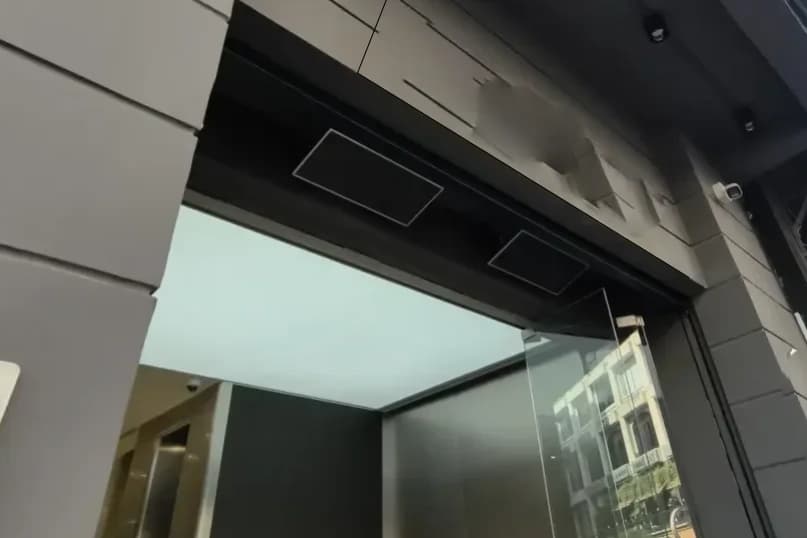
Naša “Smart Cabinets” automatski prate svaku bočicu uzetog lijeka, ažurirajući evidenciju pacijenta i inventar odmah. Naše niza antenskih jedinica na stropu prate kretanje kreveta i pumpi u cijelom objektu i vizualizuju ih na digitalnoj mapi.
Ovaj sistem kreira “Chain of Custody”. Tačno znamo ko je uzeo lijek, za kojeg pacijenta i kada. Tačno znamo gdje se nalazi infuziona pumpa i da li je očišćena od posljednje upotrebe.
Smanjite vozni park za 20% dok povećavate dostupnost. Prestanite kupovati pumpe koje vam ne trebaju.
03
Zadovoljstvo osoblja
Vratite vrijeme medicinskim sestrama. Neka se fokusiraju na njegu, ne na logistiku.
04
Regulatorna usklađenost
Automatizirani evidencije za TJC. Dokažite sterilnost i usklađenost održavanja instantno.
Studije slučaja
Studija slučaja: Regionalni medicinski centar
Centar za traumu sa 500 kreveta borio se sa propusnošću hitne pomoći i hroničnim nedostatkom IV pumpi. Medicinske sestre su prijavljivale kašnjenja u njezi zbog nedostupne opreme.
Zdravstveni RFID ima viši standard od maloprodaje. Nijedno ime pacijenta, dijagnoza niti bilo koja lično prepoznatljiva informacija (PII) se ikada zapisuje na oznaku. Oznake nose samo anonimni token. Broj koji ništa ne znači bez pristupa sigurnom back-endu koji ga povezuje s evidencijom pacijenta.
Taj sloj baze podataka je šifrovan, kontrolisan pristupom i evidentiran (auditovan). Medicinsko osoblje vidi samo podatke koje mu njegova uloga omogućava. Administratori vide izvještaje o iskorištenosti. Niko ne vidi podatke o pacijentima kroz sam RFID sloj. Potpuno smo HIPAA-kompatibilni po dizajnu, a ne kao zaobilazno rješenje pravilima.
Što dalje
Od praćenja do predviđanja
Podaci o lokaciji su tek početak. Kada imate kontinuirani tok informacija o tome gdje se nalazi svaka imovina i svaki pacijent, javljaju se obrasci. Radimo na modelima koji mogu predvidjeti zagušenja opreme 4–6 sati prije nego što se dogode, dajući glavnim sestrama vremena da preraspodijele resurse prije nego što briga bude pogođena.
U planu: krevete koji automatski prijavljuju promjene tjelesne težine i pritiska, pametne ormariće koji ponovo naručuju lijekove prije nego što ponestanu i planiranje operacionih sala koje se prilagođava u realnom vremenu na osnovu stvarne lokacije opreme, a ne pretpostavki.
Starter Kit-ovi
RFID starter kit-ovi za stvarne operacije
Počevši od$1.750
Sigurnosni starter kit
Zaštitite prijenosna računala i IT opremu pomoću RFID sigurnosnih vrata, tagova otpornih na metal i automatiziranih revizija.