अपनी कामकाज की जरूरतों को समझें
जब आप कोई नया बिजनेस शुरू करते हैं, तो सफलता के लिए अपनी कामकाज की जरूरतों को समझना बहुत जरूरी है। इसके लिए आपको उन संसाधनों, प्रक्रियाओं और तकनीक का बारीकी से विश्लेषण करना होगा जिनकी जरूरत बिजनेस को सुचारू रूप से चलाने के लिए होती है। सबसे पहले अपनी टीम की क्षमता को परखें - यह तय करें कि आपके लक्ष्यों को पूरा करने के लिए किस तरह के हुनर और ट्रेनिंग की जरूरत है। इसके बाद, उन तकनीकों और टूल्स पर ध्यान दें जो काम को आसान बना सकें, जैसे प्रोजेक्ट मैनेजमेंट सॉफ्टवेयर से लेकर फैसले लेने में मदद करने वाले एनालिटिक्स प्लेटफॉर्म तक। अपनी सप्लाई चेन को न भूलें, यह सुनिश्चित करें कि आपके सप्लायर भरोसेमंद हों और सामान पहुंचाने का तरीका असरदार हो। नियमों का पालन करना भी बहुत जरूरी है; किसी भी परेशानी से बचने के लिए अपने उद्योग के मानकों और स्थानीय कानूनों को समझें। कामकाज का सही आकलन करने से आप अपनी कमियों को पहचान पाएंगे, संसाधनों का बेहतर इस्तेमाल कर पाएंगे और उत्पादकता बढ़ा पाएंगे। यह तरीका जोखिमों को कम करता है और बिजनेस को बाजार के बदलावों के अनुसार ढलने में मदद करता है। आखिर में, इन विश्लेषणों के आधार पर एक साफ ऑपरेशनल प्लान बनाने से आपका संगठन कॉम्पिटिशन में आगे बढ़ेगा और लंबे समय तक टिका रहेगा।
RFID रीडर के प्रकार: फिक्स्ड बनाम मोबाइल
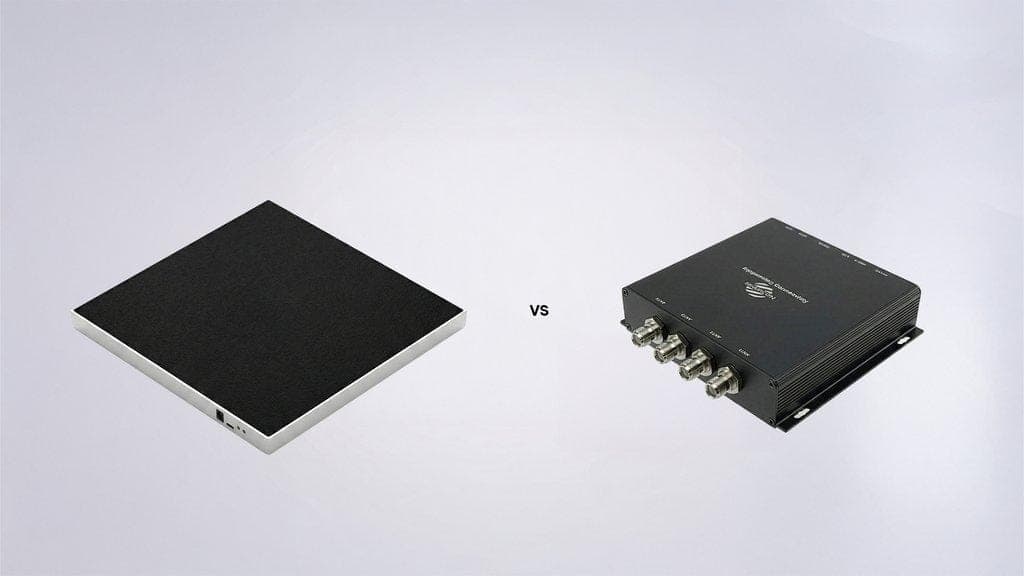
RFID रीडर मुख्य रूप से दो तरह के होते हैं: फिक्स्ड और मोबाइल, और दोनों अलग-अलग कामों के लिए बने हैं। फिक्स्ड रीडर किसी खास जगह पर लगाए जाते हैं जैसे गोदाम के दरवाजे या कैश काउंटर पर, जहाँ वे अपनी रेंज में आने वाले टैग लगे सामानों पर लगातार नजर रखते हैं। ये उन जगहों के लिए बेहतरीन हैं जहाँ बहुत ज्यादा सामान आता-जाता है, क्योंकि ये इन्वेंट्री मैनेजमेंट और एसेट ट्रैकिंग में हाई स्पीड और सटीकता देते हैं। इसके उलट, मोबाइल रीडर हाथ में पकड़े जाने वाले डिवाइस होते हैं, जो दूर-दराज की जगहों पर सामान की गिनती या ट्रैकिंग के लिए लचीलापन देते हैं। इनका हल्का डिजाइन कहीं भी RFID टैग स्कैन करना आसान बनाता है, जो फील्ड वर्क और छोटी दुकानों के लिए बहुत काम का है। फिक्स्ड रीडर को लगातार बिजली और नेटवर्क कनेक्शन की जरूरत होती है, जबकि मोबाइल वाले बैटरी और वायरलेस तकनीक पर चलते हैं। फिक्स्ड और मोबाइल के बीच चुनाव करते समय अपने काम के दायरे, मूवमेंट की जरूरत और माहौल पर ध्यान दें। हर प्रकार के फायदों को समझकर बिजनेस अपने RFID सिस्टम को सबसे बेहतर तरीके से इस्तेमाल कर सकते हैं।
फ्रीक्वेंसी पर विचार: LF, HF और UHF
फ्रीक्वेंसी के बारे में जानते समय, आपको टेलीकॉम, ब्रॉडकास्टिंग और नेविगेशन जैसे कामों के लिए Low Frequency (LF), High Frequency (HF) और Ultra High Frequency (UHF) के बीच का अंतर समझना होगा। 30 kHz से 300 kHz वाली LF फ्रीक्वेंसी लंबी दूरी की बातचीत के लिए अच्छी है क्योंकि यह बाधाओं के आसपास मुड़ सकती है और पृथ्वी के घुमाव के साथ चल सकती है। समुद्री और हवाई संकेतों के लिए LF बहुत असरदार है। 3 MHz से 30 MHz वाली HF शॉर्टवेव रेडियो और ग्लोबल कम्युनिकेशन में मदद करती है, जो आयनमंडल से टकराकर वापस आने वाली लहरों का इस्तेमाल करती है। यह शौकिया रेडियो और अंतरराष्ट्रीय प्रसारण के लिए उपयोगी है। 300 MHz से 3 GHz वाली UHF हाई बैंडविड्थ देती है, जिसका इस्तेमाल टीवी, मोबाइल फोन और वाई-फाई के लिए किया जाता है क्योंकि यह डेटा को बहुत तेजी से भेज सकती है। हालांकि, UHF की रेंज कम होती है और यह भौतिक बाधाओं से जल्दी रुक जाती है। इन फ्रीक्वेंसी रेंज को समझने से एक्सपर्ट्स सही कम्युनिकेशन तकनीक चुन पाते हैं, जिससे परफॉरमेंस बेहतर होती है और रुकावटें कम आती हैं।
रीडिंग की दूरी और परफॉरमेंस की खूबियां
इन्वेंट्री मैनेजमेंट और एसेट ट्रैकिंग को बेहतर बनाने के लिए RFID तकनीक की रीडिंग दूरी और परफॉरमेंस को समझना बहुत जरूरी है। रीडिंग की दूरी आमतौर पर कुछ सेंटीमीटर से लेकर कई मीटर तक हो सकती है, जो RFID सिस्टम की फ्रीक्वेंसी, टैग के प्रकार और आसपास के माहौल पर निर्भर करती है। LF सिस्टम की दूरी कम होती है लेकिन यह चीजों के आर-पार अच्छी तरह देख सकता है, जो जानवरों की ट्रैकिंग या एक्सेस कंट्रोल के लिए सही है। HF की रेंज 1 मीटर तक होती है, जो लाइब्रेरी मैनेजमेंट या टिकट के लिए ठीक है। UHF टैग 10 मीटर से भी आगे जा सकते हैं, जो बड़े लॉजिस्टिक्स और गोदामों के लिए परफेक्ट हैं। परफॉरमेंस में रीडिंग की स्पीड भी शामिल है; अगर सिस्टम सही से सेट है तो यह हर सेकंड सैकड़ों टैग पढ़ सकता है, जिससे काम की रफ्तार बढ़ती है। धातु और तरल पदार्थों से होने वाला इंटरफेरेंस परफॉरमेंस पर असर डाल सकता है, इसलिए सिस्टम लगाने से पहले माहौल की जांच जरूर करें। इन बातों का ध्यान रखने से आप सही RFID समाधान चुन पाएंगे जो काम को आसान और सटीक बनाएगा।
मौजूदा RFID टैग और सिस्टम के साथ तालमेल
जब आप नई RFID तकनीक अपनाते हैं, तो यह पक्का करें कि वह आपके पुराने टैग और सिस्टम के साथ मिलकर काम कर सके। आधुनिक RFID समाधान इस बात पर जोर देते हैं कि बिजनेस अपने पुराने ढांचे का इस्तेमाल कर सकें और उन्हें महंगे अपग्रेड न करने पड़ें। ज्यादातर RFID सिस्टम EPCglobal Gen2 जैसे स्टैंडर्ड प्रोटोकॉल का इस्तेमाल करते हैं, जिससे नए टैग पुराने रीडर के साथ आसानी से बात कर पाते हैं। यह तालमेल अलग-अलग फ्रीक्वेंसी - LF, HF और UHF - पर भी लागू होता है, जिससे कंपनियां अपनी जरूरत के हिसाब से टैग और रीडर को मिला-जुलाकर इस्तेमाल कर सकती हैं। कई RFID सप्लायर बैकवर्ड कम्पैटिबिलिटी भी देते हैं, ताकि बिजनेस नई तकनीक पर जाते समय भी पुराने टैग का इस्तेमाल जारी रख सकें। ऐसा करने से पुराना निवेश सुरक्षित रहता है और स्टॉक मैनेजमेंट व सप्लाई चेन की प्रक्रिया आसान हो जाती है। इसका पूरा फायदा उठाने के लिए कंपनियों को अपने मौजूदा सिस्टम की जांच करनी चाहिए और किसी भी कमी को पहले ही दूर कर लेना चाहिए। तालमेल को प्राथमिकता देने से एक मजबूत RFID इकोसिस्टम बनता है जो भविष्य की तकनीक के साथ भी चलता रहेगा।
पर्यावरण और मजबूती की जांच
पर्यावरण के कारक किसी भी सामान की मजबूती और उम्र तय करने में बड़ी भूमिका निभाते हैं। उदाहरण के लिए, तेज धूप, भारी बारिश और UV किरणों जैसे खराब मौसम के संपर्क में आने से निर्माण सामग्री की उम्र कम हो जाती है। बाहर इस्तेमाल होने वाले सामान जैसे डेकिंग या वॉल क्लैडिंग को नमी और फफूंद से बचाना जरूरी है ताकि वे समय के साथ खराब न हों। औद्योगिक सामानों को भी जंग लगने वाली चीजों से बचाने के लिए बहुत मजबूत होना चाहिए। इसके अलावा, अलग-अलग इलाकों की नमी और तापमान में बदलाव भी परफॉरमेंस पर असर डालते हैं; जैसे समुद्र के किनारे धातु में नमक की वजह से जल्दी जंग लग जाता है। कंपनियां कड़े टेस्ट करती हैं ताकि यह देखा जा सके कि पर्यावरण का मजबूती पर क्या असर पड़ता है, जिससे ग्राहकों को सही चुनाव करने में मदद मिलती है। इसे समझने से आप सही मटेरियल चुन पाएंगे, जिससे पैसा बचेगा और सामान लंबे समय तक चलेगा। आजकल लोग पर्यावरण के प्रति जागरूक हो रहे हैं और ऐसे टिकाऊ सामान चुन रहे हैं जिनसे कचरा कम हो और मेंटेनेंस का खर्चा भी घटे।
सॉफ्टवेयर और हार्डवेयर के साथ जुड़ने की क्षमता
आज की तेज़ी से बदलती टेक्नोलॉजी के दौर में, सॉफ्टवेयर और हार्डवेयर का सही तालमेल सिस्टम की परफॉर्मेंस और यूजर एक्सपीरियंस को काफी बेहतर बना देता है। जब ये दोनों अच्छे से जुड़े होते हैं, तो सेंसर, प्रोसेसर और बाकी डिवाइस ऐप के साथ आसानी से बात कर पाते हैं, जिससे डेटा प्रोसेसिंग और ऑटोमेशन रियल-टाइम में होता है। उदाहरण के लिए, IoT डिवाइस दमदार API का इस्तेमाल करके डेटा को क्लाउड पर भेजते हैं ताकि उसका सही विश्लेषण किया जा सके। मिडलवेयर जैसी एडवांस तकनीक पुराने हार्डवेयर को भी नए सिस्टम के साथ काम करने लायक बना देती है, जिससे कंपनियों को भारी खर्च से राहत मिलती है। RESTful सर्विसेज या माइक्रोसर्विसेज जैसे लचीले फ्रेमवर्क का इस्तेमाल करने से बिजनेस को मार्केट के हिसाब से ढलने में मदद मिलती है। इस तरह का तालमेल न केवल काम को आसान बनाता है, बल्कि प्रोडक्टिविटी और इनोवेशन को भी बढ़ावा देता है। डिजिटल दुनिया में टिके रहने के लिए आईटी प्रोफेशनल्स और लीडर्स के लिए यह रणनीति अपनाना बहुत जरूरी है।
लागत का विश्लेषण: शुरुआती निवेश बनाम लंबे समय का फायदा
निवेश करते समय, शुरुआती खर्च और भविष्य में मिलने वाले फायदों के बीच संतुलन बनाना बहुत जरूरी है। शुरुआती निवेश में डिवाइस खरीदना, उन्हें सेटअप करना और ट्रेनिंग देना शामिल है। मान लीजिए, कोई कंपनी बिजली बचाने वाली महंगी मशीनें खरीदती है। शुरू में यह महंगा लग सकता है, लेकिन अगर आप लंबे समय के फायदे देखें-जैसे कम बिजली बिल, कम मेंटेनेंस और बेहतर काम-तो यह सौदा सस्ता पड़ता है। खर्चों का बारीकी से विश्लेषण करने पर आपको पता चलता है कि आने वाले सालों में कितना मुनाफा (ROI) होगा। इसके अलावा, कर्मचारियों की खुशी और ब्रांड की अच्छी इमेज जैसे फायदे भी बिजनेस की वैल्यू बढ़ाते हैं। छोटे और बड़े दोनों तरह के फायदों को समझकर ही कोई कंपनी अपनी ग्रोथ के लिए सही फैसला ले सकती है। स्मार्ट निवेश वही है जो आज की जरूरतें पूरी करे और कल को सुरक्षित बनाए।
वेंडर सपोर्ट, वारंटी और मेंटेनेंस सर्विस
टेक्नोलॉजी और मशीनों का इस्तेमाल करने वाले किसी भी बिजनेस के लिए अच्छा वेंडर सपोर्ट, वारंटी और मेंटेनेंस बहुत जरूरी है। एक बेहतरीन सपोर्ट सिस्टम का मतलब है कि जरूरत पड़ने पर आपको तुरंत एक्सपर्ट की सलाह मिले, जिससे काम न रुके। इसमें अक्सर टेक्निकल हेल्प, ऑन-साइट रिपेयर और आपकी जरूरत के हिसाब से गाइडेंस शामिल होती है। एक मजबूत वारंटी पॉलिसी आपके निवेश को सुरक्षित रखती है और खराबी आने पर रिपेयर या रिप्लेसमेंट का भरोसा देती है। वारंटी की शर्तें हर वेंडर की अलग हो सकती हैं, इसलिए उन्हें ध्यान से पढ़ें। समय-समय पर मेंटेनेंस और सॉफ्टवेयर अपडेट से डिवाइस की उम्र बढ़ती है और वे बेहतर काम करते हैं। ये छोटे कदम भविष्य में बड़े खर्चों और समय की बर्बादी को रोकते हैं। वेंडर चुनते समय हमेशा सपोर्ट पैकेज और भरोसेमंद सर्विस को प्राथमिकता दें। वेंडर के साथ अच्छे रिश्ते आपके बिजनेस को और भी मजबूत और सफल बनाते हैं।
इस्तेमाल में आसानी और ट्रेनिंग की जरूरत
आज के डिजिटल दौर में किसी भी सॉफ्टवेयर या टूल का इस्तेमाल में आसान होना बहुत जरूरी है, ताकि नए और अनुभवी दोनों तरह के लोग उसे बिना किसी परेशानी के चला सकें। अगर इंटरफेस आसान है, तो काम जल्दी होता है और ट्रेनिंग में कम समय लगता है। जैसे, ड्रैग-एंड-ड्रॉप और आसान नेविगेशन से लोग जल्दी सीखते हैं। अच्छी गाइडलाइन और इंटरैक्टिव ट्रेनिंग से काम और भी सरल हो जाता है। कंपनियों को ऐसे प्लेटफॉर्म चुनने चाहिए जिनमें पूरी जानकारी (डॉक्यूमेंटेशन) और तेज़ कस्टमर सपोर्ट हो। इससे यूजर्स का भरोसा बढ़ता है और शुरूआती गलतियां कम होती हैं। ऑनलाइन और प्रैक्टिकल ट्रेनिंग का मिला-जुला तरीका हर किसी के लिए फायदेमंद होता है। जब कर्मचारी आसानी से सॉफ्टवेयर इस्तेमाल कर पाते हैं, तो बिजनेस के नतीजे अपने आप बेहतर होने लगते हैं। इन चीजों पर ध्यान देने से न केवल निवेश का पूरा फायदा मिलता है, बल्कि टीम की स्किल्स भी बढ़ती हैं।
RFID रीडर कैसे चुनें: एक पूरी गाइडमार्केट में इतने सारे विकल्प होने की वजह से सही RFID (Radio Frequency Identification) रीडर चुनना थोड़ा मुश्किल लग सकता है। मैंने अपनी पिछली कंपनी में सप्लाई चेन ट्रैकिंग सिस्टम पर काम किया है, इसलिए मैं जानता हूं कि सही रीडर चुनना कितना जरूरी है। यह गाइड आपको उन खास बातों और अनुभवों के बारे में बताएगी जो आपकी जरूरत के हिसाब से बेस्ट RFID रीडर चुनने में मदद करेंगे।
RFID टेक्नोलॉजी को समझें
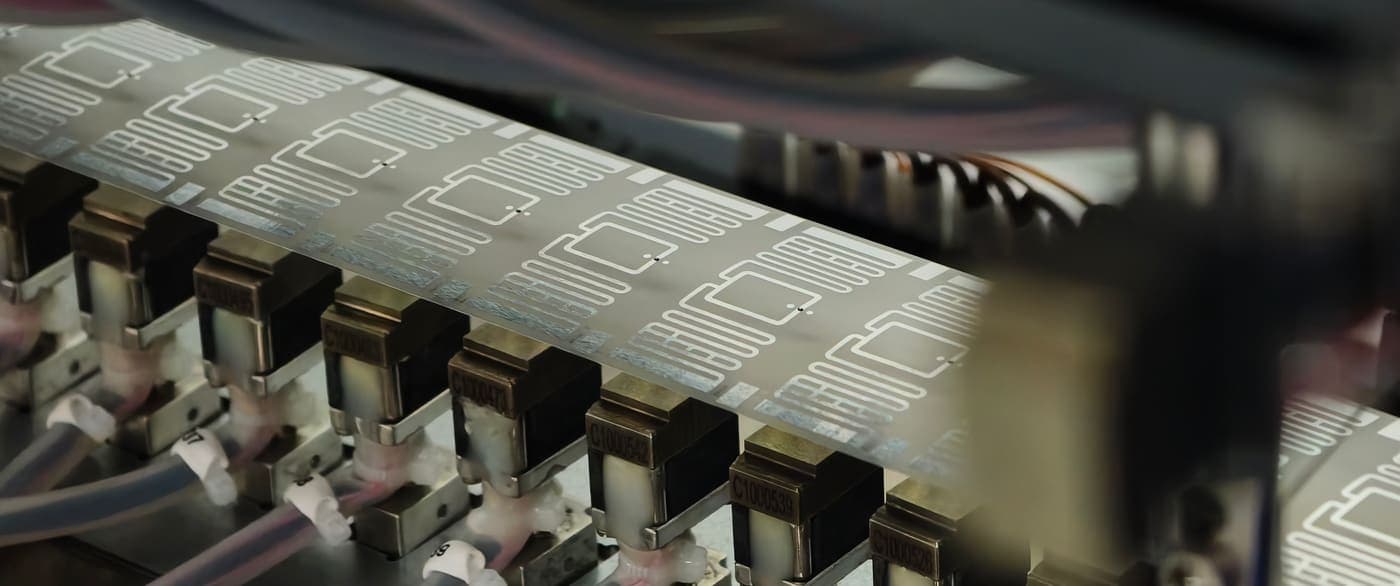
रीडर के बारे में गहराई से जानने से पहले यह समझना जरूरी है कि RFID क्या है। RFID इलेक्ट्रोमैग्नेटिक फील्ड का इस्तेमाल करके चीजों पर लगे टैग को ऑटोमैटिक तरीके से पहचानता और ट्रैक करता है। इन टैग में जानकारी डिजिटल रूप में होती है। इस सिस्टम के तीन मुख्य हिस्से हैं:
- RFID टैग: यह वह फिजिकल टैग है जिसे ट्रैक की जाने वाली वस्तु पर लगाया जाता है। ये पैसिव, एक्टिव और सेमी-एक्टिव तरह के होते हैं।
- RFID रीडर: यह डिवाइस रेडियो तरंगें छोड़ता है जो टैग से बात करती हैं। यह टैग से डेटा लेकर उसे सिस्टम तक भेजता है।
- सॉफ्टवेयर: यह पीछे का हिस्सा है जो रीडर से मिली जानकारी को प्रोसेस करता है और उसे आसान भाषा में दिखाता है।
इन हिस्सों को समझकर आप अपनी जरूरत के लिए सही रीडर चुन पाएंगे।
RFID रीडर चुनते समय ध्यान रखने वाली बातें
रीडर चुनते समय कुछ मुख्य बातें आपके फैसले को प्रभावित करती हैं:
1. RFID रीडर के प्रकार
RFID रीडर हैंडहेल्ड, फिक्स्ड और मोबाइल प्रकार के होते हैं।
- हैंडहेल्ड रीडर: ये पोर्टेबल होते हैं और इन्वेंट्री चेक करने के लिए बेस्ट हैं। इन्हें कहीं भी ले जाया जा सकता है।
- फिक्स्ड रीडर: इन्हें गोदामों या गेट जैसी जगहों पर एक ही जगह फिट किया जाता है। ये एक साथ कई टैग पढ़ सकते हैं और अक्सर नेटवर्क से जुड़े होते हैं।
- मोबाइल रीडर: ये हैंडहेल्ड और फिक्स्ड दोनों की खूबियों को मिलाते हैं और मोबाइल डिवाइस से आसानी से जुड़ जाते हैं।
मेरा अनुभव: जब हमने RFID सिस्टम लगाया, तो हमने इन्वेंट्री टीम के लिए हैंडहेल्ड रीडर चुने। इससे वे बिना किसी रुकावट के कहीं भी जाकर सामान चेक कर सकते थे।
2. रीडिंग रेंज
रीडर की रेंज बहुत मायने रखती है। यह वह अधिकतम दूरी है जहां से रीडर टैग की जानकारी पढ़ सकता है।
- शॉर्ट रेंज रीडर: ये कुछ सेंटीमीटर तक काम करते हैं। ये रिटेल काउंटर जैसी जगहों के लिए सही हैं जहां टैग को पास लाना आसान हो।
रीडिंग रेंज चुनते समय अपनी ज़रूरत और जगह का खास ख्याल रखें।
3. फ्रीक्वेंसी बैंड
RFID रीडर अलग-अलग फ्रीक्वेंसी पर काम करते हैं, जैसे लो फ्रीक्वेंसी (LF), हाई फ्रीक्वेंसी (HF), और अल्ट्रा-हाई फ्रीक्वेंसी (UHF)।
- LF: इसका इस्तेमाल अक्सर जानवरों की ट्रैकिंग और एक्सेस कंट्रोल के लिए होता है। इसकी रेंज कम होती है।
- HF: यह लाइब्रेरी सिस्टम और NFC (Near Field Communication) के लिए इस्तेमाल किया जाता है।
- UHF: सप्लाई चेन और लॉजिस्टिक्स के लिए सबसे अच्छा है क्योंकि इसकी रेंज ज़्यादा होती है और यह एक साथ कई टैग पढ़ सकता है।
सही फ्रीक्वेंसी चुनना बहुत ज़रूरी है ताकि यह आपके RFID टैग और पूरे सिस्टम के साथ सही से काम कर सके।
4. कनेक्टिविटी के विकल्प
यह देखें कि RFID रीडर आपके मौजूदा सिस्टम से कैसे जुड़ेगा। इसके कुछ विकल्प यहाँ दिए गए हैं:
- USB: बहुत आसान है, सीधे कंप्यूटर से जुड़ जाता है।
- Bluetooth: मोबाइल ऐप्स के लिए बढ़िया है, इसमें डेटा बिना तारों के भेजा जा सकता है।
- Wi-Fi: उन जगहों के लिए बेस्ट है जहाँ डेटा को तुरंत नेटवर्क पर भेजने की ज़रूरत होती है।
मेरा अनुभव: एक प्रोजेक्ट के दौरान हमने ब्लूटूथ वाले हैंडहेल्ड रीडर चुने थे। इससे टीम बिना तारों के उलझन के आसानी से काम कर पाई और सारा डेटा इन्वेंट्री सिस्टम में तुरंत अपडेट हो गया।
5. मजबूती और माहौल
रीडर कहाँ इस्तेमाल होगा, यह बात मॉडल चुनते समय बहुत मायने रखती है। इन बातों पर गौर करें:
- अंदर या बाहर: बाहर इस्तेमाल होने वाले रीडर मज़बूत और मौसम की मार झेलने वाले होने चाहिए।
- इंडस्ट्रियल माहौल: अगर काम की जगह मुश्किल है, तो ऐसा मॉडल चुनें जो धूल, पानी और ज़्यादा तापमान को सह सके।
6. बजट और ROI
आखिर में अपने बजट को देखें। RFID रीडर की कीमतों में काफी अंतर होता है। सस्ता विकल्प चुनना अच्छा लग सकता है, लेकिन यह ज़रूर देखें कि उस सिस्टम से आपको कितना फायदा (ROI) होगा।
- कीमत बनाम फीचर्स: कभी-कभी थोड़ा महंगा और अच्छा रीडर लेना लंबे समय में पैसे बचाता है, क्योंकि इसमें मेंटेनेंस कम लगती है और काम तेज़ी से होता है।
सही RFID रीडर चुनने के स्टेप्स
फैसला आसान बनाने के लिए इन स्टेप्स को फॉलो करें:
- ज़रूरत को समझें: अपनी ज़रूरत का विश्लेषण करें। आपको रीडर से असल में क्या काम करवाना है?
- रिसर्च करें: इंटरनेट, कस्टमर रिव्यू और कंपनी की वेबसाइट पर जाकर अलग-अलग मॉडल की तुलना करें।
- एक्सपर्ट से सलाह लें: अगर मुमकिन हो, तो किसी RFID एक्सपर्ट या सप्लायर से बात करें।
- टेस्टिंग करें: हो सके तो कुछ मॉडल को अपनी वर्किंग साइट पर चलाकर देखें कि वे कैसा परफॉर्म कर रहे हैं।
- सोच-समझकर चुनें: अपनी रिसर्च और टेस्टिंग के आधार पर वह रीडर चुनें जो आपके काम और बजट में फिट बैठे।
निष्कर्ष
सही RFID रीडर चुनना कोई मुश्किल काम नहीं है। बस तकनीक को समझें, अपनी ज़रूरतें देखें और विकल्पों को परखें। याद रखें, एक अच्छा रीडर न केवल आज की ज़रूरत पूरी करता है, बल्कि बिज़नेस बढ़ने पर भी आपका साथ देता है।
उम्मीद है कि यह जानकारी आपके काम आएगी और आप सही RFID रीडर चुन पाएंगे। अगर आपके मन में कोई सवाल है या आप अपना अनुभव शेयर करना चाहते हैं, तो ज़रूर बताएं!