የተደጋጋሚ ግፊት
ሺህዎችን የሚቆጠሩ መጽሐፍትን በእጅ መቅረጽ ለሰራተኞች የተደጋጋሚ ግፊት ጉዳቶችን (RSI) ያስከትላል።


ቤተ መፃሕፍት የማህበረሰብ ማዕከላት ናቸው፣ ነገር ግን የቤተ መፃሕፍት ሰራተኞች ብዙ ጊዜ እንደ ማከማቻ ሰራተኞች ይሰማቸዋል። ሰዓታት በእጅ መጽሐፍትን በመቀበልና በመመለስ፣ ተመላሽ መጽሐፍትን በመለያየት እና በዓይን-ብቻ የሚሰሩ ባርኮድ ስካነሮች በመጠቀም በተሳሳተ መደርደሪያ ላይ የተቀመጡ እቃዎችን በመፈለግ ይባክናሉ።
ተጠቃሚዎች ምቹነትን ይፈልጋሉ። መጽሐፍ ይዘው በቀጥታ መሄድ ወይም 24/7 ሳይጠብቁ መመለስ ይፈልጋሉ። የተለምዶ የEM ደህንነት ስትሪፖች ከስርቆት ይከላከላሉ ነገር ግን የክምችት መረጃ አይሰጡም።
ውጤቱም ሰራተኞች ከማህበረሰቡ ጋር ከመገናኘት ይልቅ በአስተዳደራዊ ስራዎች ውስጥ የተጐረበጡበት ጭንቀት የተሞላ ተሞክሮ ነው።
ሺህዎችን የሚቆጠሩ መጽሐፍትን በእጅ መቅረጽ ለሰራተኞች የተደጋጋሚ ግፊት ጉዳቶችን (RSI) ያስከትላል።
በስህተት የተያዘ መጽሐፍ የጠፋ መጽሐፍ ነው። RFID ሳይሆን በስህተት መደርደሪያ ላይ የተቀመጠ መጽሐፍን ማግኘት በኩርባ ውስጥ ማንጠልጠያ ፍለጋ ነው።
የልዕለግ ሰዓታት በእየታሰቡ ቦታ ረጅም ሰልፎችን ይፈጥራሉ፣ የሚነበቡ አለመሳደብን ያስከትላሉ።
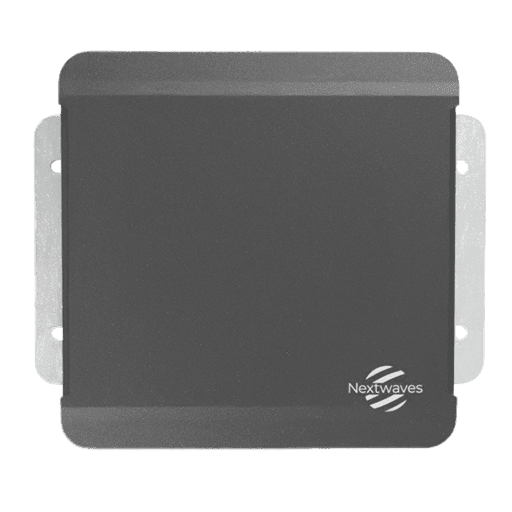
Nextwaves በHF/NFC እና UHF RFID መፍትሄዎች ቤተ መፃሕፍቱን ወደ ዘመናዊ ዘመን ያመጣል። በእያንዳንዱ መጽሐፍ ሽፋን ወይም ጠርዝ ውስጥ ቀጭን፣ የማይታይ RFID ታግ እንገባለን።
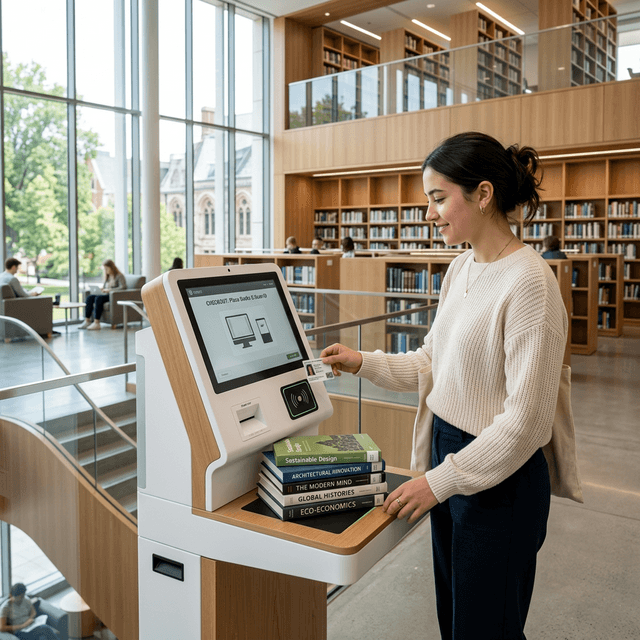
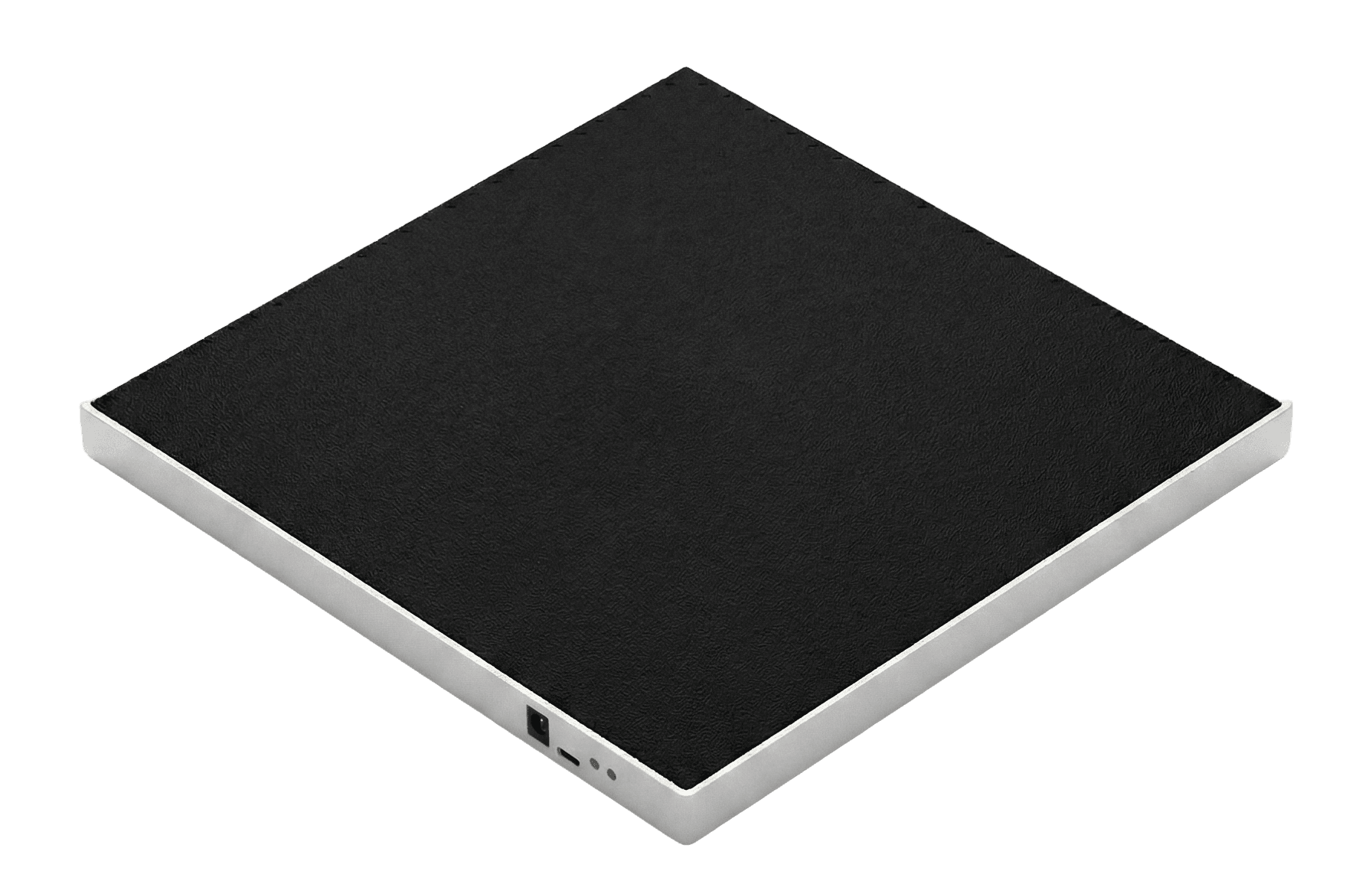
ራስ-መቀበያ ኪዮስኮች ተጠቃሚዎች በአንድ ጊዜ 5-10 መጽሐፍትን በፓድ ላይ እንዲያስቀምጡ ያስችላሉ። ስርዓቱ ሁሉንም በቅጽበት ያነባል፣ የደህንነት ቢቱን ያሰናክላል እና በጥቂት ሰከንዶች ውስጥ ደረሰኝ ያትማል።
ዘመናዊ የመመለሻ ማዕድኖች (AMH) 24/7 መጽሐፍትን ይቀበላሉ። መጽሐፉ በማዕዱ ውስጥ ሲወርድ፣ ይቃኛል፣ በመዝገብ ላይ ይመዘገባል፣ እንኳንም ለዳግም መደርደር በሳጥኖች ውስጥ በራስ-ሰር ሊለያይ ይችላል። ሰራተኞች የእጅ ዘንጎችን በመጠቀም መደርደሪያዎችን በፍጥነት መቃኘት እና የጠፉ መጽሐፍትን መፈለግ እንዲሁም ቅደም ተከተሉን ማረጋገጥ ይችላሉ።
ሚነበቡ ራሳቸውን ነገሮችን በፍጥነት እንዲያረጋግጡ እና እንዲመልሱ ያበረታታሉ፣ ሰልፎችን ይቀንሳሉ።
በስህተት የተያዘ መጽሐፍን በሰከንዶች ውስጥ ያግኙ - በቀላል መሣሪያ አለብዎን በማለፍ ብቻ።
የራስ-ሠራ የመጽሐፍ ማስወገጃዎች የሚነበብ አካውንቱን በፍጥነት ያሻሽላሉ።
ቤተመጽሐፍት ከ'መጽሐፍ አስተናጋጅ' ወደ 'መረጃ ባለሙያ' ይሸጋገራሉ።
አዲስ ማዕከላዊ ቤተመጽሐፍት 'ያለሰራተኛ' የሚነበብ ሞዴል ለመክፈት ለማህበረሰብ ፕሮግራሞች በጀት ለማብዛት ፈለገ።
የመጽሐፍ ቤት መላ ስብስብ መቀየር ትልቅ ተግባር ነው፣ ስለዚህ እኛ እንዲተያይዙ እንዲችሉ እንዲታደርግ እንነድፋለን። የእኛ ሃይብሪድ ታጎች በተመሳሳይ መለያ ውስጥ የቀድሞ ባርኮድ እና አዲስ የRFID ቺፕ ሁለቱንም ይይዛሉ። ስለዚህ የእርስዎ የአሁኑ ILS እየቀጠለ ይሰራል፣ ሰራተኞች ደግሞ በራሳቸው ፍጥነት RFID የስራ ሂደቶችን በቀስ በቀስ ሲቀይሩ ይቀጥላሉ።
ለአብዛኛዎቹ የሕዝብ መጽሐፍ ቤቶች HF (13.56 MHz) እንመክራለን። ይህ የክፍያ ካርዶች እና NFC ስልኮች የሚጠቀሙት ተመሳሳይ ድግግሞሽ ነው፣ በትክክለኛ መለኪያ እና የተጠቃሚ ግላዊነት ጥበቃ ይሰጣል። ትልቅ የአካዳሚ ማህደሮች በእጅ ከሚታይ ብዙ ዕቃ ይዞ ሲሰሩ ከUHF ፍጥነት ተጠቃሚ ይሆናሉ። የእርስዎን ስብስብ እንመዝናለን እና ትክክለኛውን ድግግሞሽ እንመክራለን—“ለሁሉም ተመን የሚሆን” አይደለም።
RFID የ“ሰው አልባ ሰዓታት” ሞዴል ተግባራዊ ያደርገዋል። የተመዘገቡ ተጠቃሚዎች የአባልነት ካርዳቸውን ተጠቅመው ህንፃውን ሊገቡ ይችላሉ፣ መጽሐፎችን በእራሳቸው ማጥፋት እና ማስተካከያ ማድረግ ይችላሉ፣ እቃዎችን ደግሞ በራስ-አገልግሎት ተዘጋጅቶ በሚቀርብ መጣያ ቦታ ላይ በራስ በማስመለስ ይችላሉ። ማክሰኞ ምሽት 10 ሰዓት ላይ ወይም እሑድ ጠዋት 6 ሰዓት ላይ።
ተመሳሳይ መሠረተ-ልማት ለሰራተኞች የእቃ መረጃ ብልህነት ይከፍታል፦ በእጅ የሚያደርግ ዋንድ በመጠቀም የሙሉ መደርደሪያ መስመርን መቃኘት በደቂቃዎች ይቆማል እና ሁሉንም በትክክል ያልተደረደረ እቃ ያሳያል። ከፊት የመጽሐፍ ቤት ሰራተኛ ሙሉ ፈረቃ የሚወስድበት አሁን በቀኑ መጀመሪያ ብቻ ጥቂት ደቂቃ ይወስዳል።
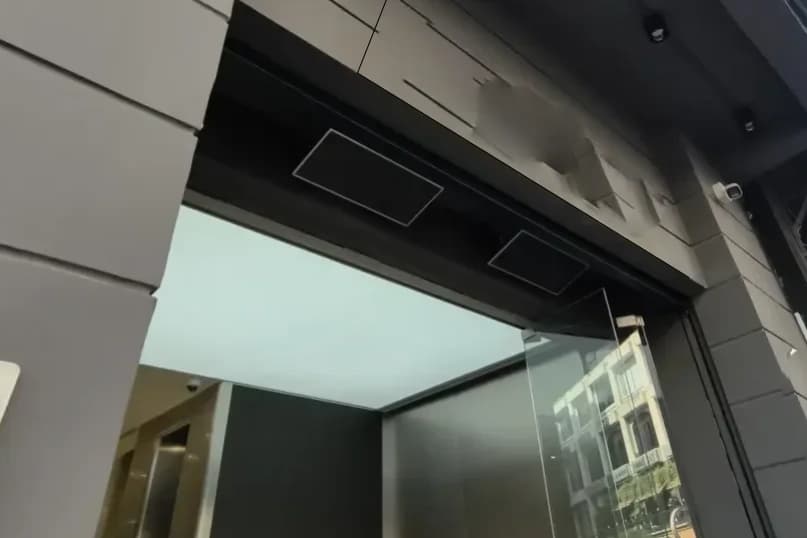
ላፕቶፖችን እና የ IT መሳሪያዎችን በ RFID የደህንነት በሮች፣ ፀረ-ብረት መለያዎች እና አውቶማቲክ ኦዲቶች ይጠብቁ።