Bate-opberging & Verlies
Omdat personeel nie toerusting kan vind nie, gobooar hulle dit in kasdeure en plafonte. Hospitale koop uiteindelik 130% van hul nodige vloot, maar benutting bly onder 40%. Miljoene dollars sit doelloos.
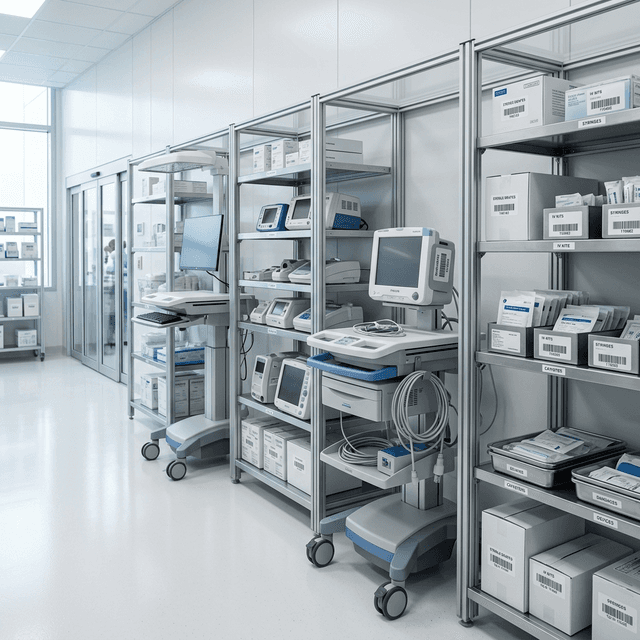


Hospitale is komplekse, chaotiese omgewings waar lewens- en doodsbesluite afhang van logistiek. Tog spandeer die gemiddelde verpleegkundige 1 uur per skof—12% van hul tyd—om toerusting op te spoor. Hulle soek na IV-pompe, rolstoele, telemetrie-pakke en wonde-vaks. Dit is “Hunt and Gather”-medisyne.
Buite bates is die bestuur van farmaseutiese produkte vol risiko. Handmatige monitering van crash carts en medikasiebakkies lei daartoe dat vervaldatums oorskrynde middels in omloop bly. ’n Enkele oorsig kan tot ’n Sentinel Event lei.
Verder is pasiëntvloei ondeursigtig. Bottelnekke in die ER of OR verminder deurset en pasiënttevredenheid. Sonder data kan administrateurs nie personeel of bedombset optimaliseer nie.
Omdat personeel nie toerusting kan vind nie, gobooar hulle dit in kasdeure en plafonte. Hospitale koop uiteindelik 130% van hul nodige vloot, maar benutting bly onder 40%. Miljoene dollars sit doelloos.
Handmatige hervoorsiening van crashtrollies is foutgevoelig. 'n Gemiste vervalde epinefrien-buisie is 'n aanspreeklikheid. Dwelm-omleiding (diefstal) is ook 'n groeiende sorg wat handmatige logboeke nie kan voorkom nie.
Om te weet watter toerusting met 'n aansteeklike pasiënt interaksie gehad het, is krities. Sonder digitale kontaknasporing, moet hospitale bates in kwarantyn stel, wat operasies ontwrig.
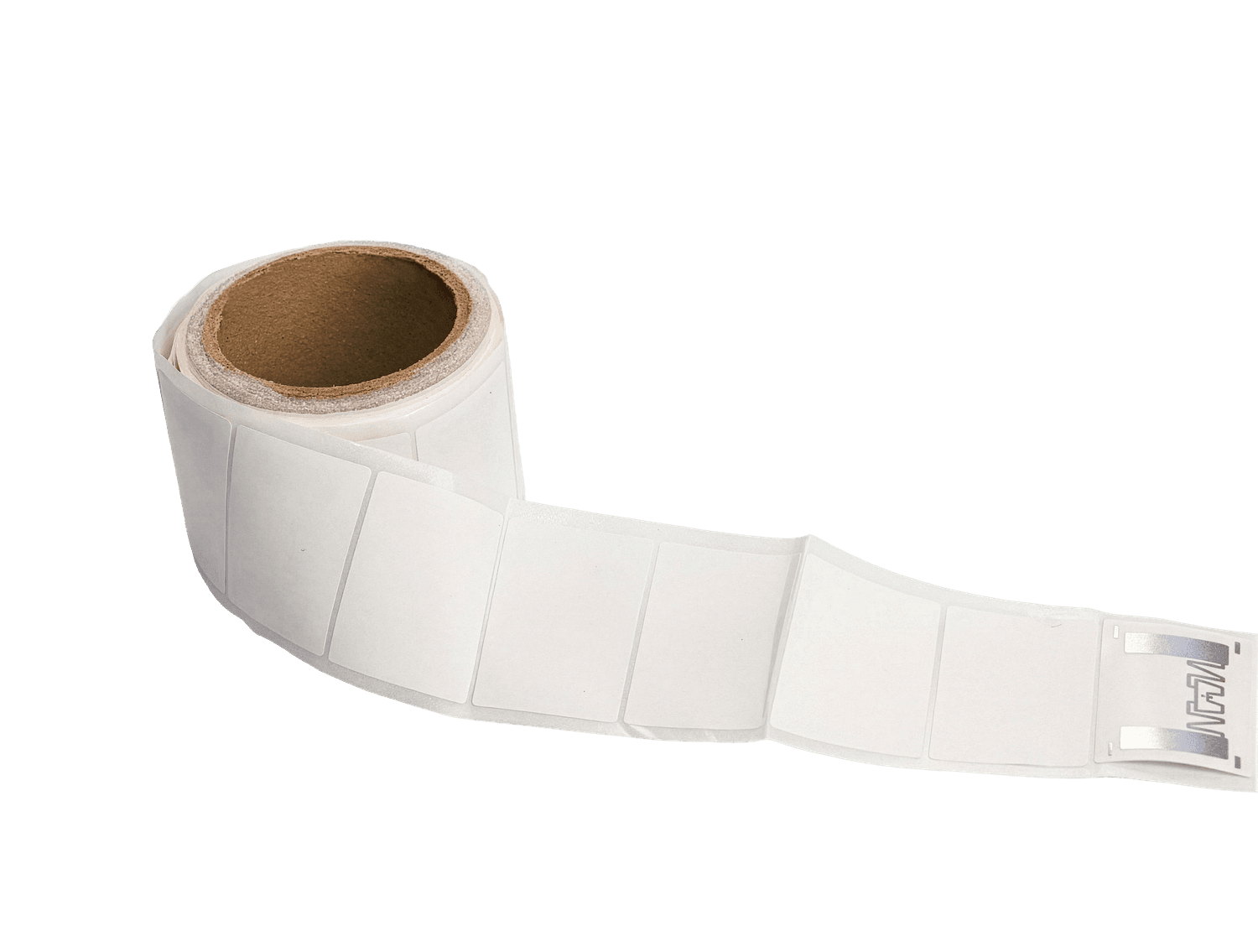
Nextwaves implementeer ’n hibriede Real-Time Location System (RTLS). Ons gebruik passiewe UHF RFID vir hoëvolume-verbruiksitems en laekoste-bates (linne, lêers, medisyne), en Aktiewe (BLE/Wi-Fi) dop vir hoogs waardevolle mobiele toerusting.
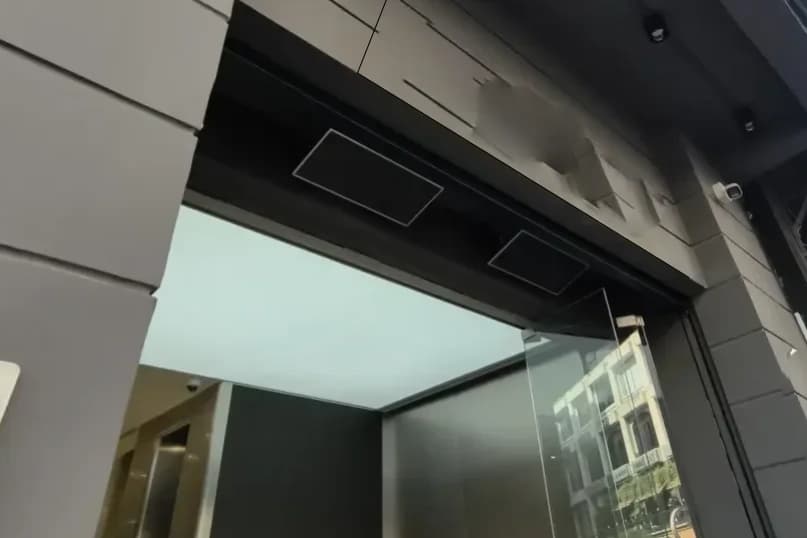
Ons “Smart Cabinets” spoor outomaties elke flessie medikasie wat geneem word aan, en werk die pasiëntrekord en voorraad onmiddellik op. Ons skikkings wat teen die plafon gemonteer is, volg die beweging van beddens en pomps deur die hele fasiliteit en visualiseer dit op ’n digitale kaart.
Hierdie stelsel skep ’n “Chain of Custody”. Ons weet presies wie die middel geneem het, vir watter pasiënt, en wanneer. Ons weet presies waar die infusiepomp is, en of dit skoongemaak is sedert sy laaste gebruik.
Voorkom 'Nooit Gebeure'. Outomatiese kontroles verseker die regte medisyne, regte dosis, regte pasiënt.
Verminder vlootgrootte met 20% terwyl beskikbaarheid verhoog. Hou op om pompe te koop wat jy nie nodig het nie.
Gee verpleegsters hul tyd terug. Laat hulle fokus op sorg, nie logistiek nie.
Outomatiese logboeke vir Die Gesamentlike Kommissie (TJC). Bewys sterilitiet en instandhouding-nakoming onmiddellik.
'n 500-bed trauma-sentrum het met NO deurset en chroniese IV-pomptekorte gekwyn. Verpleegsters het vertragings in sorg weens ontbrekende toerusting gerapporteer.
Gesondheidsorg-RFID het ’n hoër standaard as kleinhandel. Geen pasiëntnaam, diagnose of persoonlik identifiseerbare inligting (PII) word ooit na ’n tag geskryf nie. Tags dra slegs ’n anonieme token—’n nommer wat niks beteken sonder toegang tot die beveiligde backend wat dit aan ’n pasiëntrekord koppel nie.
Daardie databasislaag word geïnkripteer, met toegangsbeheer en oudits. Klinici sien slegs die data wat hul rol toelaat. Administrateurs sien benuttingsverslae. Niemand sien pasiëntdata via die RFID-laag self nie. Ons is volledig HIPAA-versoenbaar volgens ontwerp, nie as ’n beleids-“ompad”-oplossing nie.
Liggingdata is net die begin. Wanneer jy ’n deurlopende stroom het van waar elke bate en pasiënt is, kom patrone na vore. Ons werk aan modelle wat toerusting-knelpunte 4–6 uur voor dit gebeur kan voorspel—sodat verpleegkundiges vooruit kan heraanwys voordat sorg geraak word.
Op die horison: beddens wat outomaties pasiëntgewig en drukveranderings rapporteer, slim kaste wat medikasie weer bestel voordat dit opraak, en OR-skedulering wat intyds aanpas op grond van werklike toerouklokasie—nie aannames nie.
Beskerm skootrekenaars en IT-toerusting met RFID-sekurheitepoort, anti-metaal-etikette, en outomatiese oudits.
Laat tegnologie die soektog hanteer. Jy hanteer die redding.