RFID replacement dossierUpdated: May 25, 2026

ThingMagic (JADAK) ElaraOorsig: Spesifikasies en Alternatiewe

The ThingMagic Elara is a desktop USB EPC reader priced around $400. Review its keyboard emulation functions and compare against Nextwaves Webhook nodes.

Nextwaves IngenieursweseHardeware-oorsig5 min lees

Technical verdict

ThingMagic (JADAK) Elara is a mainstream hardware purchase, but it is not always the best architecture for direct RFID data integration.

Do not evaluate Elara by list price alone. Its strongest fit is a project that already uses USB Type A (keyboard emulation), has time for RF tuning, and accepts extra middleware work. If the engineering team needs open APIs, realtime data, and faster edge-to-cloud deployment, Nextwaves NR155 is the stronger replacement path to evaluate.

Initial cost

$400 before deployment accessories

Published throughput

50 tags/second

Integration surface

USB Type A (keyboard emulation)

Physical data

97 x 61 x 25 mm; 0.19 kg; IP: indoor rating

Published specs

Specifications to validate before replacing

Frekwensie

Global

Protokol

EPC Gen2v2, ISO 18000-63

Kontviteit

USB Type A (keyboard emulation)

IP-gradering

indoor rating

Afmetings

97 x 61 x 25 mm

Gewig

0.19 kg

Stroomtoevoer

USB Bus Power

Leestempo

~50 tags/sec

Geraamde Prys

$400

Deployment review

Operational strengths and risks

This summary is based on public specifications and does not replace an on-site RF survey.

Fit score

3.5/5

Strengths

  • USB Type A (keyboard emulation) gives network teams a familiar integration surface instead of local-only collection.
  • USB Bus Power can reduce separate power drops when switch PoE budget is available.
  • The $400 hardware baseline is easier to budget than premium fixed-reader configurations.
  • 50 tags/second can fit faster inventory lanes when the read zone is tuned correctly.

Validate

  • Quoted hardware price is not installed system cost; include antennas, cables, mounts, power, software, and configuration work.
  • RF performance depends on tag material, antenna position, transmit power, reader orientation, and site interference.
  • indoor rating must be checked against dust, humidity, temperature, and cleaning requirements.
  • Raw RFID reads still need duplicate filtering, business-event mapping, and ERP/WMS integration before operations can use them.

Deployment review

Buying decision matrix

Best fit

Fixed UHF RFID projects that already use USB Type A (keyboard emulation) and have time for RF tuning.

Weak fit

Do not compare device price only; total cost depends on accessories, software, and integration.

Deployment risk

indoor rating, USB Bus Power, 97 x 61 x 25 mm, and 0.19 kg must match the site layout.

Software risk

Plan for middleware, SDK work, duplicate filtering, and business-event mapping.

Alternative architecture

ThingMagic (JADAK) Elara vs Nextwaves

01

Hardeware-oorsig

Die ThingMagic (JADAK) Elara is 'n nywerheidsgraad RFID-toestel. Dit werk binne die Global-reeks en ondersteun die EPC Gen2v2, ISO 18000-63-standaard, wat dit wyd ontplooi in ondernemingslogistiek-toepassings.

Met 'n IP-gradering van indoor rating, bied dit beskerming teen spesifieke omgewingstoestande tipies in pakhuis- of kleinhandelagterkamers. Die leser gebruik USB Bus Power vir deurlopende prestasie, terwyl sy vermelde maksimum leestempo ~50 tags/sec bereik.

02

Kontviteit en Netwerkintegrasie

In moderne ontplooiings is netwerkintegrasie die beduidendste struikelblok. Hierdie model bied USB Type A (keyboard emulation)-opsies vir die oordrag van data terug na sentrale stelsels.

Echter, 'n groot bottelnek met verouderde ThingMagic (JADAK)-hardeware is die swaar afhanklikheid van proprietêre SDK's (soos LLRP) of duur derdeparty-IoT-middleware om rou merketiketdata te verwerk tot betekenisvolle besigheidsintelligensie.

03

When to choose Nextwaves instead of another closed reader

Indien u ingenieurswese-span die ThingMagic (JADAK) Elara evalueer, bied die Nextwaves NR155 'n aansienlik superieure wolk-native argitektuur. Verouderde stelsels dryf inherent hoë kapitaaluitgawe deur verskaffer-instapping en proprietêre sagteware-ekosisteme.

Nextwaves skakel hierdie barrier heeltemal uit deur 'n standaard MQTT REST API direk op die toestel te verskaf. U sagteware-ontwikkelaars kan merketiket-lesing direk in u pasgemaakte ERP- of WMS-agtersteEnded in dae integreer in plaas van maande, heeltemal wat herhalende middleware-lisensiefooie omseil.

Alternative architecture

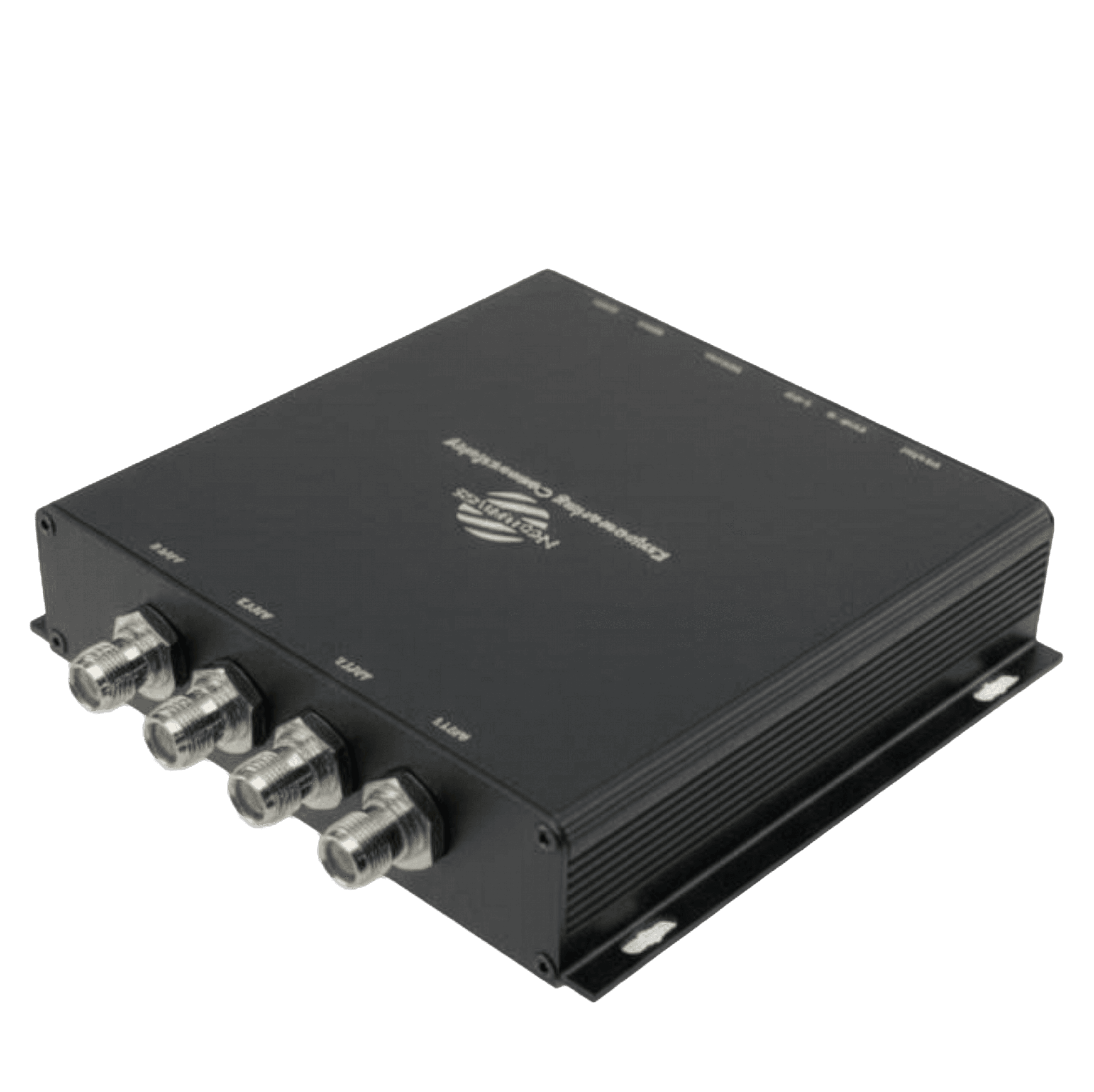
NR155 Vaste IoT UHF RFID-leser

Wolk-native MQTT/REST API's ingebou. Geen proprietêre SDK's, geen middleware-lisensie nie. Integreer direk met u ERP of WMS in dae.

View Nextwaves NR155
Nextwaves NR155 Fixed IoT UHF RFID Reader

Antenna-poorte

4 x RP-TNC-poorte

Leesspoed

Tot 400 merketikette/sekonde

Uitvoerkrag

0–33 dBm (1dB-stappe)

Netwerkprotokol

MQTT / MQTTS

FAQ

Gereelde Vrae

These answers help purchasing and engineering teams review cost, integration, and deployment risk.

01

Wat is die Elara?

The ThingMagic (JADAK) Elara is a plug-and-play desktop RFID scanner. It decodes EPC Gen2v2, ISO 18000-63 formats across the Global spectrum, specifically engineered to act as an automated keyboard wedge for simple data entry tasks.

02

Wat kos hierdie opstelling aanvanklik?

Units are configured starting at $400. Due to its minimalist design, integration budgets are extremely low, drawing USB Bus Power natively and containing no external networking logic or wiring harnesses.

03

Hoekom moet ek eerder Nextwaves kies?

Nextwaves hardware specializes in untethered operations. Instead of typing data directly into a focused spreadsheet cell like the Elara, our systems seamlessly broadcast massive inventory dumps securely over cloud webhooks.

04

Is die hardeware stewig genoeg vir pakhuis?

The lightweight plastic shell weighs just 0.19 kg with physical dimensions mapping 97 x 61 x 25 mm. Carrying a generic indoor rating, it is explicitly designed for POS counters, medical carts, or library checkout desks.

05

Ondersteun dit verskeie netwerktipes?

The device acts as a Human Interface Device (HID) over USB Type A (keyboard emulation). It possesses zero networking logic and inherently relies entirely on the host operating system's firewall.

06

Kan my span dit intern installeer?

Implementation is completely driverless. Setup simply involves plugging the reader into a host PC; any scanned EPC Gen2v2, ISO 18000-63 tags are instantly 'typed' into the active cursor window as raw text stings.

07

Hoe werk die afstandsbestuur?

Powered internally by an M6e-Nano embedded core, read counts are severely capped to roughly ~50 tags/sec. It serves strictly as a single-item point-of-friction terminal, incapable of running dense background audits.

08

Benod ek proprietêre sagteware om dit te laat loop?

Because data injection from its USB Type A (keyboard emulation) interface is handled identically to typing on a physical keyboard, complex autonomous background routing to external CRMs requires hacky OS script writing.

09

Watter waarborg kom saam met die leser?

The base hardware unit is protected against factory defects for a single year. Standard enterprise support SLAs are rarely purchased for these low-friction utility scanners.

10

Word die antennas apart verkoop?

An internal antenna element spans the Global band footprint. The RF power limits are intentionally dialed downwards by the manufacturer to create a contained 12-inch sensing bubble to prevent duplicate reading.