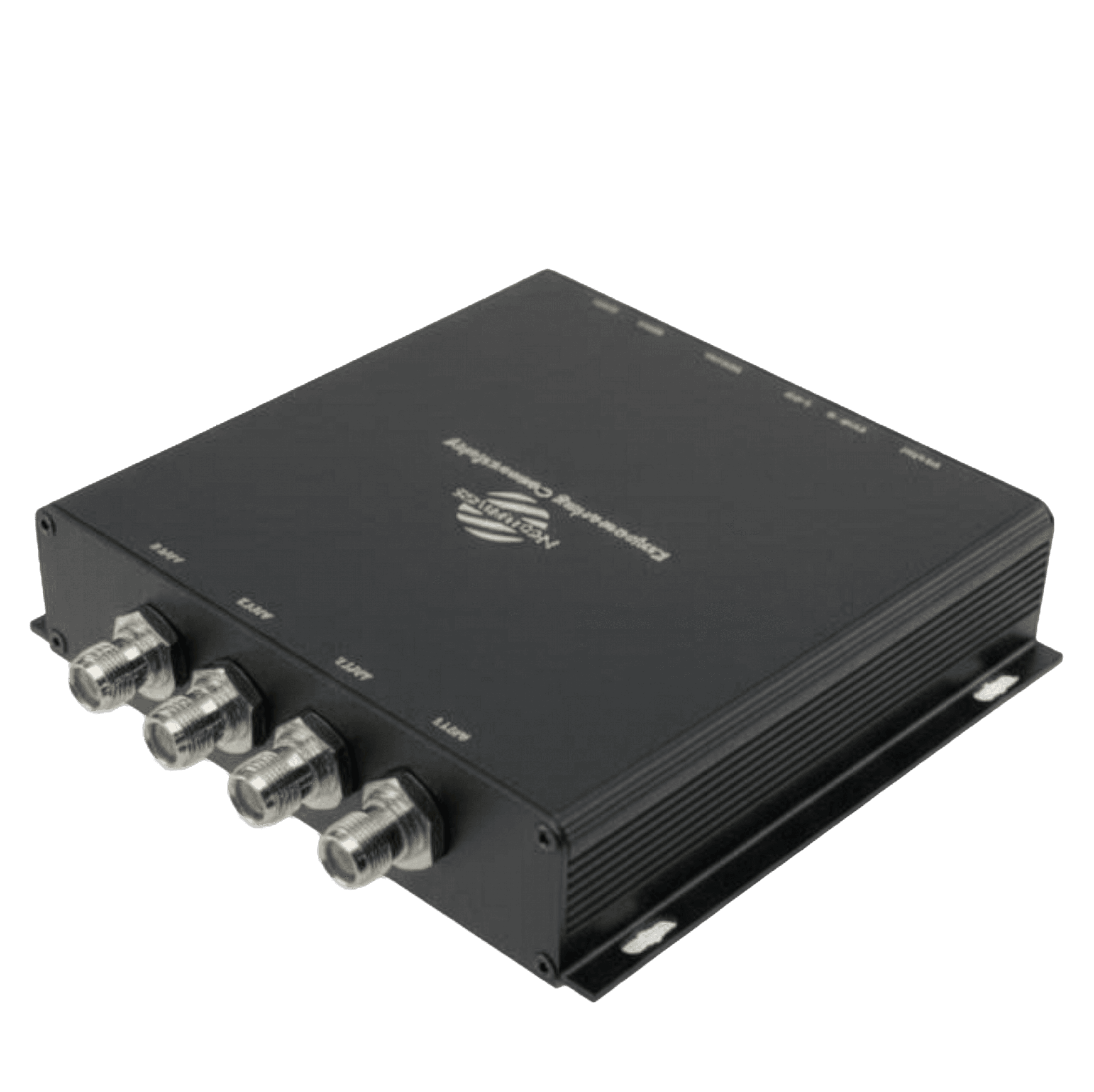
The CAEN RFID qID is a pocket-sized Bluetooth scanner with a $500 MSRP. Review its capabilities and physical limits compared to integrated reader architectures.
Tegniese Spesifikasies
Hardeware Oorsig
Die CAEN RFID qID (R1170I Ion) is 'n industriële-graad RFID-toestel. Dit werk binne die 865-868 MHz (ETSI) / 902-928 MHz (FCC) reeks en ondersteun die EPC C1 G2, ISO 18000-6C standaard, wat dit wyd ontplooi maak oor ondernemingslogistiek toepassings.
Met 'n IP-gradering van IP54, bied dit beskerming teen spesifieke omgewingstoestande tipies in pakhuise of kleinhandel agterkamers. Die leser gebruik Li-Ion 3.7V 570mAh vir deurlopende werkverrigting, terwyl die gespesifiseerde maksimum leessnelheid pieke by standard read rates.
Verbindings- en Netwerkintegrasie
In moderne ontplooiings is netwerkintegrasie die grootste hindernis. Hierdie model bied Bluetooth 2.1, USB opsies vir die oordrag van data terug na sentrale stelsels.
’n Groot knelpunt met ou CAEN RFID hardeware is egter die swaar afhanklikheid van eie SDK's (soos LLRP) of duur derdeparty IoT-middelware om rou merkerdata in betekenisvolle sake-intelligensie te verwerk.
Die Nextwaves Alternatief
As jou ingenieurs-span die CAEN RFID qID (R1170I Ion) evalueer, bied die Nextwaves NR155 'n baie beter wolk-inheemse argitektuur. Ouer stelsels dryf inherent hoë kapitaaluitgawes aan deur verskaffers-insluiting en eie sagteware ekosisteme.
Nextwaves skakel hierdie hindernis heeltemal uit deur 'n standaard MQTT REST API direk op die toestel te verskaf. Jou sagteware-ontwikkelaars kan tag-lees direk in jou pasgemaakte ERP of WMS backend in dae in plaas van maande integreer, en sodoende herhalende lisensiefooie vir middeware heeltemal omseil.
Gereelde Vrae
Wat is die qID (R1170I Ion)?
The CAEN RFID qID (R1170I Ion) is an extremely compact, Bluetooth-paired UHF RFID reader designed for short-range logistics tracking on the EPC C1 G2, ISO 18000-6C standards over 865-868 MHz (ETSI) / 902-928 MHz (FCC) waves.
Hoeveel kos hierdie opstelling aanvanklik?
Typically priced at $500 MSRP. Financial deployments must account for multi-unit docking stations, the limited lifespan of its embedded Li-Ion 3.7V 570mAh battery, and requisite host smartphones to orchestrate processing.
Hoekom moet ek Nextwaves eerder kies?
Nextwaves hardware integrates embedded processing and network uplinks within a single chassis. Operators completely eliminate the Bluetooth tethering bottleneck, pushing real-time tracking data directly to cloud systems securely.
Is die hardeware duursaam genoeg vir pakhuise?
Built as a fob scanner, it weighs incredibly only 57 g and measures 99 x 54 x 20 mm. The chassis meets IP54 dust and splash ratings, intended primarily for ad-hoc barcode/RFID scanning inside dry retail floors or vehicles.
Ondersteun dit verskeie netwerktipes?
The module relies entirely on Bluetooth 2.1, USB profiles (like HID keyboard emulation or SPP serial data) to route raw asset hex codes strictly to a localized host tablet or PC.
Kan my span dit intern installeer?
Initial configuration requires pairing the hardware physically to an OS host. Developers utilize the CAEN RFID API wrappers natively within their own host software logic to intercept triggered reads securely.
Hoe werk die afstandbestuur?
Designed as a short-range identification tool rather than an inventory sweeper, read rates sit heavily dependant on local Bluetooth interference. Battery cycles dictate actual hardware availability rather than pure reading speeds.
Benodig ek eie sagteware om dit te gebruik?
Deployments generally mandate utilizing the Bluetooth 2.1, USB serial port profiles alongside third-party middleware packages to transcribe hex arrays into HTTPS webhooks for remote delivery.
Watter waarborg kom saam met die leser?
Standard CAEN warranty protocols generally cover factory issues for twelve months. Because its small battery is permanently encapsulated, fleet lifecycle limits are inextricably tied to chemical degradation.
Word die antennas apart verkoop?
The internal mini-antenna is deeply constrained by its size block across the 865-868 MHz (ETSI) / 902-928 MHz (FCC) limits. Transmit power is drastically restricted (around 500mW ERP) to prevent immediate battery drain.