اثاثوں کا ذخیرہ اور نقصان
کیونکہ عملہ سامان تلاش نہیں کر پاتا، وہ اسے الماریوں اور چھت کی ٹائلوں میں جمع کر لیتے ہیں۔ ہسپتال اپنی ضروری بیڑے کا 130% خریدتے ہیں، پھر بھی استعمال 40% سے کم رہتا ہے۔ لاکھوں ڈالر بیکار پڑے ہیں۔
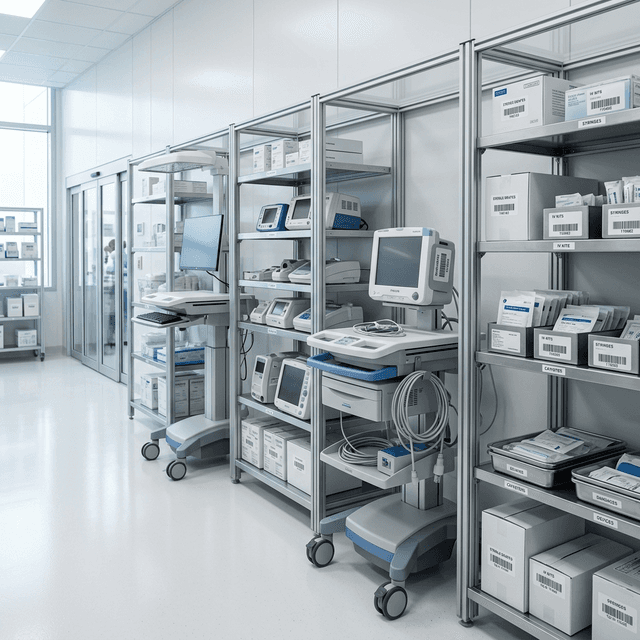

ہسپتال پیچیدہ اور افراتفری والے ماحول ہیں جہاں جان و مال سے متعلق فیصلے لاجسٹکس پر منحصر ہوتے ہیں۔ پھر بھی اوسط نرس اپنے شفٹ میں 1 گھنٹہ—یعنی اپنے وقت کا 12%—سامان ڈھونڈنے میں خرچ کرتی ہے۔ وہ IV پمپ، وہیل چیئرز، ٹیلی میٹری پیکٹس، اور واؤنڈ ویکس ڈھونڈتی ہیں۔ یہ ’Hunt and Gather‘ میڈیسن ہے۔
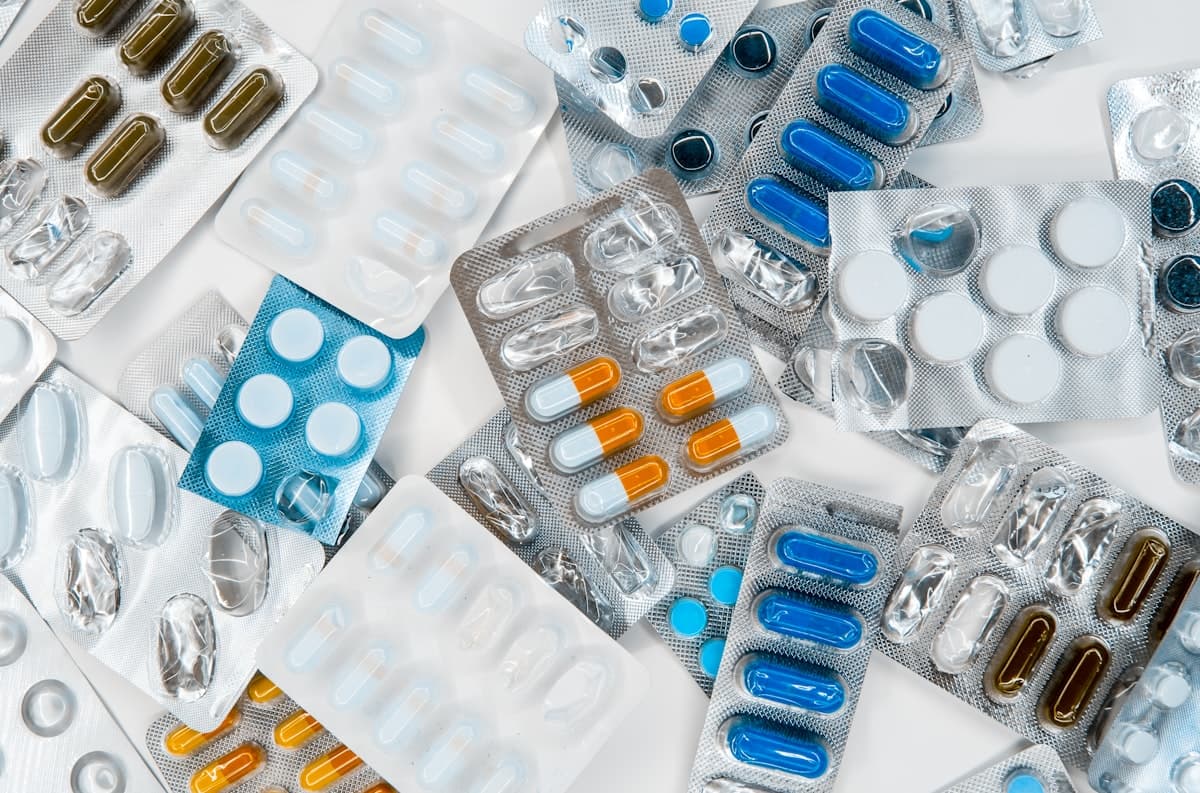
اثاثوں کے علاوہ، ادویات (pharmaceuticals) کا نظم و نسق بھی خطرات سے بھرا ہوتا ہے۔ crash carts اور medication trays کی دستی ٹریکنگ سے expired دوائیں بھی نظام میں چلتی رہتی ہیں۔ ایک معمولی غفلت بھی Sentinel Event تک لے جا سکتی ہے۔
مزید یہ کہ مریضوں کی روانی (patient flow) شفاف نہیں ہوتی۔ ER یا OR میں bottlenecks throughput اور مریضوں کی اطمینان پذیری کم کر دیتے ہیں۔ ڈیٹا کے بغیر ایڈمنسٹریٹرز نہ تو اسٹافنگ بہتر کر سکتے ہیں اور نہ ہی بیڈ ٹرن اوور۔
کیونکہ عملہ سامان تلاش نہیں کر پاتا، وہ اسے الماریوں اور چھت کی ٹائلوں میں جمع کر لیتے ہیں۔ ہسپتال اپنی ضروری بیڑے کا 130% خریدتے ہیں، پھر بھی استعمال 40% سے کم رہتا ہے۔ لاکھوں ڈالر بیکار پڑے ہیں۔
Crash carts کو دستی طور پر دوبارہ اسٹاک کرنا غلطی کا شکار ہے۔ ایک چھوٹا سا ایکسپائرڈ ایپی نیفرین شیشی ایک ذمہ داری ہے۔ منشیات کی تبدیلی (چوری) بھی ایک بڑھتا ہوا مسئلہ ہے جسے دستی لاگز روک نہیں سکتے۔
یہ جاننا کہ کون سا سامان متعدی مریض کے ساتھ تعامل کرتا ہے بہت اہم ہے۔ ڈیجیٹل رابطہ ٹریسنگ کے بغیر، ہسپتالوں کو اثاثوں کو کمبل-قرنطینہ کرنا چاہیے، جس سے آپریشن میں خلل پڑتا ہے۔
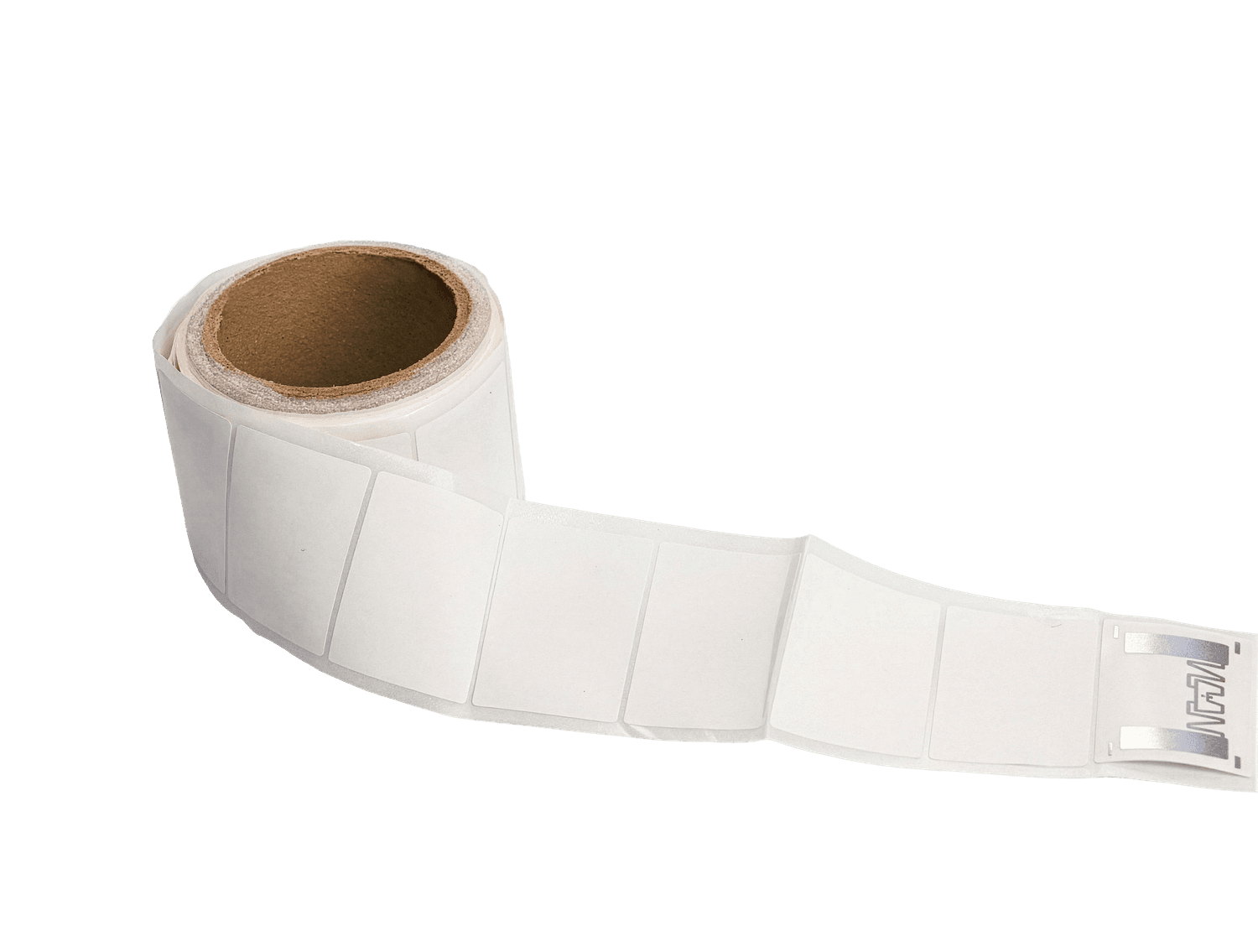
Nextwaves ایک ہائبرڈ Real-Time Location System (RTLS) نافذ کرتا ہے۔ ہائی وولیوم کنزم ایبلز اور کم لاگت اثاثوں کے لیے ہم Passive UHF RFID استعمال کرتے ہیں (linen, files, meds)، جبکہ ہائی ویلیو موبائل آلات کے لیے Active (BLE/Wi-Fi) ٹریکنگ۔
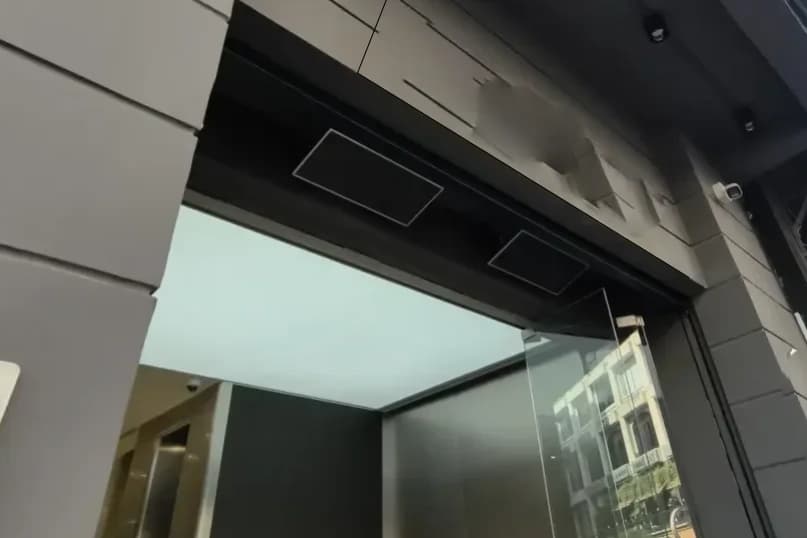
ہمارے ’Smart Cabinets‘ خودکار طور پر لی گئی ہر medication کی شیشی/وائل کو ٹریک کرتے ہیں، مریض کے ریکارڈ اور انوینٹری کو فوراً اپڈیٹ کر دیتے ہیں۔ چھت پر لگے اَرییز ہسپتال بھر میں بستر اور پمپ کی حرکت کو ٹریک کرتے ہیں اور انہیں ایک ڈیجیٹل نقشے پر دکھاتے ہیں۔
یہ سسٹم ’Chain of Custody‘ بناتا ہے۔ ہمیں بالکل معلوم ہوتا ہے کہ دوا کس نے لی، کس مریض کے لیے، اور کب۔ ہمیں یہ بھی معلوم ہوتا ہے کہ انفیوژن پمپ کہاں ہے، اور کیا اسے آخری استعمال کے بعد صاف کیا گیا ہے۔
'کبھی نہ ہونے والے واقعات' کو روکیں۔ خودکار چیک صحیح دوا، صحیح خوراک، صحیح مریض کو یقینی بناتے ہیں۔
دستیابی میں اضافہ کرتے ہوئے بیڑے کے سائز کو 20% کم کریں۔ وہ پمپ خریدنا بند کریں جن کی آپ کو ضرورت نہیں ہے۔
نرسوں کو ان کا وقت واپس دیں۔ انہیں دیکھ بھال پر توجہ مرکوز کرنے دیں، نہ کہ لاجسٹکس پر۔
The Joint Commission (TJC) کے لیے خودکار لاگز۔ فوری طور پر نس بندی اور دیکھ بھال کی تعمیل ثابت کریں۔
ایک 500 بستروں والے ٹراما سینٹر کو ER تھرو پٹ اور دائمی IV پمپ کی کمی سے جدوجہد کرنا پڑی۔ نرسیں غائب آلات کی وجہ سے دیکھ بھال میں تاخیر کی اطلاع دے رہی تھیں۔
ہیلتھ کیئر RFID میں معیار ریٹیل سے بلند ہے۔ کبھی بھی مریض کا نام، تشخیص (diagnosis)، یا ذاتی طور پر شناخت کرنے والی معلومات (PII) کسی ٹیگ پر نہیں لکھی جاتی۔ ٹیگز صرف ایک گمنام ٹوکن لے جاتے ہیں—ایک ایسی تعداد جس کا مطلب نہیں اگر محفوظ بیک اینڈ تک رسائی نہ ہو جو اسے مریض کے ریکارڈ سے جوڑتا ہے۔
یہ ڈیٹا بیس پرت خفیہ (encrypted) ہے، رسائی کنٹرول میں ہے اور آڈٹ کے ذریعے مانیٹر کی جاتی ہے۔ معالجین کو صرف وہی ڈیٹا دکھائی دیتا ہے جس کی انہیں ان کے کردار کے مطابق اجازت ہے۔ ایڈمنسٹریٹرز کو استعمال (utilization) رپورٹیں نظر آتی ہیں۔ آر ایف آئی ڈی پرت کے ذریعے کوئی بھی مریض کا ڈیٹا نہیں دیکھ سکتا۔ ہم مکمل طور پر HIPAA کے مطابق ہیں—یہ پالیسی کے متبادل سے نہیں، ڈیزائن کے ذریعے ہے۔
مقام (location) کا ڈیٹا بس شروعات ہے۔ جب آپ کے پاس ہر اثاثے اور ہر مریض کی مسلسل ٹریکنگ کی اسٹریمنگ ہو تو پیٹرنز ابھر کر سامنے آتے ہیں۔ ہم ایسے ماڈلز پر کام کر رہے ہیں جو سامان/آلات کی رکاوٹیں (equipment bottlenecks) ان کے ہونے سے 4–6 گھنٹے پہلے پیش گوئی کر سکیں، تاکہ چارج نرسز کو کیئر متاثر ہونے سے پہلے اسائنمنٹ دوبارہ کرنے کا وقت ملے۔
افق پر: ایسے بیڈز جو خودکار طور پر مریض کا وزن اور پریشر میں تبدیلی رپورٹ کریں، ایسے اسمارٹ کیبنٹس جو ادویات ختم ہونے سے پہلے دوبارہ آرڈر کریں، اور آپریٹنگ روم (OR) شیڈولنگ جو حقیقی آلات کی جگہ (equipment location) کی بنیاد پر ریئل ٹائم میں ایڈجسٹ ہو—قیاس نہیں۔
RFID سیکیورٹی گیٹس، اینٹی میٹل ٹیگز، اور خودکار آڈٹ کے ساتھ لیپ ٹاپ اور آئی ٹی آلات کی حفاظت کریں۔
ٹیکنالوجی کو تلاش کرنے دیں. آپ بچت کو سنبھالیں۔