The Laird S9028PCL/PCR are $150 US-band passive antennas. Analyze required external RF reader costs vs Nextwaves monolithic standalone arrays.
Specificații tehnice
Prezentare generală hardware
Dispozitivul RFID Laird S9028PCL/PCR este un dispozitiv RFID de clasă industrială. Acesta funcționează în intervalul de 902-928 MHz (FCC) și suportă standardul N/A (Passive Antenna Element), fiind utilizat pe scară largă în aplicațiile de logistică enterprise.
Cu un grad de protecție IP de IP54, acesta oferă protecție împotriva anumitor condiții de mediu tipice în depozite sau în spatele magazinelor de vânzare cu amănuntul. Cititorul utilizează N/A (Passive) pentru performanțe continue, în timp ce rata maximă de citire declarată atinge N/A (Passive).
Conectivitate și integrare în rețea
În implementările moderne, integrarea în rețea este cel mai semnificativ obstacol. Acest model oferă Coaxial Type N / SMA opțiuni pentru transferul datelor înapoi la sistemele centrale.
Cu toate acestea, un blocaj major cu hardware-ul Laird moștenit este dependența puternică de SDK-uri proprietare (cum ar fi LLRP) sau de middleware IoT terțe costisitoare pentru a procesa datele brute ale etichetelor în informații de afaceri semnificative.
Alternativa Nextwaves
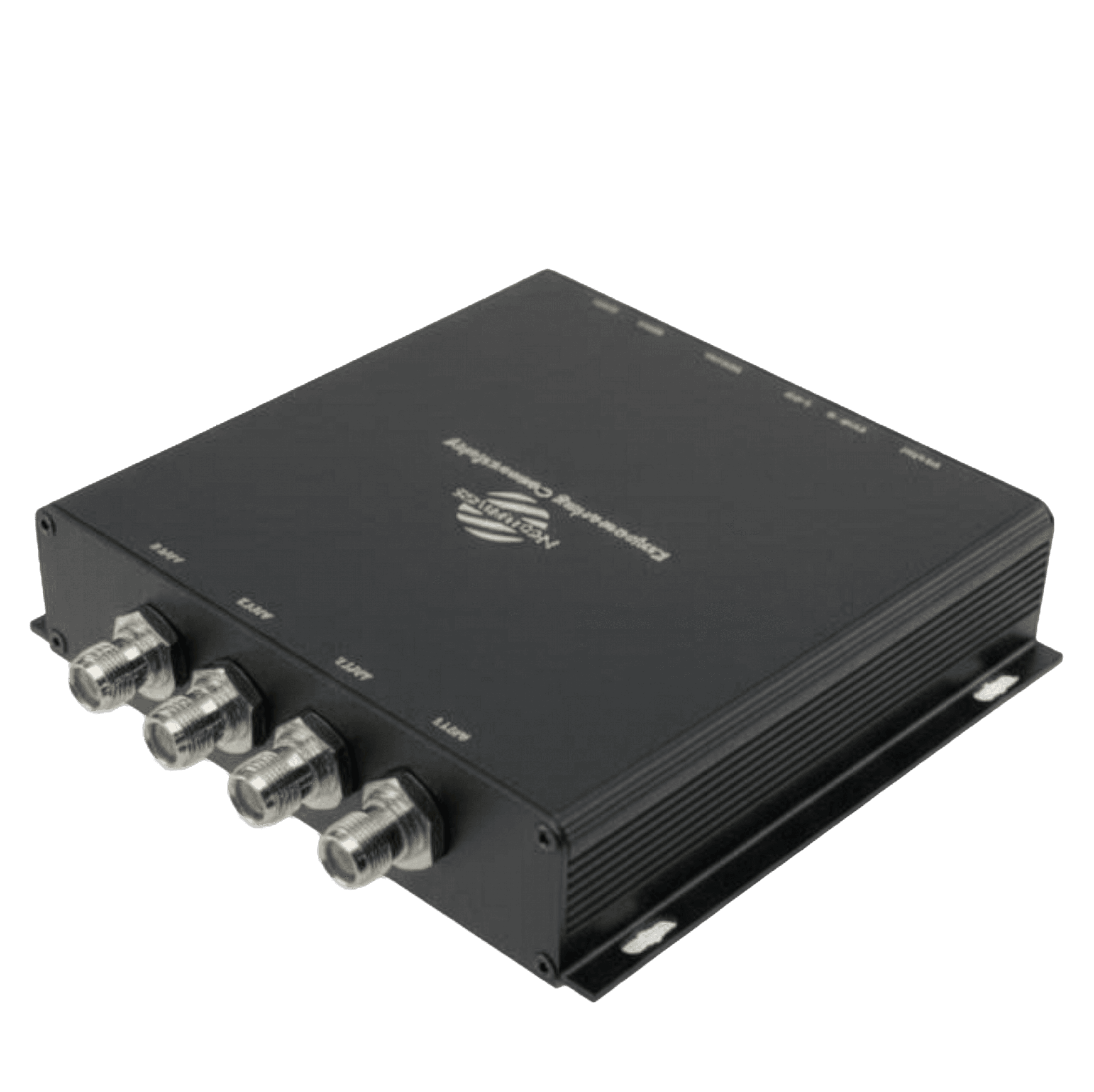
Dacă echipa dvs. de ingineri evaluează Laird S9028PCL/PCR, Nextwaves NR155 prezintă o arhitectură nativă cloud mult superioară. Sistemele legacy generează în mod inerent cheltuieli de capital ridicate prin blocarea furnizorului și ecosisteme software proprietare.
Nextwaves elimină complet această barieră, oferind un API REST MQTT standard direct pe dispozitiv. Dezvoltatorii dvs. de software pot integra citirea etichetelor direct în backend-ul dvs. ERP sau WMS personalizat în câteva zile, în loc de luni, ocolind complet taxele recurente de licențiere middleware.
Întrebări frecvente
Ce este S9028PCL/PCR?
The Laird S9028PCL (Left-Hand) and PCR (Right-Hand) are ruggedized, circularly polarized passive antennas. Locked strictly to the 902-928 MHz (FCC) North American block, they project high-gain beams when excited by external active transceiver logic.
Cât costă inițial această configurație?
A raw plate costs roughly $150. Integrators assume the subsequent costs of securing high-end RF reader controllers, shielding coaxial cable trenches, and engineering the required Linux-based software routing frameworks.
De ce ar trebui să aleg Nextwaves în schimb?
Building portal chokepoints using discrete RF antennas entails painful impedance engineering. Nextwaves consolidates both the powerful RF board and the IP gateway inside one sealed panel, removing external logic entirely.
Este hardware-ul suficient de durabil pentru depozite?
Operating inside an IP54 weather-resistant shell, it measures roughly 260 x 260 x 33 mm and weighs 1.04 kg. It readily handles dense warehouse grit but lacks sealing necessary for intense wash-down cycles.
Suportă mai multe tipuri de rețea?
Network routing is completely non-applicable to physical broadcast plates. All connections occur physically over Coaxial Type N / SMA edge sockets trailing strictly back to the active master block.
Poate echipa mea să instaleze acest lucru intern?
Physical setup involves aiming the plates accurately along heavy-duty VESA arms. Network engineers must use expensive VNA spectrum analyzers to assure proper RF alignment and calculate decibel line-loss over the coaxial lengths.
Cum funcționează gestionarea de la distanță?
With a N/A (Passive) rating, read volumes depend exclusively upon the parent system driving the board. Expanding throughput necessitates replacing the parent reader matrix, not the passive plate itself.
Am nevoie de software proprietar pentru a-l rula?
There is zero software logic present. Programmatic interfaces must be directed towards the SDKs controlling the central interrogator box supplying current through the coaxial leads.
Ce garanție are cititorul?
Like most large passive elements, the rugged fiberglass radome shields the array components securely, offering standard 1-year defenses against purely manufacturing-related breakage.
Antenele se vând separat?
Pushing an aggressive 8.5 dBic output, operators typically alternate Left and Right Hand (PCL/PCR) models on opposing portal walls across the 902-928 MHz (FCC) band to destroy complex multipath nulls.