The Honeywell IH21 operates over Bluetooth 4.2 protocols. For $900 MSRP, compare its tethered architecture against Nextwaves integrated cloud terminals.
Specificații tehnice
Prezentare generală hardware
Dispozitivul RFID Honeywell IH21 este un dispozitiv RFID de clasă industrială. Acesta funcționează în intervalul de 865-868 MHz / 902-928 MHz și suportă standardul EPC Gen2, fiind utilizat pe scară largă în aplicațiile de logistică enterprise.
Cu un grad de protecție IP de IP54, acesta oferă protecție împotriva anumitor condiții de mediu tipice în depozite sau în spatele magazinelor de vânzare cu amănuntul. Cititorul utilizează Li-Poly 4.2V 2200mAh pentru performanțe continue, în timp ce rata maximă de citire declarată atinge standard read rates.
Conectivitate și integrare în rețea
În implementările moderne, integrarea în rețea este cel mai semnificativ obstacol. Acest model oferă Bluetooth 4.2 opțiuni pentru transferul datelor înapoi la sistemele centrale.
Cu toate acestea, un blocaj major cu hardware-ul Honeywell moștenit este dependența puternică de SDK-uri proprietare (cum ar fi LLRP) sau de middleware IoT terțe costisitoare pentru a procesa datele brute ale etichetelor în informații de afaceri semnificative.
Alternativa Nextwaves
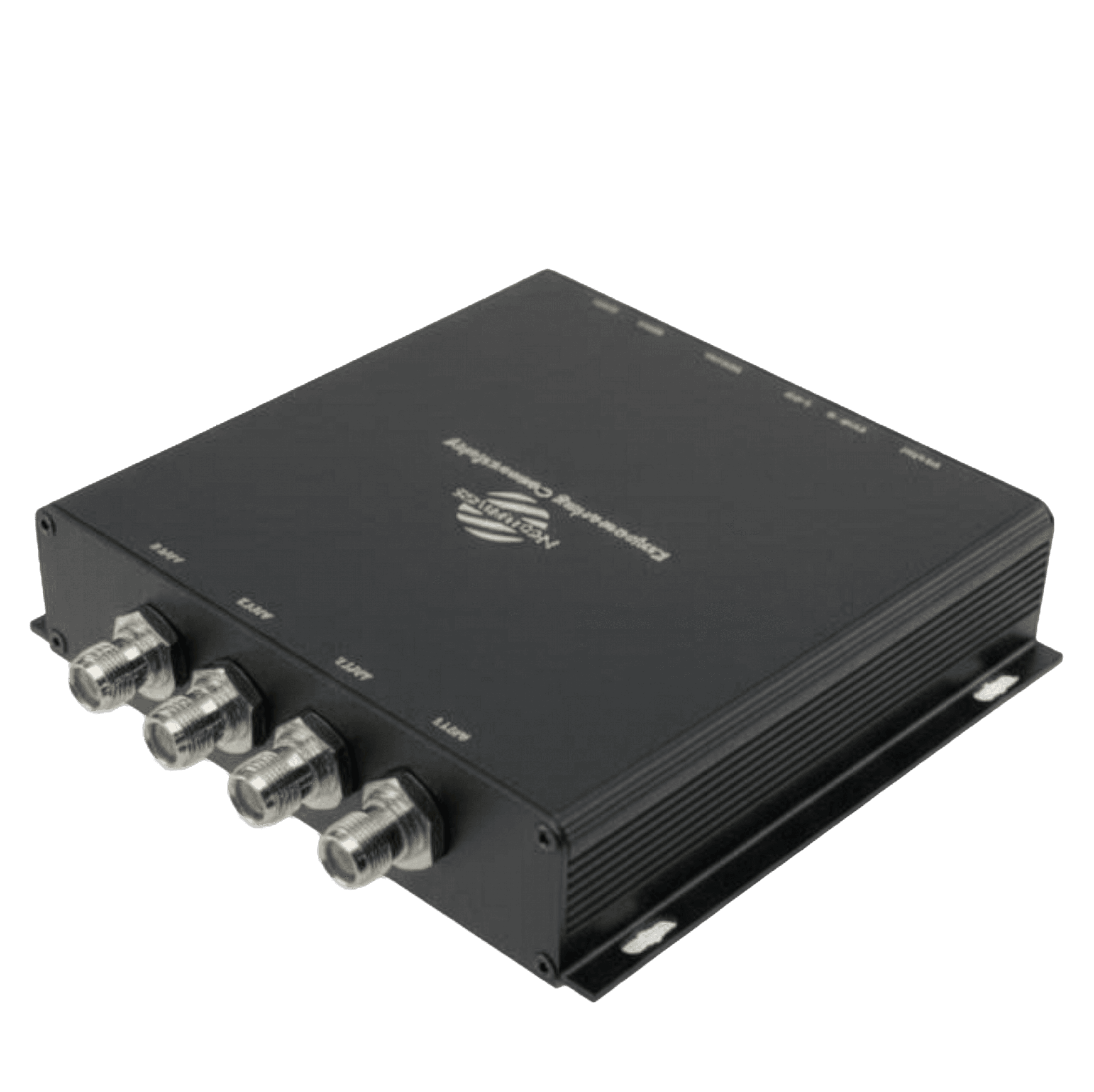
Dacă echipa dvs. de ingineri evaluează Honeywell IH21, Nextwaves NR155 prezintă o arhitectură nativă cloud mult superioară. Sistemele legacy generează în mod inerent cheltuieli de capital ridicate prin blocarea furnizorului și ecosisteme software proprietare.
Nextwaves elimină complet această barieră, oferind un API REST MQTT standard direct pe dispozitiv. Dezvoltatorii dvs. de software pot integra citirea etichetelor direct în backend-ul dvs. ERP sau WMS personalizat în câteva zile, în loc de luni, ocolind complet taxele recurente de licențiere middleware.
Întrebări frecvente
Ce este IH21?
The Honeywell IH21 is a discontinued Bluetooth UHF RFID sled. It supported legacy EPC Gen2 reading over the 865-868 MHz / 902-928 MHz blocks, enabling mobile data collection primarily for the Dolphin 75e and CT40 mobile computers.
Cât costă inițial această configurație?
Historically priced at $900, businesses also had to procure specialized eConnex brackets, Li-Poly 4.2V 2200mAh batteries, and the specific legacy Honeywell host device.
De ce ar trebui să aleg Nextwaves în schimb?
Nextwaves hardware features embedded connectivity processors. By leveraging native REST and MQTT nodes directly on the interrogator, developers bypass Bluetooth translation latency entirely.
Este hardware-ul suficient de durabil pentru depozite?
Weighing 365 g (without mobile) with dimensions of 160 x 77 x 175 mm, the terminal met an IP54 standard, shielding it from standard warehousing dust but lacking resilience against driving rain or deep freezing environments.
Suportă mai multe tipuri de rețea?
The single data link path was through Bluetooth 4.2. Secure network encryption and enterprise connectivity ultimately relied on the paired host Android device rather than the sled's subcomponents.
Poate echipa mea să instaleze acest lucru intern?
Pairing demanded the operator lock the smartphone into the mounting rail. The mobile app utilized the Honeywell SDK to initiate RF bursts across the BLE connection whenever the mechanical trigger was depressed.
Cum funcționează gestionarea de la distanță?
The architecture was generally capable of standard read rates. Firmware administration and basic diagnostics required a physical USB connection or updates piped through the connected smartphone utility.
Am nevoie de software proprietar pentru a-l rula?
Integration involved building custom native Java/Android middleware capable of sustaining the Bluetooth 4.2 handshake and mapping the resultant hex reads into your proprietary databases.
Ce garanție are cititorul?
As a legacy device, securing valid replacement components or manufacturer warranties is incredibly difficult, forcing many logistics operators to pursue total system lifecycle upgrades.
Antenele se vând separat?
A standard circular polarized internal antenna mapped the field over the 865-868 MHz / 902-928 MHz frequencies. Field effectiveness dropped significantly as the Li-Poly battery reached below 20% voltage.