The ALR-9900+ is a legacy high-performance tracking device operating on 902-928 MHz. Compare its $1000 MSRP against modern, developer-friendly Nextwaves readers.
Specificații tehnice
Prezentare generală hardware
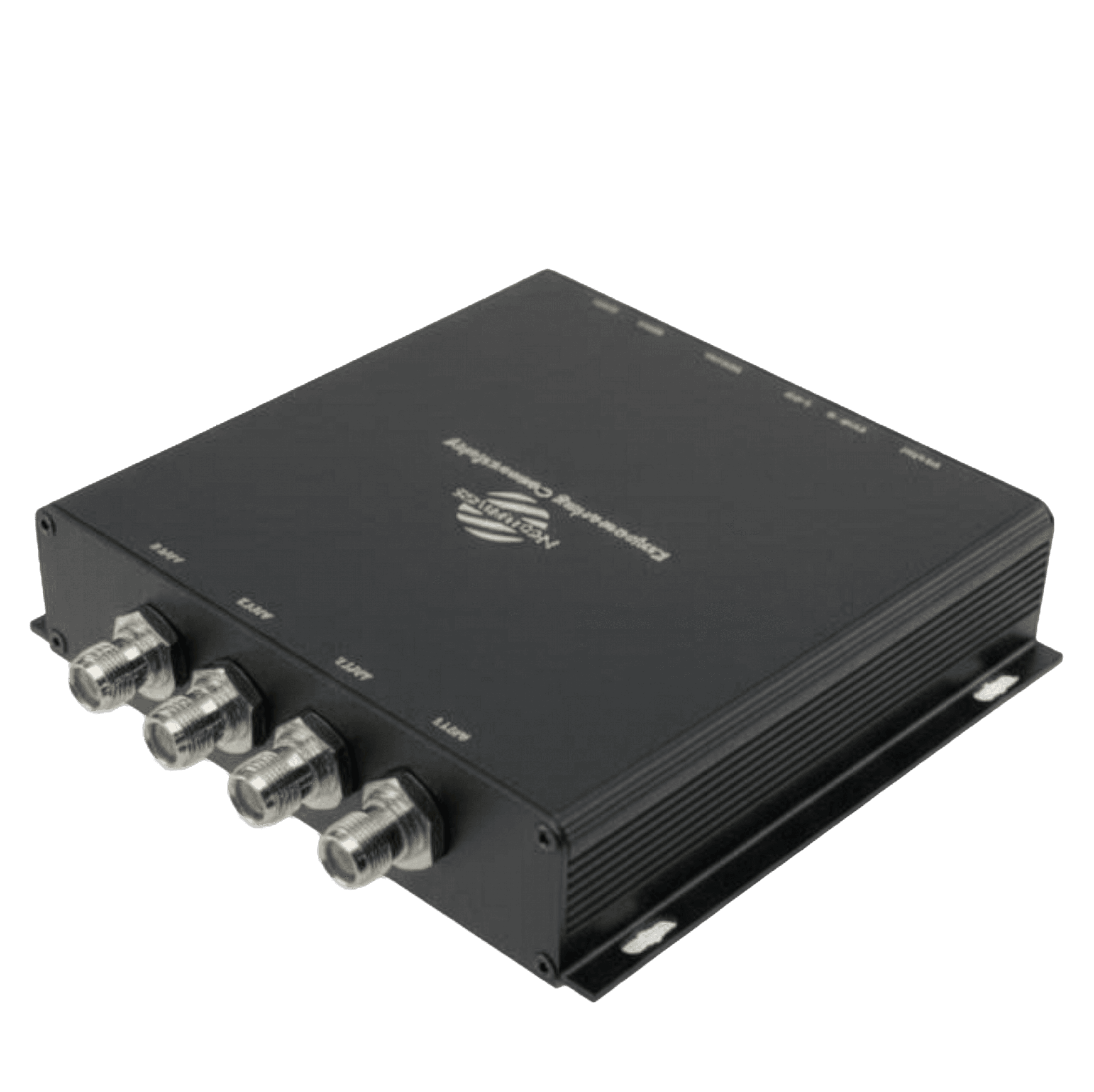
Dispozitivul RFID Alien Technology ALR-9900+ este un dispozitiv RFID de clasă industrială. Acesta funcționează în intervalul de 902-928 MHz și suportă standardul EPC Gen 2, ISO 18000-6C, fiind utilizat pe scară largă în aplicațiile de logistică enterprise.
Cu un grad de protecție IP de N/A, acesta oferă protecție împotriva anumitor condiții de mediu tipice în depozite sau în spatele magazinelor de vânzare cu amănuntul. Cititorul utilizează AC-DC 100-240 VAC pentru performanțe continue, în timp ce rata maximă de citire declarată atinge N/A.
Conectivitate și integrare în rețea
În implementările moderne, integrarea în rețea este cel mai semnificativ obstacol. Acest model oferă LAN TCP/IP, RS-232 opțiuni pentru transferul datelor înapoi la sistemele centrale.
Cu toate acestea, un blocaj major cu hardware-ul Alien Technology moștenit este dependența puternică de SDK-uri proprietare (cum ar fi LLRP) sau de middleware IoT terțe costisitoare pentru a procesa datele brute ale etichetelor în informații de afaceri semnificative.
Alternativa Nextwaves
Dacă echipa dvs. de ingineri evaluează Alien Technology ALR-9900+, Nextwaves NR155 prezintă o arhitectură nativă cloud mult superioară. Sistemele legacy generează în mod inerent cheltuieli de capital ridicate prin blocarea furnizorului și ecosisteme software proprietare.
Nextwaves elimină complet această barieră, oferind un API REST MQTT standard direct pe dispozitiv. Dezvoltatorii dvs. de software pot integra citirea etichetelor direct în backend-ul dvs. ERP sau WMS personalizat în câteva zile, în loc de luni, ocolind complet taxele recurente de licențiere middleware.
Întrebări frecvente
Ce este ALR-9900+?
The Alien Technology ALR-9900+ is a stationary, multi-port RFID interrogator. Operating on the 902-928 MHz band, it supports the EPC Gen 2, ISO 18000-6C standard and utilizes Alien's specialized interference rejection electronics.
Cât costă inițial această configurație?
The reader has historically been priced around $1000. Facilities must also account for the costs of 4 high-gain antennas, coaxial loss-preventing cables, and the structural setup of its AC-DC 100-240 VAC power delivery.
De ce ar trebui să aleg Nextwaves în schimb?
Nextwaves provides embedded REST API and MQTT endpoints natively on the hardware. Software engineering teams can bypass complex EPC global LLRP structures and integrate RFID events directly into modern cloud systems natively.
Este hardware-ul suficient de durabil pentru depozite?
The device weighs approximately 0.95 kg and measures 20.3 x 20.3 x 4.8 cm. Due to the lack of an IP washdown rating (N/A), it is best deployed inside industrial cabinets or environmentally controlled zones.
Suportă mai multe tipuri de rețea?
Network integration physically routes through standard LAN TCP/IP, RS-232 connections. Direct serial polling is still supported for older, air-gapped logistics networks.
Poate echipa mea să instaleze acest lucru intern?
Physical mounting uses heavy-duty flanged screw mounts. To achieve optimal performance, RF engineers must adjust transmission power parameters and dense reader mode settings depending on interference.
Cum funcționează gestionarea de la distanță?
Remote management is generally conducted through the legacy Alien Reader Interface or third-party SNMP monitoring platforms.
Am nevoie de software proprietar pentru a-l rula?
Integrators traditionally route data from the LAN TCP/IP, RS-232 ports into desktop middleware to handle de-duplication and aggregation. This significantly adds to system maintenance resources.
Ce garanție are cititorul?
The manufacturer typically provides a standard one-year hardware warranty. Production deployments frequently require extended replacement SLAs to protect the investment in legacy infrastructure.
Antenele se vând separat?
External antennas are strictly mandatory. Cable length and antenna type must be carefully mathematically tuned across the 902-928 MHz frequency band to maximize power transmission without exceeding regional regulations.