RFID replacement dossierUpdated: May 25, 2026

Laird S8658PL/PRUmsögn: Forskriftir og valkostir

The Laird S8658PL/PR is an ETSI targeted passive array for $150. Analyze the complex deployment costs against standalone active arrays.

Nextwaves EngineeringYfirlit yfir vélbúnað5 mín lestur

Technical verdict

Laird S8658PL/PR is a mainstream hardware purchase, but it is not always the best architecture for direct RFID data integration.

Do not evaluate S8658PL/PR by list price alone. Its strongest fit is a project that already uses Coaxial Type N / SMA, has time for RF tuning, and accepts extra middleware work. If the engineering team needs open APIs, realtime data, and faster edge-to-cloud deployment, Nextwaves NR155 is the stronger replacement path to evaluate.

Initial cost

$150 before deployment accessories

Published throughput

Not specified

Integration surface

Coaxial Type N / SMA

Physical data

260 x 260 x 33 mm; 1.04 kg; IP: IP54

Published specs

Specifications to validate before replacing

Tíðni

865-868 MHz (ETSI)

Samskiptareglur

N/A (Passive Antenna Element)

Tengimöguleikar

Coaxial Type N / SMA

IP-einkunn

IP54

Mál

260 x 260 x 33 mm

Þyngd

1.04 kg

Aflgjafi

N/A (Passive)

Lestrarhraði

N/A (Passive)

Áætlað verð

$150

Deployment review

Operational strengths and risks

This summary is based on public specifications and does not replace an on-site RF survey.

Fit score

3.5/5

Strengths

  • Coaxial Type N / SMA gives network teams a familiar integration surface instead of local-only collection.
  • N/A (Passive) can reduce separate power drops when switch PoE budget is available.
  • The $150 hardware baseline is easier to budget than premium fixed-reader configurations.
  • Throughput should be measured with real tags and antennas.

Validate

  • Quoted hardware price is not installed system cost; include antennas, cables, mounts, power, software, and configuration work.
  • RF performance depends on tag material, antenna position, transmit power, reader orientation, and site interference.
  • IP54 must be checked against dust, humidity, temperature, and cleaning requirements.
  • Raw RFID reads still need duplicate filtering, business-event mapping, and ERP/WMS integration before operations can use them.

Deployment review

Buying decision matrix

Best fit

Fixed UHF RFID projects that already use Coaxial Type N / SMA and have time for RF tuning.

Weak fit

Do not compare device price only; total cost depends on accessories, software, and integration.

Deployment risk

IP54, N/A (Passive), 260 x 260 x 33 mm, and 1.04 kg must match the site layout.

Software risk

Plan for middleware, SDK work, duplicate filtering, and business-event mapping.

Alternative architecture

Laird S8658PL/PR vs Nextwaves

01

Yfirlit yfir vélbúnað

Laird S8658PL/PR er RFID tæki í iðnaðargráðu. Það starfar innan 865-868 MHz (ETSI) sviðsins og styður N/A (Passive Antenna Element) staðalinn, sem gerir það mikið notað í gegnum umsóknir um flutninga fyrirtækja.

Með IP-einkunn upp á IP54 býður það upp á vernd gegn ákveðnum umhverfisaðstæðum sem eru dæmigerðar í vöruhúsum eða bakherbergjum smásölu. Lesandinn notar N/A (Passive) fyrir stöðuga frammistöðu, en hámarks lestrarhraði hans er N/A (Passive).

02

Tengimöguleikar og samþætting við net

Í nútíma uppsetningum er samþætting við netið stærsta hindrunin. Þessi gerð býður upp á Coaxial Type N / SMA valkosti til að flytja gögn aftur til miðlægra kerfa.

Hins vegar er stór flöskuháls með eldri Laird vélbúnaði mikil áhersla á sértæka SDK (eins og LLRP) eða dýran þriðja aðila IoT millihugbúnað til að vinna hrá taggögn í þýðingarmikla viðskiptagreind.

03

When to choose Nextwaves instead of another closed reader

Ef verkfræðiteymið þitt er að meta Laird S8658PL/PR, þá býður Nextwaves NR155 upp á mun betri skýjatengda arkitektúr. Eldri kerfi knýja eðlilega mikla fjárfestingu í gegnum læsingu á söluaðila og einkaeignarhugbúnaðarvistkerfi.

Nextwaves útilokar algjörlega þessa hindrun með því að veita staðlað MQTT REST API beint á tækinu. Hugbúnaðarþróunaraðilar þínir geta samþætt merkjalestur beint inn í sérsniðna ERP eða WMS bakenda þinn á dögum í stað mánaða, og algjörlega farið framhjá endurteknum leyfisgjöldum fyrir millihugbúnað.

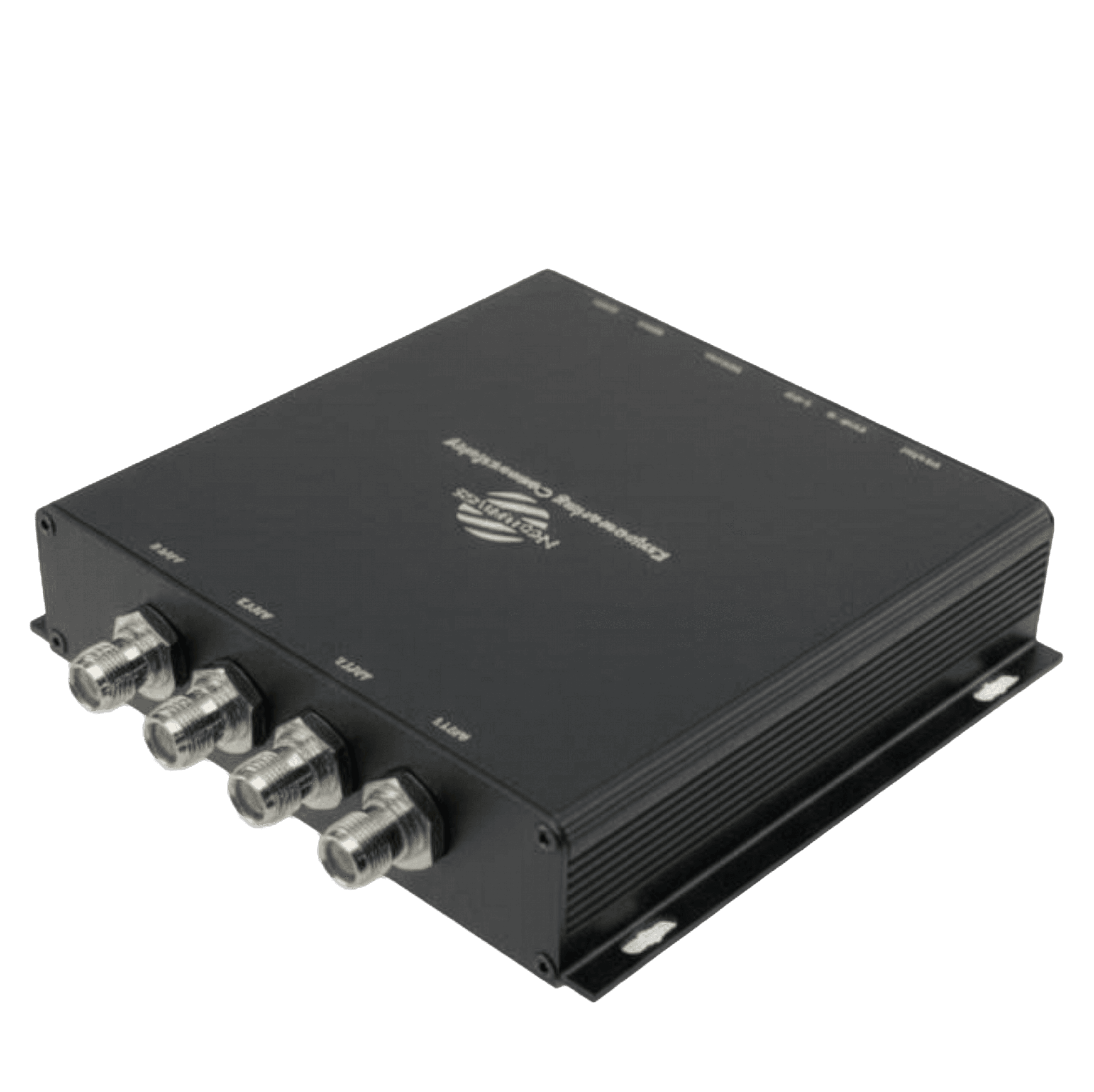
Alternative architecture

NR155 Fixed IoT UHF RFID lesari

Cloud-native MQTT/REST API innbyggt. Engir sértækir SDK, engin leyfi fyrir millihugbúnaði. Samþættu beint við ERP eða WMS þína á nokkrum dögum.

View Nextwaves NR155
Nextwaves NR155 Fixed IoT UHF RFID Reader

Antennu tengi

4 x RP-TNC tengi

Lestrarhraði

Allt að 400 taggar/sekúndu

Úttaksstyrkur

0–33 dBm (1dB skref)

Net samskiptareglur

MQTT / MQTTS

FAQ

Algengar spurningar

These answers help purchasing and engineering teams review cost, integration, and deployment risk.

01

Hvað er S8658PL/PR?

The Laird S8658PL (Left-Hand) and PR (Right-Hand) operate as dedicated EU passive antenna fields. Confined locally to 865-868 MHz (ETSI) bands, they broadcast focused electromagnetic waves initiated by external centralized readers.

02

Hvað kostar þetta uppsetning í upphafi?

Panels carry roughly a $150 price tag. This does not factor for high-end active processing blocks, coaxial lengths routing behind drywalls, or custom software routing required on the parent MCU.

03

Af hverju ætti ég að velja Nextwaves í staðinn?

Traditional RFID involves bolting passive antennas to ceilings and dragging coax cables back to central IT closets. Nextwaves simply places a standalone active array directly onto the ceiling, hooked securely to straightforward PoE systems.

04

Er vélbúnaðurinn nógu endingargóður fyrir vöruhús?

Protected by standard IP54 seals, the 260 x 260 x 33 mm casing weighs 1.04 kg. It defends against factory dust perfectly, but risks catastrophic internal failure during localized high-pressure wash-down environments.

05

Styður hann margar netgerðir?

It completely lacks native Ethernet, Wi-Fi, or Bluetooth stacks. Transmitting voltage impulses occurs physically through Coaxial Type N / SMA connections tied intimately back to the active reader.

06

Getur mitt teymi sett þetta upp innanhúss?

Mounting requires securely anchoring heavy-duty articulating joints. Successful logic implementation requires measuring VSWR tolerances to tune the active reader compensating for coaxial decibel attenuation.

07

Hvernig virkar fjarstýringin?

Governed by N/A (Passive) dynamics, the speed of tag collection correlates precisely to the processing rate of the interrogator board powering the matrix.

08

Þarf ég sérstakan hugbúnað til að keyra hann?

Middleware stacks are fully divorced from this hardware. Engineers execute tag reading logic and REST webhooks exclusively on the Linux systems baked into the core reader managing the voltage logic.

09

Hvaða ábyrgð fylgir lesaranum?

Protected by fundamental 1-year product fault protections. The static internal patch framework functions virtually indefinitely absent violent warehouse pallet crashes.

10

Eru loftnetin seld sér?

Delivering exactly 8.5 dBic localized gain, mixing Left and Right Circularly Polarized patterns over the 865-868 MHz (ETSI) block nullifies aggressive 'deep fade' interference inside cluttered warehouses.