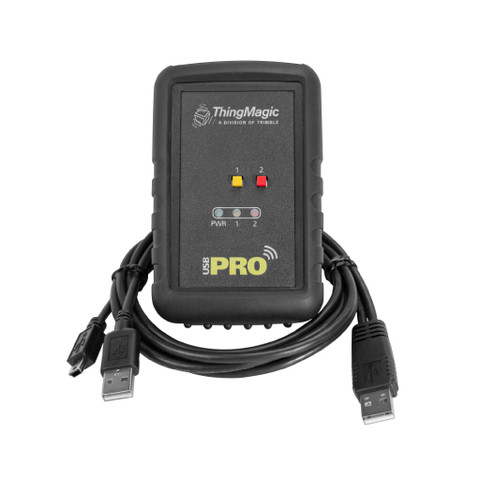
The ThingMagic USB Pro is a $700 specialized desktop reader reliant on USB. Compare its wired requirements against Nextwaves wireless autonomous hardware.
Especificacións técnicas
Visión xeral do hardware
O ThingMagic (JADAK) USB Pro é un dispositivo RFID de grao industrial. Funciona dentro do rango de Global e admite o estándar EPC Gen2v2, ISO 18000-63, o que o fai amplamente despregado en aplicacións loxísticas empresariais.
Cunha clasificación IP de indoor rating, ofrece protección contra condicións ambientais específicas típicas en almacéns ou almacéns de venda polo miúdo. O lector utiliza USB Bus Power para un rendemento continuo, mentres que a súa velocidade máxima de lectura declarada alcanza ~50 tags/sec.
Conectividade e integración de rede
Nas implementacións modernas, a integración da rede é o obstáculo máis importante. Este modelo ofrece USB 2.0 Type A opcións para transferir datos aos sistemas centrais.
Non obstante, un importante problema cos hardware ThingMagic (JADAK) herdados é a forte dependencia de SDKs propietarios (como LLRP) ou middleware de IoT de terceiros caros para procesar datos de etiquetas en bruto en información empresarial significativa.
A alternativa Nextwaves
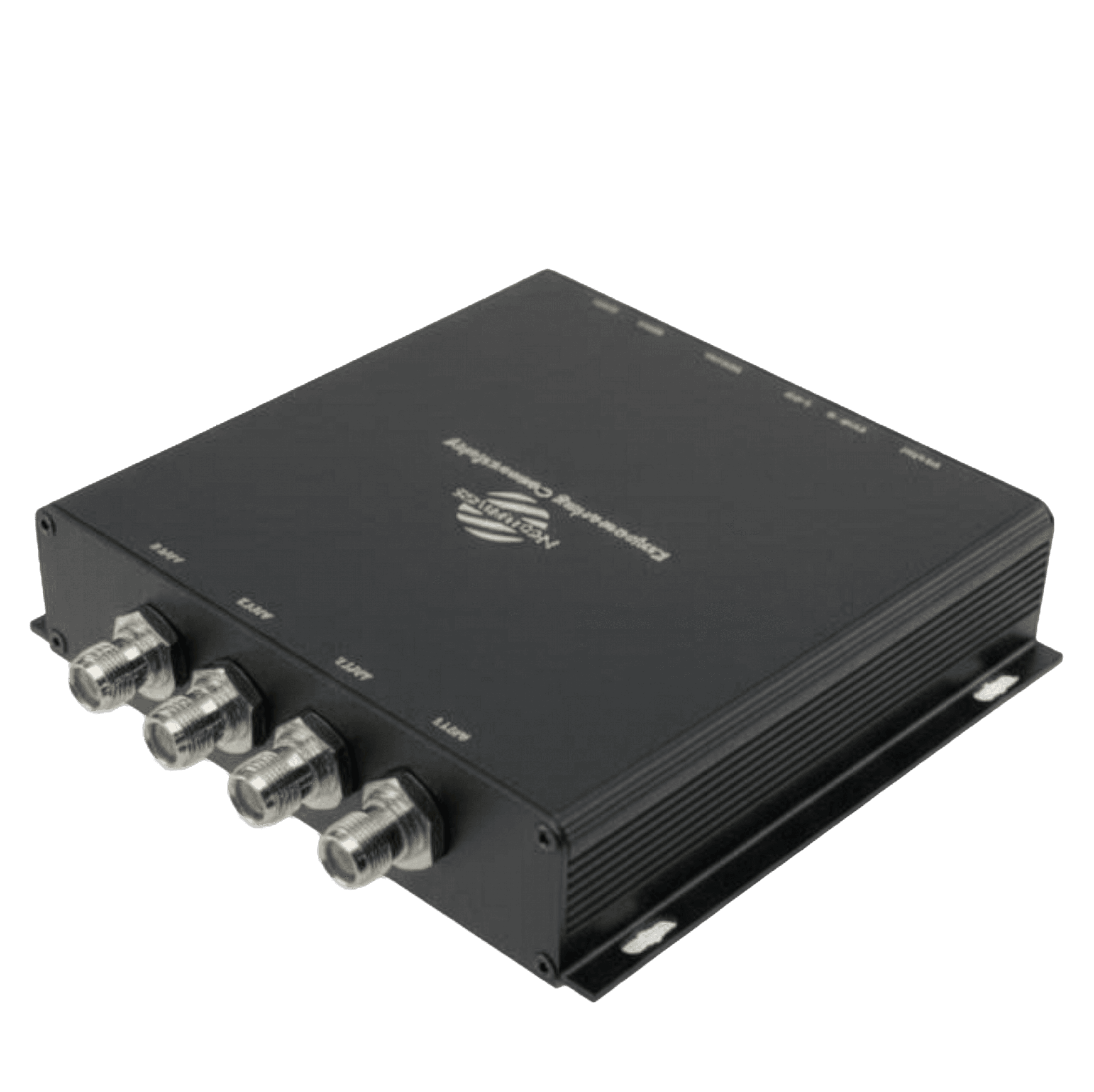
Se o seu equipo de enxeñaría está a avaliar o ThingMagic (JADAK) USB Pro, o Nextwaves NR155 presenta unha arquitectura nativa da nube moito superior. Os sistemas herdados impulsan inherentemente un alto gasto de capital a través do bloqueo do provedor e os ecosistemas de software propietarios.
Nextwaves elimina completamente esta barreira proporcionando unha API REST MQTT estándar directamente no dispositivo. Os seus desenvolvedores de software poden integrar a lectura de etiquetas directamente no seu backend ERP ou WMS personalizado en días en lugar de meses, evitando por completo as taxas de licenza de middleware recorrentes.
Preguntas frecuentes
Que é o USB Pro?
The ThingMagic (JADAK) USB Pro is a stationary, desktop-mounted RFID interrogator. It supports the EPC Gen2v2, ISO 18000-63 protocols over Global frequencies, primarily intended for individual asset encoding, access credential issuance, and point-of-sale checkout.
Canto custa esta configuración inicialmente?
Retail pricing typically falls around $700. Deployment budgeting is generally simple since it relies on USB Bus Power directly from the connected PC host without needing external AC wiring or separate antenna brackets.
Por que debería escoller Nextwaves no seu lugar?
Nextwaves infrastructure utilizes standalone networking hardware to communicate directly to your SQL databases via webhooks. You completely remove the requirement of keeping a Windows PC constantly powered simply to shuttle EPC data.
É o hardware o suficientemente duradeiro para os almacéns?
The aluminum enclosure checks in at 0.27 kg and measures 97 x 61 x 25 mm. It carries an indoor rating, intended strictly for dry, climate-controlled environments like ticketing booths or developer testing benches.
Admite varios tipos de rede?
Data routing is strictly confined to a physical USB 2.0 Type A interface. It establishes no network connections of its own, meaning all security auditing falls entirely on the policies of the connected host computer.
Pode o meu equipo instalar isto internamente?
Setup is heavily reliant on the ThingMagic Mercury API. Software teams must compile C# / Java bindings to initialize the reader, control the internal transceiver, and manage the stream of incoming hex identifiers.
Como funciona a xestión remota?
Driven internally by an M6e-Micro module, the desktop read speed peaks at roughly ~50 tags/sec. It is optimized for near-field single tag targeting rather than high-density warehousing sweeps.
Necesito software propietario para executalo?
Because it acts as a peripheral via its USB 2.0 Type A link, developers must write host-side daemon software that polls the USB pipe, packages the data into JSON, and transmits it out to enterprise logistics systems.
Que garantía inclúe o lector?
JADAK supports the USB Pro with a standard desktop hardware warranty. System integrations often utilize it primarily as a programming station rather than a critical high-throughput checkpoint.
As antenas véndense por separado?
This model integrates a small ceramic antenna tuned across a wide Global broadband footprint. It deliberately restricts transmit output (up to +30 dBm) to prevent reading unintended tags situated further away in the room.