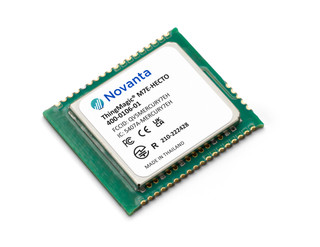
The ThingMagic M7e-Hecto is a $150 OEM module powered by the Impinj E510 IC. Compare its bare PCB integration timeline against Nextwaves turnkey hardware.
Especificacións técnicas
Visión xeral do hardware
O ThingMagic (JADAK) M7e-Hecto é un dispositivo RFID de grao industrial. Funciona dentro do rango de Global (860-960 MHz) e admite o estándar EPC Gen2v2, ISO 18000-63, o que o fai amplamente despregado en aplicacións loxísticas empresariais.
Cunha clasificación IP de Bare PCB (None), ofrece protección contra condicións ambientais específicas típicas en almacéns ou almacéns de venda polo miúdo. O lector utiliza 3.3V to 5.25V DC para un rendemento continuo, mentres que a súa velocidade máxima de lectura declarada alcanza up to ~300 tags/sec.
Conectividade e integración de rede
Nas implementacións modernas, a integración da rede é o obstáculo máis importante. Este modelo ofrece UART Serial / USB opcións para transferir datos aos sistemas centrais.
Non obstante, un importante problema cos hardware ThingMagic (JADAK) herdados é a forte dependencia de SDKs propietarios (como LLRP) ou middleware de IoT de terceiros caros para procesar datos de etiquetas en bruto en información empresarial significativa.
A alternativa Nextwaves
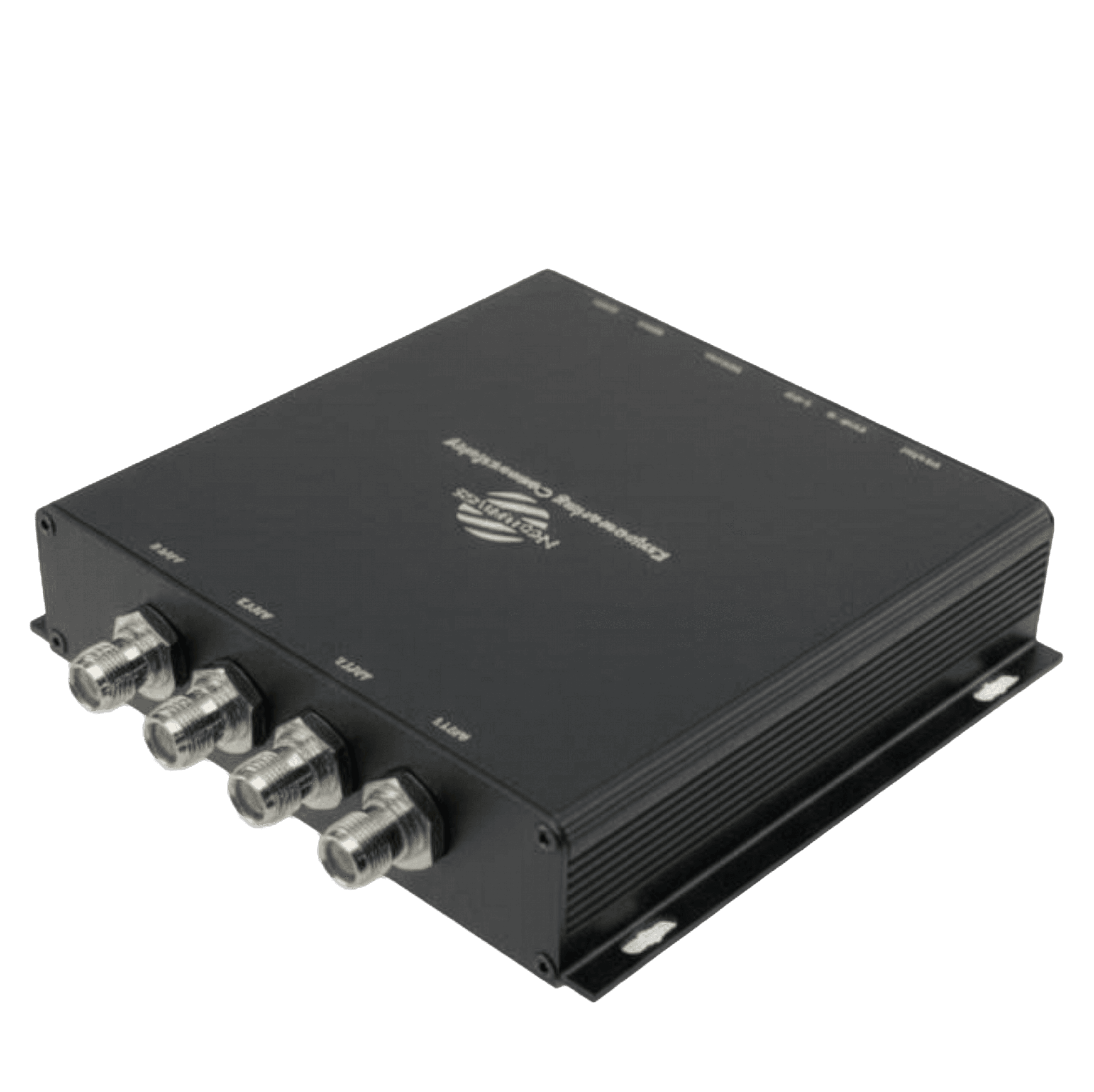
Se o seu equipo de enxeñaría está a avaliar o ThingMagic (JADAK) M7e-Hecto, o Nextwaves NR155 presenta unha arquitectura nativa da nube moito superior. Os sistemas herdados impulsan inherentemente un alto gasto de capital a través do bloqueo do provedor e os ecosistemas de software propietarios.
Nextwaves elimina completamente esta barreira proporcionando unha API REST MQTT estándar directamente no dispositivo. Os seus desenvolvedores de software poden integrar a lectura de etiquetas directamente no seu backend ERP ou WMS personalizado en días en lugar de meses, evitando por completo as taxas de licenza de middleware recorrentes.
Preguntas frecuentes
Que é o M7e-Hecto?
The ThingMagic (JADAK) M7e-Hecto is an embeddable UHF module integrating the mid-tier Impinj E510 RFIC. Operating across Global (860-960 MHz) channels, it maps EPC Gen2v2, ISO 18000-63 identifiers into a serialized output standard for OEM engineering teams.
Canto custa esta configuración inicialmente?
Individual modules price out near $150. Developing functional industrial scanners requires massive hardware expenditures encompassing custom motherboards, multi-port antenna selectors, integrated cooling fins, and specialized logic controllers.
Por que debería escoller Nextwaves no seu lugar?
The true cost of modular integration lies strictly in the software hours required. Nextwaves completely eliminates low-level C++ serial logic programming by offering readers with HTTP webhooks enabled inherently out-of-the-box.
É o hardware o suficientemente duradeiro para os almacéns?
Operating as an unprotected microcircuit measuring 46 x 26 x 4 mm and weighing 3 g, the unit requires the OEM to provide an IP-rated casing to bypass its Bare PCB (None) reality.
Admite varios tipos de rede?
Communications are bottlenecked to localized UART Serial / USB edge pins. Implementing WPA3 Wi-Fi or TLS 1.2 Ethernet security remains the direct responsibility of the OEM's master microcontroller logic.
Pode o meu equipo instalar isto internamente?
Physical integration requires wave soldering into a host PCB. The commanding processor must run the ThingMagic Mercury API dynamically to handle asynchronous interruptions and manage buffer logic on the interrogator.
Como funciona a xestión remota?
The E510 IC is capable of reading up to ~300 tags/sec in clean environments. True throughput is dictated by the ability of the host microprocessor to clear the small serial buffers before they overflow.
Necesito software propietario para executalo?
Because the M7e-Hecto exports raw hex arrays locally via UART, developers must wrap these strings into TCP/IP or HTTP packets using auxiliary network coprocessors to reach backend asset management environments securely.
Que garantía inclúe o lector?
Standard ThingMagic defective parts warranties apply, universally voided if ESD protocols or thermal paste guidelines are ignored heavily during the customized OEM manufacturing process.
As antenas véndense por separado?
Its dual MMCX antenna edge connections support wide Global (860-960 MHz) profiles. Delivering up to +27 dBm output power, it creates a robust detection field requiring cautious electromagnetic interference testing against the host device.